25 Types of Pakistani Dresses
Your map to the desi wardrobe: 25 silhouettes grouped, described and linked to their full guides.
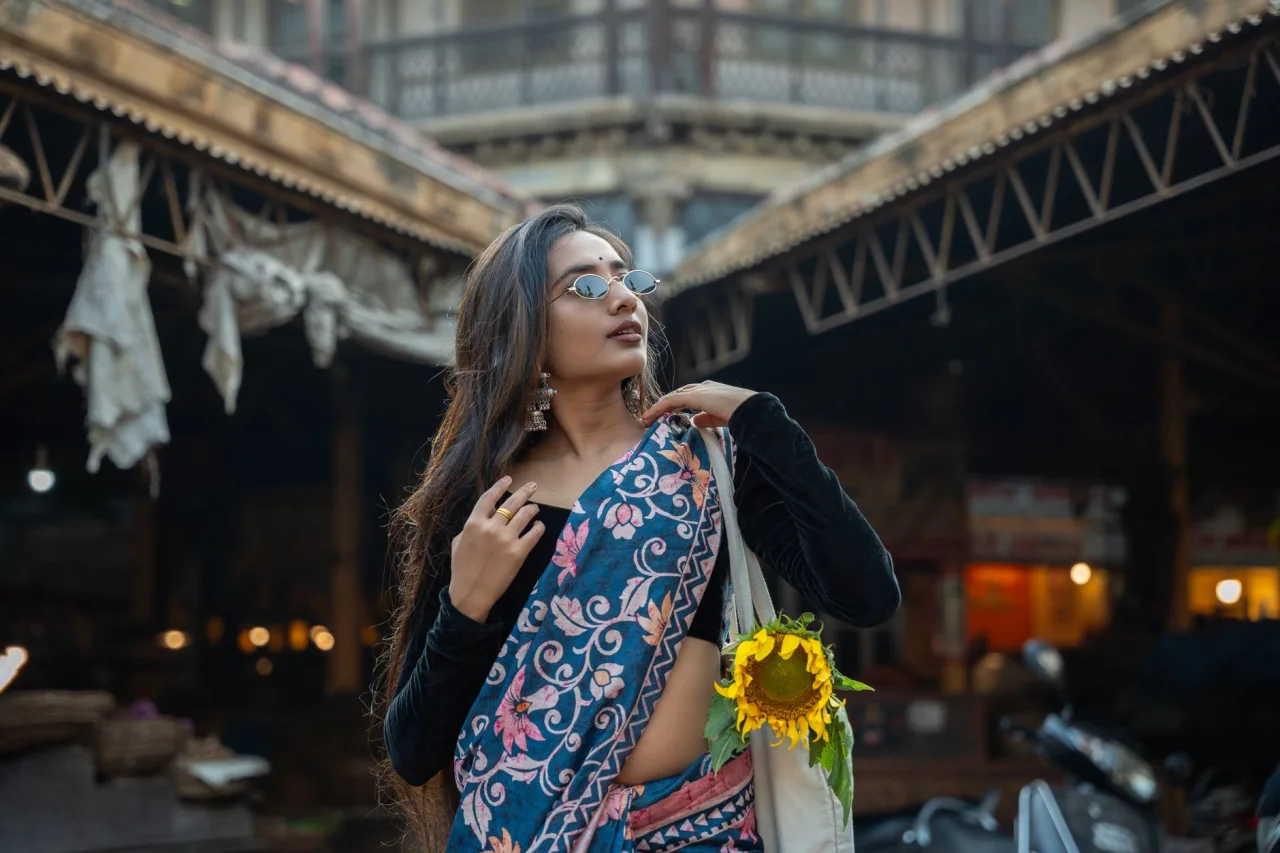
Pakistani fashion is a whole vocabulary of silhouettes, from the everyday shalwar kameez to trailing heritage garments like the farshi shalwar. If the names blur together, this guide is your map. Below are 25 dress types every woman should be able to recognise, grouped so they make sense, each with a one-line description and a link to its full guide. Use it as a starting index for the wider wardrobe.
The short version
- Most Pakistani outfits are built from a top, a bottom and a dupatta, then varied by cut, fabric and occasion.
- Everyday staples include the shalwar kameez, lawn suit, kurta and kurti.
- Flared frocks, wide-leg heritage styles and skirted formals cover festive and bridal dressing.
- Modest robe styles such as the abaya, kaftan and jalabiya round out the modern desi wardrobe.
How Pakistani dressing is organised
Almost every Pakistani outfit starts from the same logic: a top piece, a bottom piece and a dupatta or stole. From there, the differences come down to the cut of the top, the shape of the bottom, the fabric and the occasion. A cotton print for a weekday and a hand-embroidered frock for a wedding can share the same underlying structure. Understanding that shared skeleton makes the 25 names below far less intimidating, because most are variations on a theme rather than entirely separate garments. The most familiar version of this structure is the shalwar kameez, which anchors the whole family. For the umbrella view, start with our guide to Pakistani dresses.
It also helps to know the three levers that change everything. The first is the cut of the top: straight, flared, wrapped or frock-style. The second is the shape of the bottom: slim churidar, loose shalwar, wide gharara legs or a full skirt. The third is fabric and finish, which is what moves a piece from casual to formal, since the same silhouette in printed lawn reads everyday and in embroidered net or silk reads bridal. Almost every name below is one combination of those three levers, which is why learning the vocabulary once pays off across your whole wardrobe.
Everyday staples
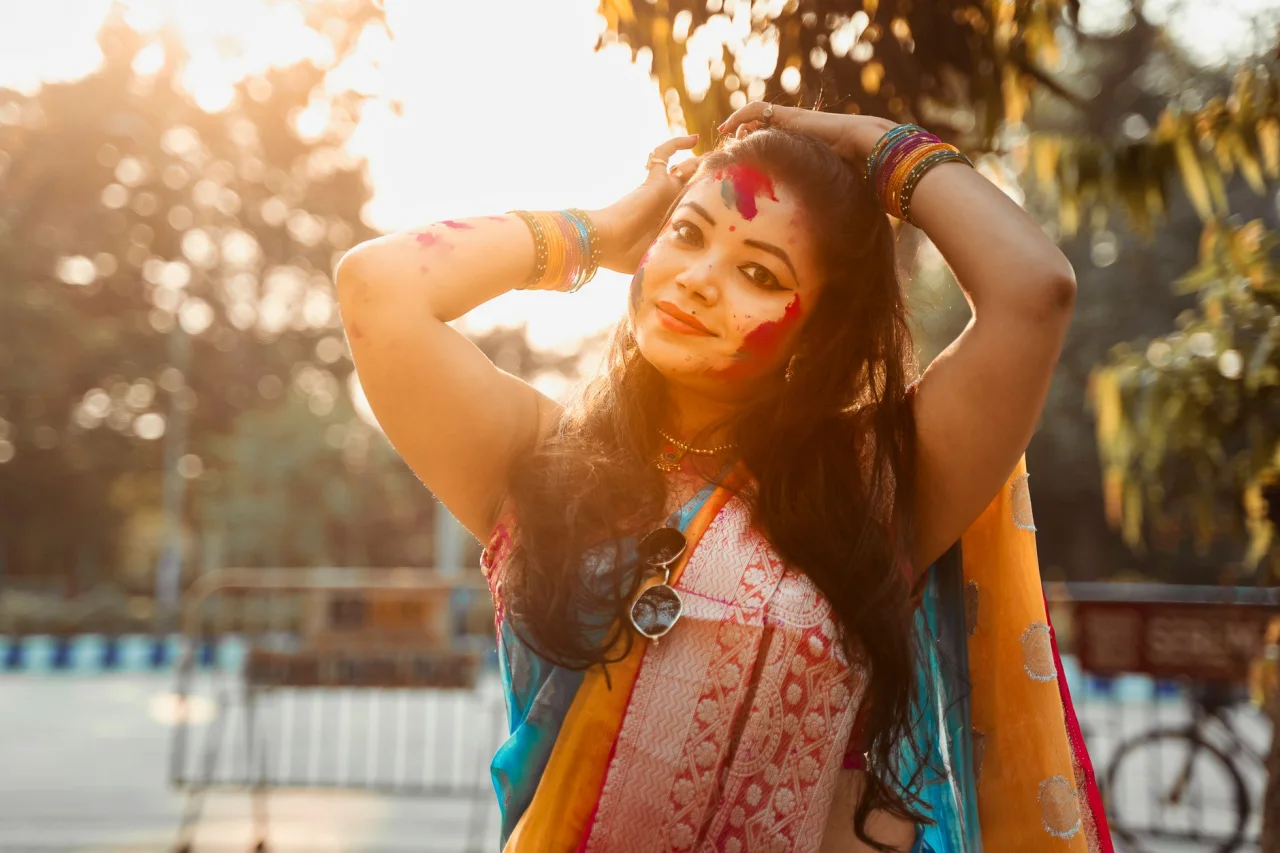
These are the workhorses of the wardrobe, worn daily and dressed up or down easily. They lean on comfort and breathable fabric, and they form the base that most people own several of before they ever buy an occasion piece.
- Shalwar kameez: the national dress, a tunic worn with loose pleated trousers and a dupatta.
- Salwar kameez: the same tunic-and-trouser family, the spelling and cut vary by region and preference.
- Lawn suit: a suit cut from fine, breathable lawn cotton, the default for Pakistani summers.
- Cotton suit: an everyday suit in plain or printed cotton, comfortable and hardwearing.
- Kurta: a straight, longer tunic worn by women and men, versatile across casual and semi-formal wear.
- Kurti: a shorter, often more fitted tunic, popular as a fusion piece with jeans or trousers.
Flared frocks, gowns and tunics
These add shape and drama through flare, length or a distinctive line. They are the pieces you reach for when a plain straight cut feels too simple but a full skirt feels like too much, so they cover the huge middle ground between casual and bridal.
- Anarkali: a fitted bodice that flares into a long frock, a Mughal-inspired silhouette. See also our history piece on what an anarkali is.
- Angrakha: a robe-derived style with an overlapping front tied at the side or shoulder.
- A-line kurta: a tunic that widens gently from the shoulders to the hem, flattering and easy.
- Maxi dress: a long, flowing one-piece, a fusion favourite for parties and evenings.
- Straight suit: a clean, straight-cut kameez with minimal flare, sleek and modern.
- Tunic: a shorter top styled the fusion way over trousers or jeans.
Wide-leg and heritage silhouettes
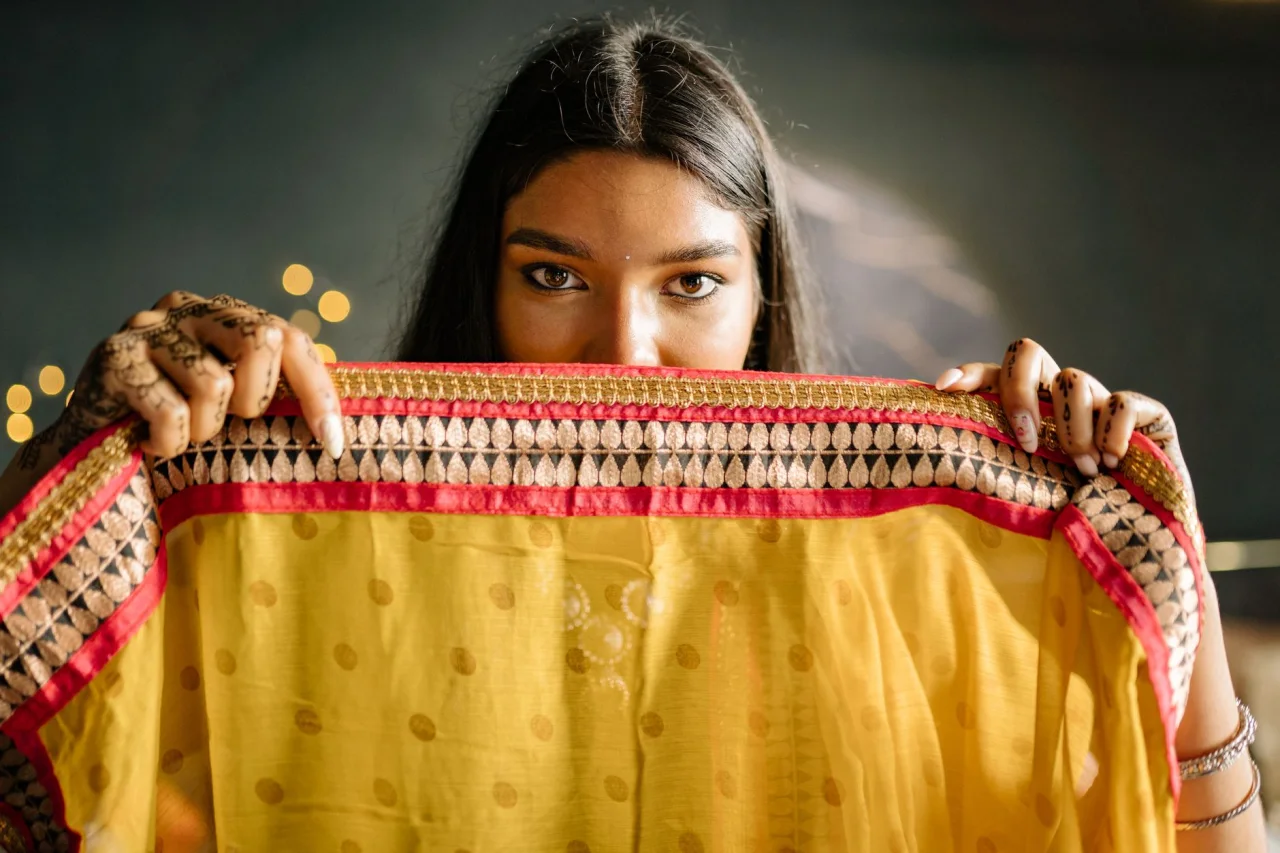
Here the volume moves to the lower half, in styles rooted in the courts of Awadh. Each one pairs a short kurti with dramatic trousers, and each was historically a marker of status, using generous yardage and rich metal-thread embroidery. The gharara in particular traces to the era of the Nawabs, and these silhouettes are enjoying a strong revival in modern bridal and festive wear.
- Gharara: wide-legged trousers fitted to the knee, then flared out from a decorated joint.
- Sharara: wide-legged trousers that flare in one continuous sweep from the waist.
- Farshi shalwar: a floor-length style with a trailing flare that pools onto the ground.
If the gharara and sharara confuse you, our guide to the difference between sharara and gharara clears it up.
Skirted and formal pieces
These cover weddings, parties and dressier occasions, where fabric and surface work matter as much as the cut. Several of these names describe the level of finish rather than a fixed shape, so an embroidered suit or a designer suit can take many silhouettes.
- Lehenga: a flared skirt worn with a blouse and dupatta, a bridal and festive mainstay.
- Lehenga choli: the full three-piece set of flared skirt, fitted choli blouse and dupatta.
- Designer suit: a premium suit with elevated fabric, cut and detailing.
- Embroidered suit: a suit defined by its surface work, from light thread to heavy zari.
- Pakistani party wear: dressier outfits built for evenings, dinners and celebrations.
- Co-ord set: matching separates designed to be worn together for an easy coordinated look.
- Kurta set: a kurta sold with its coordinated bottom and often a dupatta.
Buying tip
Many of these come both ready to wear and unstitched, sold as fabric you have tailored. If you are unsure which route to take, our guide to ready to wear versus unstitched compares fit, cost and effort.
Modest and robe styles
Loose, elegant robe silhouettes that anchor modest wardrobes. They flow rather than fit, which makes them comfortable in heat and easy to layer, and they are shared across Pakistani, Gulf and wider modest fashion traditions.
- Kaftan: a loose, flowing robe with wide sleeves, comfortable and easy to dress up.
- Abaya: a long, loose over-garment worn as modest outerwear, often in dark tones.
- Jalabiya: a flowing, ankle-length robe popular across the Gulf and among modest dressers.
Fabric and occasion change everything
Notice how many of these 25 names describe a shape rather than a formality level. That is deliberate, because the same silhouette can live at either end of your wardrobe depending on the cloth. A straight suit in printed lawn is a weekday outfit, while the same straight cut in raw silk with dense embroidery becomes party wear. An anarkali in cotton is casual, and in net with heavy work it is bridal. This is why fabric and finish deserve as much thought as the cut when you shop.
As a rough map, breathable cottons and lawn suit everyday heat, georgette and chiffon float for semi-formal wear, and net, velvet and silk carry the weight and shine for weddings and formal events. Embroidery follows the same ladder, from light thread and printed detail for daily wear up to zari, gota and mirror work for occasion pieces. Learning to read cloth and work, rather than just the garment name, is what turns a list of 25 into confident buying.
How to choose the right one for you
With 25 options, start from the occasion and work backwards. For daily wear, a lawn suit, kurta or kurti will cover most needs. For festivals like Eid, an anarkali, embroidered suit or gharara adds occasion without going full bridal. For weddings, the lehenga, farshi shalwar and heavy designer suits carry the grandeur. For a modest, fuss-free line, the abaya, kaftan and jalabiya are reliable. Once you know the shape, the Pakistani dress designs roundup helps you picture current colours and details, and the fabric and price guides for each garment help you buy well.
Frequently asked questions
What is the most common Pakistani dress?
The shalwar kameez is the everyday standard, a tunic worn with loose pleated trousers and a dupatta. In summer it is most often cut from lightweight lawn fabric, which is why the lawn suit is such a wardrobe staple.
What is the difference between a kurta and a kurti?
A kurta is generally a longer, straighter tunic worn by women and men, while a kurti is usually shorter and more fitted, and it is often styled the fusion way with jeans or trousers. Both belong to the same tunic family.
Which Pakistani dresses are best for weddings?
For weddings, the lehenga and lehenga choli, the gharara, the farshi shalwar and heavily embroidered designer suits are the grandest choices. The right one depends on the specific event, from a lively mehndi to a formal walima.
What is the difference between a gharara and a sharara?
Both are wide-legged trousers worn with a short kurti and dupatta. A gharara is fitted to the knee and then flares from a decorated joint, while a sharara flares in one continuous sweep from the waist with no knee seam.
Are these dresses only worn in Pakistan?
No. These silhouettes are worn across Pakistan and by the wider South Asian diaspora, and several, such as the abaya, kaftan and jalabiya, are shared with Gulf and broader modest fashion traditions.
More on Clothing Types
Have a question or a topic to suggest?
We read every message. Tell us what you would like to see next in the journal.
Get in touch