What Is an A-Line Kurta?
The fit-and-flare tunic explained: silhouette, origin, best fabrics, and who the A-line kurta suits.
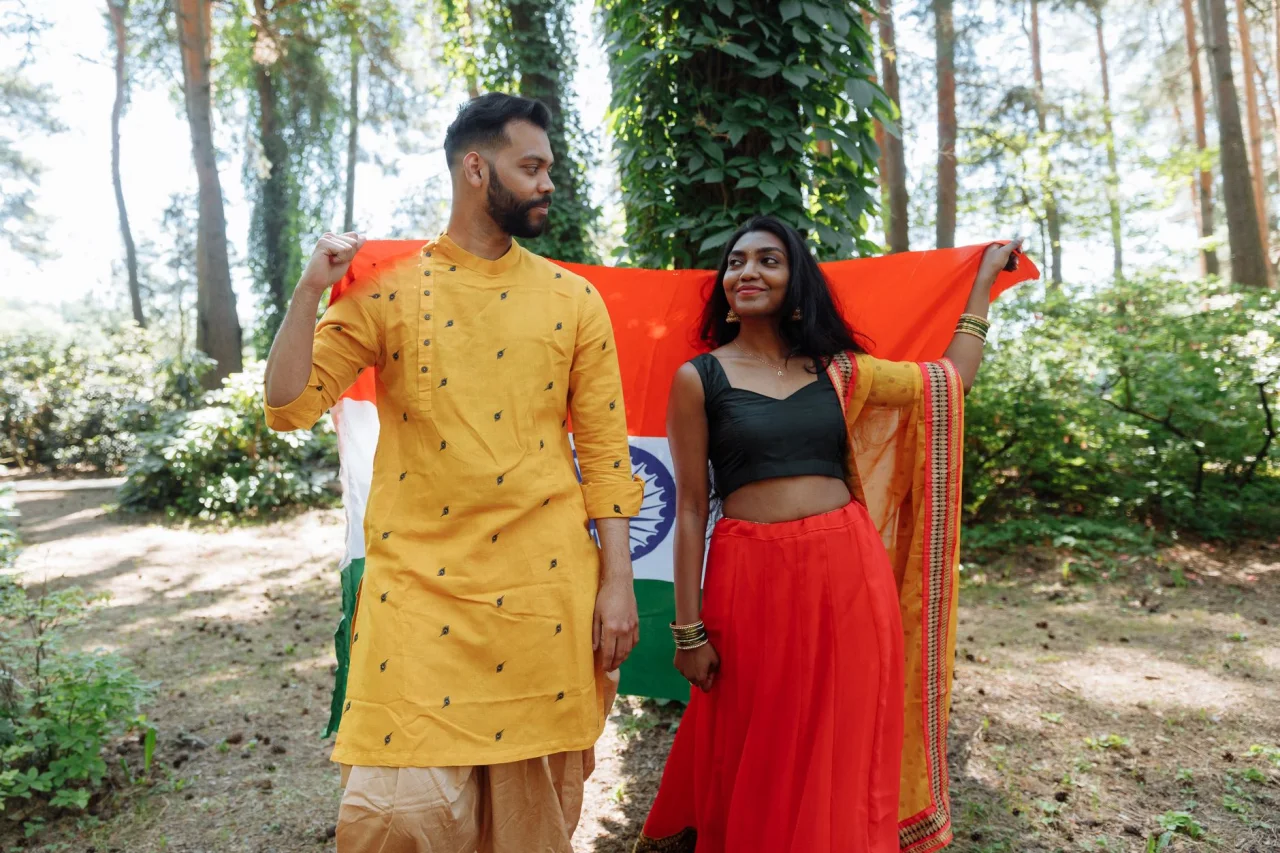
The A-line kurta is the desi wardrobe's easy win: fitted through the shoulders and bust, then flaring gently outward to the hem so it skims the body without clinging. It is forgiving, flattering and endlessly wearable. This guide explains what an A-line kurta is, where the silhouette comes from, who it suits, and how it compares with the straight, anarkali and angrakha cuts.
The short version
- An A-line kurta is narrow at the top and gradually widens toward the hem in the shape of a capital A.
- The gentle flare is more forgiving than a straight cut but far less voluminous than an anarkali.
- It suits almost every body type and works for daywear, office and semi-formal occasions.
- Pair it with leggings, churidar, cigarette pants or jeans depending on the mood you want.
What an A-line kurta actually is
A kurta is a loose collarless shirt or tunic worn across South Asia and now around the world, usually falling somewhere between above and below the knee. An A-line kurta simply refers to the shape of that tunic: fitted at the shoulders and bust and gradually widening toward the hem, giving the impression of the letter A. That soft flare distinguishes it from the straight-cut kurta, which falls in a near-vertical line.
The result is a silhouette that gives shape without tightness. Because the widest point is at the hem, the A-line skims over the hips and midsection, which is why it is such a popular everyday cut. It sits neatly between two extremes: it has more shape and movement than a plain straight kurta, yet none of the volume or formality of an anarkali. That middle ground is exactly what makes it so easy to reach for, whether you are heading to work, running errands or dressing up for a small gathering.
Where the A-line silhouette comes from
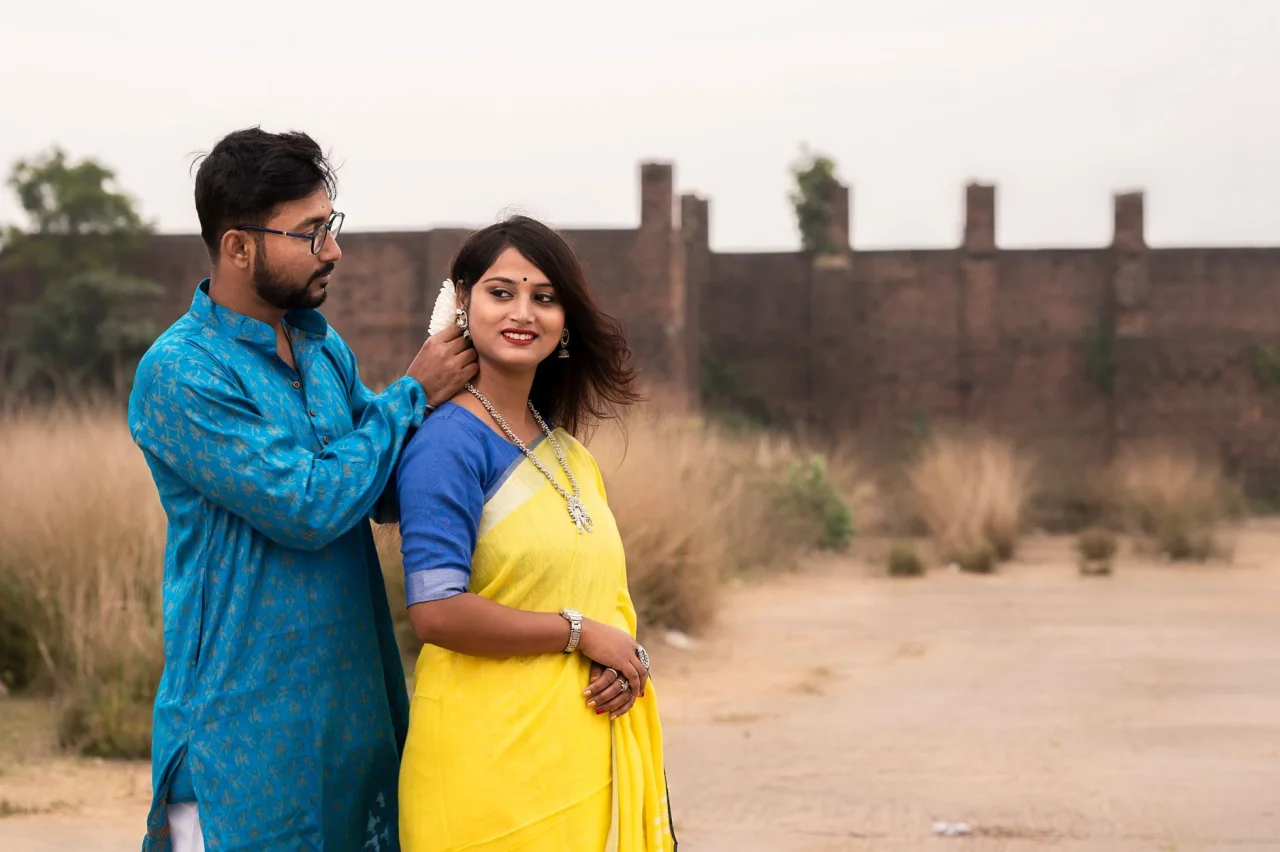
The kurta itself traces back to Central Asian tunics of the late-ancient and early-medieval period, and the word comes from the Urdu and Persian kurtah. The "A-line" description, however, is borrowed from Western fashion: the term was first used by the French couturier Christian Dior in his spring 1955 collection to describe garments fitted at the top that widen toward the hem. You can read the background on both the kurta and the A-line silhouette on Wikipedia.
In desi fashion, the A-line cut married that Western silhouette language to the traditional kurta, giving a tunic that feels both modern and rooted. For the broader garment, see our complete guide to the kurta.
A-line kurta vs kurti and other cuts
A few terms get used loosely, so here is how they line up.
- Kurta vs kurti: in modern usage a kurti is a shorter women's version of the kurta; an A-line can be either length. See what a kurti is.
- A-line vs straight: the A-line flares gently at the hem, while the straight cut falls in a vertical column.
- A-line vs anarkali: the anarkali is heavily gathered and floor-sweeping, whereas the A-line has a controlled, moderate flare.
- A-line vs angrakha: the angrakha is defined by an overlapping tie front rather than by its hem shape.
Who the A-line kurta suits

The A-line is often called the most universally flattering tunic shape, and there is good reason for that. The fitted upper half defines the smallest part of the torso, while the widening hem gently disguises whatever you would rather not emphasise. Because the eye is drawn to that clean triangular line, the silhouette tends to read as balanced on almost everyone, which is why it turns up again and again in ready to wear ranges.
- Pear and curvier frames: the flare glides over the hips, making this one of the most comfortable and flattering options.
- Apple frames: the fit-and-flare structure defines the shoulders while giving room through the middle.
- Petite frames: a knee-length A-line with a moderate flare keeps proportions balanced; avoid an overly wide hem.
- Tall frames: longer A-line kurtas carry the flare beautifully and can take bolder hem borders.
Styling note: The amount of flare matters. A subtle A-line is office and daywear friendly, while a wider, more dramatic flare edges toward festive territory. Match the flare to the occasion.
Fabrics that make an A-line work
The right cloth is what makes the flare fall well rather than stick out stiffly.
- Cotton and lawn: hold a crisp, structured A-line, ideal for daywear and warm weather.
- Rayon and viscose: give a soft, fluid flare that moves nicely.
- Georgette and chiffon: create a light, floaty A-line for dressier looks.
- Silk and raw silk: add body and sheen for festive and occasion wear.
If you want help matching fabric to climate and budget, our kurta buying guide covers fit, fabric and price in one place. As a rule of thumb, lighter cottons and lawns are the sensible choice for hot weather because they breathe and hold a crisp shape, while georgette, silk and blended fabrics come into their own for evenings and cooler months when a little more drape and sheen is welcome. Matching the weight of the cloth to both the season and the occasion is the single biggest factor in whether an A-line hangs beautifully or looks flat.
How to style an A-line kurta
The A-line is a genuine any-occasion piece, and styling comes down to what you pair below and how you accessorise.
- Everyday: a printed cotton A-line with leggings or churidar and flat sandals.
- Office: a solid or subtly worked A-line with cigarette pants and simple jewellery.
- Casual-modern: a shorter A-line kurti with jeans and juttis or sneakers.
- Festive: an embroidered silk or georgette A-line with a light dupatta and heels.
For a full set of looks and occasion pairings, see how to style a kurta for every occasion, then browse current A-line kurta designs.
Necklines, sleeves and details
The base silhouette stays the same, but small design choices change the character of an A-line kurta completely. Knowing the options helps you shop with intent.
- Necklines: round and V-necks are classic and universally flattering, boat and square necks feel modern, and keyhole or tie necks add a decorative focal point.
- Sleeves: three-quarter and full sleeves are the everyday standard, while bell and flared sleeves echo the hem and suit festive pieces.
- Hem finishes: a plain hem keeps things minimal, a contrast border defines the flare, and a high-low or panelled hem adds movement.
- Front details: a button placket, an angrakha-style overlap or a printed centre panel all draw the eye vertically and lengthen the frame.
The right combination of these details is what lets a single silhouette work for a quiet workday and a festive evening alike.
Occasions the A-line kurta covers
Part of the appeal is how far one shape stretches across a wardrobe. Depending on fabric and finishing, the same A-line silhouette can serve very different occasions.
- Daily and casual: printed cotton or rayon with leggings and flats.
- Work: a solid, subtly worked piece with cigarette pants and minimal jewellery.
- Festive and semi-formal: silk or georgette with embroidery, a wider flare and a light dupatta.
- Travel and everyday comfort: soft, wrinkle-resistant rayon that moves easily and packs well.
For a fuller set of outfit ideas across occasions, see our roundup of A-line kurta designs.
Caring for an A-line kurta
As always, follow the fabric first.
- Cotton, lawn and rayon: gentle machine or hand wash cool, and iron to keep the shape crisp.
- Georgette and chiffon: hand wash gently or dry clean, and dry flat away from direct sun.
- Embroidered and silk pieces: dry clean and store on padded hangers so the flare hangs cleanly.
Frequently asked questions
What is an A-line kurta?
An A-line kurta is a tunic that is fitted at the shoulders and bust and gradually widens toward the hem in the shape of a capital A. The gentle flare skims the hips and midsection, which makes it one of the most flattering and comfortable kurta shapes.
What is the difference between an A-line kurta and a straight kurta?
An A-line kurta flares outward toward the hem, while a straight kurta falls in a near-vertical column with little or no flare. The A-line is generally more forgiving over the hips, while the straight cut reads more tailored and minimal.
Is an A-line kurta good for a heavier body type?
Yes. Because the widest point is at the hem, the A-line skims over the hips and stomach rather than clinging, which many people find both comfortable and flattering. Choosing a soft, fluid fabric enhances that effect.
What do you wear under an A-line kurta?
Common pairings are leggings, churidar, cigarette pants, palazzos or jeans. Leggings and churidar keep it traditional and comfortable, cigarette pants read polished for the office, and jeans give a casual, modern look.
Can an A-line kurta be worn to festive occasions?
Yes. In silk, georgette or embroidered fabric with a wider flare and a light dupatta, an A-line kurta works well for festive and semi-formal events, while a plain cotton A-line stays firmly everyday.
More on Clothing Types
Have a question or a topic to suggest?
We read every message. Tell us what you would like to see next in the journal.
Get in touch