What Is a Kurta? The Complete Guide
The collarless South Asian tunic explained: origin, construction, fabrics, regional styles and kurti versus kameez.
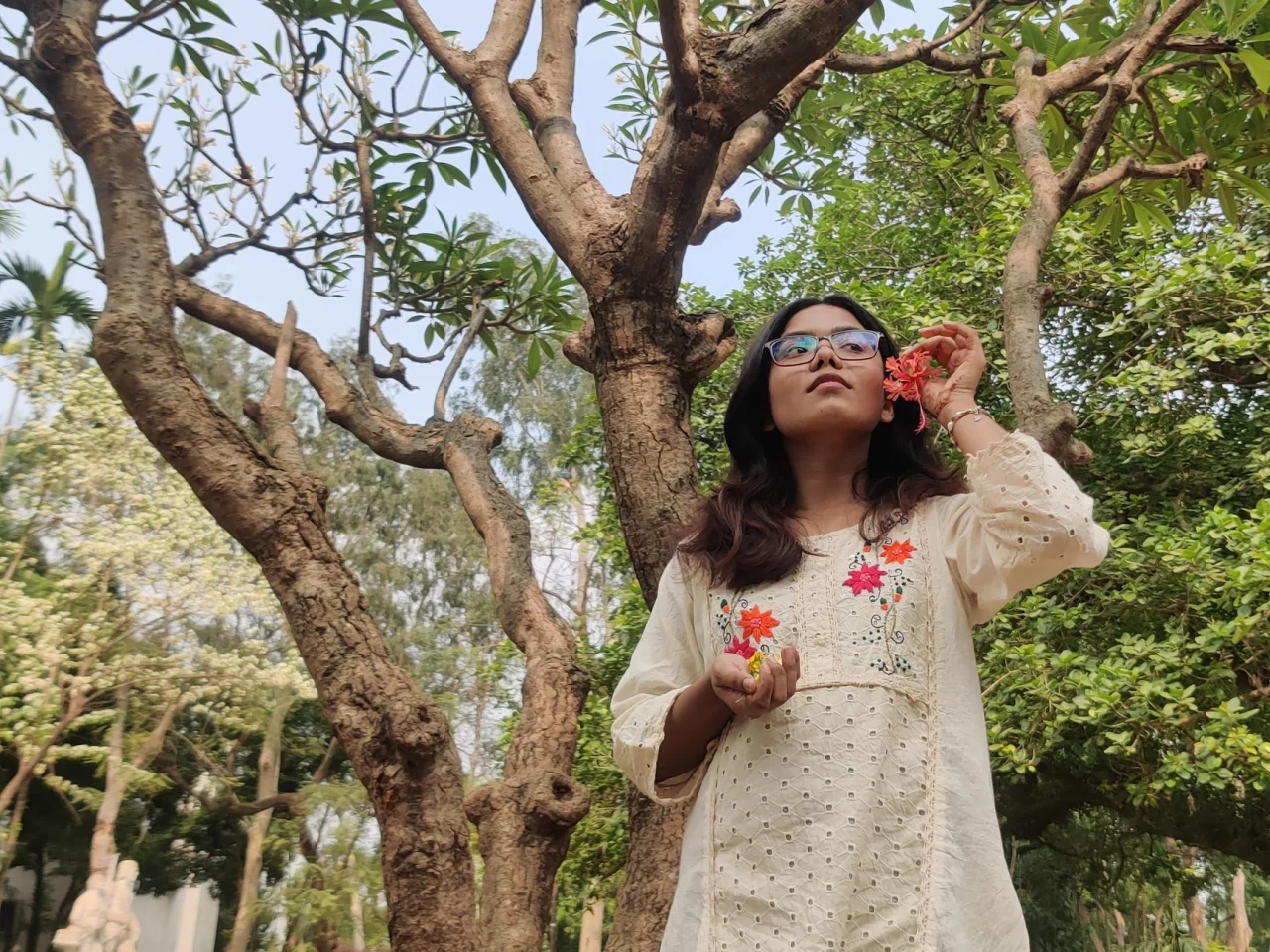
The kurta is one of the most recognisable garments in South Asian dress: a loose, collarless tunic worn by men and women, at home in both everyday and formal settings. It is comfortable, endlessly adaptable and steeped in centuries of history. This guide explains what a kurta is, where it came from, how it is built, and how it differs from the kurti and the kameez it is so often confused with.
The short version
- A kurta is a loose, collarless tunic worn across South Asia by men and women.
- It descends from Central Asian tunics and spread through the region over many centuries.
- Traditional kurtas have straight panels, side slits above the hem and a knee-length or longer cut.
- The kurti is its shorter, women's version; the kameez is its counterpart in the salwar kameez.
What a kurta actually is
A kurta is a loose collarless shirt or tunic worn in many regions of South Asia and now around the world. According to Wikipedia's entry on the kurta, it can be worn by both men and women as everyday or formal attire. The defining features are a straight, roomy cut, an absence of a collar in the traditional form, and side seams left open above the hem to allow movement.
Length is part of its identity: a traditional kurta typically falls to the knee or below, which distinguishes it from the shorter kurti. It is worn over trousers such as pyjamas, churidars or salwars for men, and over leggings, churidars or trousers for women. Its beauty is its range, since the same basic garment can be plain cotton for daily wear or richly embroidered silk for a wedding.
Where the word and garment come from
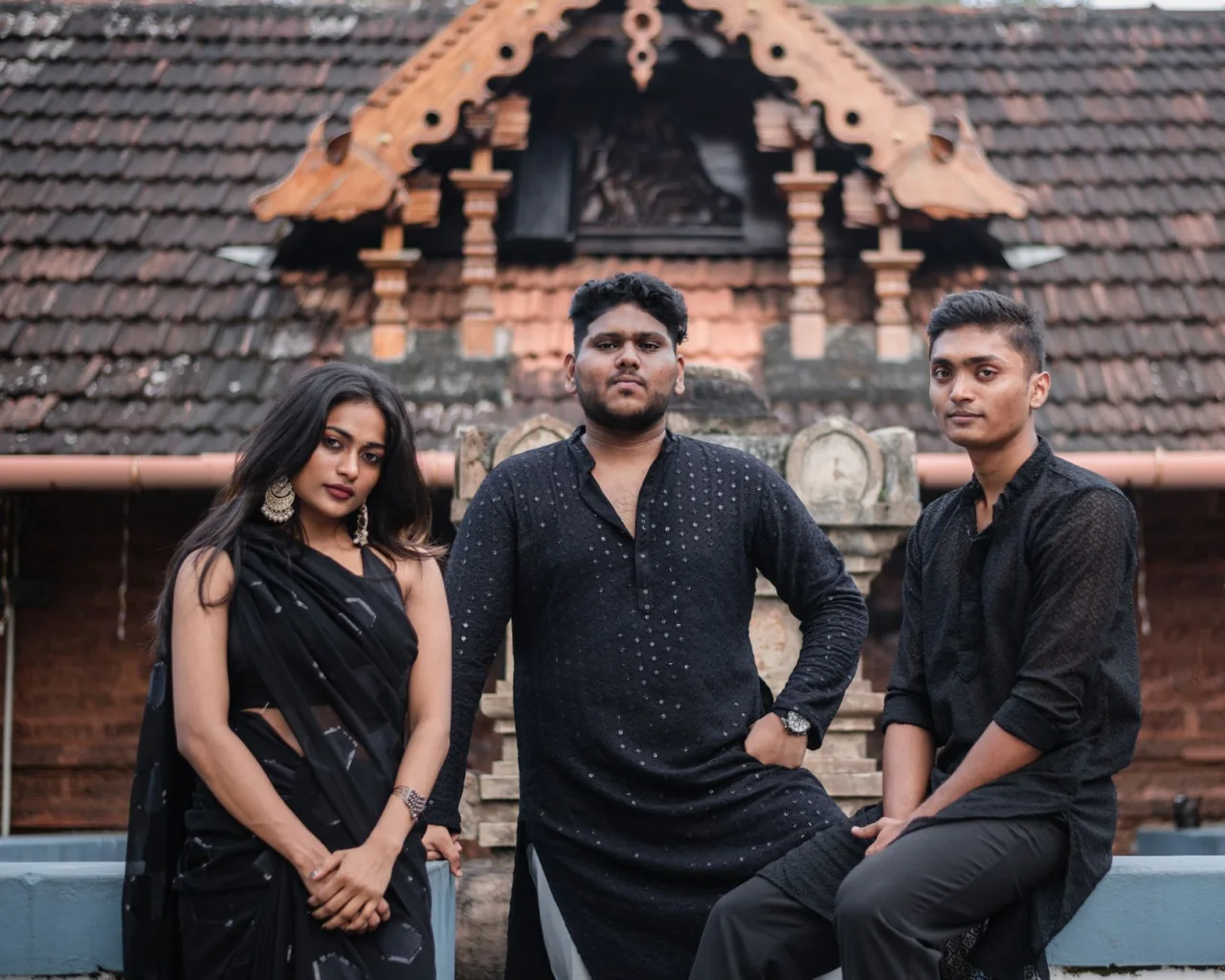
The term kurta derives from Urdu and Persian, referring to a tunic or shirt. The garment's roots trace back to Central Asian nomadic tunics from the late-ancient or early-medieval period. Stitched garments of this kind arrived in South Asia gradually, with adoption accelerating over the medieval era, and by the early modern period the kurta had become common attire across the region.
This long history is why the kurta carries so many regional identities today. It is not a single fixed design but a living tradition that each region shaped in its own way, adding distinct cuts, lengths and embroidery styles over generations.
How a traditional kurta is constructed
The classic kurta is a lesson in efficient, elegant tailoring. It is built from rectangular front and back panels that minimise fabric waste, a nod to its practical origins. Understanding the construction helps you judge quality when you shop.
- Straight panels: rectangular front and back pieces for a clean, economical cut.
- Side slits (chak): open side seams several inches above the hem that allow easy movement.
- Straight sleeves: traditionally falling to the wrist, unnarrowed.
- Collarless neckline: the classic form has no collar, though modern versions often add a standing or mandarin collar.
- Front or shoulder opening: fastened with ties or buttons.
Good to know: those side slits are not just decorative. They are the reason a long, straight tunic remains so easy to walk, sit and move in, which is central to why the kurta has stayed practical for centuries.
Fabrics and seasons
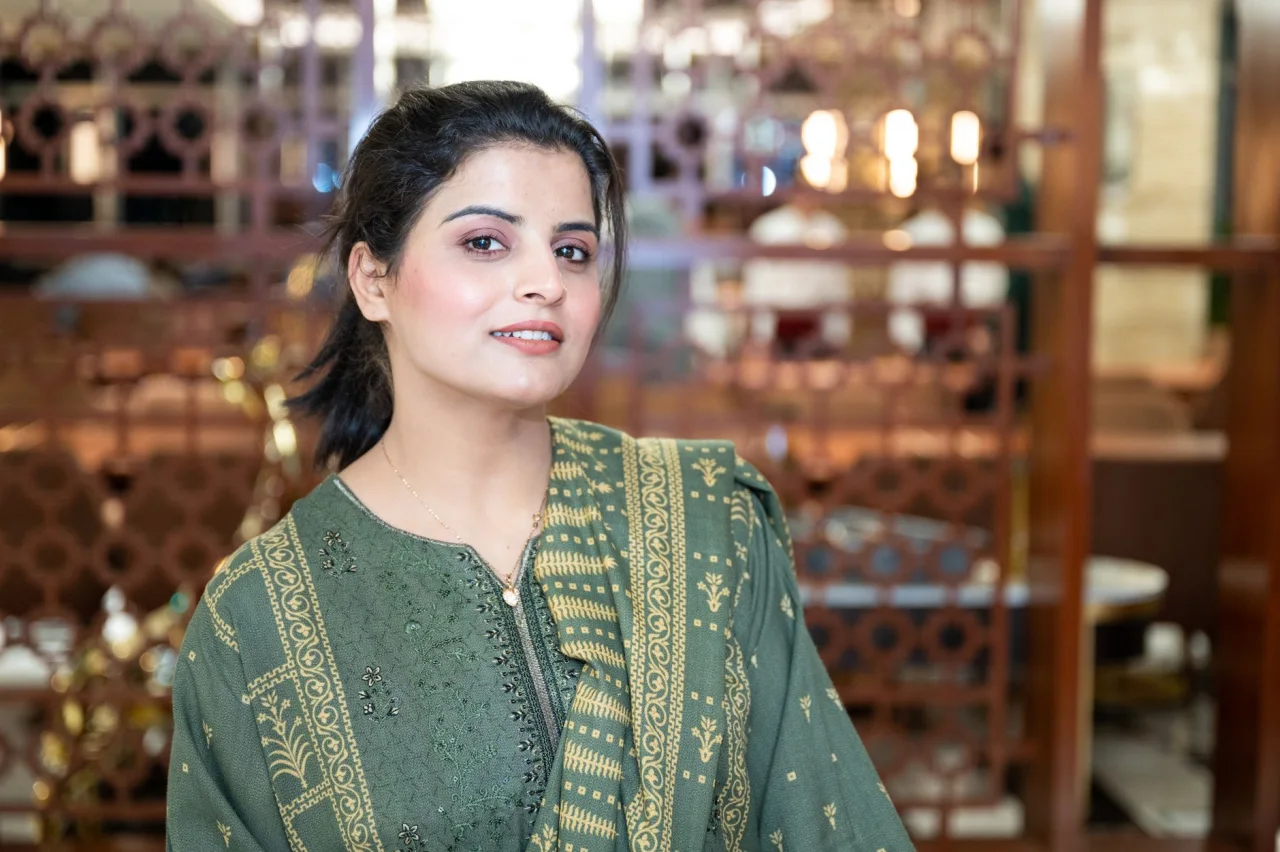
Kurtas are traditionally made from cotton or silk, with the fabric chosen to suit the weather. Thin cottons keep summer kurtas cool and breathable, while wool and handwoven khadi silk suit winter. Linen and linen-cotton blends work across seasons. For festive and formal kurtas, richer materials such as silk, brocade and velvet bring weight and shine, often paired with hand embroidery.
Surface work ranges from simple thread detailing to elaborate hand embroidery. Techniques such as chikankari, the fine embroidery associated with Lucknow, are especially prized on kurtas and lift a plain cotton piece into something refined. Fabric and work together decide whether a kurta reads casual or formal.
Regional styles of the kurta
One of the most rewarding things about the kurta is how much it changes from place to place. Each regional version carries its own silhouette and craft tradition.
- Lucknowi: famed for delicate chikankari hand embroidery, often white on white.
- Punjabi: typically a fuller, more relaxed cut suited to the region's dress.
- Hyderabadi and Bhopali: distinct local silhouettes and detailing traditions.
These variations mean the kurta is less a single garment than a family of related styles. Exploring them is a good way to understand South Asian dress more broadly, and to find the cut that suits you best.
Kurta, kurti and kameez: clearing up the confusion
These three words cause endless mix-ups, so here is the clear version. The kurta is the parent tunic, longer and worn by men and women. The kurti is its shorter, women's interpretation, usually hip to mid-thigh, which our guide to what a kurti is covers in full. The kameez is the tunic top of the salwar kameez, and as Wikipedia's overview of the shalwar kameez notes, the term is now loosely applied to collarless or mandarin-collared kurtas, which is exactly why the words overlap.
In practice: kurta means the standalone tunic, kurti means its shorter women's form, and kameez implies part of a coordinated suit with matching trousers and often a dupatta. A related idea is the kurta set, a coordinated top and bottom, which we cover in our guide to what a kurta set is.
How to wear and buy a kurta
For men, a kurta pairs with pyjamas, churidars or even jeans for a fusion look, and with a waistcoat or Nehru jacket for formal occasions. For women, it works over leggings, churidars, palazzos or trousers, with a dupatta added for festive dressing. Choose cotton for everyday comfort and richer fabrics for events. When buying, prioritise the shoulder fit and length, check that side slits and seams are neatly finished, and confirm the embroidery is well anchored. For styling ideas and design inspiration, see our guides on how to style a kurta and current kurta designs.
Styling note: a plain, well-fitted kurta in a solid colour is one of the most versatile pieces in any wardrobe. Dress it down with simple footwear for daytime, or add a jacket, better shoes and a crisp fabric to take it formal.
Frequently asked questions
What is the difference between a kurta and a kurti?
A kurta is the longer, collarless tunic worn by both men and women, traditionally reaching the knee or below. A kurti is its shorter version, usually hip to mid-thigh length, cut mainly for women and often worn with leggings or jeans. Length and typical wearer are the main differences.
Can women wear a kurta?
Yes. The kurta is worn by both men and women. Women wear kurtas over leggings, churidars, palazzos or trousers, and can add a dupatta for a more festive look. The shorter, specifically women's version is called a kurti.
What is a kurta traditionally made of?
Kurtas are traditionally made from cotton or silk. Thin cottons suit summer, while wool and handwoven khadi silk suit winter, and linen or linen-cotton blends work across seasons. Festive kurtas often use richer fabrics such as silk, brocade or velvet with embroidery.
Why does a kurta have slits on the sides?
The open side seams above the hem, called chak, allow easy movement in a long, straight tunic. They are a practical feature that lets you walk and sit comfortably, and they are part of the traditional kurta construction.
Is a kurta formal or casual?
It can be either, depending on the fabric and surface work. A plain cotton kurta is casual and suited to everyday wear, while a silk or embroidered kurta, sometimes paired with a jacket, is appropriate for festive and formal occasions.
More on Clothing Types
Have a question or a topic to suggest?
We read every message. Tell us what you would like to see next in the journal.
Get in touch