Kurta Designs: 20+ Ideas for 2026
Everyday to festive kurta ideas, grouped by occasion and budget.
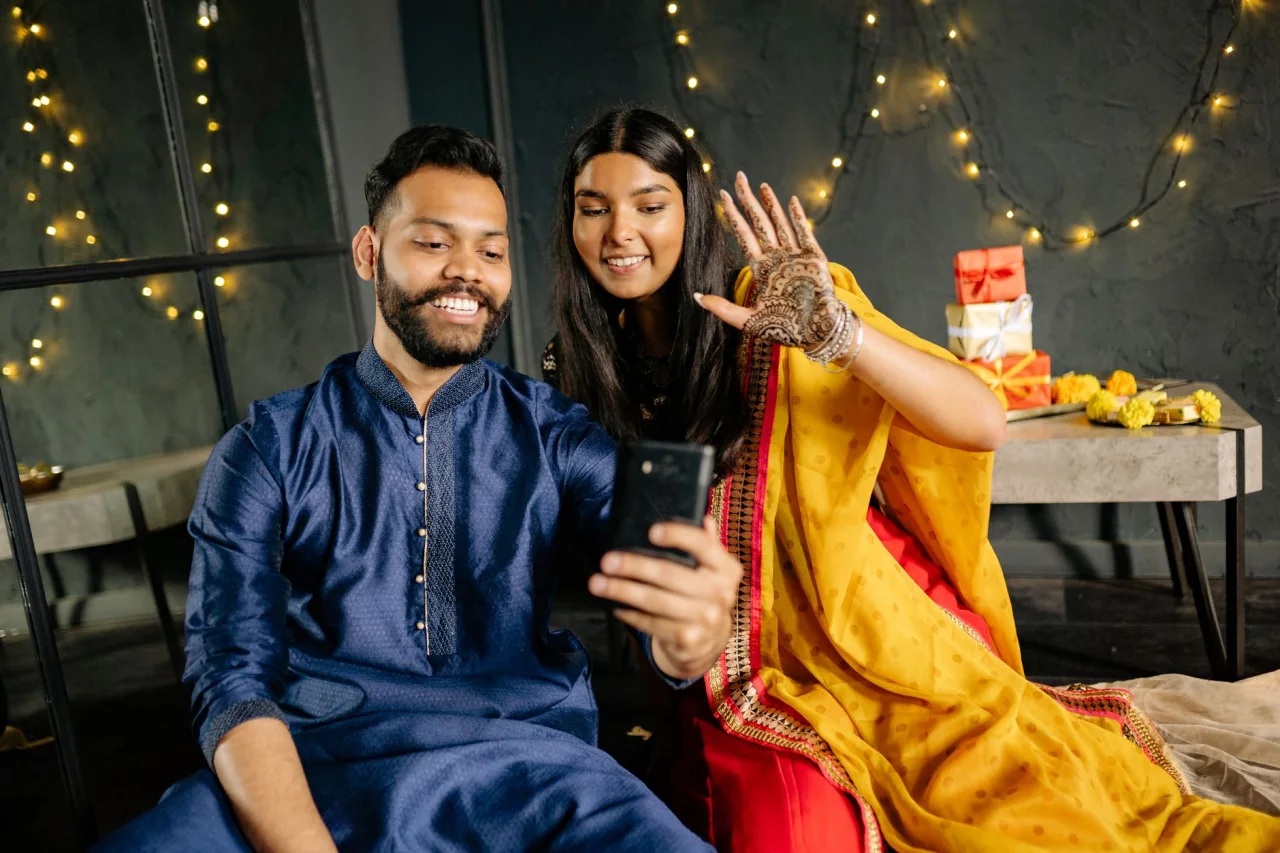
The kurta is the quiet workhorse of the South Asian wardrobe: one loose, collarless tunic that reads as casual, festive or formal depending on how it is cut and finished. This roundup gathers more than twenty kurta designs worth bookmarking for 2026, grouped by occasion and budget so you can find ideas you will actually wear rather than a leaderboard of hype.
The short version
- Silhouette drives everything: straight, A-line, angrakha and short kurtas each flatter different bodies and moods.
- For everyday wear, cotton and linen kurtas in solids and small prints stay comfortable and easy to repeat.
- For festive dressing, look to chikankari, thread work, mirror accents and tone-on-tone embroidery rather than heavy sparkle.
- Price tracks fabric, work and finishing more than any logo, so judge the stitching and cloth first.
How to read a kurta design
Before the ideas, a quick vocabulary check makes browsing easier. A kurta is a loose collarless tunic worn across South Asia, traditionally paired with churidar, pyjama or salwar, and now just as often with jeans and leggings. The design of any given kurta comes down to four levers: the silhouette (how it is cut), the fabric (how it hangs and breathes), the neckline (where the eye lands), and the surface work (print, embroidery or plain). Change any one of these and the same tunic can move from a college campus to a wedding mehndi.
If you are new to the garment, our explainer on what a kurta is covers the basics, and the shorter, women's-cut cousin is set out in what a kurti is. With that grounding, here are the designs trending for the year, honestly grouped rather than ranked.
Everyday and casual kurta designs
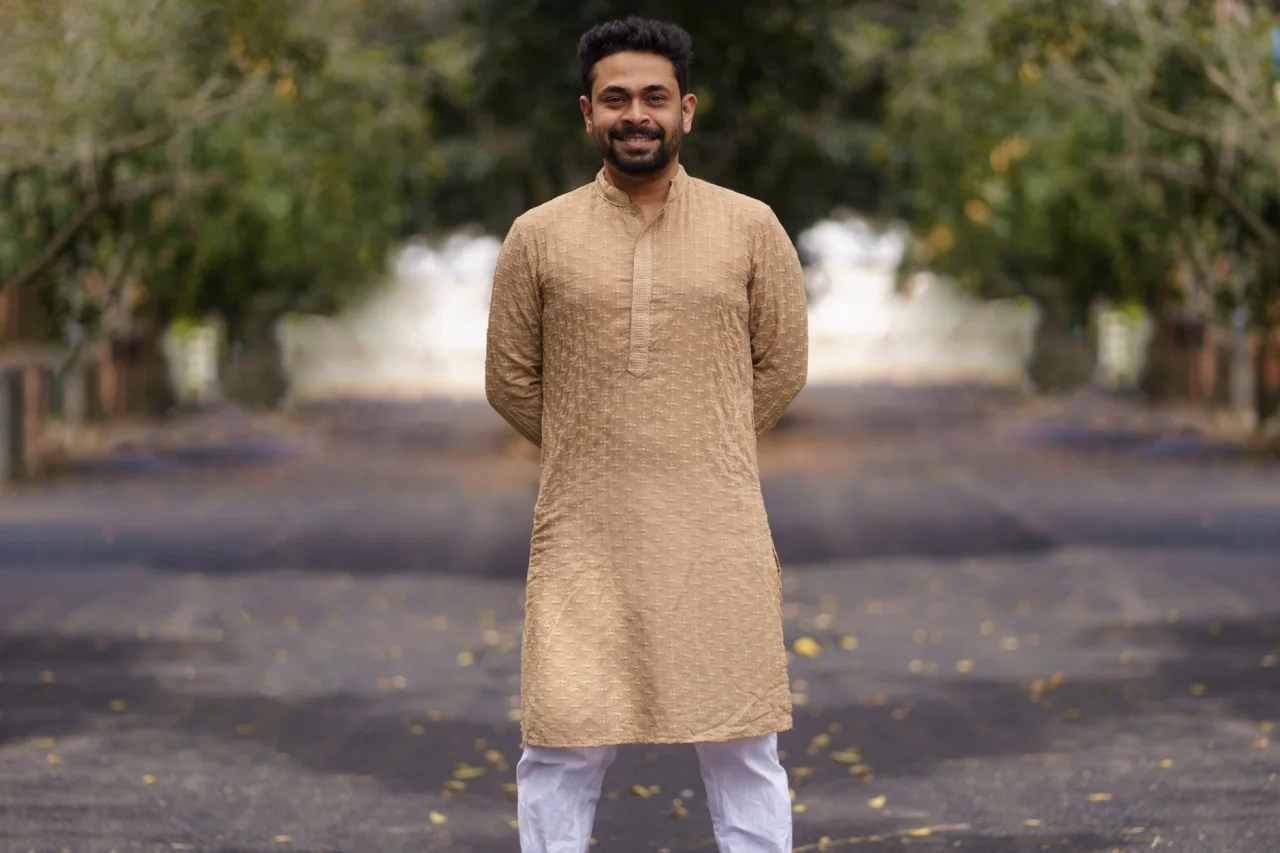
These are the tunics you reach for on a normal Tuesday. The brief is comfort first, with just enough detail to look put together.
- Straight cotton kurta in a solid colour: the most repeatable design of all, clean lines that pair with jeans, trousers or a churidar.
- Small all-over print: ditsy florals, geometric blocks or ikat-style motifs hide creases and travel well.
- Short kurta with side slits: hip to mid-thigh length that works over denim for a relaxed, modern read.
- Mandarin or band collar: a subtle structural detail that lifts a plain cotton kurta for the office.
- Chambray or linen shirt-kurta: a button placket and a softer drape for a smart-casual day.
Cotton and linen are the natural home for casual designs because they breathe and soften with every wash. If you want to understand why linen wrinkles the way it does and how to live with it, our guide to linen fabric is a useful companion.
Office and smart kurta designs
Workwear kurtas trade busy prints for structure and restraint. The goal is a tunic that looks intentional under a blazer or on its own.
- Tailored straight kurta with a placket: crisp shoulders and a clean front for a professional line.
- Tone-on-tone stripes or self-textured weave: pattern you feel more than see.
- A-line kurta in a muted solid: gentle flare that skims rather than clings, easy to sit and move in.
- Collared kurta-shirt with rolled sleeves: reads as a tunic or a long shirt depending on the trouser.
Styling note: For work, keep the surface quiet and let fit do the talking. A well-hemmed kurta that ends at the right point on your leg looks more expensive than a busier one that puddles or rides up.
Festive and occasion kurta designs
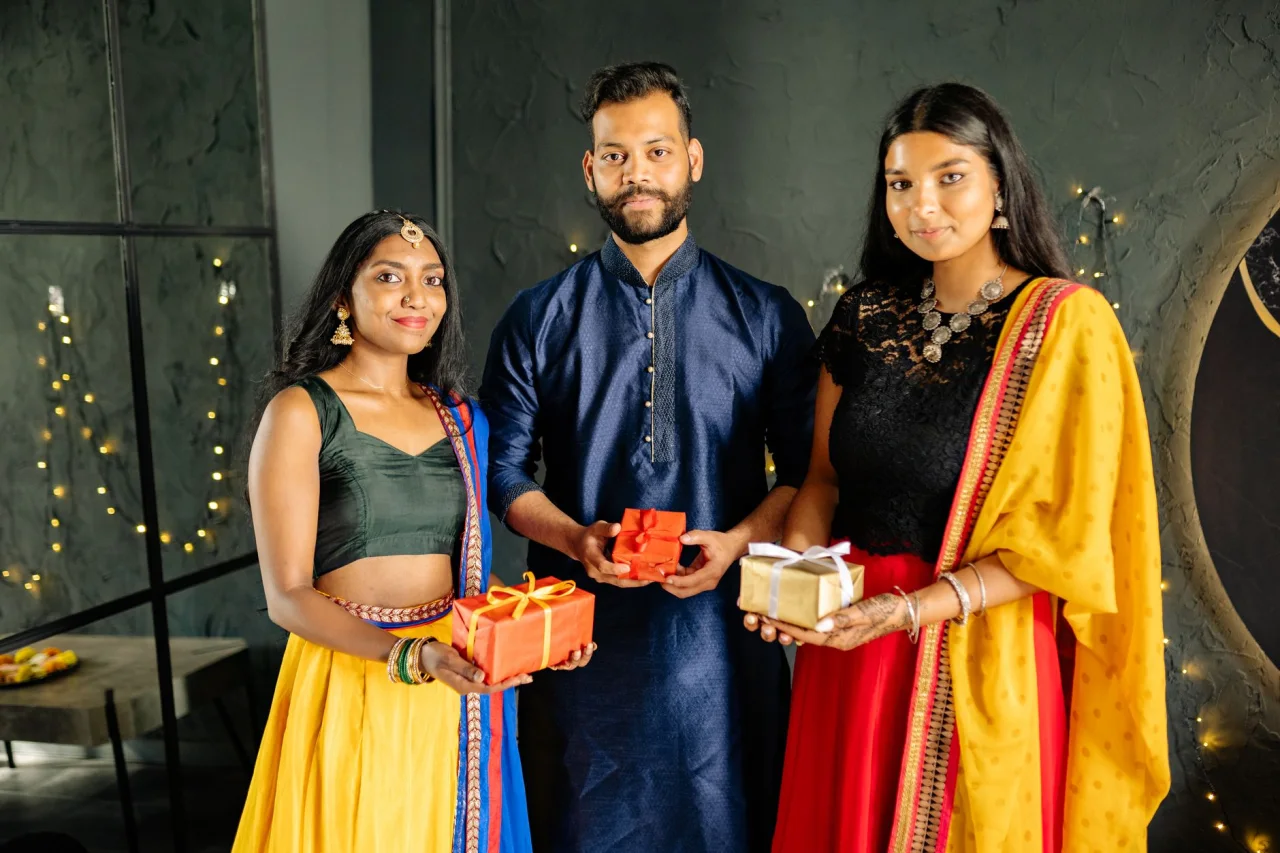
Festive kurtas are where embroidery earns its place. The trend for 2026 leans toward craft you can trace with a fingertip rather than flat, mass sparkle.
- Chikankari kurta: the fine white-on-white hand embroidery from Lucknow, airy and elegant for daytime events.
- Thread and resham work yokes: dense coloured embroidery concentrated at the neckline, leaving the body calm.
- Mirror-work panels: small shisha mirrors on cotton or georgette for a folk-inflected festive look.
- Angrakha-style kurta: the overlapping, tie-side front that nods to Mughal-era dress and photographs beautifully.
- Bandhani or block-printed festive kurta: traditional resist dyeing that feels celebratory without any beadwork at all.
Chikankari deserves a special mention because it is so often imitated. Genuine hand chikankari uses many distinct stitches and creates shadow and open-work effects that printed lookalikes cannot match; our piece on how to spot quality chikankari shows what to check. You can read more on the craft's Lucknow roots via the Wikipedia entry on chikan embroidery.
Designs by silhouette
If you shop by shape rather than occasion, these silhouettes cover almost every kurta you will meet.
- Straight: falls in a clean column, universally flattering and the easiest to layer.
- A-line: narrow at the shoulder and wider at the hem, softening the midsection.
- Angrakha: a crossover front tied at the side, elegant and distinctive.
- High-low or asymmetric: a shorter front and longer back for movement.
- Kaftan-kurta: a relaxed, wide cut for pure comfort dressing.
The A-line in particular is popular enough to have its own following; if it suits you, browse the dedicated A-line kurta designs for more.
Necklines and details that change a kurta
Two kurtas of the same cut can feel completely different because of the neckline. Watch for these:
- Round and boat necks: classic and easy, good for layering necklaces.
- V and keyhole necks: lengthen the frame and draw the eye up.
- Collared and Chinese-collar necks: structured and slightly formal.
- Placket and pintuck fronts: vertical detailing that adds height.
Tip: When a design looks busy, the neckline is usually doing the heavy lifting. If you want a quieter outfit, choose a plain body with an interesting neck rather than an all-over pattern.
Budget brackets, honestly
Kurta prices swing widely, and the number on the tag is driven by fabric, the amount and type of work, and finishing quality far more than by branding. As a rough, region-dependent guide: simple printed cotton kurtas sit at the affordable end, mid-range covers better cottons, linens and light machine embroidery, and the premium bracket is where hand embroidery, pure silk and designer tailoring live. These brackets vary by fabric, work and retailer, so always confirm current pricing before you buy. Heritage retailers such as Fabindia, founded in 1960 to sell garments handmade by rural Indian craftspeople, are a useful reference point for what considered, natural-fabric kurtas tend to cost.
Whatever your budget, the test is the same: check the evenness of the stitching, the density and finish of any embroidery, and whether the fabric feels good against skin. Our full kurta buying guide breaks down fit and fabric red flags in detail.
How to wear your chosen design
A design is only half the outfit. The same festive kurta can be dressed up with a churidar and juttis or down with straight trousers and flats. For a full walk-through of casual, office, festive and wedding looks, see how to style a kurta for every occasion. If you like the coordinated approach, a matching bottom and dupatta turns a single kurta into a kurta set, and the trending set designs have their own roundup.
Frequently asked questions
What kurta designs are popular for 2026?
Popular directions include clean straight and A-line cotton kurtas for everyday wear, tone-on-tone textures for the office, and craft-led festive pieces such as chikankari, thread-work yokes and angrakha silhouettes. The overall mood favours natural fabrics and traceable handwork over flat, mass-produced sparkle.
Which kurta design is best for daily wear?
A straight or A-line cotton kurta in a solid colour or small print is the most practical daily design. It breathes well, hides creases, pairs with almost any bottom, and moves easily from home to work to errands.
How can I tell if a festive kurta is good quality?
Check the fabric hand, the evenness of the stitching and the density and finish of any embroidery. Genuine hand chikankari shows fine, varied stitches and shadow effects, while printed imitations look flat and uniform. Loose threads, puckered seams and stiff, scratchy cloth are warning signs.
Does a higher price mean a better kurta?
Not automatically. Price is driven mostly by fabric, the type and amount of work, and finishing quality rather than branding alone. A well-made mid-range cotton kurta can outlast a pricier but poorly finished one, so judge the stitching and cloth before the tag.
What is the difference between a kurta and a kurti?
A kurta is the longer, traditionally unisex tunic. A kurti is a modern, usually shorter women's adaptation, often hip length. The design vocabulary of silhouettes, necklines and surface work is broadly shared between them.
More on Clothing Types
Have a question or a topic to suggest?
We read every message. Tell us what you would like to see next in the journal.
Get in touch