What Is Linen?
The cool, breathable flax fabric loved across seasons, from properties to the wrinkle question.
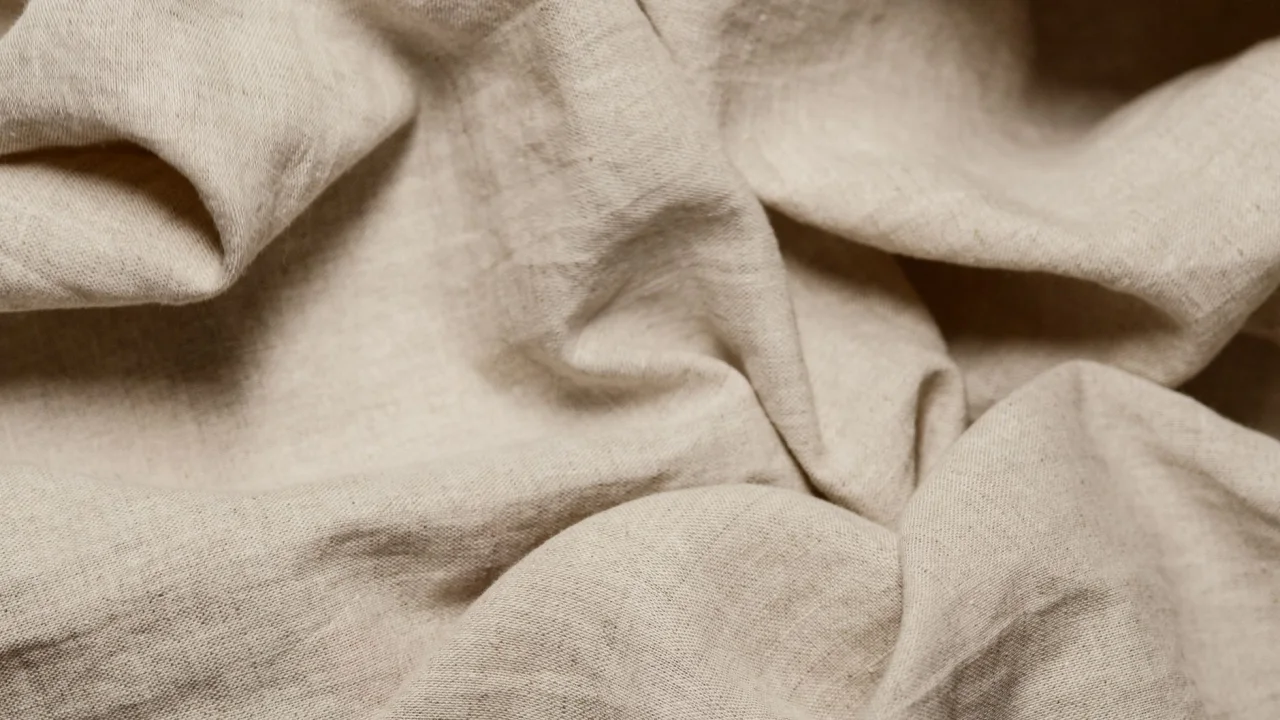
Linen is the quiet hero of a hot-weather wardrobe: cool, breathable, and effortlessly elegant, with a relaxed texture that only gets better with age. In desi fashion it has grown from a workwear staple into a favourite for winter suiting and refined everyday wear. This guide explains what linen really is, why it keeps you cool, where it fits in South Asian outfits, and exactly how to wash and care for it.
The short version
- Linen is a natural textile made from the bast fibres of the flax plant, one of the oldest fabrics humans have woven.
- It is very strong and absorbent, dries faster than cotton, and is comfortable to wear in hot weather.
- Its one famous quirk is wrinkling: linen has poor elasticity and creases easily, which many wearers embrace as part of its charm.
- It gets softer with every wash, so gentle laundering and careful drying keep it looking its best for years.
What linen actually is
Linen is a textile made from the bast fibres of the flax plant, Linum usitatissimum. The long fibres run inside the stalk of the plant and are separated, spun into yarn, and woven into cloth. Textiles made from flax are known in English as linen, and they have traditionally been used for everything from clothing to bed sheets and table linen.
It is also one of humanity's oldest fabrics. Dyed flax fibres found in a cave in the Caucasus suggest that woven linen from wild flax may date back tens of thousands of years, and ancient civilisations including Mesopotamia and Egypt used it extensively. That long heritage is part of why linen still reads as timeless and understated rather than trendy.
Why linen keeps you cool
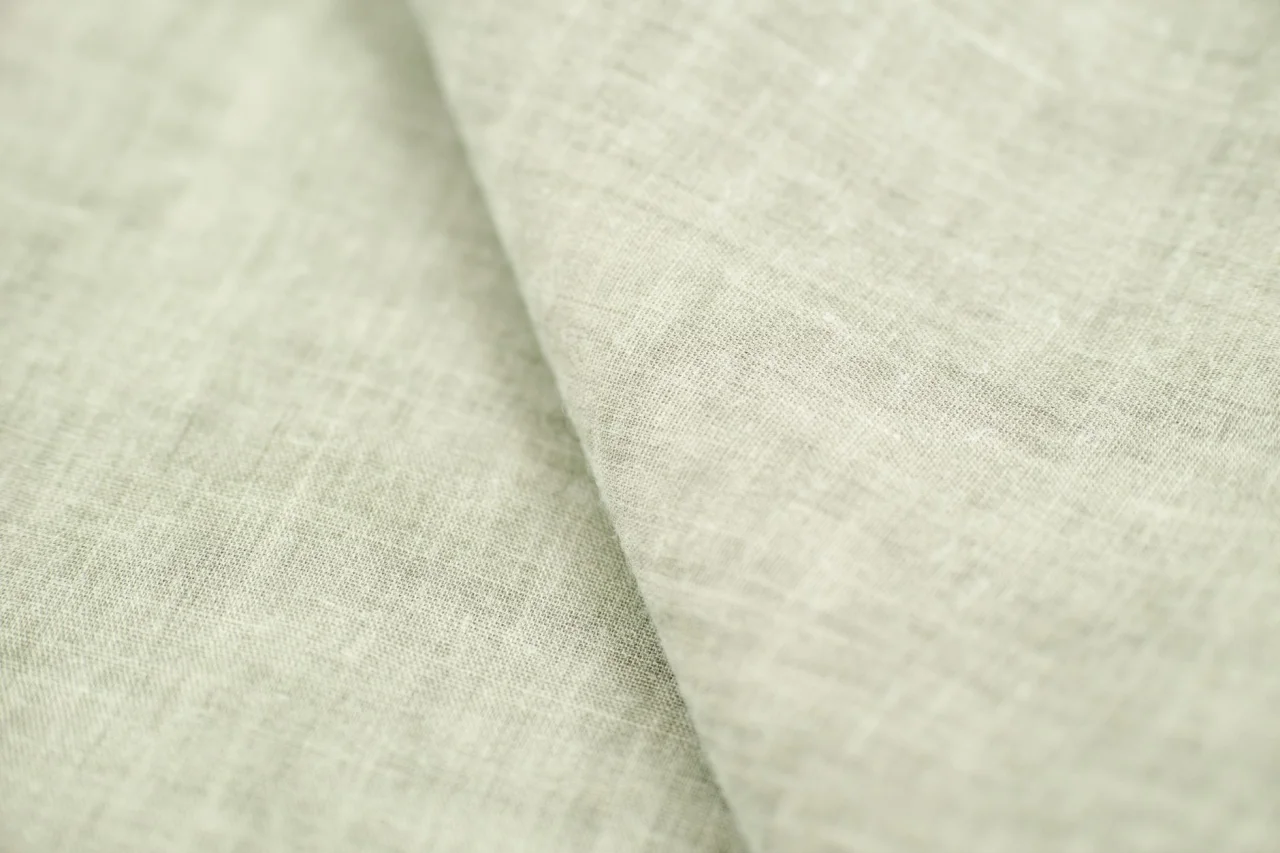
Linen's reputation as a summer fabric is fully earned by its properties. It is very strong and absorbent and dries faster than cotton, and because of those absorption properties, linen clothing is comfortable to wear in hot weather. It pulls moisture away from the skin, releases it quickly, and its naturally slightly open weave lets air move.
- Breathable. Air passes through easily, so it does not trap heat against the body.
- Absorbent and fast drying. It takes up moisture and releases it quickly, so it feels cool and dry rather than clammy.
- Strong. Linen can be up to three times stronger than cotton, thanks to its tightly bound cellulose fibres, so it wears well over time.
- Soft with age. It gets softer the more it is washed, so an older linen kurta often feels better than a new one.
The wrinkle question, honestly
Linen's one well-known drawback is creasing. It has poor elasticity, so it wrinkles easily and does not spring back the way stretchier fabrics do. There is no way around this that keeps the fabric pure linen; it is simply the nature of the fibre.
Two honest routes exist. The first is to embrace the relaxed, lived-in look, which is exactly how linen is worn in much of the world and which reads as effortless rather than untidy. The second is to choose a linen blend, often linen with a little cotton or viscose, which wrinkles less while keeping much of the coolness. Neither is wrong; it depends on how polished you want the finish to be.
Care caution
Do not iron a sharp permanent crease into pure linen and then leave it folded there for months. Constant creasing along the same line will tend to break the linen threads over time, so refold stored linen along different lines and avoid pressing hard folds into the same spot repeatedly.
Where linen is used in desi fashion
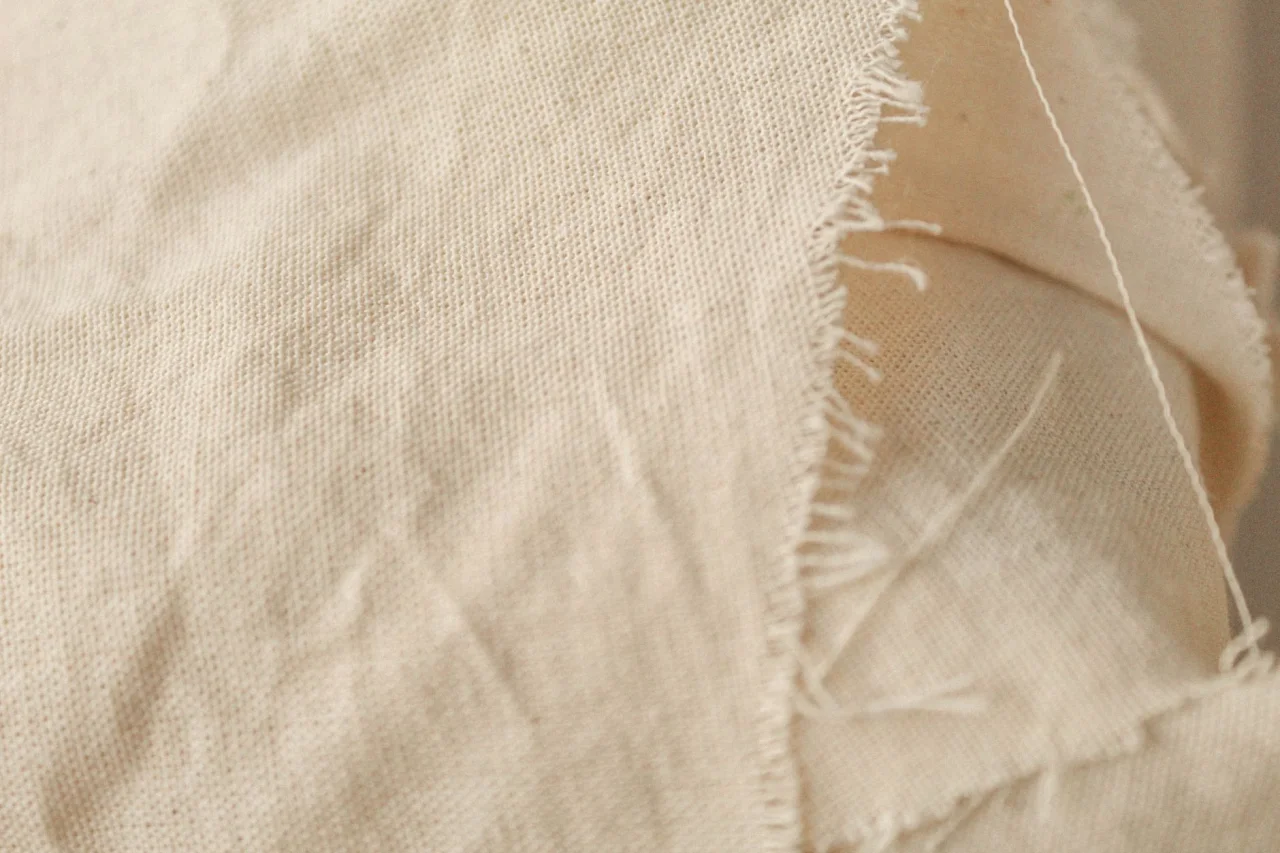
In South Asian wardrobes, linen has carved out a clear niche in refined, breathable everyday and seasonal wear rather than heavy festive pieces.
- Winter and mid-season suits. Linen suiting is popular for cooler months, offering warmth without bulk and a crisp, textured finish.
- Kurtas and shirts. A linen kurta is a relaxed, breathable staple for both men and women.
- Everyday salwar kameez. Linen gives a smart, structured drape to a salwar kameez for work and daywear.
- Office and smart-casual wear. Its understated texture suits professional settings; see our office wear guide.
- Subtle embroidery and prints, where thread work and block prints sit well on the matte, textured surface.
Is linen a summer or winter fabric?
Interestingly, both, which sometimes confuses shoppers. Pure lightweight linen is a classic hot-weather fabric because it breathes and wicks moisture. Yet in the desi market, heavier linen and linen-blend suiting is marketed heavily for winter, because the fabric's body and slight structure feel substantial and warm without the weight of wool. Read the weight, not just the word linen. For seasonal planning, see our guides to the best fabrics for Pakistani summers and the best fabrics for winter dresses.
Linen compared with its neighbours
Linen is often shortlisted against other breathable naturals. It is stronger and more textured than most cottons, cooler and crisper than many blends, and coarser than fine lawn. In the local market it is frequently compared with khaddar, a hand-spun textile that offers a similar rustic, breathable appeal. Our guides to what khaddar is and the head-to-head linen vs khaddar comparison help you choose between them.
How to wash and care for linen
Linen is forgiving and hard-wearing, which is part of its appeal, but a few habits keep it looking crisp and protect the fibres.
- Check the label first. Structured, embroidered, or tailored linen suiting is often safest dry cleaned to preserve the shape; plain linen usually washes well at home.
- Wash cool and gentle. Use cool or lukewarm water and a mild detergent, on a gentle cycle or by hand. Hot water can shrink and stress the fibres.
- Do not overload or wring hard. Give it room to move and avoid harsh twisting, which sets deep creases.
- Dry in the shade. Line dry away from harsh direct sun, which can weaken and fade the fabric. Reshape while damp.
- Iron while slightly damp. Linen presses best when a little damp, on a medium to high linen setting. If you prefer the relaxed look, simply hang it to shed the worst creases.
- Store loosely. Hang or loosely fold rather than crushing, and refold along different lines to avoid breaking the fibres along one crease.
Buying linen: what to look for
Linen quality and price vary a lot with fibre content, weave, and finishing, so treat any figure as a guide and confirm current pricing with the retailer. Pure linen sits above blends, and fine, evenly woven linen above coarse grades. A few checks help:
- Read the fibre content. Much retail linen is a blend; if you want the full coolness and character, look for a high linen percentage.
- Feel the hand. Good linen feels cool, dry, and substantial, with a natural, slightly irregular texture rather than a plasticky smoothness.
- Check the weave evenness. A consistent weave with only gentle natural slubs suggests quality; large flaws or thin patches do not.
- Expect some creasing. A little crush in the store is normal and honest for pure linen; a totally wrinkle-free fabric is usually a heavy blend.
Frequently asked questions
What is linen made from?
Linen is a natural textile made from the bast fibres of the flax plant, Linum usitatissimum. The long fibres inside the flax stalk are separated, spun into yarn, and woven into cloth. It is one of the oldest fabrics humans have made.
Why is linen so good for hot weather?
Linen is very strong and absorbent and dries faster than cotton, and because of those absorption properties it is comfortable to wear in hot weather. It pulls moisture from the skin, releases it quickly, and its slightly open weave lets air move, so it feels cool rather than clammy.
Why does linen wrinkle so much?
Linen has poor elasticity, so it wrinkles easily and does not spring back like stretchier fabrics. This is a natural property of the flax fibre. Many people embrace the relaxed, lived-in look, while others choose a linen blend, which creases less while keeping much of the coolness.
How do I wash linen without ruining it?
Wash plain linen in cool or lukewarm water with a mild detergent on a gentle cycle, avoid hot water and harsh wringing, and dry in the shade. Iron while slightly damp on a linen setting, or hang it for a relaxed look. Tailored or embroidered linen is often safest dry cleaned.
Is linen a summer or winter fabric?
Both, depending on weight. Lightweight pure linen is a classic hot-weather fabric because it breathes and wicks moisture, while heavier linen and linen-blend suiting is popular for winter because it feels substantial and warm without bulk. Judge the weight rather than the word linen alone.
Sources: Wikipedia: Linen and Wikipedia: Flax.
More on Fabrics
Have a question or a topic to suggest?
We read every message. Tell us what you would like to see next in the journal.
Get in touch