What Is Khaddar?
The warm, textured winter cotton behind Pakistan's cold-season suits, from heritage to care.
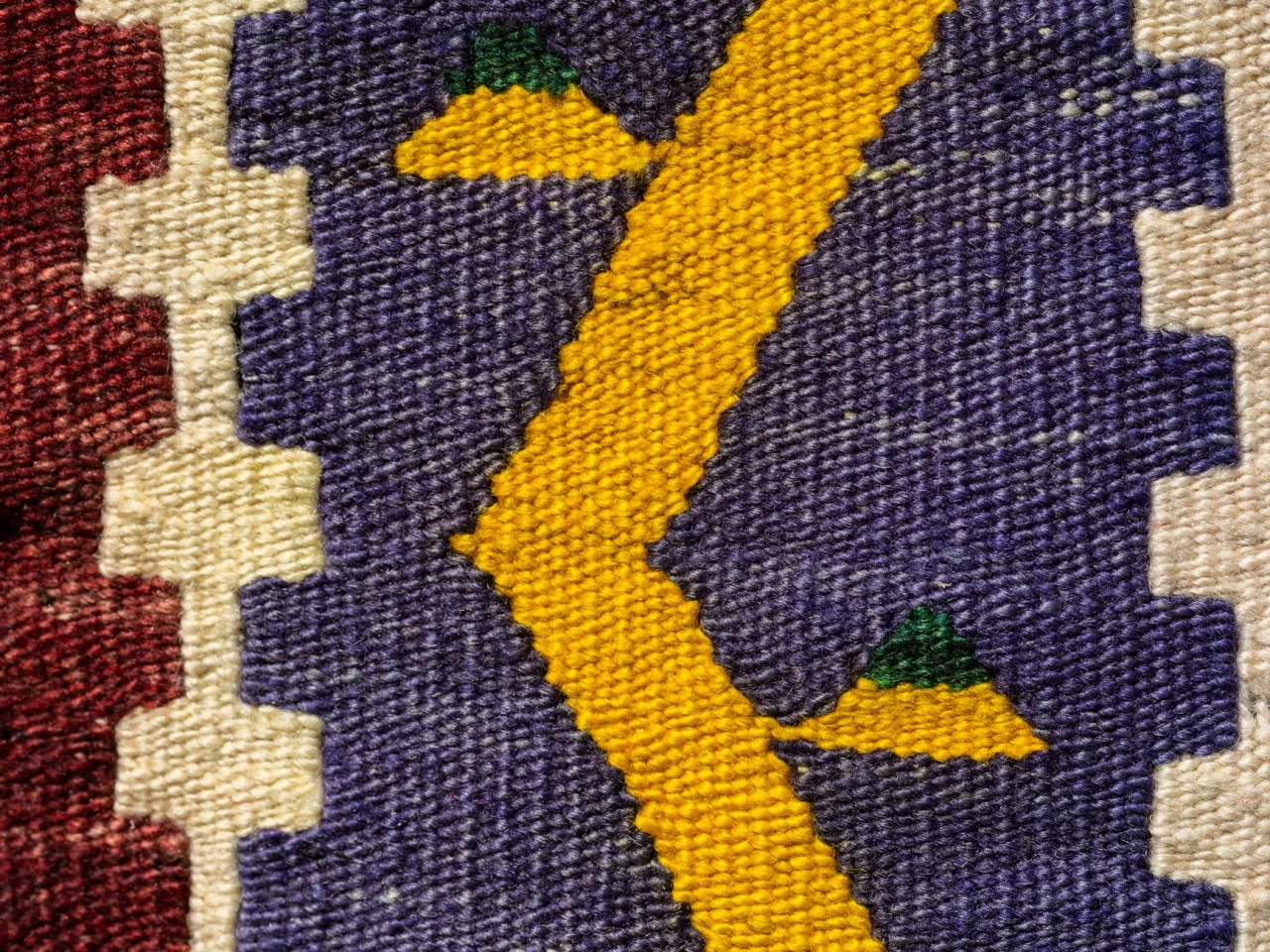
Khaddar is the fabric that gets South Asia through its cooler months in comfort. In today's Pakistani wardrobe it means a warm, textured cotton weave that turns up in winter suit collections every year. Its story, though, reaches back to hand-spun khadi and the freedom movement. This guide explains what khaddar is, how it behaves, where it belongs and how to care for it so it lasts.
The short version
- In modern Pakistani fashion, khaddar is a warm, slightly coarse cotton weave used mainly for autumn and winter suits.
- The word shares its root with khadi, the hand-spun, hand-woven cloth linked to Gandhi and the Swadeshi movement.
- It is prized for warmth, breathability and a natural, matte texture that carries embroidery and prints well.
- Wash cool, dry in shade and store folded. Good khaddar softens and wears in beautifully over several seasons.
What khaddar actually is
In everyday Pakistani usage, khaddar refers to a mid-to-heavyweight cotton fabric with a noticeably textured, hand-woven look. It has more body and warmth than fine summer cottons, which is why brands release khaddar ranges as the temperature drops. The surface is matte and slightly uneven, giving it a natural, artisanal character rather than the smooth flatness of a lawn or poplin.
It helps to separate two related ideas. Traditionally, khadi (also spelled khaddar) is a hand-spun and hand-woven natural fibre cloth, usually cotton and sometimes silk or wool. Modern commercial khaddar sold for winter suiting is generally a woven cotton produced at scale, chosen for the same warm, breathable, textured qualities rather than for being strictly hand-spun. Both share the same instinct: a natural, honest cloth that keeps you comfortable. Knowing the difference keeps your expectations, and your budget, realistic.
A short, honest history
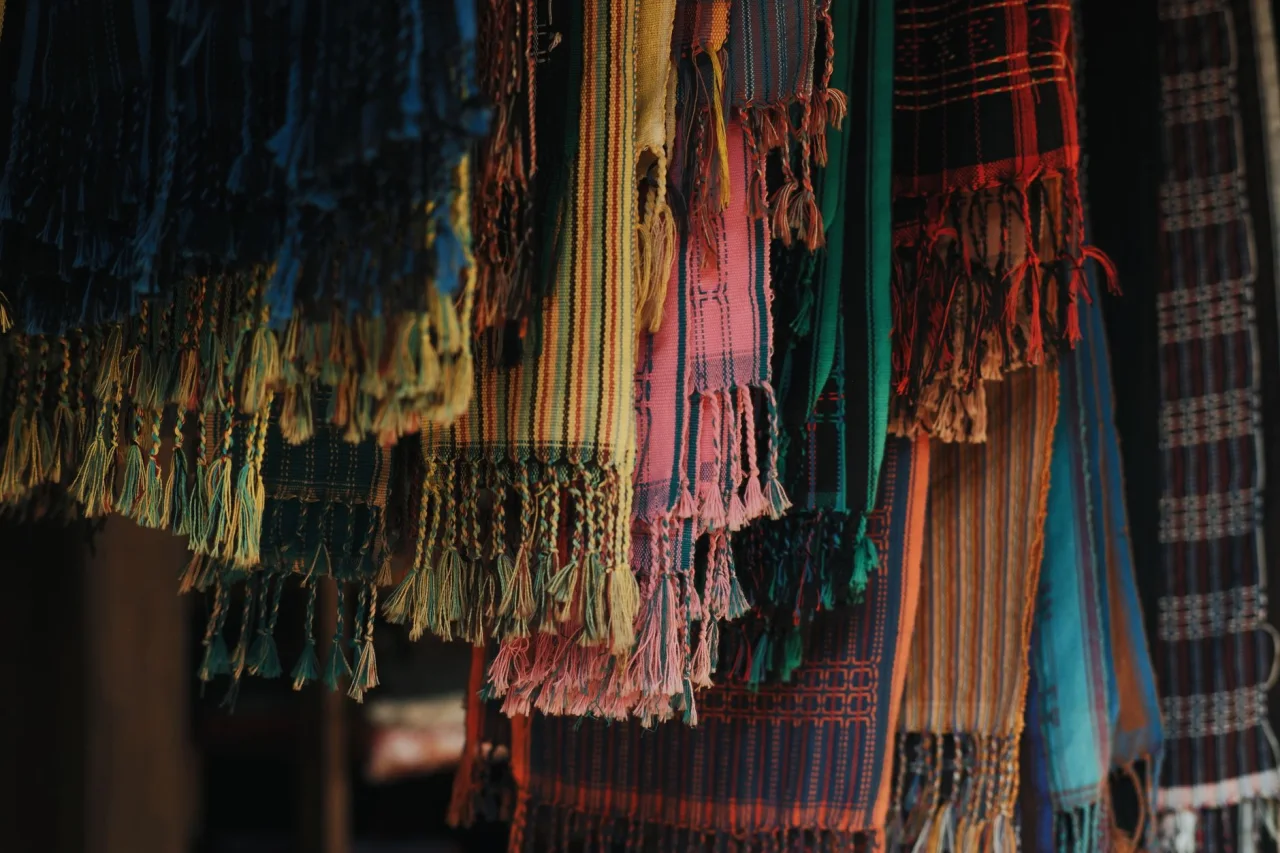
The heritage behind the name is genuinely significant. According to Wikipedia's overview of khadi, khadi is a hand-spun and woven natural fibre cloth, most often cotton, that stays cool in summer and warm in winter. Fibres are spun into yarn on a charkha, or spinning wheel, before being woven by hand.
Its place in history comes from the independence era. As the same source and the record of the Swadeshi movement describe, Gandhi promoted khadi from 1918 as a symbol of self-reliance against imported British cloth, organising spinning centres and encouraging Indians to make their own fabric. That legacy is why khadi still carries meaning across South Asia. Contemporary Pakistani khaddar borrows the name and the natural, warm character, while operating as a seasonal fashion fabric rather than a political statement. We say this plainly so no one confuses a modern winter suit with hand-spun heritage khadi.
The properties that make khaddar a winter staple
Khaddar earns its place in cold-weather wardrobes because of a specific set of qualities:
- Warmth with breathability: as a denser cotton weave it traps a little more air than fine cottons, keeping you warm without the clamminess of synthetics.
- Natural texture: the slightly slubby, matte surface looks rich and grounds embroidery and prints beautifully.
- Good body and drape: it has enough weight to hold a clean shape, so suits hang well and feel substantial.
- Skin-friendly comfort: being cotton-based, it is soft against skin and suits sensitive wearers.
- Durability: a well-made khaddar takes regular wear and softens pleasingly with time.
The trade-off is seasonality. Khaddar is too warm for peak summer heat, where a light lawn or linen is far more comfortable. It also creases like most natural cottons and can feel a touch stiff before its first few washes.
Buying tip: check the weight and weave
Run the cloth through your hand. Quality khaddar feels substantial and evenly woven with a soft, matte surface, not thin or papery. Hold it to the light to check the weave is dense and consistent. A heavier, tighter khaddar keeps you warmer and generally lasts longer, which matters most for winter suiting you will wear on repeat.
What khaddar is used for
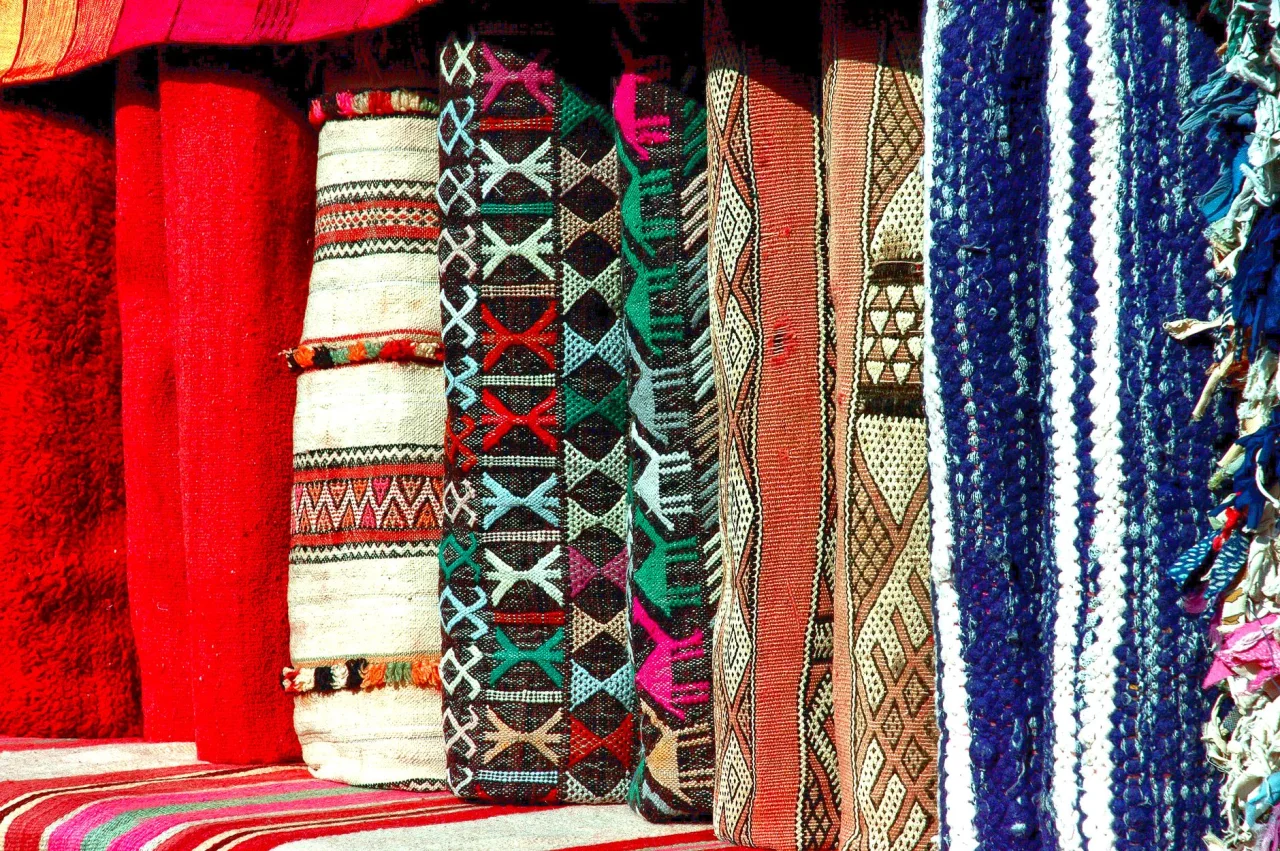
Khaddar is above all a suiting fabric, and it appears across the winter wardrobe:
- Everyday winter suits: the classic three-piece khaddar suit of shirt, trousers and dupatta is a cold-season workhorse.
- Kurtas and straight shirts: its body suits clean, straight silhouettes for daily and office wear.
- Embroidered and printed collections: brands release both digital-printed and embroidered khaddar ranges each winter.
- Menswear kurtas and waistcoats: the warm, textured cloth works for men's winter kurta suiting too.
- Shawls and layering pieces: heavier khaddar is used for warm dupattas and wraps.
For most buyers, the sweet spot is a printed or lightly embroidered khaddar suit that carries you through work, university and family visits all winter. To see how to build looks from it, our companion piece on khaddar outfits and styling breaks down silhouettes and occasions.
How khaddar compares to other winter fabrics
Khaddar sits in a useful middle ground: warmer and more textured than summer cottons, but more casual and breathable than heavy party fabrics. Against velvet, khaddar is a daytime, everyday cloth while velvet is a plush, formal, evening fabric. Against linen, khaddar is the warmer, winter-leaning option while linen is lighter and summer-leaning, a contrast we unpack in linen versus khaddar. If you are planning a full cold-weather capsule, our roundup of the best fabrics for winter dresses shows where khaddar fits alongside karandi, wool blends and velvet.
How to care for khaddar
Khaddar is low-maintenance if you treat it like the good cotton it is:
- Wash cool and gentle: use cold or lukewarm water on a mild cycle, or hand wash embroidered pieces. Turn suits inside out to protect surface work.
- Separate first washes: deep-dyed khaddar can bleed initially, so wash new pieces separately and avoid soaking dark colours.
- Skip harsh bleach: it weakens fibres and dulls colour over time.
- Dry in shade: line dry away from direct sun to protect the dye and prevent stiffness.
- Iron medium-hot: press while slightly damp for a smooth finish, taking care around any embroidery.
- Store folded: keep suits folded or on padded hangers so the shoulders and weave stay in shape.
Handled this way, khaddar softens with each wash and often looks better in its second season than its first.
Styling note: let texture carry the outfit
Because khaddar already has a rich surface, you do not need much to make it look considered. A tonal shawl, oxidised silver or a simple embroidered border is enough. Keep accessories warm and matte to suit the cosy, daytime mood, and save your high-shine jewellery for silk and organza evenings.
Is khaddar right for you?
Choose khaddar if you want comfortable, breathable warmth for autumn and winter, love natural textures over glossy synthetics, and want a fabric that carries prints and light embroidery well without a formal price tag. Look elsewhere if you need a peak-summer fabric, where lawn and linen win, or a heavy evening fabric for weddings, where silk and velvet are stronger choices. For year-round versatility across seasons, it is worth reading the wider Fabrics library, starting with how khaddar plays against a classic shalwar kameez silhouette.
Frequently asked questions
Is khaddar the same as khadi?
They share a root and a name, but in practice they differ. Traditional khadi is a hand-spun and hand-woven natural fibre cloth linked to the Swadeshi movement and Gandhi. Modern Pakistani khaddar is usually a woven cotton produced at scale for warm, textured winter suiting. Both value natural comfort, but only heritage khadi is strictly hand-spun.
Is khaddar a summer or winter fabric?
Khaddar is mainly a winter fabric. Its denser cotton weave holds a little more warmth than fine summer cottons, which is why brands release khaddar collections as the weather cools. For hot, humid summers, lighter fabrics like lawn or linen are far more comfortable.
Does khaddar shrink or bleed?
New, deeply dyed khaddar can bleed a little and may shrink slightly on the first wash, like many natural cottons. Wash new pieces separately in cool water, avoid soaking dark colours, and dry in shade. After the first wash or two it settles down and becomes more stable.
Can khaddar be embroidered?
Yes. Its matte, textured surface and good body make it an excellent base for both thread embroidery and prints, which is why embroidered khaddar suits are a winter staple. Keep very heavy metallic work in proportion so the cloth is not overloaded.
How do I know if khaddar is good quality?
Feel the weight and check the weave. Quality khaddar feels substantial and evenly woven with a soft, matte surface, not thin or papery. Held to the light, the weave should look dense and consistent. A heavier, tighter khaddar is generally warmer and longer lasting.
More on Fabrics
Have a question or a topic to suggest?
We read every message. Tell us what you would like to see next in the journal.
Get in touch