What Is Lawn Fabric?
The fine cotton weave behind the Pakistani summer wardrobe: properties, uses and care.
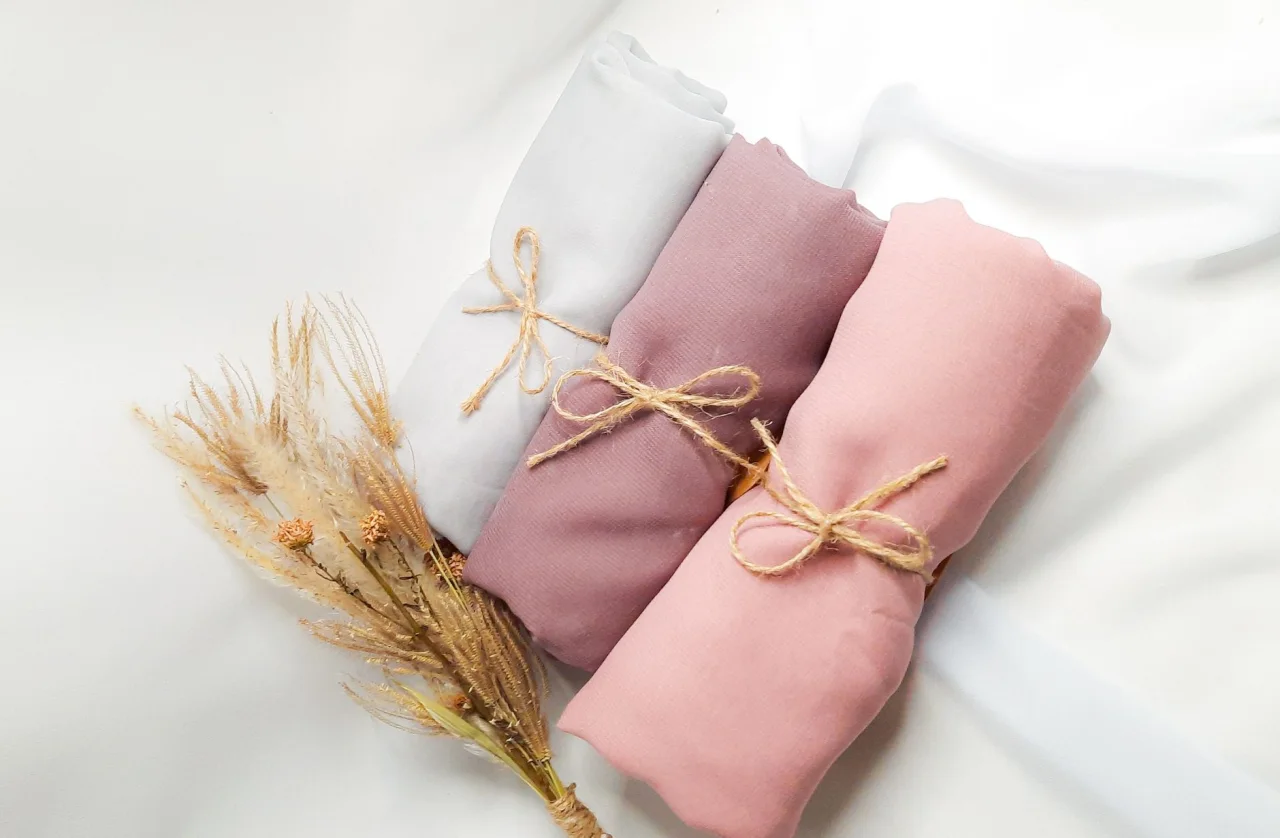
Lawn is the fabric that defines the South Asian summer wardrobe. Light, breathable and endlessly printable, it is the cloth behind the annual lawn collections that Pakistani households wait for every year. This guide explains exactly what lawn fabric is, how it is woven, why it stays cool, where it shines in Pakistani wear, and how to wash and store it so it lasts season after season.
The short version
- Lawn is a fine, lightweight, plain-weave fabric made from tightly spun combed cotton (historically linen).
- Its high thread count and smooth yarns give it a silky, breathable feel that suits hot climates.
- It is the backbone of Pakistani summer suits, printed and embroidered into three-piece sets.
- It creases easily and prints can fade, so gentle washing and drying in shade keep it looking new.
What lawn fabric is
Lawn is a fine, plain-weave textile made from combed cotton, according to Wikipedia's entry on lawn cloth. Historically the term referred to linen fabrics, and linen lawn is still sometimes called handkerchief linen. Today, when people say "lawn" in a South Asian fashion context, they almost always mean the fine cotton version.
The name comes from Laon, a city in France that historically produced linen lawn. Over time the cloth travelled and evolved, and the cotton version became enormously popular in South Asia, where its lightness suits the climate. Lawn belongs to the same broad family as batiste, nainsook and cambric, all fine plain-weave cottons distinguished mainly by finish and thread fineness.
How lawn is woven
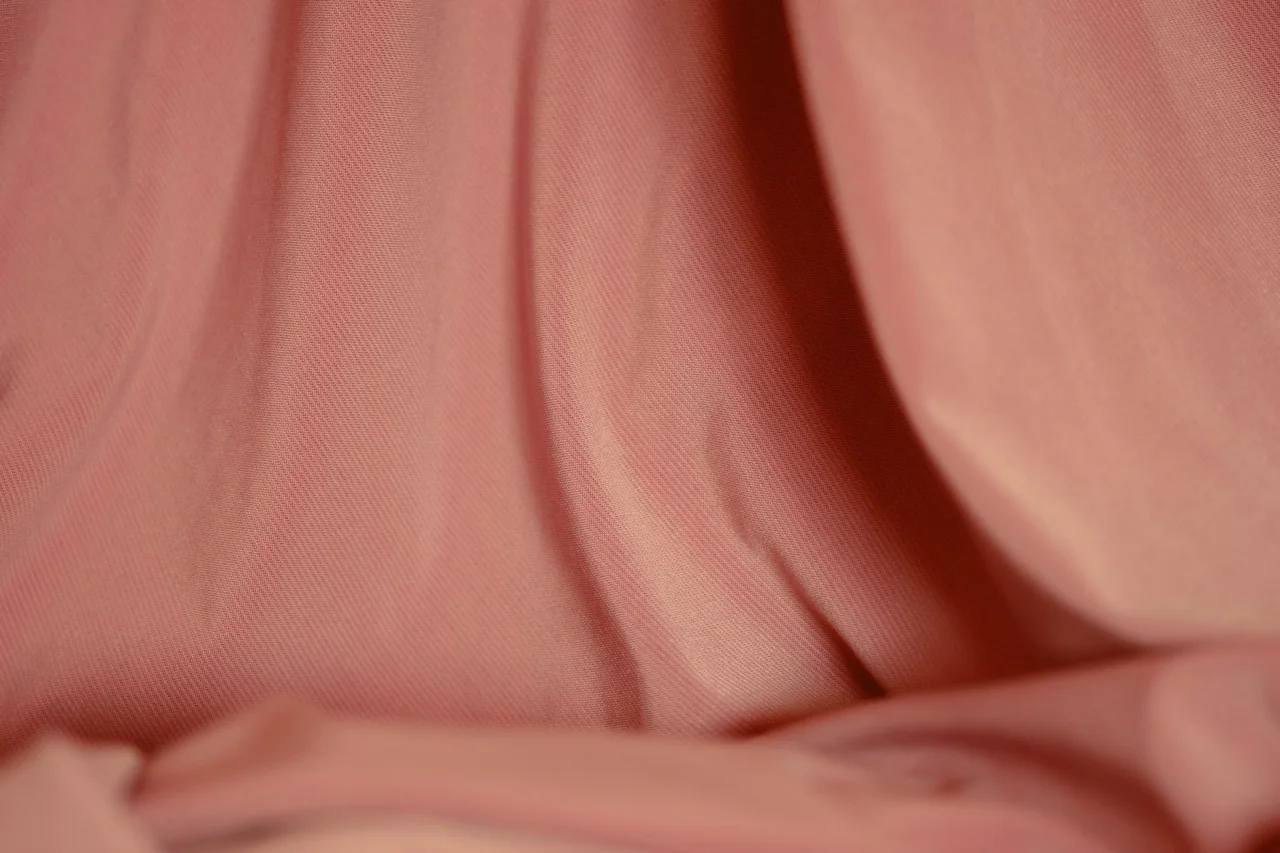
Lawn uses a plain weave, the simplest over-and-under interlacing of warp and weft threads. What makes it special is not the weave pattern but the yarn: lawn is made with fine, high-count combed cotton, which produces a smooth, untextured surface and a light hand. Combing removes the shorter fibres before spinning, leaving a cleaner, stronger, silkier yarn.
The result sits at a specific point on the crispness scale. As the Wikipedia description puts it, lawn is crisper than voile but not as crisp as organza. Finishes range from soft to semi-crisp, and lawn can be left white, dyed a solid colour, or printed, which is exactly what makes it such a versatile base for seasonal collections.
Fabric note
Thread count matters with lawn. Higher-count lawn feels finer and more silky and tends to drape and print better, while lower-count lawn is more opaque and hard-wearing. When a collection is described as "premium lawn," it usually means a higher thread count and a finer finish, not a different fibre.
Why lawn keeps you cool
Three properties combine to make lawn a hot-weather favourite:
- Breathability: the cotton fibre and open, fine weave let air move through the fabric and let heat escape.
- Moisture absorption: cotton absorbs perspiration and helps it evaporate, so the fabric feels dry against the skin.
- Light weight: the fine yarns keep the cloth airy, so it does not cling or trap heat.
This is why lawn dominates the spring and summer season across Pakistan and much of South Asia, and why it is a strong pick among the best fabrics for Pakistani summers.
Lawn in Pakistani fashion
Pakistan has become a major market for lawn, and the annual lawn collection is a cultural fixture. Wikipedia notes that lawn cotton was worth around 500 million US dollars to the Pakistani industry in 2016, employed over 30,000 people, and that new Pakistani lawn fabrics are released each year, typically around February ahead of the warm season. Established textile houses such as Gul Ahmed, a public company incorporated in 1953 per its Wikipedia profile, are part of this large industry.
In practice, lawn is usually sold as an unstitched three-piece: a printed or embroidered shirt piece, a coordinating dupatta, and a trouser piece, ready to be tailored. If you want the full picture of the finished garment, our guide to what a lawn suit is covers how the fabric becomes an outfit, and our roundup of lawn fabric outfits shows what styles it sews up into best.
The seasonal rhythm is part of the appeal. Because new collections drop ahead of the warm months, buying lawn has become a small annual ritual for many families, with the freshest prints and the best sizes going first. That yearly cycle also means older prints are often discounted once the new season lands, which makes lawn one of the easier fabrics to build a summer wardrobe around without overspending.
What lawn is used for
Beyond Pakistani suits, lawn is a broadly useful cloth. Common uses include:
- Summer shalwar kameez and kurtas.
- Blouses, dresses and light shirts.
- Infant wear and children's clothing, thanks to its softness.
- Handkerchiefs and light home textiles.
Its combination of softness, breathability and print-friendliness is what makes it equally at home in a designer summer collection and a baby's wardrobe.
Lawn compared with similar fabrics
Lawn is easy to confuse with its close relatives. A quick orientation:
- Lawn vs cambric: cambric is also a fine plain-weave cotton, but it is typically denser and calendered to a smooth, slightly lustrous surface, and is generally considered finer and more expensive than lawn. See our lawn vs cambric comparison and our cambric guide.
- Lawn vs cotton lawn: the terms overlap heavily, since most modern lawn is cotton. Our lawn vs cotton lawn comparison untangles the naming.
- Lawn vs voile: voile is even lighter and more sheer; lawn is a touch crisper and more opaque.
Grades and types of lawn you will see
Not all lawn is the same, and the labels on a collection usually point to differences in thread count, finish and the type of surface work rather than a different fibre. Knowing the common descriptions helps you shop:
- Printed lawn: the everyday standard, with digital or screen prints across the shirt and dupatta. Ranges from budget to premium depending on thread count and print quality.
- Embroidered lawn: printed or plain lawn with added thread work, gota or lace, aimed at festive daywear and Eid.
- Premium or luxury lawn: higher thread count, a finer hand and better finishing, often with more detailed embroidery and coordinated accessories.
- Slub lawn: a slightly textured version where thicker slubs in the yarn give a more casual, cottony look.
When comparing two pieces, hold them to the light and feel the hand. A finer, higher-count lawn feels smoother and more silky and tends to drape and print more cleanly, while a coarser lawn is more opaque and hard-wearing. Neither is better in the abstract; the right grade depends on whether you want an everyday workhorse or a dressier warm-weather piece.
How to wash and care for lawn
Lawn is cotton, so it is forgiving, but printed lawn needs a gentle hand to keep colours bright and the fabric crisp.
- Wash cool: hand wash or use a gentle machine cycle in cold or lukewarm water. Heat can shrink cotton and fade prints.
- Use mild detergent: avoid harsh bleach on coloured or printed lawn, which can strip the print.
- Wash new pieces separately: deep-dyed lawn can bleed the first few washes.
- Dry in shade: direct sun fades prints. Turn embroidered or printed pieces inside out.
- Iron slightly damp: lawn creases easily, so a medium-hot iron on a slightly damp shirt gives the crispest finish.
- Store folded and dry: keep it away from damp to avoid mildew spotting on light colours.
Care tip
Embellished lawn with beads, sequins or heavy embroidery should be hand washed or dry cleaned rather than machine washed. The base cloth can take a gentle cycle, but the surface work often cannot.
Frequently asked questions
What is lawn fabric made of?
Modern lawn is made from fine, combed cotton woven in a plain weave. Historically the term referred to linen, and linen lawn still exists, but in South Asian fashion lawn almost always means the lightweight cotton version. The fine, high-count yarns give it its smooth, silky and breathable character.
Is lawn a good fabric for summer?
Yes. Lawn is one of the best summer fabrics because cotton breathes, absorbs moisture and dries quickly, while the fine, light weave keeps the cloth airy against the skin. This is why lawn dominates spring and summer collections across Pakistan and South Asia.
What is the difference between lawn and cambric?
Both are fine, plain-weave cotton fabrics. Cambric is typically more densely woven and calendered to a smooth, slightly lustrous finish, and is generally regarded as finer and more expensive than lawn. Lawn ranges from soft to semi-crisp and is prized for how well it takes prints, which suits it to seasonal collections.
Does lawn fabric shrink or wrinkle?
Being cotton, lawn can shrink a little if washed in hot water, and it does wrinkle easily. Washing in cool water, drying in shade and ironing while slightly damp minimise both problems and keep the crisp finish that makes lawn look fresh.
How do I keep lawn prints from fading?
Wash in cold water with a mild detergent, avoid bleach, wash new deeply dyed pieces separately for the first few washes, turn printed items inside out, and dry in shade rather than direct sun. These steps protect the print and keep colours bright over many seasons.
More on Fabrics
Have a question or a topic to suggest?
We read every message. Tell us what you would like to see next in the journal.
Get in touch