Lawn Fabric vs Cotton Lawn
Feel, climate, price and stitching compared, plus a clear which-for-what verdict table.
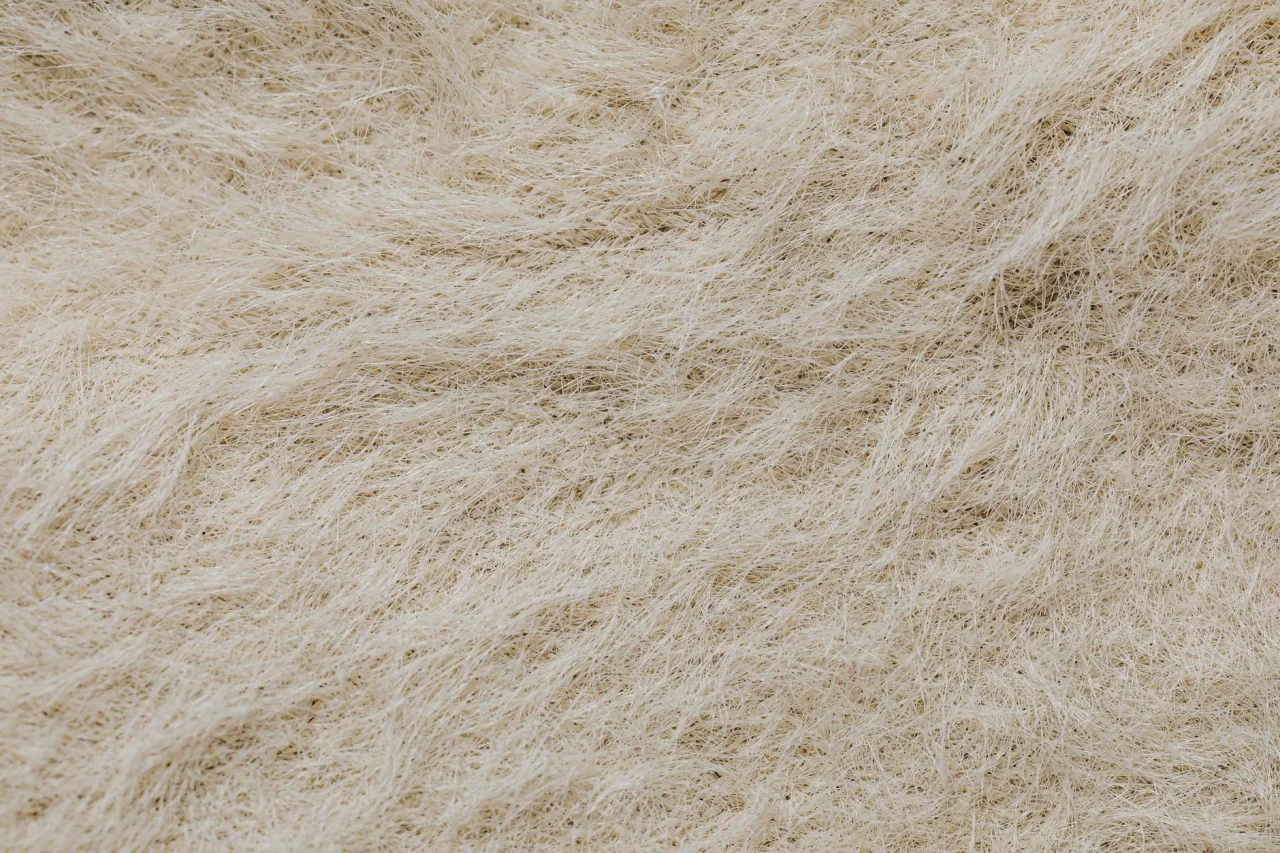
Walk into any fabric market before summer and you will hear "lawn" and "cotton lawn" used almost interchangeably, which is exactly why shoppers get confused. The honest answer is that they overlap far more than most sellers admit: one word describes a weave, the other pins down the fibre. This guide untangles the two so you can buy for the weather, the outfit and the budget you actually have.
The short version
- "Lawn" is a type of fine, plain-woven cloth. "Cotton lawn" simply says that particular lawn is woven from cotton, which most modern lawn is.
- In South Asian fashion the word "lawn" usually already means cotton lawn, so the two are frequently the same fabric under different labels.
- Real differences show up between grades: high thread-count combed cotton lawn versus cheaper blended or coarser summer prints sold loosely as "lawn."
- Both suit hot weather. Choose by hand-feel, thread count and finish rather than by the name printed on the bolt.
What "lawn" actually means
Lawn is a lightweight, plain-woven cloth known for a fine, crisp, semi-sheer finish. The name is geographic: it derives from Laon, a city in France that historically produced fine linen lawn, according to Wikipedia's entry on lawn cloth. In its earliest form lawn was made from linen and was sometimes called handkerchief linen. Today most lawn is woven from fine combed cotton, which is why the terms have drifted together.
The key point is that "lawn" describes a construction, not a fibre. It tells you the cloth is light, tightly and evenly woven from high-count yarns, and finished to sit somewhere between gauzy and nearly opaque. It does not, on its own, guarantee the yarn is cotton.
What "cotton lawn" adds to the picture
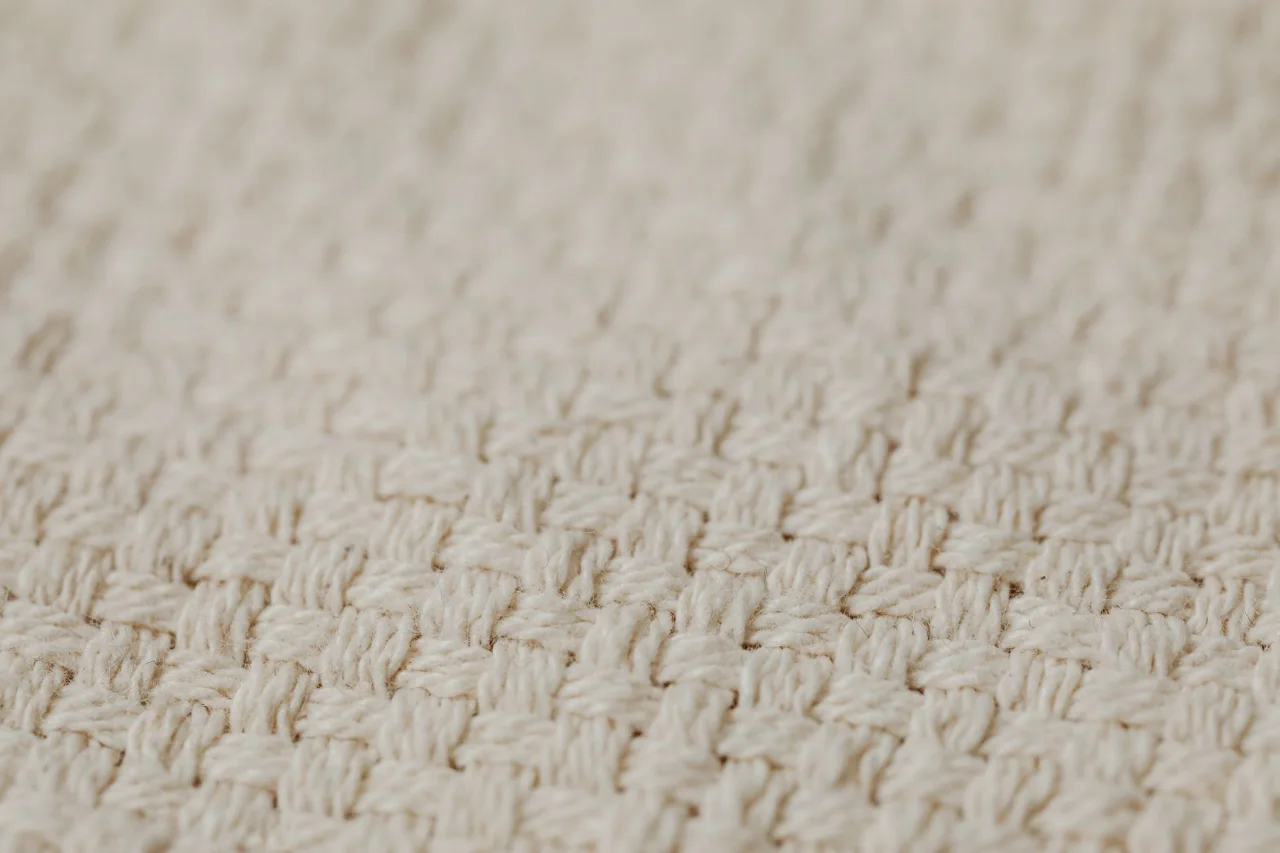
"Cotton lawn" is simply lawn that is specified as cotton. Cotton is a soft, breathable, absorbent staple fibre made almost entirely of cellulose, as described on Wikipedia's cotton page. When you buy "cotton lawn," you are being told two useful things at once: the weave is fine lawn, and the fibre is natural cotton rather than a polyester or poly-cotton blend.
That extra word matters most in dressmaking shops outside South Asia, where "lawn" alone might be cotton, a blend, or even a synthetic imitation. Adding "cotton" removes the doubt. In Pakistani and Indian retail, though, unbranded seasonal "lawn" is so overwhelmingly cotton that vendors drop the qualifier entirely.
Buyer's tip
When a label says only "lawn," ask for the fibre content and thread count. A pure combed cotton lawn at a high thread count behaves very differently from a low-count blended print, even though both are sold as "lawn." The word alone will not tell you which you are holding.
Feel and hand: are they really different?
Where both are pure combed cotton, the hand-feel is essentially the same: cool, smooth, crisp when new, softening with each wash. Any difference you notice usually comes down to grade rather than the name. A premium cotton lawn with a high thread count feels silkier, drapes more fluidly and reads as more expensive. A coarse, low-count summer "lawn" feels drier and slightly stiffer.
So the honest comparison is not lawn versus cotton lawn but fine grade versus basic grade. If you want to go deeper on the weave itself, read our full explainer on what lawn fabric is and the companion piece on cotton lawn properties, uses and care.
Climate suitability
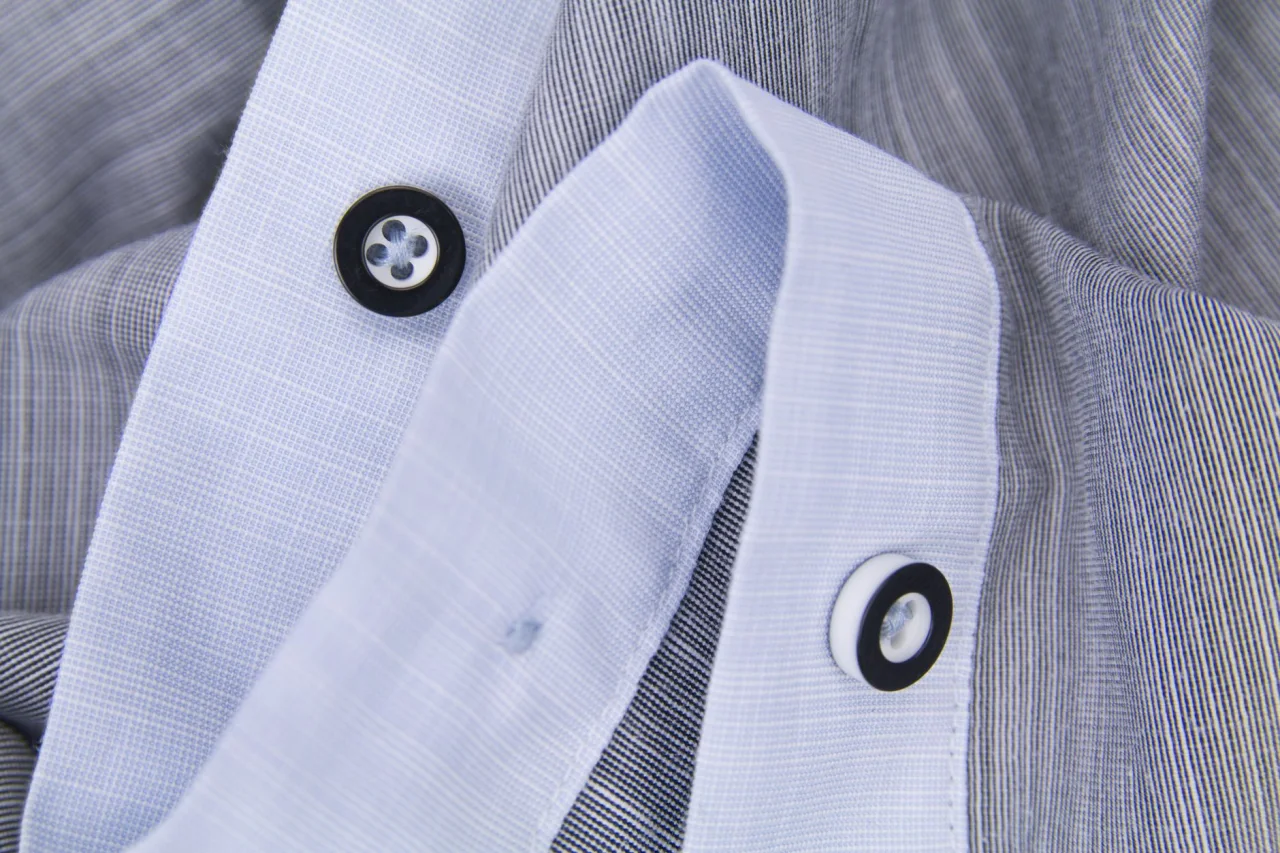
Both fabrics are built for heat. Cotton is breathable and absorbent, so it wicks perspiration and lets air move, which is why lawn dominates South Asian summer wardrobes. A pure cotton lawn will always be more breathable than a blended lawn that includes polyester, because synthetic content traps warmth and holds moisture against the skin.
- Peak summer, high humidity: choose the highest cotton content you can find. Pure cotton lawn wins.
- Dry heat, long days out: both perform well; look for a slightly more opaque weave to cut glare and reduce lining needs.
- Travel and low-iron needs: a small blend percentage resists creasing better, at a modest cost to breathability.
For a wider seasonal view, see our roundup of the best fabrics for Pakistani summers.
Price: what you are paying for
Neither term sets the price on its own. Cost tracks fibre quality, thread count, print method and brand rather than whether the word "cotton" appears. As a rough, non-binding guide, plain unbranded cotton lawn by the metre sits at the affordable end, while branded designer lawn collections with digital prints and added embroidery climb well above it. Prices vary widely by fabric grade, print, embellishment and retailer, so always confirm current pricing before you commit.
A practical rule: two pieces both labelled "lawn" can differ in price several times over, and the gap almost always reflects thread count, finish and brand, not the label wording.
Stitching and tailoring behaviour
Fine lawn and cotton lawn tailor beautifully, which is a big part of their appeal for stitched suits. Both take a crisp seam, hold pleats and gathers well, and press to a clean edge. A few points worth knowing at the cutting table:
- Semi-sheer weave: lighter lawns often need lining or a slip for kameez and dupatta layers, especially in pale colours.
- Fraying: the fine weave can fray at raw edges, so overlock or finish seams for durability.
- Shrinkage: pure cotton lawn can shrink on first wash. Pre-wash the fabric before cutting a fitted outfit.
- Pressing: both crease during wear; a light iron restores the crisp finish quickly.
Because it stitches so cleanly, lawn is the default for the classic three-piece summer suit. If that is your plan, our guide to what a lawn suit is walks through the pieces and how they go together.
Styling note
Crisp cotton lawn holds structured silhouettes such as straight kurtas and A-line shirts, while a softer, higher-count lawn drapes better for gathered frocks and flared trousers. Match the grade to the silhouette, not the other way round.
How to tell grades apart in the shop
Since the names overlap, judge the cloth in your hands:
- Hold it to the light. A fine, even weave with a subtle glow signals a good combed cotton lawn.
- Rub and scrunch. Pure cotton creases and holds a soft wrinkle; a slick, spring-back feel hints at synthetic content.
- Check the selvedge and label. Look for stated fibre content and thread count rather than trusting the headline word.
- Do a burn-test only on a scrap you own. Cotton burns to a soft grey ash and smells like paper; synthetics melt and bead. Never test a shop's fabric.
If you want to see how each behaves once made up, our style notes on lawn fabric outfits show which silhouettes flatter the weave.
The verdict: which for what
They are not rivals so much as the same family described at two levels of detail. Use this table to decide what to look for:
| Your priority | What to buy | Why |
|---|---|---|
| Maximum breathability in humid heat | Pure cotton lawn, high thread count | Natural cotton wicks and airs best |
| Everyday stitched summer suits | Mid to high grade cotton lawn | Crisp, cool, easy to tailor |
| Low-iron, travel-friendly wear | Lawn with a small blend content | Resists creasing, dries fast |
| Budget printed casuals | Basic unbranded lawn | Affordable, still cool to wear |
| Flowing, draped silhouettes | Fine high-count cotton lawn | Softer fall, fluid drape |
Bottom line: do not choose between "lawn" and "cotton lawn" as if they were opposites. Confirm the fibre, check the thread count and match the grade to your climate and silhouette. Do that and either label will serve you well.
Frequently asked questions
Is lawn the same as cotton lawn?
Usually, yes. "Lawn" names a fine, lightweight plain weave, and most lawn today is woven from cotton, so "cotton lawn" is simply lawn with its fibre specified. The main exception is blended or synthetic lawn, which is still called "lawn" but is not pure cotton.
Which is cooler to wear in summer?
Whichever has the higher cotton content. Pure cotton lawn breathes and absorbs moisture better than a lawn blended with polyester, so for hot, humid days choose the fabric with the most natural cotton in it.
Why is some lawn so much more expensive than other lawn?
Price follows thread count, fibre quality, print method, embroidery and brand, not the word on the label. Two fabrics both called "lawn" can differ several times over in price because one is a fine combed cotton with a designer print and the other is a basic blended weave. Always confirm current pricing before buying.
Does cotton lawn shrink?
Pure cotton lawn can shrink on its first wash. Pre-wash and dry the fabric before cutting a fitted outfit, and wash finished garments in cool water to limit further shrinkage.
Is lawn see-through?
Lighter lawns are semi-sheer, especially in pale colours, so many kameez and dupatta pieces are lined or worn with a slip. Heavier, more opaque lawns need less lining. Hold the cloth to the light before buying to judge how much coverage it gives.
How is lawn different from cambric?
Both are fine cotton weaves, but cambric is typically a touch denser and smoother with a slightly firmer finish, while lawn tends to be lighter and more semi-sheer. For a full comparison, see our guide on lawn fabric versus cambric.
More on Fabrics
Have a question or a topic to suggest?
We read every message. Tell us what you would like to see next in the journal.
Get in touch