What Is a Lawn Suit?
What a lawn suit is, where the fabric comes from, who it suits and how it differs from cotton, cambric and other summer suits.
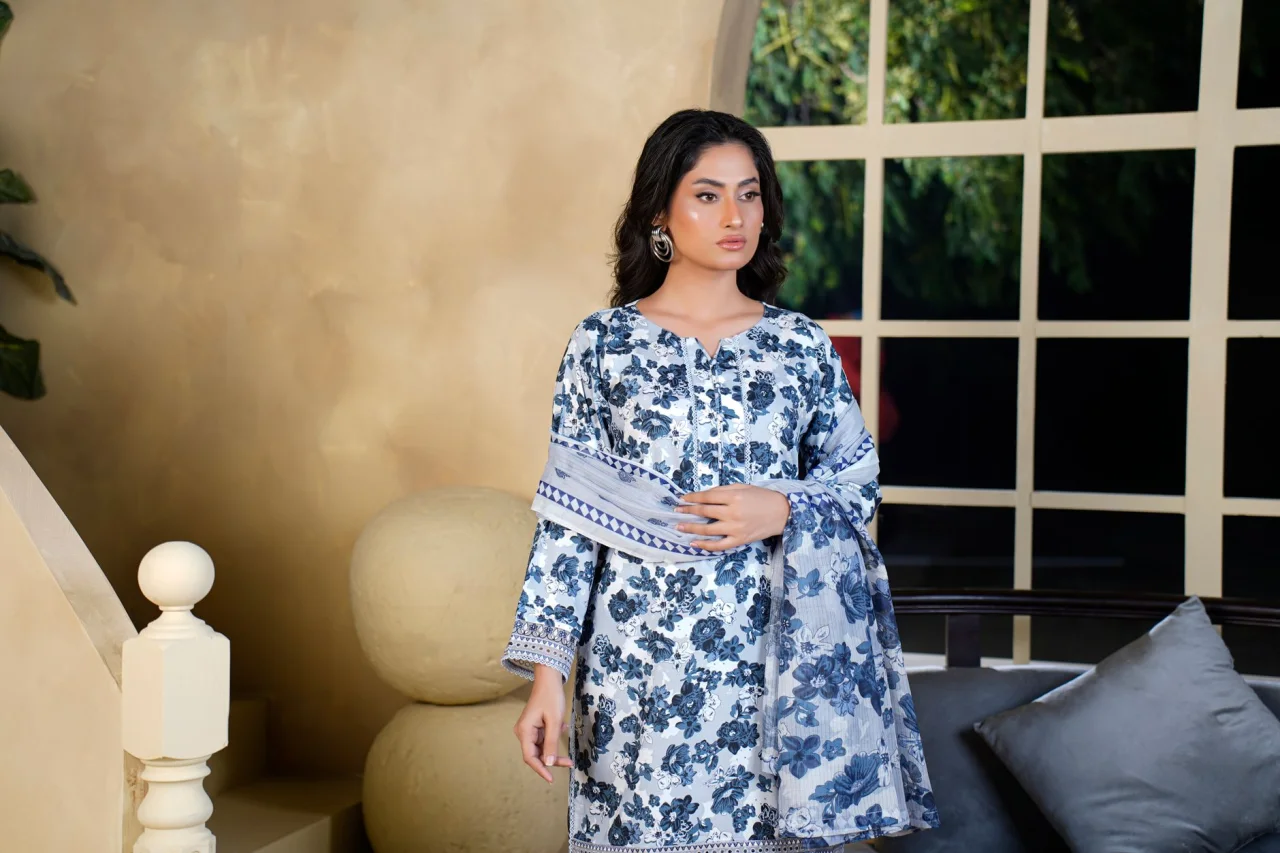
If you have shopped for summer clothes anywhere in Pakistan or the wider South Asian wardrobe, you have met the lawn suit, even if nobody stopped to define it. It is not a single silhouette but a whole category built around one very specific fabric: fine, lightweight lawn cotton. This guide explains what a lawn suit actually is, where the fabric comes from, who it suits and how it differs from the garments people confuse it with.
The short version
- A lawn suit is a shalwar kameez (or similar outfit) cut from lawn, a fine plain-weave cotton fabric prized for staying cool in heat.
- The name lawn comes from Laon in France, which historically produced fine linen lawn; today it is usually combed cotton.
- Lawn suits are the backbone of South Asian summer dressing and a major industry, with new designer collections launching every year.
- A lawn suit is defined by its fabric, not its shape, so it can be casual, embroidered festive or formal.
What a lawn suit actually is
A lawn suit is an unstitched or ready-made outfit made from lawn fabric, most often in the classic three-piece format of a kameez (tunic), a shalwar or trouser, and a dupatta (scarf). The word suit here does not mean a Western jacket-and-trousers set. In the desi context, a suit simply means a coordinated outfit, usually the shalwar kameez, and lawn describes the cloth it is cut from.
That distinction matters because it is what separates a lawn suit from every other suit you will see on this site. A cotton suit, an embroidered suit or a chiffon suit all share the same basic silhouette; the fabric is the variable. Because lawn is light and breathable, the lawn suit became the default warm-weather choice across Pakistan and among the South Asian diaspora.
Where lawn fabric comes from
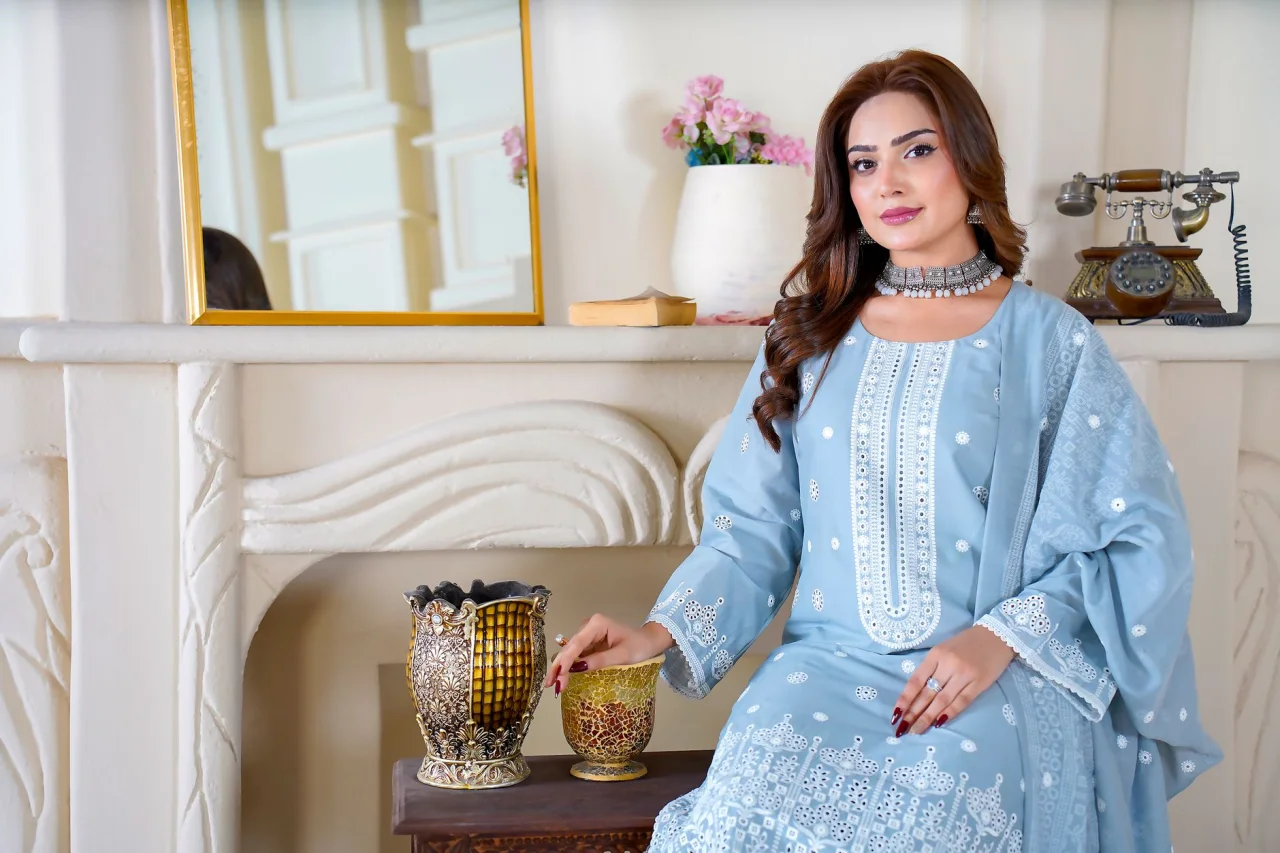
The fabric gives the garment its name and its personality. According to documented textile history, the term lawn derives from Laon, a city in France that once produced linen lawn. Originally lawn referred to a plain-weave linen, but it is now typically woven from fine combed cotton. When carded rather than combed yarns are used, a closely related cloth is known as nainsook.
Technically, lawn is a fine plain-weave textile made with high-thread-count yarns, which gives it a silky, untextured hand-feel. It is described as crisper than voile but not as crisp as organza, and it ranges from gauzy and semi-sheer to nearly opaque depending on the weave. That combination of lightness, a smooth surface and enough body to hold a print is exactly why it suits printed and embroidered summer wear. To go deeper on the cloth itself, see our guide to lawn fabric properties, uses and care.
Why lawn suits matter so much in Pakistan
Lawn is not a niche fabric in South Asia; it is an industry. The same textile record notes that in 2016 lawn cotton was worth around 500 million US dollars to the Pakistani textile sector and employed more than 30,000 people, with new collections traditionally releasing each year in February. That annual launch calendar has turned lawn into a seasonal event, with major mills and designers releasing print collections that people plan their summer wardrobes around.
The reason for that scale is climate. South Asian summers are long and hot, and a breathable natural fibre is far more comfortable than synthetics. As a soft, breathable and durable natural fibre, cotton suits warm weather well, and finely woven lawn takes that comfort a step further while still holding crisp prints.
The anatomy of a lawn suit
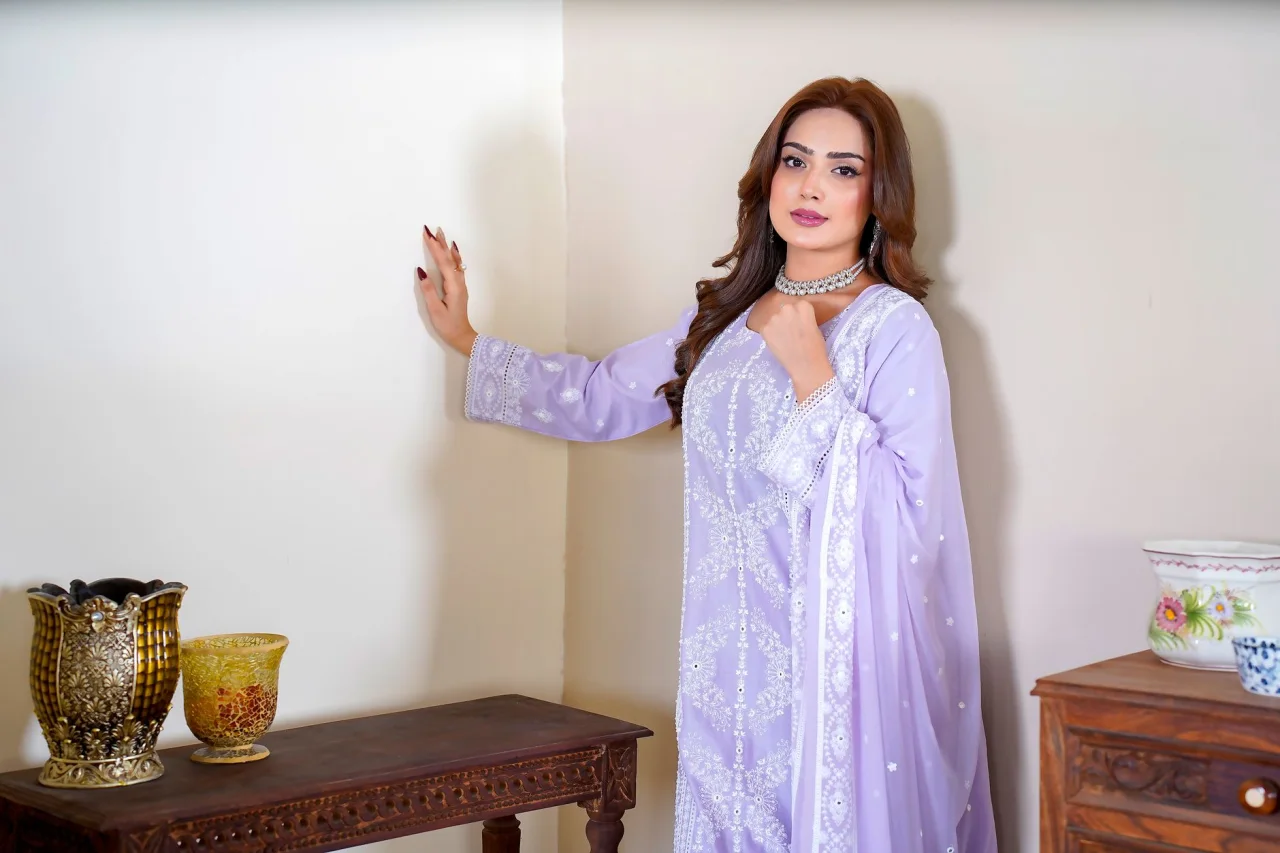
Whether you buy it unstitched or ready to wear, a lawn suit is built from the same components as a classic shalwar kameez.
- Kameez: the tunic or shirt, usually where the print or embroidery is concentrated. Lengths range from short and modern to ankle-length and formal.
- Shalwar or trouser: the lower half, from a traditional loose shalwar that is wide at the top and narrow at the ankle, to a slim straight trouser.
- Dupatta: the scarf, often in matching lawn, chiffon or net, that sets the formality of the look.
If any of these terms are new, our complete guide to the shalwar kameez breaks down each piece and how it is worn.
Stitched vs unstitched: the key format
One thing that surprises newcomers is that lawn suits are very often sold unstitched. Instead of a finished garment, you buy a printed and sometimes pre-embroidered length of fabric with matching trouser and dupatta cloth, then have it tailored to your measurements. This is a genuine advantage: it lets you choose the exact silhouette and get a precise fit.
- Unstitched: best fit, more silhouette choice, needs a tailor and lead time.
- Ready to wear: convenient and immediate, but fit is fixed to standard sizing.
Buying note
If you are new to unstitched fabric, take a well-fitting existing kameez to your tailor as a reference. It removes most of the guesswork and gives the tailor a shape to match rather than starting from measurements alone.
Who a lawn suit suits
The honest answer is almost everyone, because the category is so broad. Lawn suits work for daily wear, office dressing, festive occasions and light formal events, and because the fabric is the constant, you choose the design to fit your body and your day. Straight cuts suit most frames, A-line shapes flatter fuller hips, and lighter, less sheer weaves are the most forgiving for everyday wear.
Lawn is at its best in heat and humidity, which is why it is a staple of summer and of the diaspora who want breathable desi wear in warm months. For heavy winter formals you would generally reach for a warmer cloth, so lawn is a seasonal specialist rather than a year-round formal fabric.
Caring for a lawn suit
Part of what makes lawn so practical is that, as a cotton, it is easy to live with, but a few habits keep prints bright and fabric crisp for years. Because lawn is fine and light, it rewards gentle handling far more than rough machine cycles.
- Wash cool and gentle: cold or lukewarm water and a mild detergent protect print colours from fading.
- Separate darks and brights first few washes: some prints can bleed until the dye settles, so wash new suits alone at first.
- Dry in shade: strong direct sun can fade colours over time, so line dry away from harsh light.
- Iron while slightly damp: lawn takes a crisp press easily and looks its best lightly pressed rather than starched stiff.
- Store folded and dry: keep suits in a dry space to avoid damp spotting on light fabric.
Treated this way, a good lawn suit stays wearable across several summers, which is a large part of why the fabric earns its yearly place in South Asian wardrobes.
How a lawn suit differs from similar garments
Several outfits look similar on a rail, so it helps to know the real distinctions.
- Lawn suit vs cotton suit: lawn is a specific fine, high-thread-count cotton with a silky, semi-sheer hand; a general cotton suit can be a heavier or coarser weave.
- Lawn suit vs cambric: cambric is another fine cotton but is usually a touch denser and more opaque, making it a common cooler-season alternative. See our lawn versus cambric comparison.
- Lawn suit vs shalwar kameez: a shalwar kameez is the silhouette; a lawn suit is a shalwar kameez that happens to be made of lawn.
To see how the category translates into current designs, browse our lawn suit design ideas for 2026, and when you are ready to shop, our lawn suit fit, fabric and price guide covers what to check.
Frequently asked questions
What is a lawn suit?
A lawn suit is a coordinated outfit, usually a three-piece shalwar kameez, cut from lawn, a fine lightweight plain-weave cotton fabric. It is defined by the fabric rather than a single silhouette, which is why lawn suits can be casual, festive or formal.
Why is it called lawn?
The name lawn comes from Laon, a city in France that historically produced fine linen lawn. The fabric was originally linen but is now usually woven from fine combed cotton, and it kept the old name.
Is lawn the same as cotton?
Lawn is a type of cotton, not a separate fibre. It is a fine, high-thread-count plain-weave cotton with a silky, semi-sheer feel, which makes it lighter and smoother than a typical everyday cotton.
Are lawn suits only for summer?
Lawn is lightweight and breathable, so it is at its best in warm and humid weather. It can be worn in mild conditions too, but for cold winters most people choose a warmer fabric such as khaddar or a heavier cotton.
Should I buy a lawn suit stitched or unstitched?
Unstitched lawn, tailored to your measurements, usually gives the best fit and lets you choose the silhouette, while ready-to-wear is faster and more convenient. If fit is your priority, unstitched is worth the extra step of visiting a tailor.
More on Clothing Types
Have a question or a topic to suggest?
We read every message. Tell us what you would like to see next in the journal.
Get in touch