Kurti Designs: 20+ Ideas for 2026
More than twenty kurti designs organised by occasion and budget, from everyday cotton to festive Anarkali.
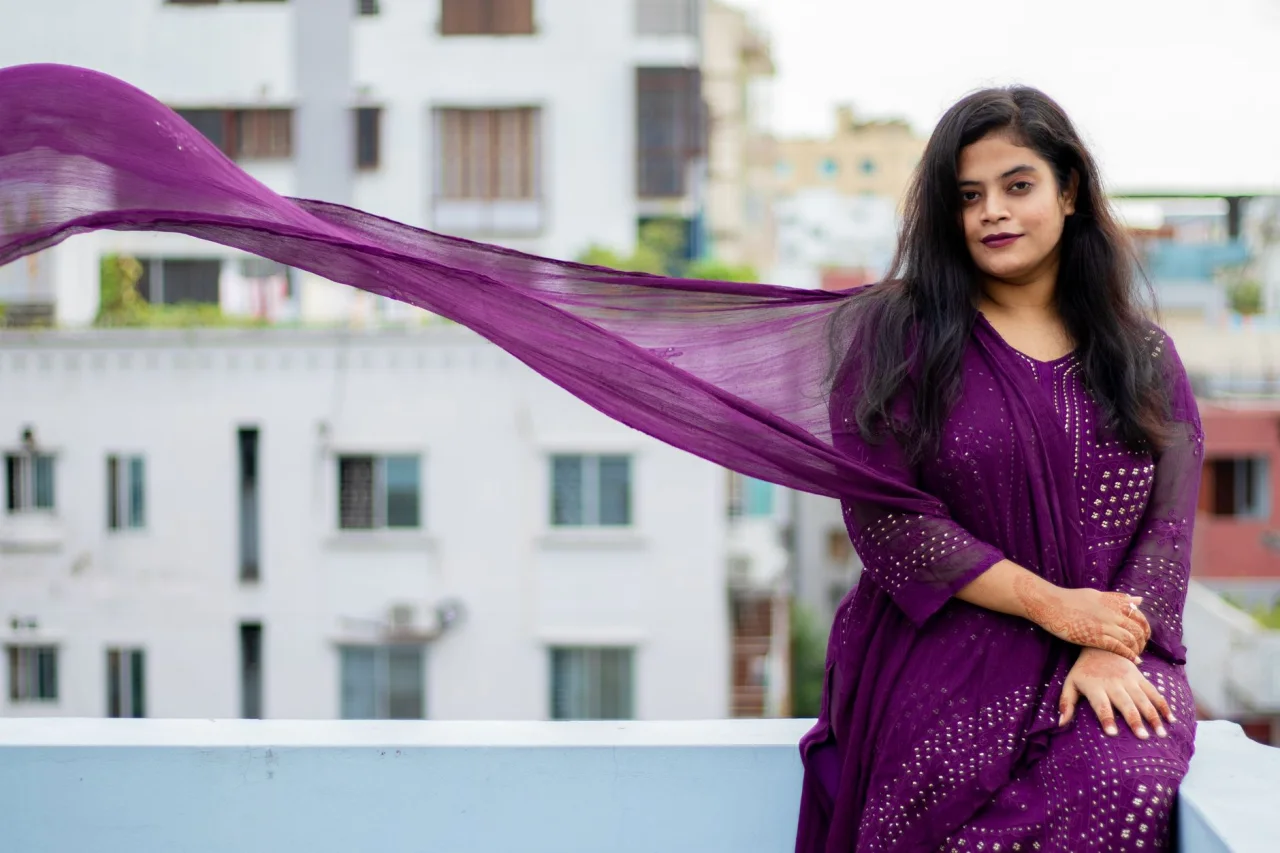
A great kurti design does two things at once: it flatters the wearer and it fits the occasion. Rather than chasing a fake trend leaderboard, this roundup groups more than twenty kurti design ideas by where you will actually wear them and by budget, so you can find the right one faster. Treat it as a menu of directions, not a set of rules.
The short version
- We organise designs by occasion (everyday, office, festive, wedding) and by budget tier.
- Silhouette, fabric and surface work matter more than any single seasonal trend.
- Timeless cuts like straight, A-line and Anarkali keep working year after year.
- Prices vary widely by fabric, embroidery and retailer, so always confirm current pricing.
How to read a kurti design
Before the list, a quick framework. Every kurti design is really a combination of four choices: the silhouette (straight, A-line, Anarkali, angrakha), the fabric (cotton, lawn, silk, chiffon, georgette), the surface work (prints, embroidery, mirror or thread work) and the neckline and sleeve details. Change any one and the whole feel shifts. If you understand this, you can mix and match rather than copying a look wholesale. For the underlying garment basics, our guide to what a kurti is is a useful primer.
Everyday and casual kurti designs
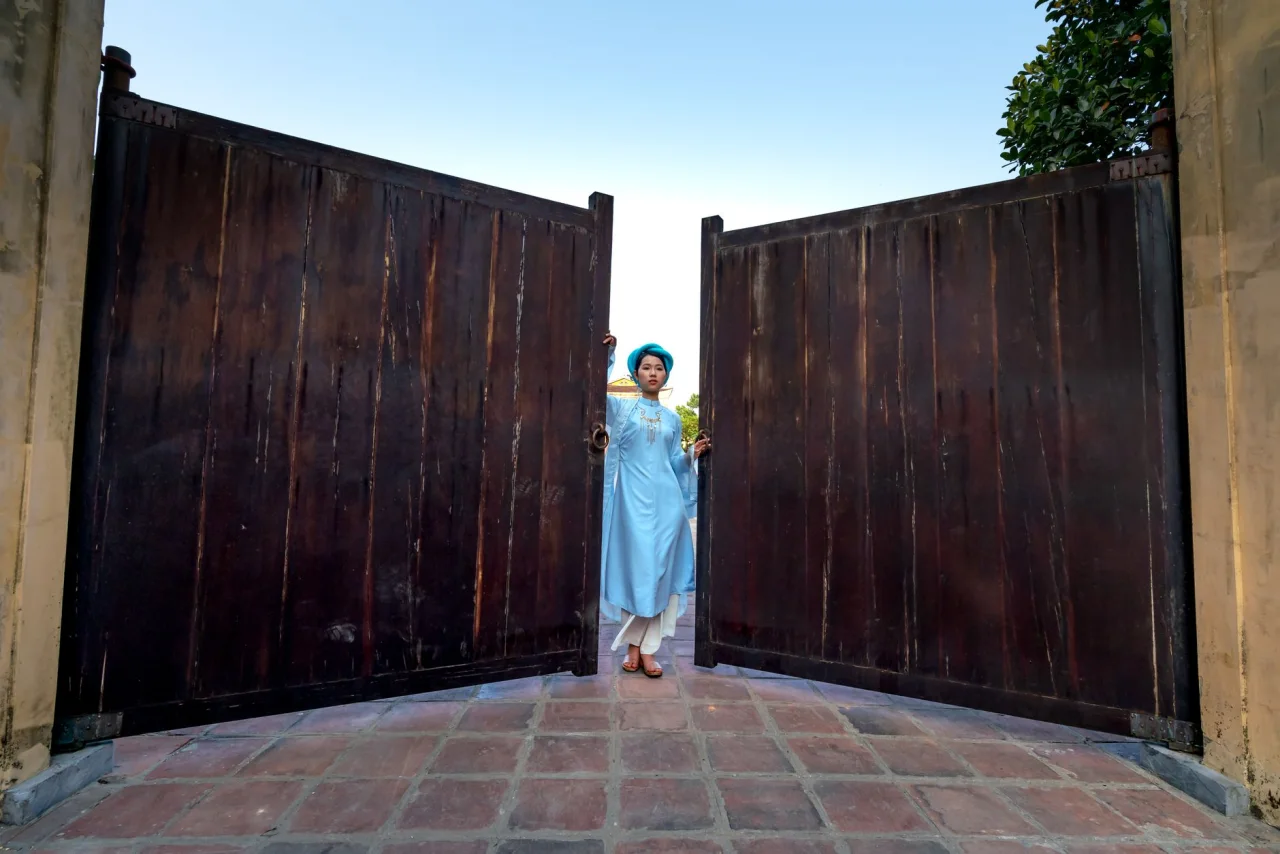
These are the pieces you reach for on ordinary days. The goal is comfort, breathability and easy pairing.
- Plain cotton straight kurti: a solid colour, minimal detail, endlessly wearable with leggings or jeans.
- Block-printed cotton kurti: traditional hand-block motifs bring character without heavy work.
- Lawn print kurti: lightweight lawn in a fresh floral or geometric print, ideal for hot weather.
- Chambray or denim-look kurti: a fusion staple that leans casual and modern.
- Short high-low kurti: an asymmetric hem that reads contemporary with slim trousers.
For everyday designs, keep the surface work light so the piece survives regular washing and stays comfortable. Cotton and lawn are your friends here.
Office and workwear kurti designs
Workwear kurtis aim for polish without fuss. Clean lines, restrained colour and quality fabric do the heavy lifting.
- Structured straight kurti: a crisp, tailored column in a muted solid, perfect under a light jacket.
- Collared shirt-style kurti: a mandarin or shirt collar gives a professional edge.
- Subtle stripe or check kurti: understated pattern that stays boardroom appropriate.
- Monochrome A-line kurti: a gentle flare that flatters while staying formal.
- Tonal thread-work kurti: same-colour embroidery adds texture without shouting.
Styling note: for the office, let the fabric and fit signal quality. A well-pressed cotton or linen-blend kurti in a solid colour almost always looks more expensive than a busy print in a cheaper cloth.
Festive and party kurti designs
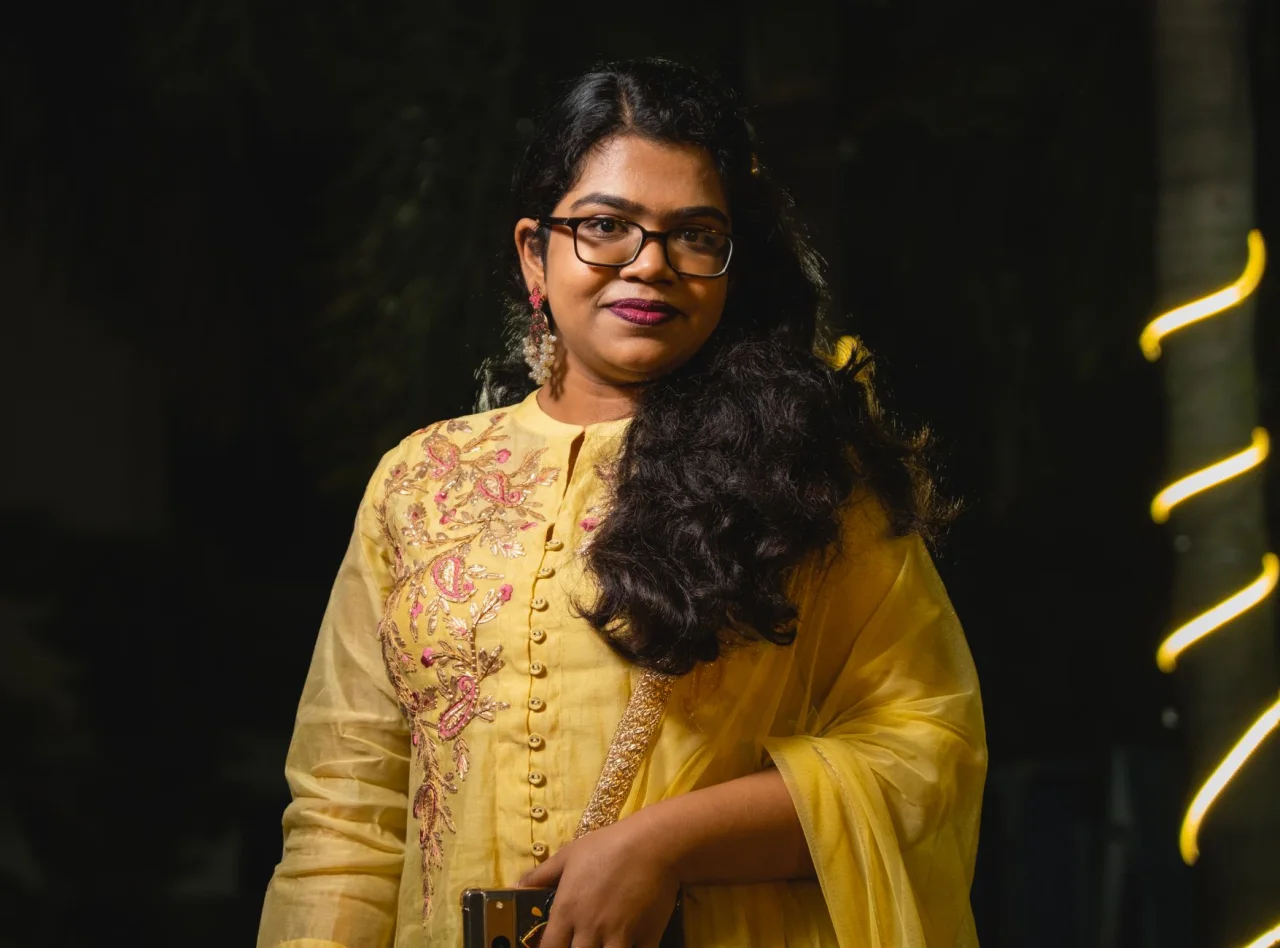
Festive kurtis are where colour, drape and surface work come alive. This is the moment for richer fabric and more decoration.
- Anarkali kurti: a fitted bodice flaring into a full skirt, dramatic and flattering.
- Chikankari kurti: delicate white-on-white or pastel hand embroidery from the Lucknow tradition, elegant and timeless.
- Mirror-work kurti: small mirrors catch the light, a festive favourite across the region.
- Georgette or chiffon flared kurti: fluid fabric that moves beautifully for evening events.
- Angrakha-style kurti: a wrap front with tie details, drawn from a historic silhouette.
- Sequin or gota-accent kurti: shimmer placed at the neckline and hem for a party look.
Traditional hand embroidery is worth understanding before you buy, because it drives both look and price. The chikankari craft holds a Geographical Indication tied to Lucknow, which is a good reminder that authentic hand work carries genuine heritage and value. For a fuller occasion breakdown, see our guide on how to style a kurti.
Wedding and heavy occasion kurti designs
For weddings and the grandest events, kurtis move toward the luxurious end: richer cloth, layered work and often a coordinating dupatta.
- Heavy embroidered Anarkali kurti: full flare with dense zari or thread work for a bridal-party look.
- Velvet festive kurti: deep jewel tones and a plush hand for winter weddings.
- Organza layered kurti: sheer, structured fabric for an ethereal silhouette.
- Silk kurti with dupatta set: a coordinated three-piece look that reads formal and complete.
- Contemporary cape or jacket kurti: a modern layered take for fashion-forward guests.
Because wedding pieces involve the most fabric and hand work, they also carry the widest price range. Buy the best cloth and cleanest embroidery you can, since these are the details that photograph well and last.
Kurti designs by budget
Prices for kurtis span an enormous range and depend heavily on fabric, the amount and type of embroidery, and the retailer. The tiers below are general guidance rather than fixed figures, so always confirm current pricing before you buy.
- Budget tier: plain and printed cotton or lawn kurtis from high-street and online mass retailers. Great for everyday rotation.
- Mid tier: better fabric, some hand or machine embroidery, and coordinated sets. Craft-focused retailers such as Fabindia, the Indian handloom and handcraft chain founded in 1960, sit around here for many of their pieces.
- Premium and designer tier: fine fabric, dense hand embroidery, limited runs and named designers. Reserved for special occasions.
To match the right piece to your body and budget without overspending, read our detailed kurti buying guide. It covers fit, fabric by season and the red flags that signal poor value.
Value tip: spend on fabric and embroidery quality, not on trend novelty. A well-made plain kurti outlasts a cheaply finished trend piece, and it is far easier to restyle across seasons.
Design details worth looking for
Small details separate a forgettable kurti from a favourite. Watch for neckline variety such as boat, V, keyhole and mandarin collars, which change the whole balance of a look. Sleeve choices, from bell to bishop to simple three-quarter, do the same. Well-finished side slits, even hems and secure embroidery are signs of quality. For related silhouettes, our guides to the Anarkali suit and the A-line kurta show how a single cut can be reinterpreted many ways.
Frequently asked questions
Which kurti design is best for everyday wear?
For everyday wear, a plain or lightly printed cotton or lawn kurti in a straight or A-line cut is best. These are breathable, easy to wash and pair simply with leggings, jeans or trousers, so they work for daily and office routines.
What kurti designs are best for a wedding or festive event?
For weddings and festive events, choose richer fabrics such as silk, georgette, velvet or organza in Anarkali, flared or embroidered designs. Hand embroidery like chikankari, mirror work or zari, often paired with a dupatta, gives the formal, celebratory feel these occasions call for.
How much does a kurti cost?
Kurti prices vary widely by fabric, the amount and type of embroidery, and the retailer. Plain cotton kurtis sit at the budget end, embroidered and better-fabric pieces in the mid tier, and designer or heavily hand-worked kurtis at the premium end. Always confirm current pricing before buying.
Are printed or embroidered kurtis better?
Neither is universally better; they suit different needs. Printed kurtis are lighter, more affordable and ideal for everyday and warm weather. Embroidered kurtis are dressier and more suited to festive and formal occasions, but they usually cost more and need gentler care.
Do kurti trends really change every year?
Colours, prints and small details shift each year, but the core silhouettes such as straight, A-line and Anarkali stay relevant. Rather than chasing seasonal trends, it is smarter to invest in well-made classic cuts and refresh with accessories and a few current pieces.
More on Clothing Types
Have a question or a topic to suggest?
We read every message. Tell us what you would like to see next in the journal.
Get in touch