What Is an Anarkali Suit? Guide
From Mughal-court legend to modern wardrobes: the origin, anatomy, types and styling of the anarkali silhouette, honestly explained.
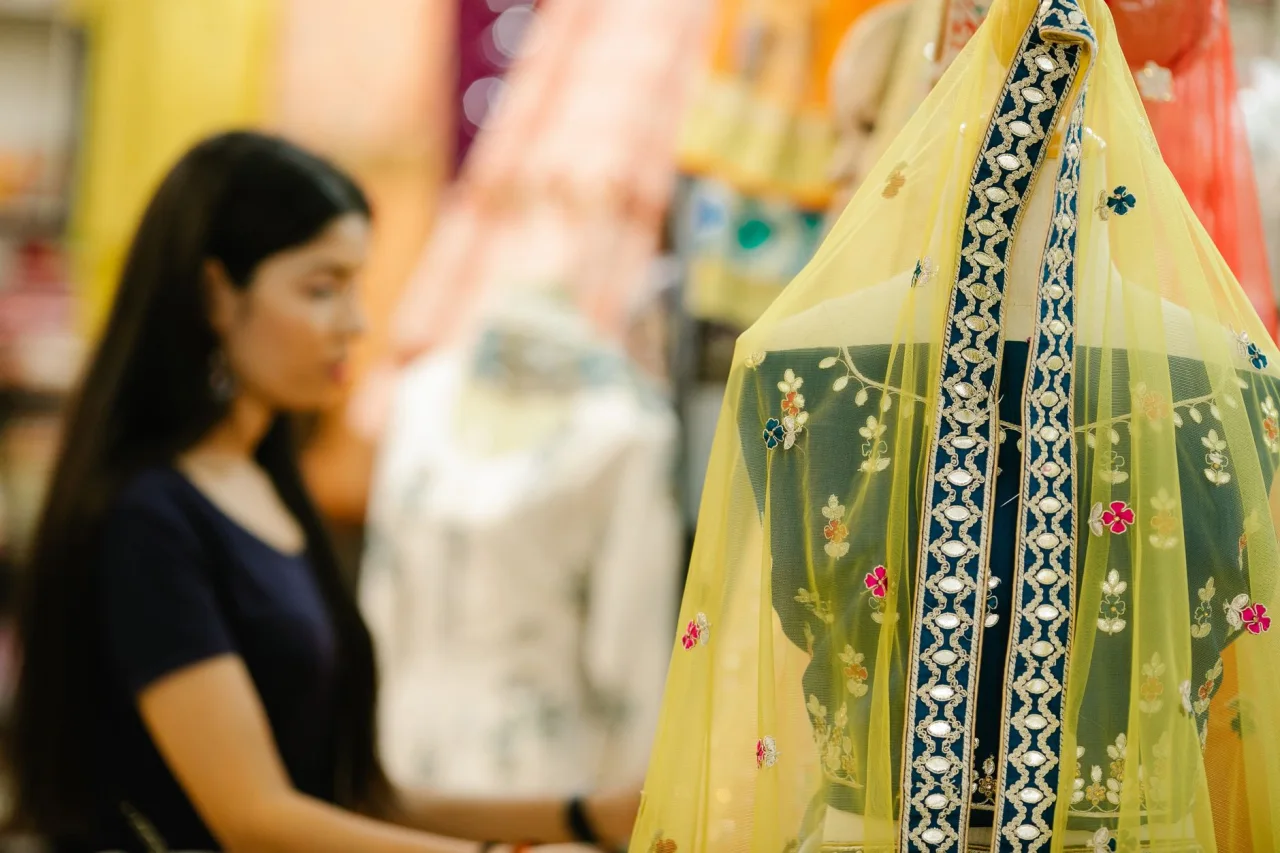
The anarkali suit is one of South Asian fashion's most recognisable silhouettes: a fitted bodice that explodes into a long, swirling frock, usually paired with slim trousers and a dupatta. Regal, forgiving and endlessly versatile, it has travelled from Mughal courts to modern wardrobes without losing its drama. This guide explains exactly what an anarkali is, where it comes from, the main types, who it flatters and how it differs from the garments it is often confused with.
The short version
- An anarkali is a long, frock-style kameez that fits through the bust and torso, then flares from the waist into a full skirt, worn over a fitted bottom with a dupatta.
- It takes its name from the legendary Anarkali, associated with the Mughal court of Emperor Akbar, though her historical existence is unconfirmed.
- Common types include floor-length, gown-style, jacket, angrakha and layered kalidar anarkalis, ranging from knee length to floor length.
- The flared cut suits almost every body shape, which is a big part of why it never really goes out of style.
What exactly is an anarkali suit?
An anarkali is a type of women's suit built around a long, frock-style top and a slim, fitted bottom. According to Wikipedia, the garment "varies in length, ranging from knee-length to floor-length" and the top fits snugly through the chest and torso before flaring into a voluminous skirt. In other words, the defining feature is not embroidery or fabric but the shape: close on top, dramatically full below.
A complete anarkali outfit has three parts. The kameez (the frock itself) is the star. The bottom is usually a churidar, though palazzos and cigarette pants are common alternatives. The third piece is the dupatta, a long stole draped over the shoulder or head. It belongs to the wider salwar kameez family, sharing that tunic-plus-trouser-plus-dupatta logic, but the exaggerated flare is what sets it apart. If you want the broader category first, our guide to what a salwar kameez is covers the parent silhouette.
The story behind the name
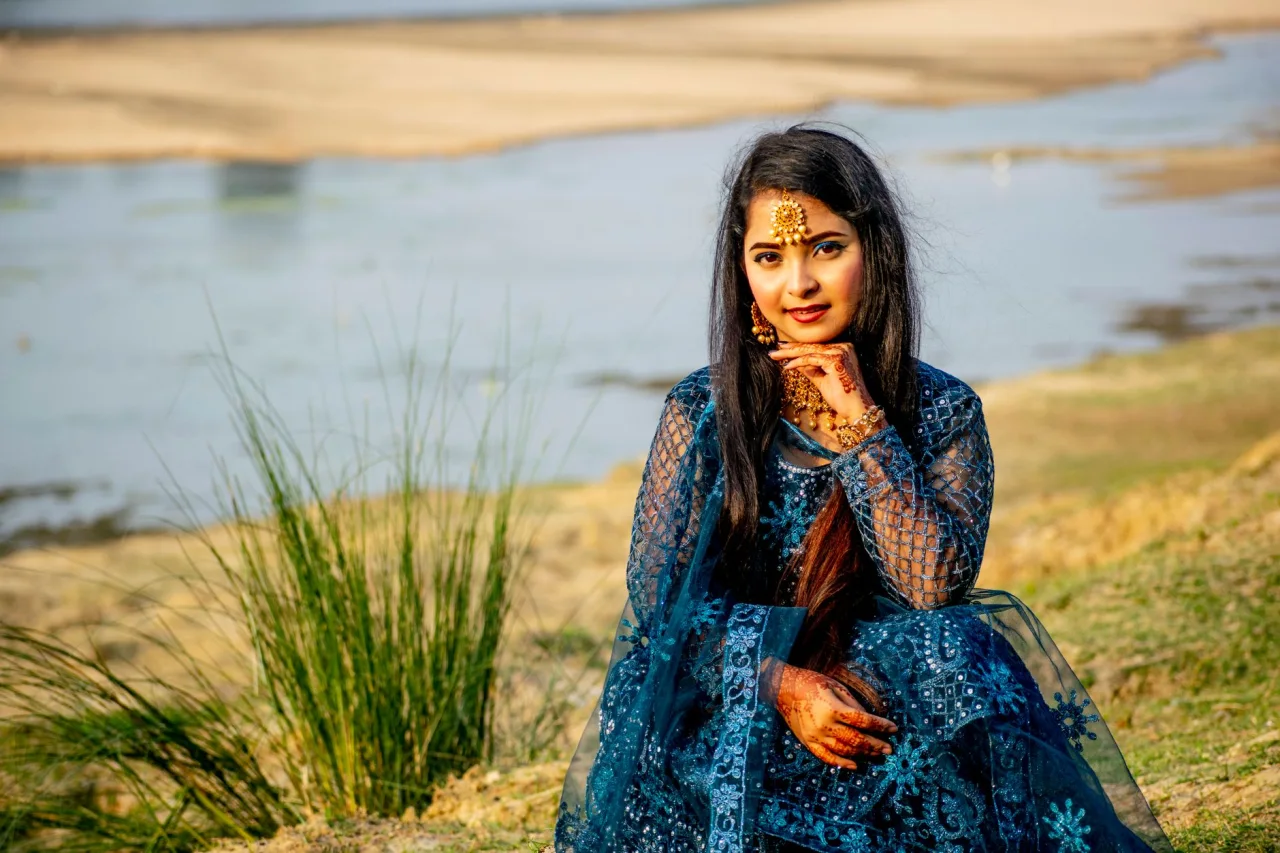
The anarkali is named after Anarkali, remembered in legend as a courtesan in the court of Mughal Emperor Akbar. As the story goes, she fell into a forbidden romance with Crown Prince Salim, who later ruled as Emperor Jahangir, and paid for it with her life. The word "anarkali" itself means the delicate bud of the pomegranate blossom, a poetic image of softness and beauty.
It is worth being honest about the history here. Scholars note that Anarkali's historical existence remains unverified and most likely does not reference a real event, since no contemporary Mughal records document the tale. The romance and the garment's royal associations were cemented in the popular imagination largely through later retellings, including cinema. What is safe to say is that long, flared court frocks with fitted bodices were worn by noble women of the Mughal era, and the modern anarkali revives that opulent, floor-sweeping mood.
Anatomy of the anarkali
Breaking the silhouette into its working parts makes it much easier to shop for and to style.
- Yoke and bodice: the fitted section from shoulder to waist or empire line. This is where the tailoring matters most, because a clean fit here is what makes the flare look intentional rather than tent-like.
- The flare: created by joining triangular fabric panels called kalis. More panels mean a fuller, rounder sweep. A heavily panelled anarkali can use a dozen or more kalis.
- The bottom: most often a churidar, tightly fitted trousers cut with extra length so the fabric gathers into bangle-like folds at the ankle. Palazzos and straight pants give a more contemporary line.
- The dupatta: anything from a light net stole to a heavily worked wedding dupatta, draped, pinned or carried.
Quick styling note
The higher the flare begins, the taller you tend to look. An empire-line anarkali that flares just under the bust elongates the body, while a waist-flare anarkali reads as more structured and formal. Neither is better: pick by the effect you want.
The main types of anarkali suit
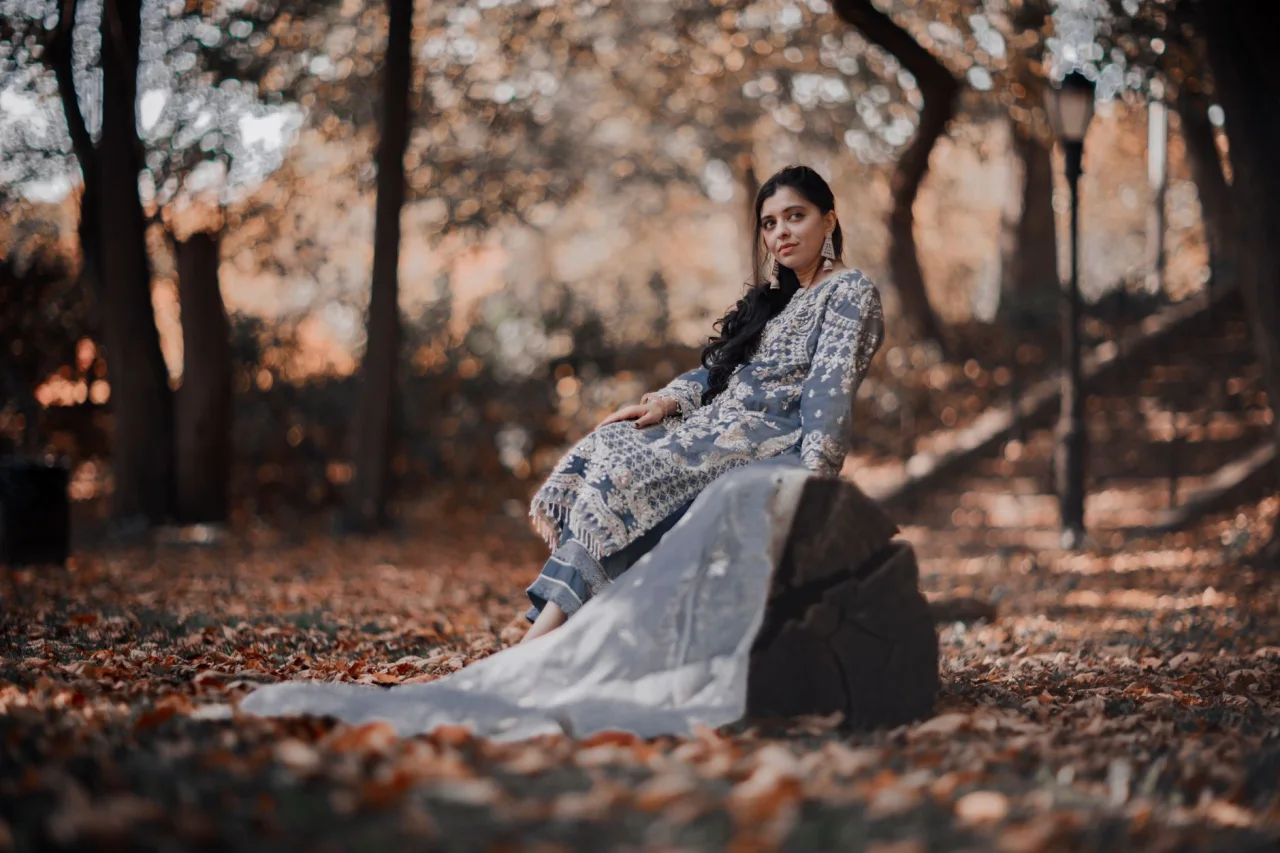
Once you know the silhouette, the variations are mostly about length, layers and closure.
- Floor-length anarkali: the full drama, sweeping to the ankles or floor. The most formal and photogenic option.
- Knee to calf length: a shorter, easier flare for daywear and semi-formal events.
- Gown-style anarkali: a fusion cut with a fitted or flowing gown line, often with a trail, popular for receptions.
- Jacket anarkali: a long or short jacket layered over the frock for a structured, regal look.
- Angrakha anarkali: an overlapping, side-tied front borrowed from the classic angrakha, giving a soft asymmetric wrap.
- Layered or double-flare anarkali: two or more tiers of flare for extra volume and movement.
For a curated visual sweep of current cuts and colour stories, see our roundup of anarkali suit designs for 2026.
Fabrics and embroidery you will see
Fabric decides how the flare behaves. Light, fluid cloth like georgette and chiffon gives a soft, floaty fall, while net and velvet add structure and richness for winter and bridal wear. Cottons and lawns work for relaxed, everyday anarkalis.
Surface work ranges from delicate to grand. You might find soft white-on-white chikankari from Lucknow on a summer piece, or heavy metallic zardozi, a gold and silver metal-thread embroidery that flourished under the Mughals, on a bridal frock. If you want to learn the crafts themselves, start with zari work and mirror work.
Who does the anarkali suit?
Part of the anarkali's staying power is how democratic the cut is. Because the volume falls away from the waist, it skims rather than clings.
- Fuller midsections: an empire-line flare drops straight over the tummy and hips, which many people find the most comfortable and flattering option.
- Petite frames: a flare that begins high and a slim churidar keep the proportions long. Avoid very heavy, stiff hemlines that can overwhelm a small frame.
- Taller and curvier frames: floor-length, heavily panelled anarkalis carry beautifully and use the extra height.
The buying guide goes deeper into matching cut to body shape: read how to choose the perfect anarkali before you invest in a formal one.
How the anarkali differs from lookalikes
Several garments share DNA with the anarkali, and the labels get blurred in shops.
- Anarkali vs lehenga: a lehenga is a separate skirt and blouse; an anarkali is one continuous stitched frock. The lehenga shows a waistline; the anarkali flows unbroken from the bust.
- Anarkali vs gharara and sharara: the gharara and sharara put the volume in the trousers, with a shorter top. The anarkali puts the volume in the top.
- Anarkali vs plain kameez: a standard straight kameez has little to no flare. Once the top flares dramatically from a fitted bodice, it becomes an anarkali.
The anarkali also sits comfortably inside the broader designer suit category when it carries premium fabric and detailed work.
When to wear one
An anarkali can be dressed all the way up or down. A cotton, lightly embroidered anarkali is fine for the office or a casual visit. A georgette piece with mid-weight work suits Eid and dinners. A floor-length, heavily worked frock in net or velvet is a genuine contender for wedding guest dressing and even engagements. Our full anarkali styling guide breaks down looks occasion by occasion.
Frequently asked questions
What is an anarkali suit?
An anarkali suit is a women's outfit made of a long, frock-style top that fits through the bust and torso and then flares into a full skirt, worn over a fitted bottom such as a churidar and paired with a dupatta. Lengths range from knee length to floor length.
Why is it called an anarkali?
It is named after Anarkali, remembered in legend as a courtesan in the Mughal court of Emperor Akbar, whose name means the bud of the pomegranate blossom. Historians note that her real existence is unverified and the story is largely legendary, but the name stuck to this flared, court-inspired silhouette.
What is the difference between an anarkali and a lehenga?
A lehenga is a separate flared skirt worn with a distinct blouse, so it shows a clear waistline. An anarkali is a single stitched frock that flows unbroken from the bust or waist, giving one continuous silhouette rather than a skirt-and-top pairing.
Is an anarkali suit good for all body types?
The flared cut suits most body shapes because the volume falls away from the waist and skims the hips and tummy. Petite frames usually prefer a flare that starts high with a slim churidar, while taller and curvier frames carry floor-length, heavily panelled versions well.
What do you wear under and with an anarkali?
The classic bottom is a churidar, tightly fitted trousers that gather into folds at the ankle, though palazzos and cigarette pants are popular modern choices. A dupatta completes the look, ranging from a light net stole for daywear to a heavily embroidered piece for weddings.
More on Clothing Types
Have a question or a topic to suggest?
We read every message. Tell us what you would like to see next in the journal.
Get in touch