Anarkali Suit Designs: 20+ for 2026
Floor-length, angrakha, jacket and pastel anarkalis: over twenty design ideas by occasion and budget, as an honest inspiration board, not a sales chart.
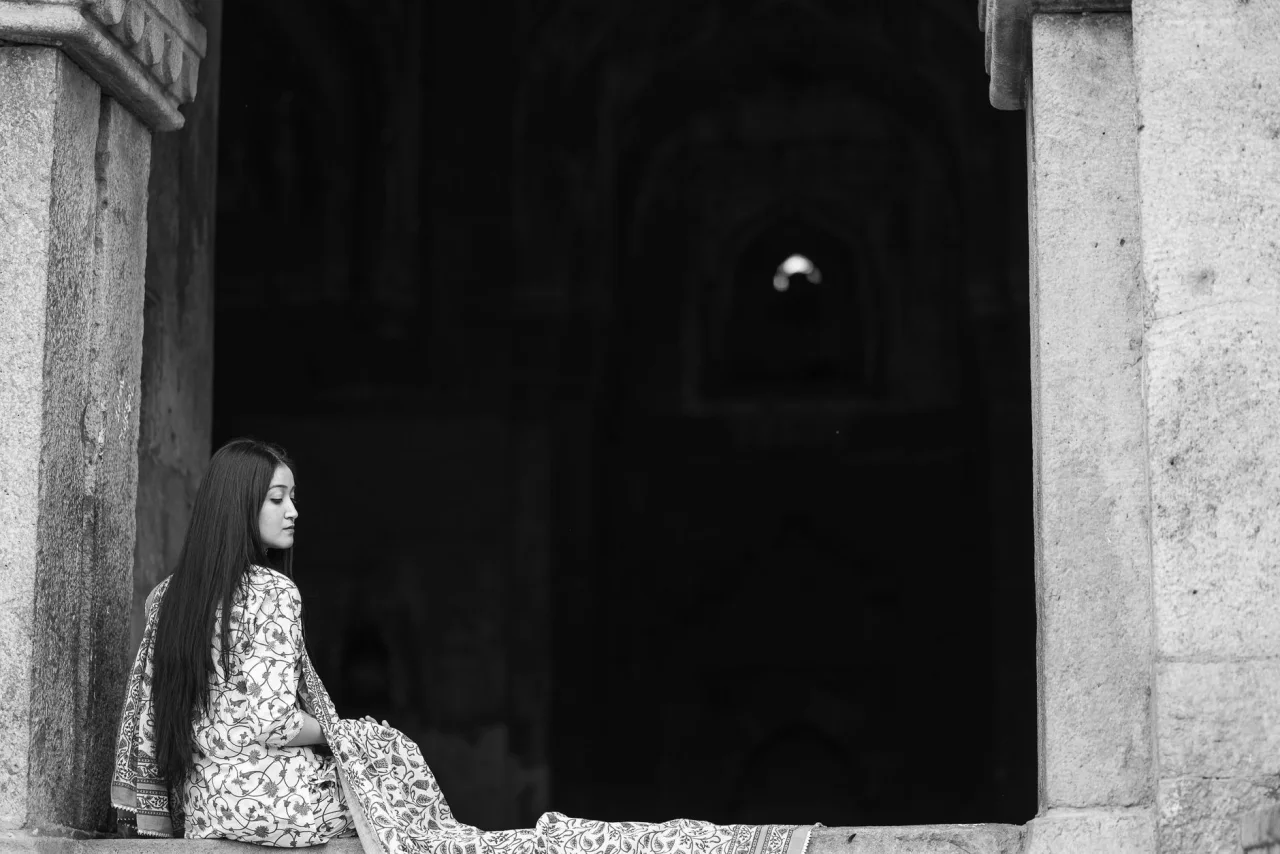
The anarkali is having another strong year, and 2026 is less about reinventing the silhouette than about refining it: cleaner flares, softer palettes and smarter mixing of heritage embroidery with modern tailoring. Below are more than twenty anarkali design ideas, grouped by occasion and budget so you can find one that fits both your event and your wallet. Treat this as an inspiration board rather than a shopping list, since fabric, work and retailer change everything.
The short version
- Twenty-plus anarkali design ideas sorted by occasion (day, festive, party, bridal) and rough budget band.
- The big directions this year: floor-length drama, angrakha and jacket layering, pastel and jewel tones, and lighter hand-work.
- Every "trend" here is a style direction, not a sales statistic; anarkalis are a classic, so nothing dates fast.
- New to the silhouette? Read the anarkali explainer first, then use this page to pick a direction.
How to read this design roundup
These ideas are organised by where you would actually wear them, and each carries a realistic price band. Prices vary widely by fabric, amount of hand-work, brand and country, so treat the bands as ballpark ranges and always confirm current pricing with the seller. As a rough guide: budget means machine work on light fabric, mid-range means mixed hand and machine work, and premium means heavier hand embroidery or designer labels. If you are still deciding whether the anarkali is your silhouette at all, start with our guide to what an anarkali suit is.
Everyday and daytime anarkalis (budget-friendly)
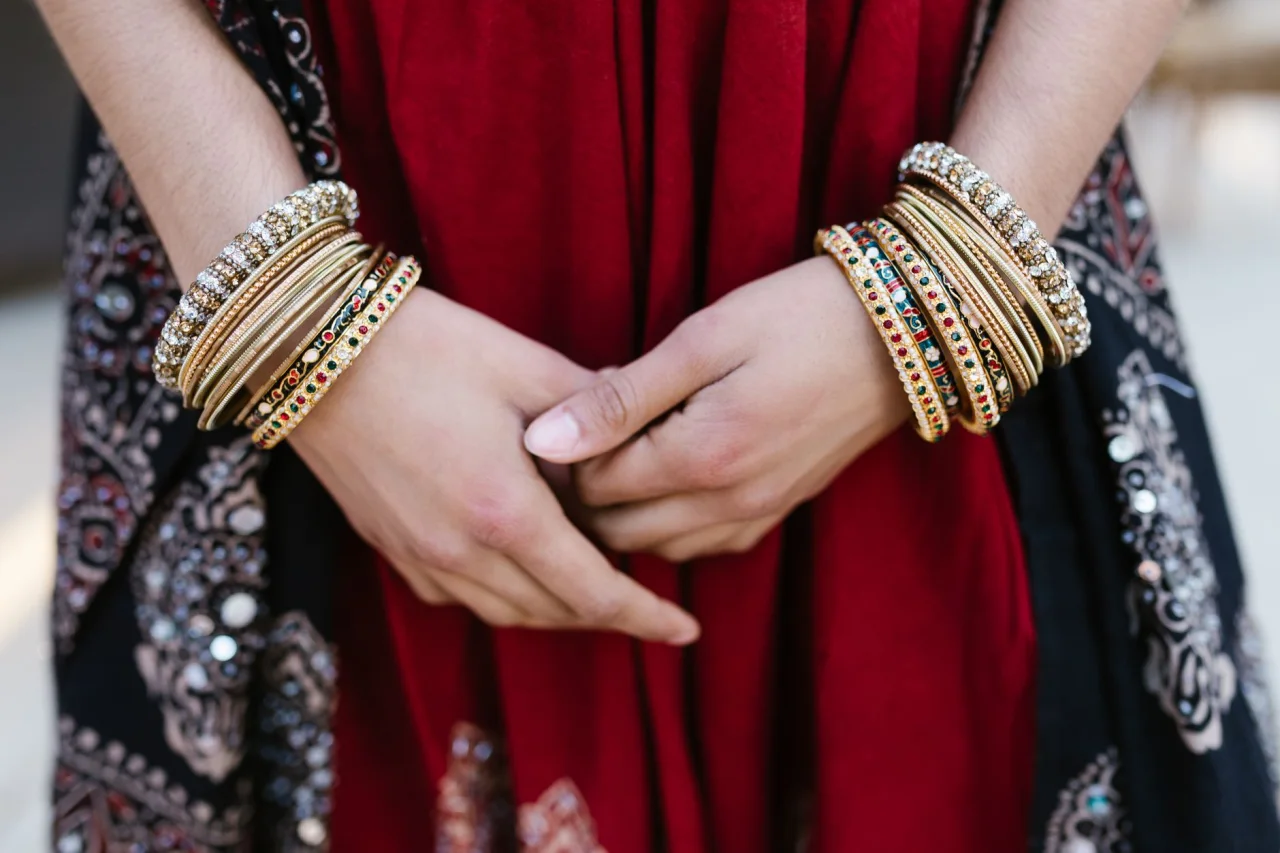
Light, breathable and easy to move in, these are the anarkalis you reach for on ordinary days.
- Cotton chikankari anarkali: soft white-on-white Lucknawi chikankari on pastel cotton. Cool, elegant and endlessly wearable.
- Block-print calf-length anarkali: hand or machine block prints on cotton or lawn, ideal for summer.
- Solid-colour A-line anarkali: a plain flare in a strong single shade, dressed up only with earrings.
- Printed georgette day anarkali: floral or geometric prints on light georgette for a softer fall.
- Contrast-yoke cotton anarkali: an embroidered or printed yoke over a plain flare, a budget way to add interest.
Festive anarkalis for Eid and family functions (mid-range)
A step up in fabric and shine, built to photograph well without weighing you down.
- Pastel georgette anarkali with sequins: mint, powder blue or blush with light sequin scatter, perfect for Eid mornings.
- Angrakha-style anarkali: a soft side-tied overlap borrowed from the angrakha, flattering and distinctive.
- Mirror-work festive anarkali: scattered mirror work that catches the light beautifully in day and evening.
- Ombre flare anarkali: a graded colour wash from pale bust to deeper hem, a modern favourite.
- Short jacket over anarkali: a cropped embroidered jacket layered on a plain frock for structure.
Styling note
For festive daytime, keep one thing loud and everything else quiet. A heavily worked yoke pairs best with a plain dupatta and simple studs; a plain frock earns a statement dupatta and jhumkas. Balance stops the outfit from looking busy in photos.
Party and evening anarkalis (mid to premium)
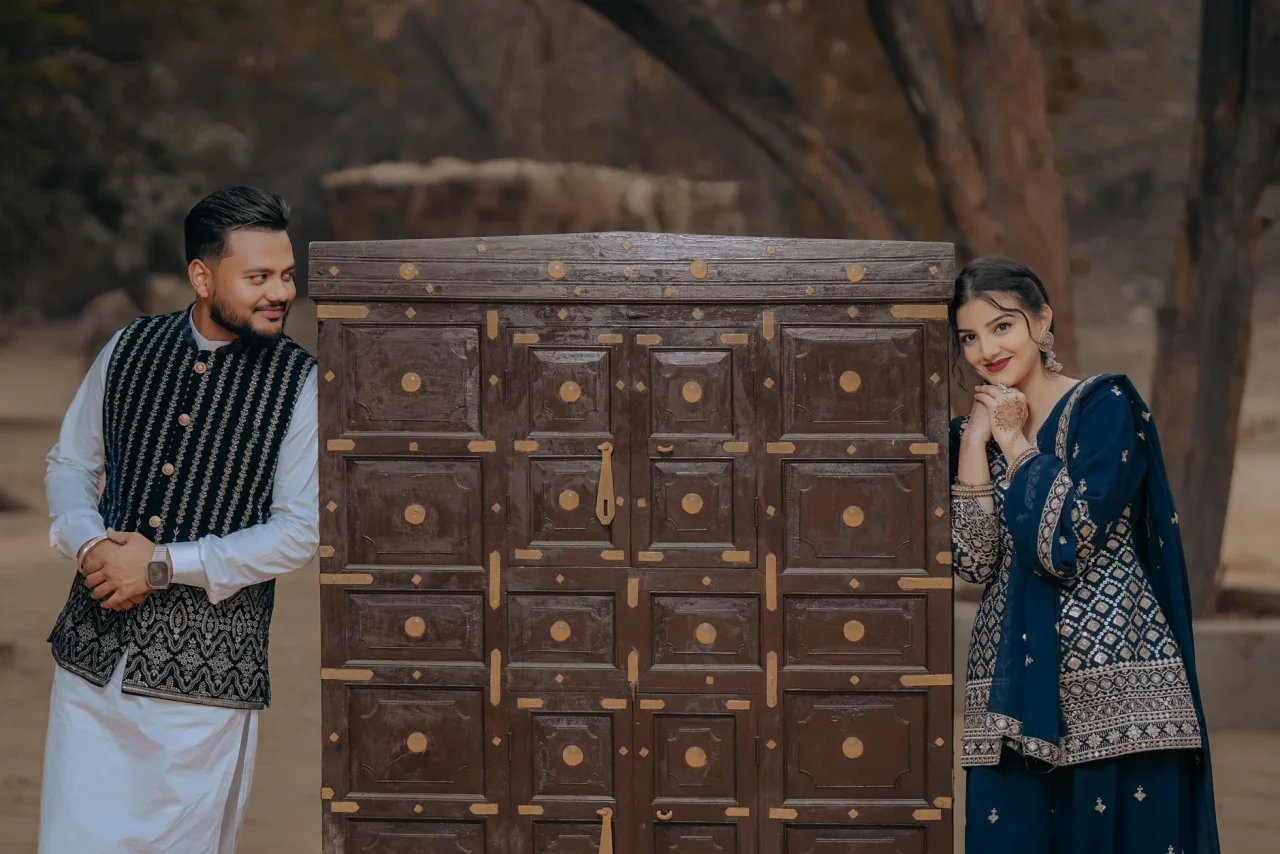
These lean into shine and movement for dinners, receptions and cocktail evenings.
- Floor-length net anarkali: classic drama in net with a scalloped, embroidered hem.
- Velvet winter anarkali: deep wine, emerald or navy velvet with metallic thread, made for cold-weather events.
- Cape anarkali: a sheer or embroidered cape replacing the dupatta for a fuss-free, modern line.
- Gown-style anarkali with train: a fusion cut that reads like an evening gown while keeping desi detailing.
- Jewel-tone zari anarkali: sapphire, ruby or emerald with zari borders for a rich, formal finish.
- Layered double-flare anarkali: two tiers of flare for extra sweep and drama on the dance floor.
Bridal and wedding-party anarkalis (premium)
The heaviest, most detailed end of the spectrum, built for weddings, engagements and receptions.
- Zardozi bridal anarkali: heavy metallic zardozi hand-work on silk or velvet, in classic red, maroon or gold.
- Pastel bridal anarkali: ivory, sage or dusty rose with tonal hand embroidery, popular for daytime and intimate weddings.
- Jacket anarkali with full-length coat: a floor-length embroidered jacket over a fitted inner, regal and structured.
- Trail anarkali for the reception: a sweeping train with a heavily worked border for a walima or reception entrance.
- Contrast-dupatta bridal set: a solid frock paired with an intensely embroidered dupatta as the hero piece.
- Kalidar floor-length anarkali: a many-panelled construction for the fullest possible circular sweep.
If a wedding is the reason you are shopping, cross-check our bridal dress ideas and, for a lighter role, mehndi outfit ideas.
Colour and fabric directions for 2026
Two moods dominate this year. On one side, soft pastels: sage, butter, dusty rose, powder blue and ivory, usually with tonal or pearl work for a quiet, modern look. On the other, saturated jewel tones: emerald, sapphire, wine and deep gold, carried on richer fabrics for evening and winter. Fabric-wise, fluid georgette and chiffon dominate day and festive wear, net rules party dressing, and velvet returns every winter for formal occasions. For a deeper compare of drape and behaviour, our chiffon guide is a useful primer.
Turning a design idea into the right buy
A gorgeous design still has to fit you and survive real wear. Match the flare to your frame, the fabric to your season and the work to your budget, then check the tailoring before you commit. Our anarkali buying guide walks through fit, fabric and price bands in detail, and once it arrives, the styling guide shows how to accessorise each look. For inspiration beyond anarkalis, browse the wider designer suit design roundup.
Frequently asked questions
Which anarkali designs are trending in 2026?
The strongest directions are floor-length flares, angrakha and jacket layering, soft pastels with tonal work, and saturated jewel tones on net and velvet for evening. These are style directions rather than fixed rules, and because the anarkali is a classic silhouette, none of them date quickly.
How much does a good anarkali suit cost?
It depends heavily on fabric, the amount of hand embroidery, the brand and your country. As a rough guide, machine-worked light-fabric anarkalis sit at the budget end, mixed hand and machine work is mid-range, and heavy hand embroidery or designer labels are premium. Always confirm current pricing with the seller before buying.
What is the difference between a floor-length and a knee-length anarkali?
A floor-length anarkali sweeps to the ankles or floor and reads as the most formal and dramatic option, ideal for weddings and receptions. A knee to calf-length anarkali has a shorter, easier flare that suits daywear and semi-formal events and is simpler to move in.
What is an angrakha anarkali?
An angrakha anarkali borrows the overlapping, side-tied front of the traditional angrakha, so the frock wraps and fastens to one side instead of opening down the centre. It gives a soft, asymmetric line and is a popular way to make a plain flare more distinctive.
Which fabric is best for a party anarkali?
For evening parties, net is the go-to for its structured flare and embroidery-friendly surface, while velvet is the winter favourite for its richness and warmth. Georgette and chiffon give a softer, floatier fall that suits festive daywear and warmer climates.
More on Clothing Types
Have a question or a topic to suggest?
We read every message. Tell us what you would like to see next in the journal.
Get in touch