What Is Zari?
The metallic thread behind Banarasi weaves explained: origins, how it is made, and how to spot real zari.
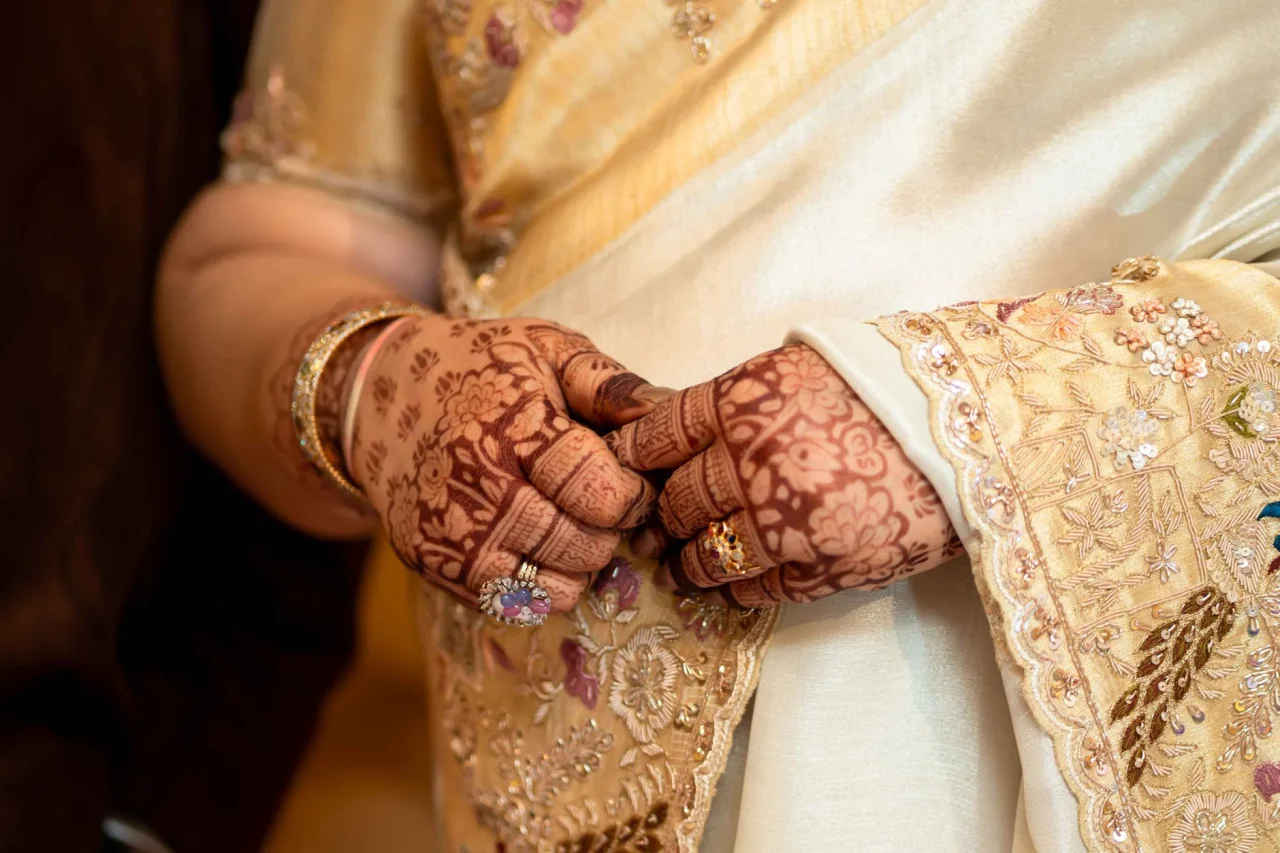
Zari is the shimmering metallic thread that gives a Banarasi sari its glow and a bridal lehenga its weight of gold. For centuries it literally was gold and silver, and today it ranges from precious metal to clever synthetics. This guide explains what zari is, where it comes from, how it is made, the garments it defines, and how to tell real zari from imitation before you pay for it.
The short version
- Zari is a metallic thread, traditionally fine gold or silver wound on a silk core, used in South Asian garments.
- It rose to prominence in the Mughal era, and the port city of Surat in Gujarat is its great production hub.
- There are three broad grades: real zari with precious metal, imitation zari using coated copper, and modern metallic zari using synthetic film.
- Real zari feels heavier and tarnishes over time; bright, feather light, non tarnishing thread is usually synthetic.
What zari is
Zari is an even, lustrous thread traditionally made of fine gold or silver and used in traditional Indian, Pakistani and Bangladeshi garments. The basic construction is a flattened metallic strip wound tightly around a core yarn, most often silk, so the finished thread can be woven or embroidered like any other while carrying a metal surface that catches light. It is the material behind much of the region's most opulent formalwear, from woven sari borders to dense bridal embroidery.
Zari is one strand in a wider family of metallic and thread embellishment; our overview of the different types of embroidery in Pakistani fashion shows how it sits alongside related techniques.
A short history

Zari work flourished during the Mughal period, when metallic thread became a hallmark of court textiles and luxury dress. The craft became closely tied to Surat in Gujarat, which grew into a major centre for reviving and producing the thread, helped by its position on trade and pilgrimage routes that carried skills and materials. Today Surat is described as the world's largest producer of zari in all its forms, from threads to laces, borders and trims, and the material remains central to the region's heritage weaves.
How zari is made
The core technique is consistent across grades: a flattened metallic strip is wound or wrapped around a core yarn. What changes is the metal and the core.
- Real zari: silver is drawn and flattened through rollers, wound onto a silk core, and often electroplated with gold for extra lustre. This is the precious, traditional form.
- Imitation zari: copper wire is electroplated with silver to mimic the look at a lower cost, giving a convincing shine without precious metal.
- Metallic zari: the modern version wraps a slit metallised polyester film around the core, producing thread that is lightweight, durable and tarnish resistant using no precious metal at all.
Because the thread can be either woven into cloth on the loom or couched and stitched onto a finished garment, zari appears both as woven borders and motifs and as surface embroidery.
Styling note
A little zari goes a long way. A sari with a zari border and a scattering of woven motifs reads as elegant, while an all over metallic ground suits bridal and heavy occasion wear. For daywear, look for fine zari detailing on a matte ground rather than head to toe shine, and let the metal be the accent.
The garments it defines
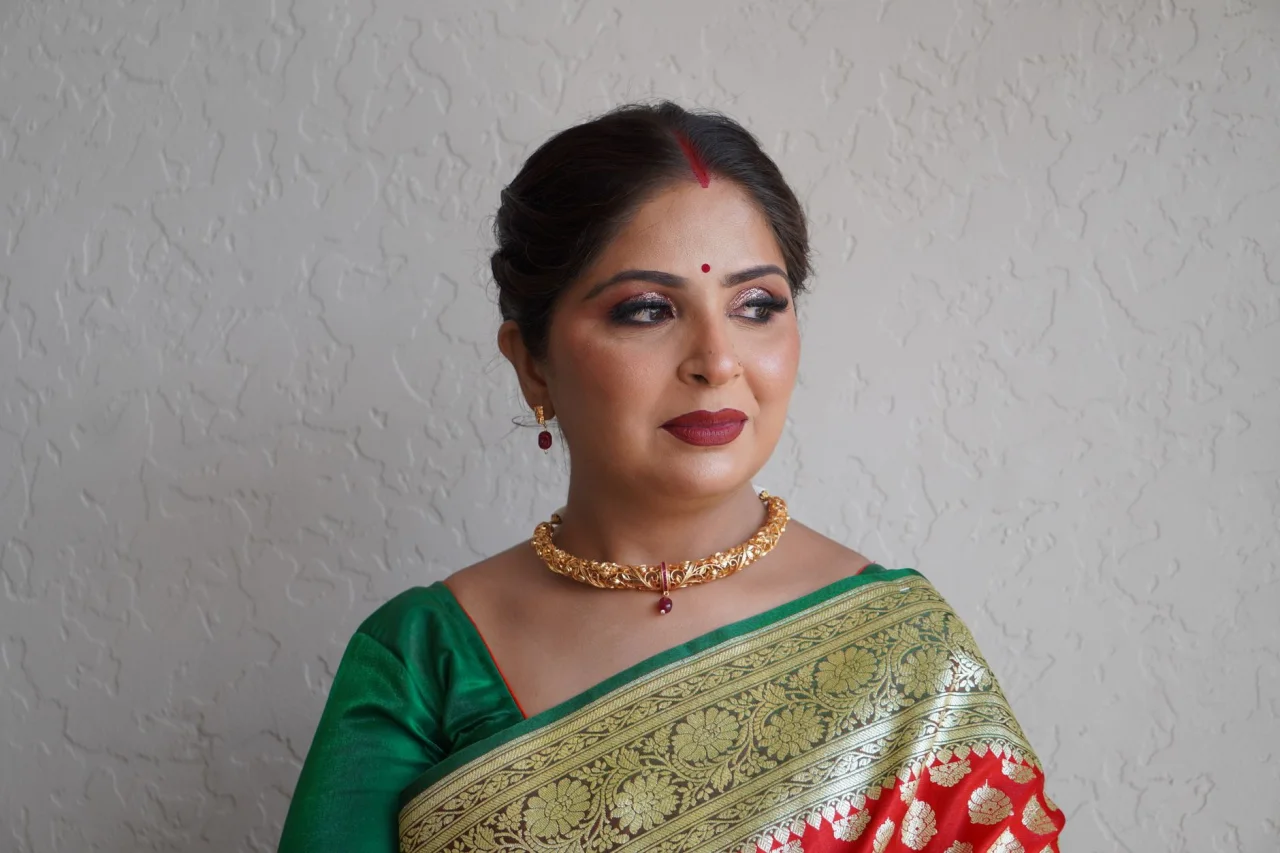
Zari is most associated with the region's grand weaves and formalwear. It appears prominently on saris, ghararas, lehengas, cholis, kurtas and dhotis, and it is the defining feature of elaborately decorated Banarasi and Kanchipuram pieces, where gold and silver toned motifs are woven directly into silk. In embroidery, zari threads are couched into borders, necklines and all over patterns on bridal and festive outfits, often combined with other metallic techniques for depth.
If you enjoy the metallic tradition, you may also want to read about the raised metal coil work of tilla and the applied metallic ribbon of gota, both close cousins of zari in occasion wear.
How to spot quality and real zari
Distinguishing real zari from imitation and synthetic matters most when you are paying a premium. A few practical checks:
- Weight: real gold and silver zari adds noticeable weight to a garment. Feather light metallic thread on a heavily worked piece is usually synthetic.
- Tarnish: genuine metal zari can dull or tarnish over years, which is a sign of real content, while synthetic metallic thread stays bright and does not tarnish.
- Colour under wear: imitation zari made from silvered copper can show a warmer, coppery tone where the coating wears, especially at edges and folds.
- Shine quality: real zari tends to have a deeper, softer glow, while synthetic film can look flatter and more uniformly bright.
- Provenance and price: authentic heritage weaves come with a price that reflects precious metal and hand weaving. If the price seems too low for the claim, treat it with caution.
These same principles of examining shine, weight and wear apply across metallic work; our guide to hand vs machine embroidery and our explainer on tonal chikankari round out the picture of how to read quality in South Asian embroidery.
Caring for zari
Zari, especially real metal zari, needs gentle handling. Avoid moisture and perfume directly on the thread, since both can accelerate tarnishing. Store zari pieces wrapped in soft muslin rather than plastic, which can trap humidity, and refold occasionally to avoid permanent creases along metallic borders. Press on the reverse with low heat, and choose careful hand cleaning or a specialist over aggressive washing. Handled well, a good zari garment can last for decades and pass down generations.
Frequently asked questions
What is zari made of?
Traditionally zari is a fine gold or silver strip wound around a silk core, but modern versions vary. Real zari uses precious metal, imitation zari uses copper electroplated with silver, and metallic zari wraps a slit metallised polyester film around the core. The construction of a metal strip on a core yarn is common to all of them.
Where does zari come from?
Zari work rose to prominence during the Mughal era and became closely associated with the port city of Surat in Gujarat, which today is described as the world's largest producer of zari in all its forms. It is used across Indian, Pakistani and Bangladeshi garments and is central to heritage weaves like Banarasi and Kanchipuram.
How can I tell real zari from imitation?
Real metal zari adds noticeable weight and can tarnish over the years, while synthetic metallic thread stays bright and feels very light. Imitation silvered copper zari may show a coppery tone where the coating wears. A deeper, softer glow and a price that reflects precious metal all point to genuine zari.
Which garments use zari?
Zari appears on saris, ghararas, lehengas, cholis, kurtas and dhotis, and it defines elaborately woven Banarasi and Kanchipuram pieces. It is used both as woven borders and motifs on the loom and as couched surface embroidery on bridal and festive outfits, often alongside other metallic techniques.
Does zari tarnish, and how do I care for it?
Real metal zari can tarnish over time, which is actually a sign of genuine content. To slow it, keep the thread away from moisture and perfume, store the garment wrapped in soft muslin rather than plastic, refold occasionally, and press on the reverse with low heat. Choose gentle hand cleaning or a specialist over harsh washing.
More on Embroidery
Have a question or a topic to suggest?
We read every message. Tell us what you would like to see next in the journal.
Get in touch