Gota Lehenga: Designs for 2026
Bright Rajasthani ribbon work on a flared ghagra, a classic mehndi and daytime wedding choice.
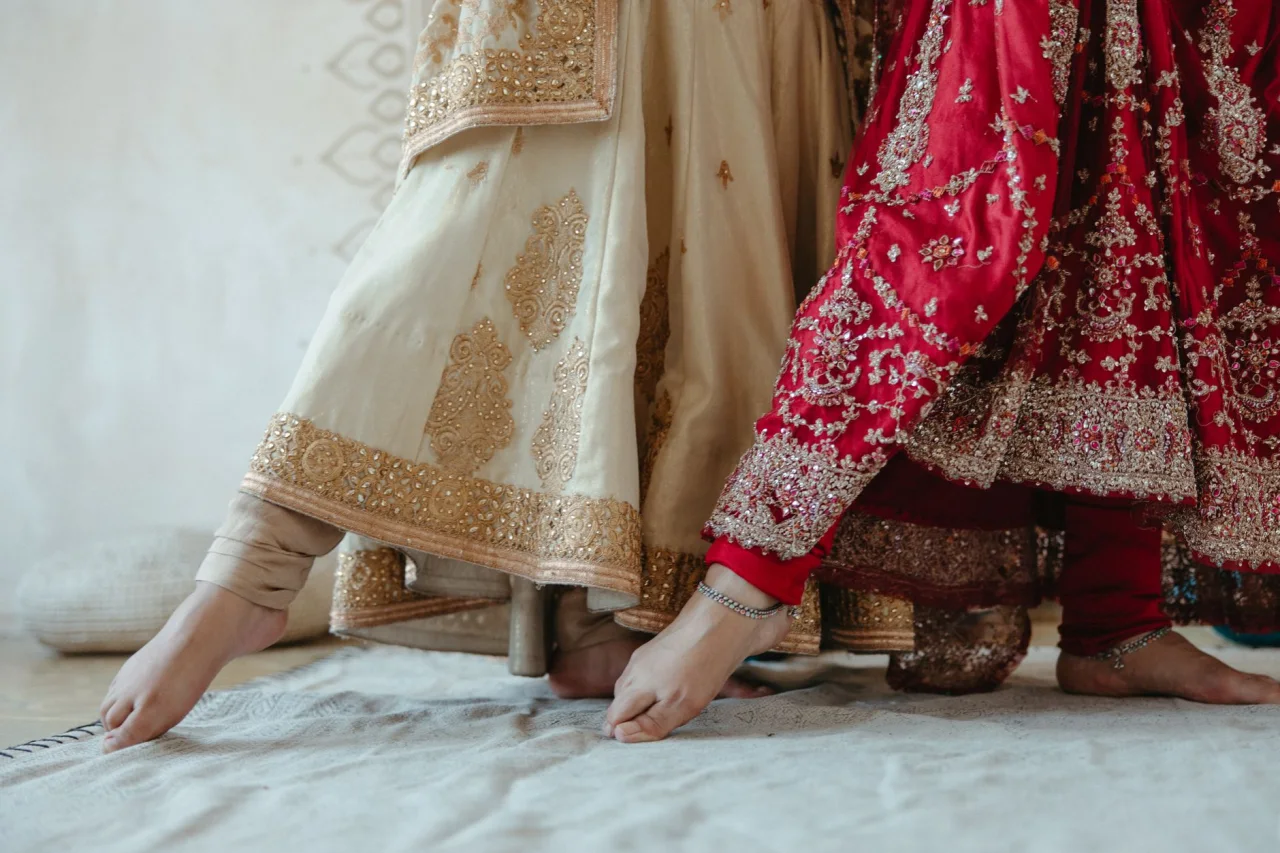
A gota lehenga is the full, celebratory expression of Rajasthani gota work: gleaming metallic ribbon spread across a flared ghagra, a fitted choli and a flowing dupatta. It is the piece brides reach for at a mehndi and guests choose when an occasion truly deserves shine. This guide covers the gota lehenga designs worth buying in 2026, how to judge quality on a large garment, honest price ranges, and which occasions each style suits.
The short version
- Gota is an applique embroidery from Rajasthan, India, made by stitching gold or silver ribbon and lace onto cloth, and on a lehenga it delivers rich festive shine while staying lighter than dense zardozi.
- Gota lehengas are made for mehndi, sangeet, and bright daytime or garden weddings, and are a classic bridal choice for the mehndi function itself.
- On a large flared skirt, quality shows in securely stitched, evenly spaced borders and clean corners, not in how much foil is glued on.
- Prices swing enormously by fabric, density of gota and retailer, so treat the figures below as ranges and confirm current pricing.
Why a gota lehenga for 2026
Gota carries a specific mood: sunny, festive, unmistakably rooted in Rajasthani wedding tradition. On a lehenga that mood scales up. A gota ghagra catches light with every movement, which is exactly why it has become the default mehndi outfit for so many brides. Because gota is applied metallic ribbon rather than heavy metal thread, a Rajasthani applique craft detailed on Wikipedia's gota embroidery page, a gota lehenga reads as bright and rich yet stays lighter and easier to dance in than a fully zardozi worked one.
For 2026 the strongest looks lean into that heritage: bright yellows, oranges, fuchsia and leaf green grounds, gota borders in graduated widths, and gota patti motifs scattered like flowers across the skirt. The lehenga itself, an ankle length flared skirt worn with a choli and dupatta, gives gota a huge canvas, so the skill is in balance rather than sheer coverage.
Judging gota quality on a lehenga
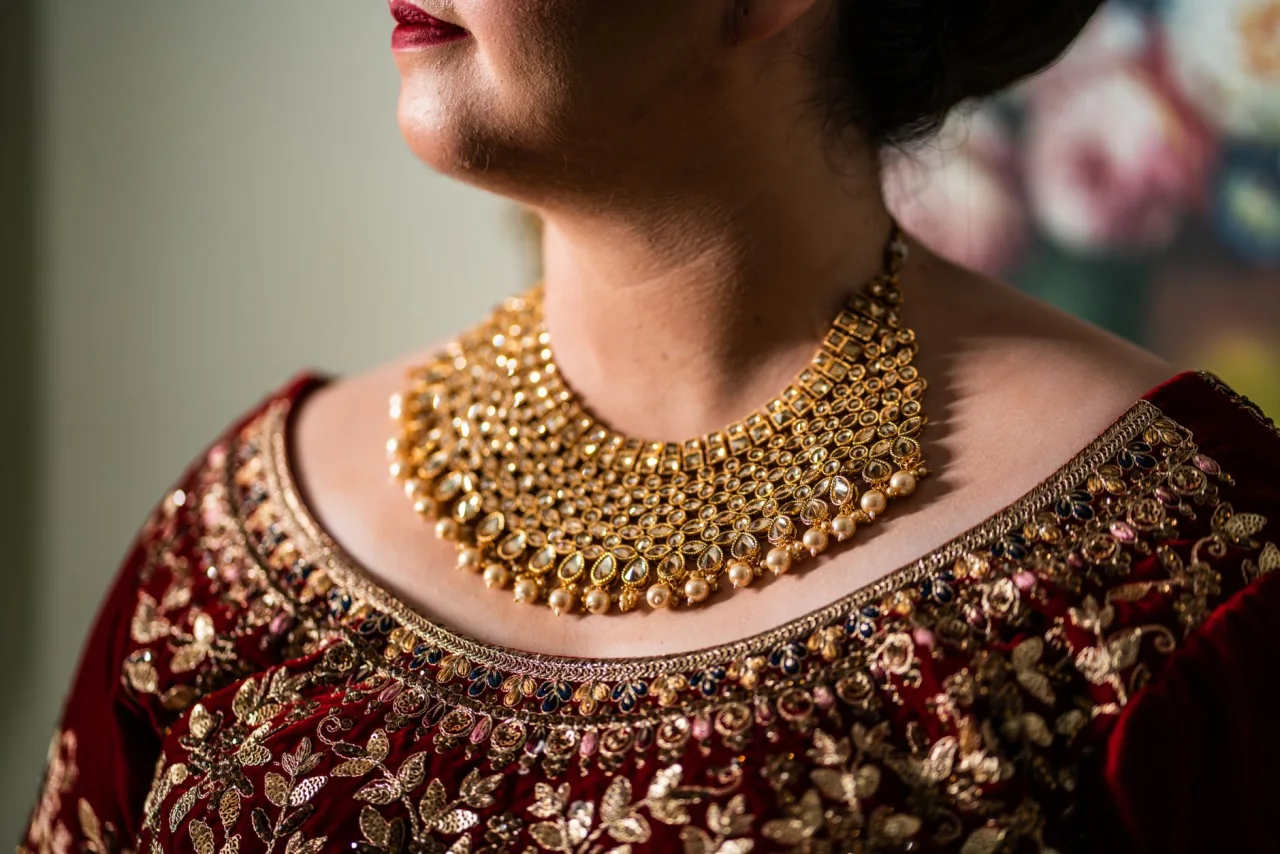
A lehenga is a big, expensive garment, so the stakes for quality are higher. The main failures to avoid:
- Securely stitched borders. Every gota border on the skirt should be sewn flat along both edges. On a heavy skirt that swishes, poorly tacked ribbon lifts and frays within a few wears.
- Even spacing and graduation. Well designed gota lehengas use borders that graduate in width down the skirt or space motifs evenly. Bunched or uneven work looks cheap up close.
- Clean corners and joins. Where borders meet panel seams, look for neat folds rather than raw cut ribbon ends.
- Ribbon over glue. Genuine gota is woven metallic ribbon or lace, stitched down. Glued foil stiffens the skirt, peels and tarnishes, so a stiff plasticky hem is a red flag.
- Choli and dupatta consistency. Make sure the choli and dupatta use the same quality gota as the skirt, not a thinner ribbon to save cost.
Gota lehenga designs worth buying in 2026
These are honest, widely available directions rather than invented collections.
The bright Rajasthani mehndi lehenga
Sunny yellow, orange or fuchsia with graduated gota borders and gota patti flowers across the ghagra. This is the archetypal mehndi look and the reason many brides own a gota lehenga.
Gota patti with leheriya or bandhani ground
Gota over a tie dyed leheriya or bandhani skirt marries two Rajasthani crafts. The pattern beneath adds depth so the gota does not have to cover everything.
Pastel gota lehenga
For a softer, more contemporary bride, gota on ivory, blush, mint or powder blue gives the festive shine in a gentler palette that suits a daytime or garden wedding.
Gota with mirror and resham
Mixing small mirrors and coloured resham with the gota brings a folk richness and colour that photographs beautifully at a lively sangeet or dholki.
Styling note
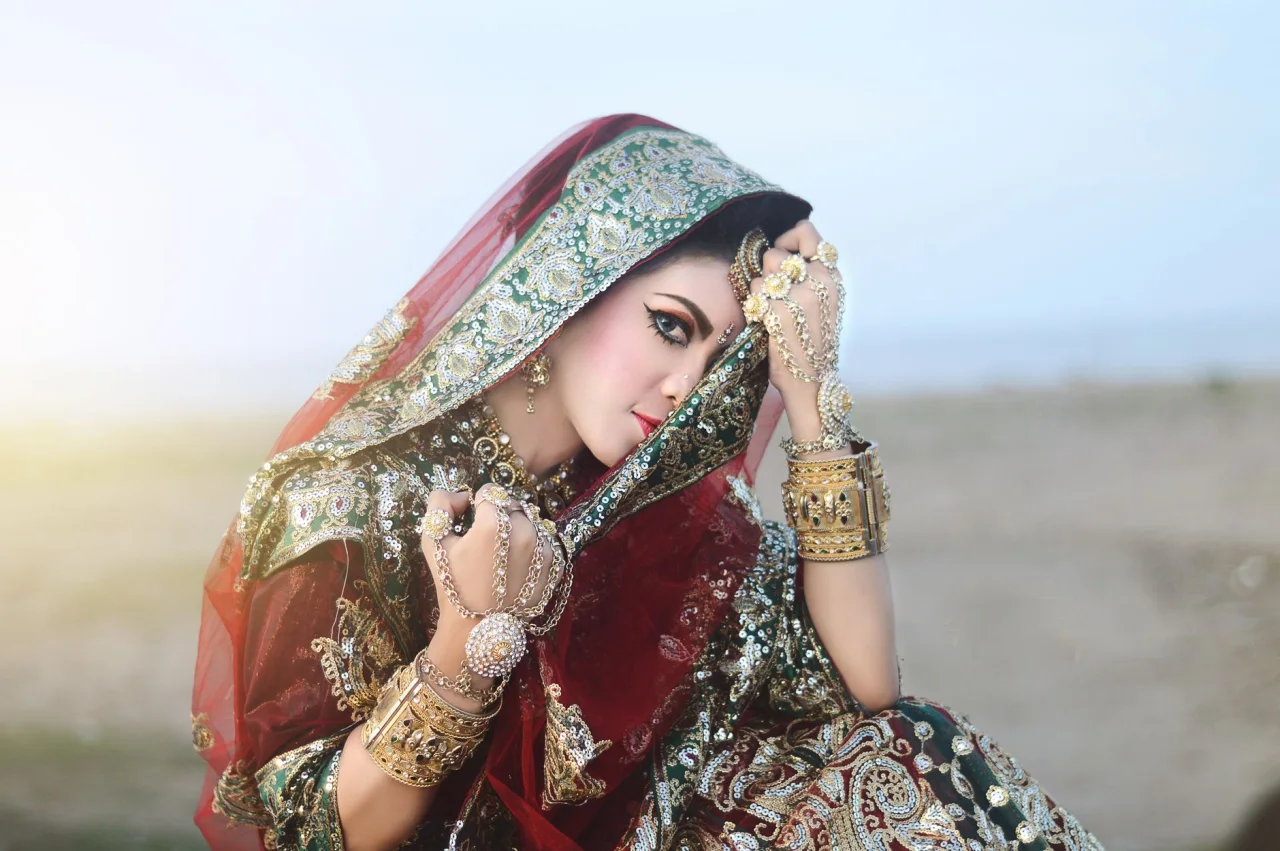
Gota lehengas love traditional accessories. Layer kundan or gold jewellery, a maang tikka and plenty of bangles, and drape the gota dupatta over one shoulder or on the head for a bridal look. Flowers, real gajra or fresh blooms in the hair, suit the mehndi mood perfectly. For draping and accessory pairings, see our guide to styling a lehenga for every occasion.
Fabrics that carry gota lehengas best
- Georgette: flares softly, holds gota well and moves beautifully, the popular choice for mehndi lehengas.
- Cotton and mulmul: breathable and traditional for daytime and summer functions.
- Raw silk: gives body and a rich sheen, good for a more formal gota lehenga.
- Net: used for extra flare and layering, though heavy net loses the airy feel gota does best with.
Before you commit, our guide to choosing the perfect lehenga walks through skirt cuts, cans and fit, and if this is your wedding, the dedicated bridal lehenga guide covers timelines and fittings.
Honest price ranges
Gota lehenga pricing has an enormous spread. As orientation only, always to be confirmed with the seller:
- Light film gota borders on cotton or georgette: the affordable festive end, good for guests.
- Metallic gota with patti motifs and matched choli and dupatta: a clear mid step, the sweet spot for a mehndi outfit.
- Dense gota with mirror, resham or a bandhani ground on silk: the top end, bridal territory.
Prices vary widely by fabric, density of work, brand and retailer, so confirm current pricing before buying. Semi stitched skirts finished by a trusted tailor can offer better value and fit than ready to wear.
Occasions each style suits
- Mehndi as the bride: bright Rajasthani gota with patti flowers, full jewellery.
- Sangeet and dholki: gota with mirror and resham for colour and movement.
- Daytime or garden wedding guest: pastel gota lehenga.
- Festive family function: gota over bandhani or leheriya for a heritage look.
Caring for a gota lehenga
A gota lehenga is a keepsake piece, so care for it accordingly. Always dry clean it rather than washing, since the skirt is large, heavy and embellished. Store it flat or rolled with acid free tissue rather than crushed on a hanger, which strains the borders and the pleats. Keep it in a breathable cotton cover, not plastic, so the metallic ribbon does not tarnish, and refold it occasionally so creases do not set. Keep it away from rough velcro and jewellery that can snag the gota.
How the gota lehenga fits the family of gota pieces
The lehenga is the heaviest and most celebratory gota option. For everyday festive shine a gota kurti is enough, and for Eid or a family function a coordinated gota suit strikes the balance. If you love embroidery detail on a lehenga but want something lighter and more tonal than gota's bright shine, a chikankari lehenga offers the delicate, pastel alternative.
Frequently asked questions
What is a gota lehenga?
A gota lehenga is a flared skirt outfit, ghagra, choli and dupatta, decorated with gota work, an applique embroidery from Rajasthan in which gold or silver ribbon and lace are stitched onto the fabric. It delivers rich festive shine while staying lighter than dense zardozi, which is why it is a favourite for mehndi and bright daytime weddings.
Is a gota lehenga a good bridal choice?
Yes, especially for the mehndi function, where its sunny, celebratory Rajasthani mood fits perfectly. Many brides wear a gota lehenga for the mehndi and a heavier piece for the main wedding. A pastel gota lehenga also works well for a daytime or garden wedding for brides who want a softer palette.
How can I tell if a gota lehenga is good quality?
Check that every border is stitched flat along both edges and spaced evenly, with clean folds at corners and panel seams, and that the choli and dupatta use the same quality gota as the skirt. Avoid pieces where the gota is glued or foiled on, since glue stiffens the skirt, peels and tarnishes. Genuine woven metallic ribbon holds its shine far longer.
How much does a gota lehenga cost?
The spread is enormous. Light film gota borders on cotton or georgette sit at the affordable end, metallic gota with patti motifs and a matched choli and dupatta are a mid step, and dense gota with mirror, resham or a bandhani ground on silk reaches bridal pricing. Cost depends on fabric, density of work, brand and retailer, so always confirm current pricing.
How do I store a gota lehenga?
Dry clean it rather than washing, then store it flat or rolled with acid free tissue rather than crushed on a hanger, which strains the borders and pleats. Keep it in a breathable cotton cover instead of plastic so the metallic ribbon does not tarnish, refold it occasionally so creases do not set, and keep it away from anything that can snag the gota.
More on Embroidery
Have a question or a topic to suggest?
We read every message. Tell us what you would like to see next in the journal.
Get in touch