How to Choose a Bridal Lehenga
Silhouette, fabric, colour, budget and timeline, worked through in order.
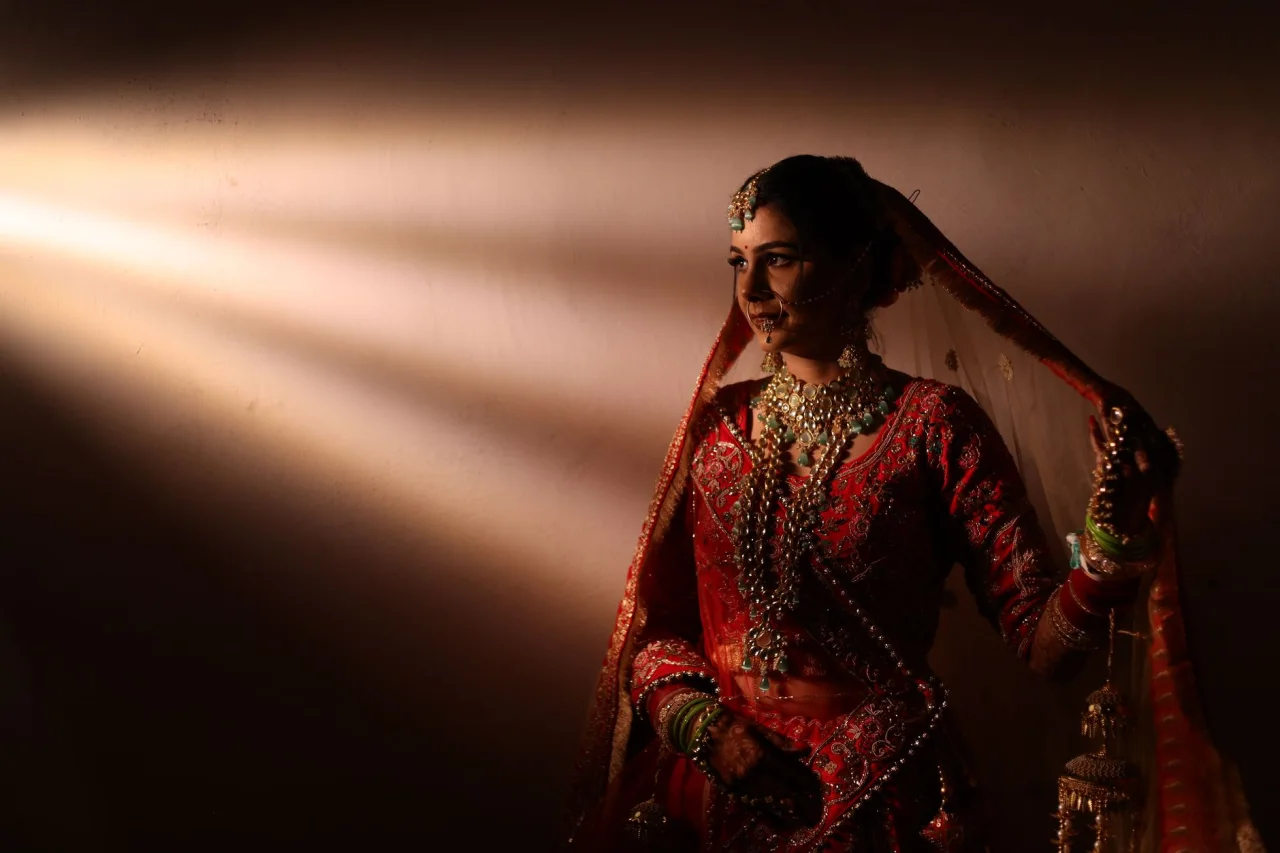
Your bridal lehenga is the single most photographed outfit you will ever own, and choosing it well is part instinct and part planning. Silhouette, fabric, embroidery, colour, budget and timeline all pull in different directions, and the brides who feel most comfortable on the day are the ones who worked through them in order. This step-by-step guide takes you from body type to final fitting so you buy with confidence, not panic.
The short version
- Start with silhouette by body type, then let fabric and embroidery follow, not the other way round.
- Give yourself a realistic timeline: custom bridal lehengas take months, so start early.
- Set a budget range before you shop and treat the blouse, dupatta and petticoat as part of the cost.
- Book fittings and a final trial well ahead so nothing is rushed in the last week.
Know what a lehenga is, and why it suits a bride
A lehenga is an ankle-length skirt from the Indian subcontinent that became popular from the sixteenth century, worn with a fitted blouse (choli) and a dupatta. Its flare and its capacity to carry heavy embroidery are exactly what make it the natural showpiece of a wedding. As the overview notes, gota patti and other elaborate embroidery are often used for festival and bridal lehengas, which is why the garment reads as ceremonial from across the room.
Before you shop, it helps to understand the pieces you are buying so nothing surprises you at billing: the skirt itself, the choli, the dupatta (sometimes two), and the inner petticoat and canning that give the skirt its shape. If you want the full background on construction and styles, our complete lehenga guide and the lehenga choli guide lay it out.
Step 1: Choose a silhouette for your body type
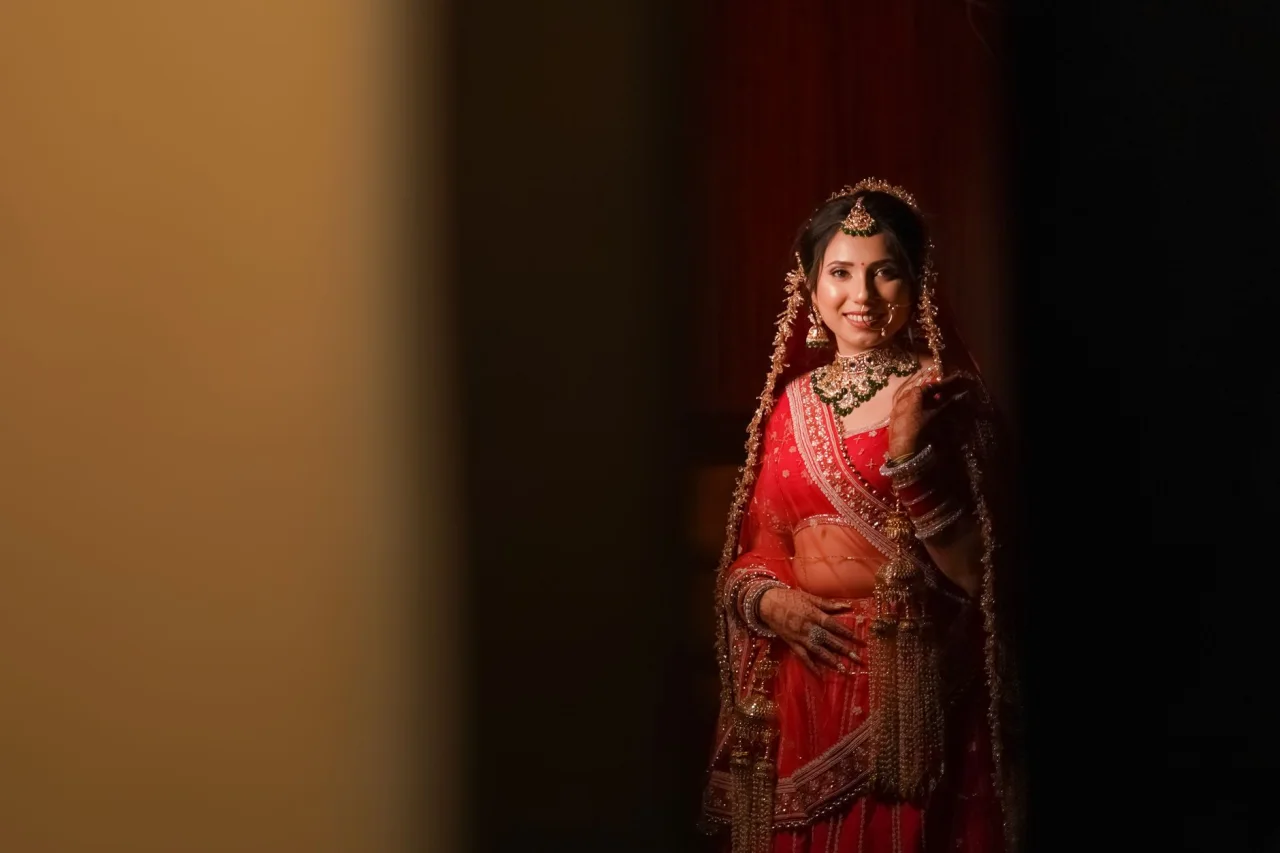
Silhouette is the first decision because it shapes everything else. The lehenga comes in several cuts, and each flatters a different frame:
- A-line: the most universally flattering, gently widening from the waist to skim over hips and thighs. A safe first choice for most brides.
- Flared or circular (ghagra): maximum volume and drama, best if you are happy to manage the weight and want a fairytale entrance.
- Mermaid or fishtail: fitted through the hip and flaring at the knee, striking on taller and hourglass frames but less forgiving.
- Panelled: vertical panels that create a lengthening line, flattering on shorter and fuller figures.
- Straight or slim: a sleeker, lower-volume option for petite brides or a more modern look.
Try more than one cut in person before you commit; a silhouette can look completely different on you than on a mannequin. For styling context once you have chosen, our lehenga styling guide shows how each shape behaves in motion.
Styling note: balance the volume
- A heavy, voluminous skirt pairs best with a fitted, simpler blouse so the look is not overwhelming.
- A slimmer skirt can carry a more elaborate or structured blouse and a heavier dupatta.
- Petite brides often look taller in a lighter skirt and a shorter blouse; taller brides can carry more volume.
Step 2: Fabric and embroidery
Fabric decides how the lehenga moves, how warm it is, and how it photographs. Common bridal choices include raw silk and velvet for structure and richness, net and organza for lightness and flare, and silk for a classic drape. Velvet suits winter weddings and holds heavy embroidery beautifully; net and organza keep a large skirt from becoming too heavy to dance in.
Embroidery is where a bridal lehenga earns its formality. Traditional techniques include zardozi, gota, dabka, tilla, resham thread work and mirror work, often combined. Heavier hand embroidery costs more and adds weight, so weigh the drama you want against how long you will be on your feet. If you want to understand the techniques before you shop, our guides to zari work and mirror work explain how to spot quality.
Step 3: Colour
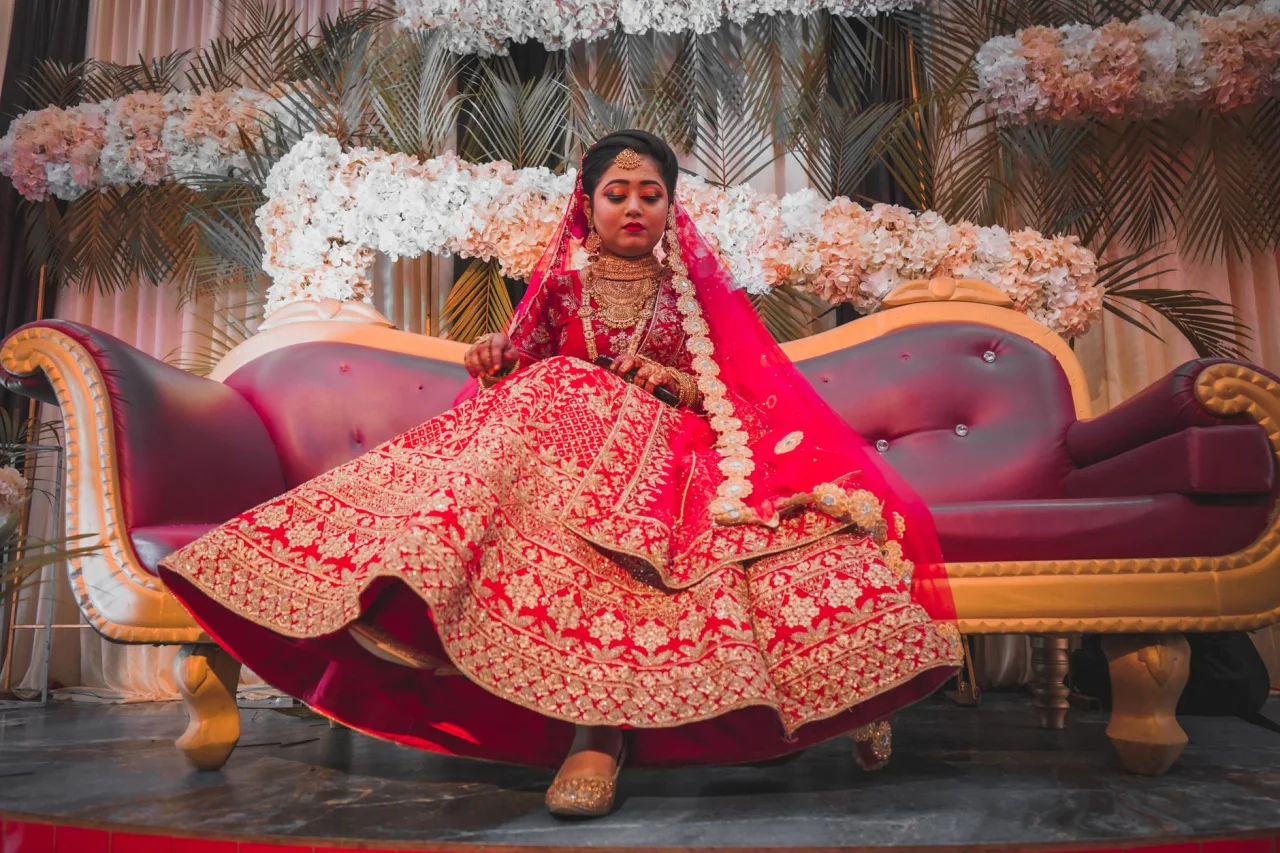
Red and maroon remain the classic bridal colours across Pakistani and North Indian weddings, but the palette has widened. Deep jewel tones (emerald, sapphire, wine), soft pastels (blush, powder blue, mint) and metallics (rose gold, champagne, antique gold) are all popular, especially for brides who want a different look for a second event such as the walima. Choose a colour that flatters your skin and photographs well under your venue's lighting, warm banquet light favours jewel tones and metallics, while daytime and garden weddings suit lighter shades.
If you are dressing for a full run of events, plan your bridal colours so each function looks distinct: a red or deep tone for the baraat, then a pastel or metallic for the walima. Our colour combinations guide can help you pair the skirt, blouse and dupatta.
Step 4: Budget realistically
Bridal lehenga prices vary enormously with fabric, the amount and type of embroidery, whether it is custom or ready-to-wear, and the retailer. Rather than fixate on a single figure, set a comfortable range before you shop and confirm current pricing directly with the boutique or designer, since costs shift by season, work and material. Remember that the quoted price may or may not include the blouse stitching, the second dupatta, the petticoat and any alterations, so ask what is bundled.
A few ways to protect your budget:
- Decide your maximum range first and treat it as firm before you fall in love with something above it.
- Ask exactly what is included: blouse, dupatta, canning, alterations.
- Consider that heavier hand embroidery and custom work cost more and take longer than machine work or ready-to-wear.
- Factor in jewellery, shoes and a dupatta setter or stylist if you plan to use one.
Step 5: Timeline and fittings
A custom bridal lehenga is not a quick purchase. Between design consultations, fabric sourcing, hand embroidery and multiple fittings, a bespoke piece can take several months, so start early rather than close to the date. Even a ready-to-wear lehenga usually needs alterations, which take time to do well.
- Several months out: decide silhouette, colour and budget, and begin shopping or commissioning.
- Mid-timeline: confirm the order, fabric and embroidery, and take accurate measurements.
- First fitting: check the skirt length, waist, blouse fit and dupatta, and flag adjustments early.
- Final trial: a week or two before, do a full trial with the blouse, petticoat, shoes and jewellery so nothing is a surprise on the day.
Bridal lehenga fitting checklist
- Can you sit, walk and climb a step comfortably in the skirt?
- Is the blouse secure through the arms and back when you raise your hands?
- Is the skirt length right for your bridal shoes (bring them to the fitting)?
- Is the dupatta drape rehearsed and pinned so it holds through the entrance?
Pulling the decision together
The perfect bridal lehenga is the one where every decision agrees: a silhouette that flatters your frame, a fabric and embroidery weight you can wear all night, a colour that suits your skin and your venue's light, and a fit confirmed in a full trial. Work through the steps in order, start early, and keep your budget honest. If you want to compare the lehenga against other bridal silhouettes before you commit, our lehenga fit and fabric guide and the bridal dresses ideas are good next reads.
Frequently asked questions
How far in advance should I order a bridal lehenga?
Start several months ahead. A custom bridal lehenga involves design consultations, fabric sourcing, hand embroidery and multiple fittings, which together can take months. Even a ready-to-wear lehenga usually needs alterations, so leave enough time to do them well rather than rushing in the final week.
Which lehenga silhouette suits my body type?
The A-line is the most universally flattering and a safe starting point. Flared and circular skirts add maximum drama, panelled cuts lengthen shorter or fuller figures, mermaid shapes suit taller frames, and slim silhouettes flatter petite brides. Always try more than one cut in person before deciding.
Does a bridal lehenga have to be red?
No. Red and maroon are the classic choices, but jewel tones such as emerald and wine, pastels such as blush and powder blue, and metallics such as rose gold and champagne are all popular. Many brides now choose a red for the baraat and a lighter shade for the walima so each event looks distinct.
What is included in a bridal lehenga price?
It varies by retailer, so always ask. A quoted price may or may not include the blouse stitching, the dupatta or second dupatta, the inner petticoat and canning, and any alterations. Prices swing widely with fabric, embroidery type and whether the piece is custom, so confirm current pricing directly with the boutique.
How do I make sure my bridal lehenga is comfortable?
Do a full final trial a week or two before the wedding with your actual blouse, petticoat, shoes and jewellery. Check that you can sit, walk and climb a step, that the blouse stays secure when you raise your arms, and that the dupatta drape is rehearsed and pinned to hold through the entrance and photos.
More on Wedding & Occasion Fashion
Have a question or a topic to suggest?
We read every message. Tell us what you would like to see next in the journal.
Get in touch