The Complete Winter Outfits Guide
Fabrics, colours, formality and layering for winter occasion dressing done right.
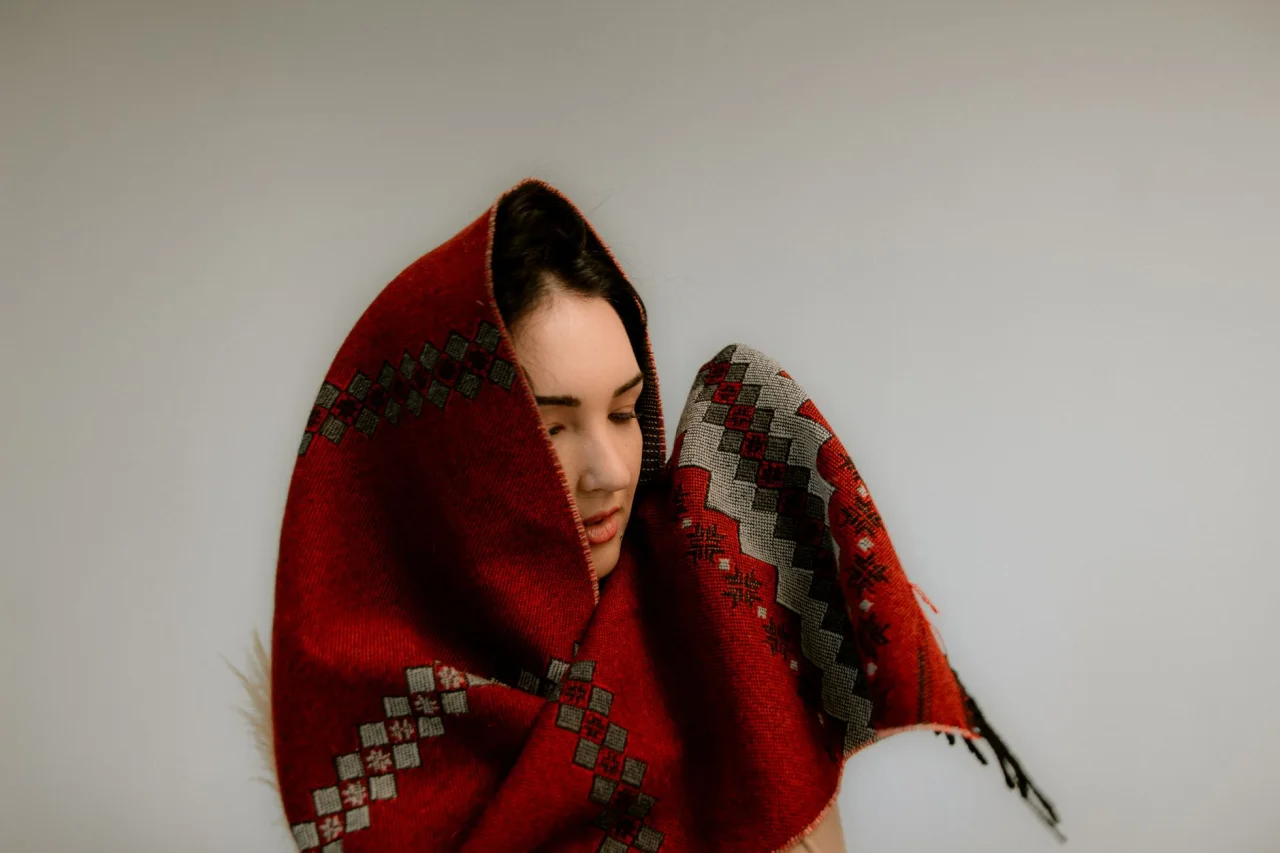
Winter is the sweet spot of the desi wardrobe: the season when heavy fabrics, deep colours and layered dupattas finally make sense. But dressing well in the cold is as much about etiquette and warmth as it is about looking good. This guide covers how formal to go, which colours flatter the season, the fabrics that actually keep you warm, and a quick checklist so you never overthink a winter outfit again.
The short version
- Winter rewards texture and depth: velvet, raw silk, khaddar, wool blends and pashmina all read richer than summer cottons.
- Deep jewel tones, warm neutrals and metallics photograph beautifully under indoor winter lighting; save icy pastels for special contrast.
- Match formality to the occasion, not the temperature: a wedding still calls for worked fabrics, a work day for polished simplicity.
- Layer smart with a shawl or structured dupatta so you stay warm without hiding the outfit.
Read the occasion before the weather
The first question is never how cold it is, it is how formal the event is. A winter wedding, a casual brunch and an office day all happen in the same weather but call for very different outfits. Winter simply changes your fabric and colour palette, not the underlying dress code. So start by placing your event on a scale from everyday to formal, then choose warmth and texture to suit.
For a formal winter evening, think worked fabrics with body: an embroidered velvet suit, a raw silk anarkali, a formal saree with a warm shawl. For daytime or casual winter dressing, khaddar suits, wool-blend kurtas and cotton-net layering do the job while staying comfortable. If you are dressing for a specific celebration, our wedding guest outfits guide and office wear guide break the formality question down further.
Winter fabrics that keep you warm and look the part
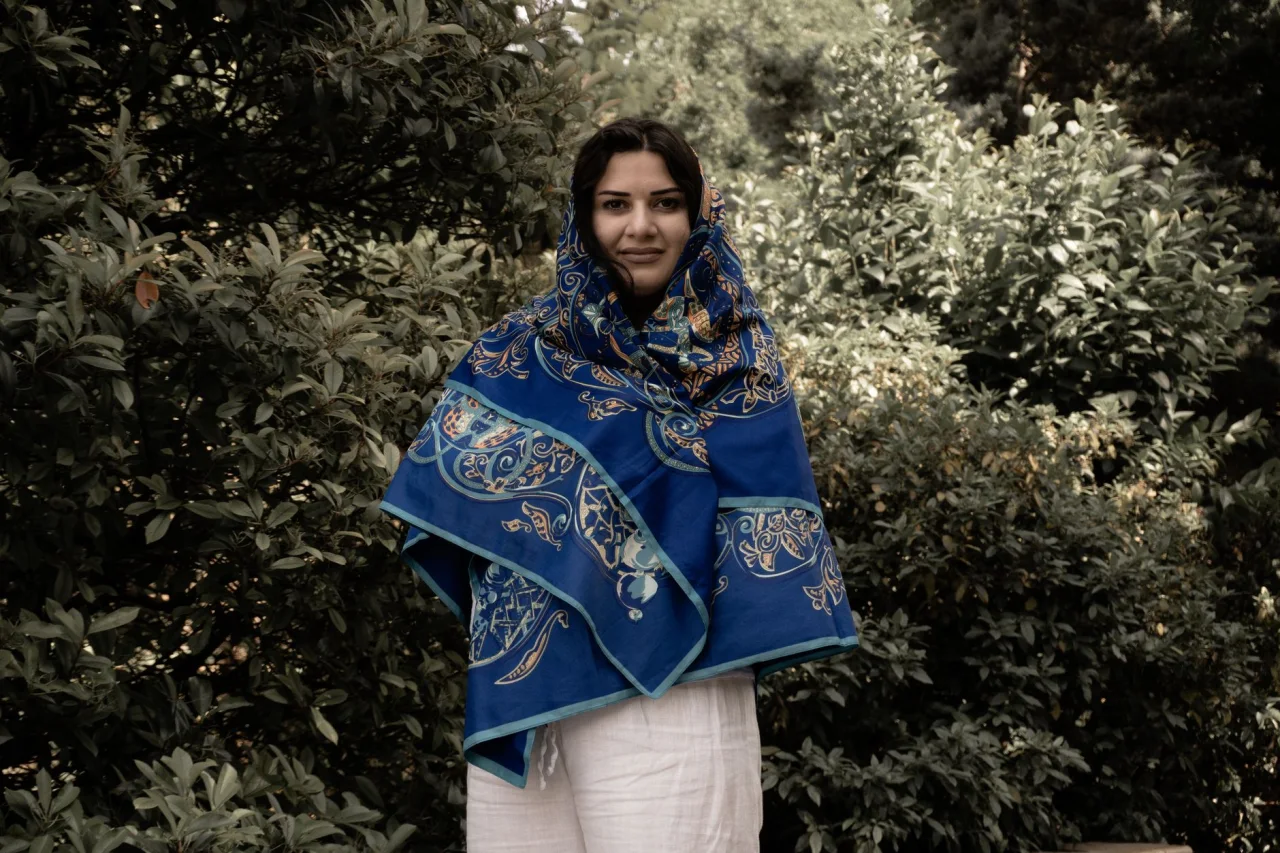
The pleasure of winter dressing is that the most luxurious desi fabrics also happen to be the warmest. Choosing the right weave means you rarely need a bulky coat over your outfit.
- Velvet: the signature winter fabric for occasion wear. It holds embroidery beautifully and reads instantly formal. Best for evenings and weddings.
- Raw silk: structured, warm and elegant, it photographs with a soft sheen and suits both formal suits and anarkalis.
- Khaddar: a handwoven, slightly heavier cotton that is the everyday winter staple across Pakistan, ideal for casual and semi-formal suits.
- Wool and wool blends: warm, matte and practical for daywear kurtas and shawls.
- Pashmina: the cashmere wool of the Changthangi goat from the Kashmir region, prized for softness and warmth and traditionally woven into shawls, according to the overview of pashmina. A genuine pashmina shawl elevates even the simplest outfit.
For a deeper look at cold-weather cloth, our roundup of the best fabrics for winter dresses compares warmth, drape and care, and the velvet outfits guide shows how the fabric behaves when stitched.
Styling note: layer without smothering
- A large shawl or pashmina worn over one shoulder adds warmth and drama without hiding your outfit.
- A structured dupatta in a heavier fabric doubles as a wrap during outdoor or garden events.
- Long sleeves and full-length silhouettes cover more skin, so you can skip a coat indoors.
Winter colours: what to wear and what to rethink
Winter light, especially the warm indoor lighting of evening events, flatters a richer palette than summer does. The season is the natural home of deep, saturated colour.
- Jewel tones: emerald, sapphire, wine, deep teal and plum look regal and photograph with depth.
- Warm neutrals: camel, chocolate, rust, olive and charcoal feel seasonal and pair easily with gold jewellery.
- Metallics: antique gold, bronze and copper catch warm light and suit formal evenings.
- Icy pastels: powder blue, lilac and blush work for a striking contrast, especially in velvet, but can look washed out in dim rooms, so add a darker dupatta or bold jewellery.
On what to rethink: at a wedding, avoid full bridal reds and complete ivory-gold looks if you are a guest, the same etiquette that applies in any season. Very light head-to-toe pastels can disappear under evening lighting, so build in contrast. Beyond that, winter is forgiving: almost every deep colour earns its place.
Formality levels, event by event
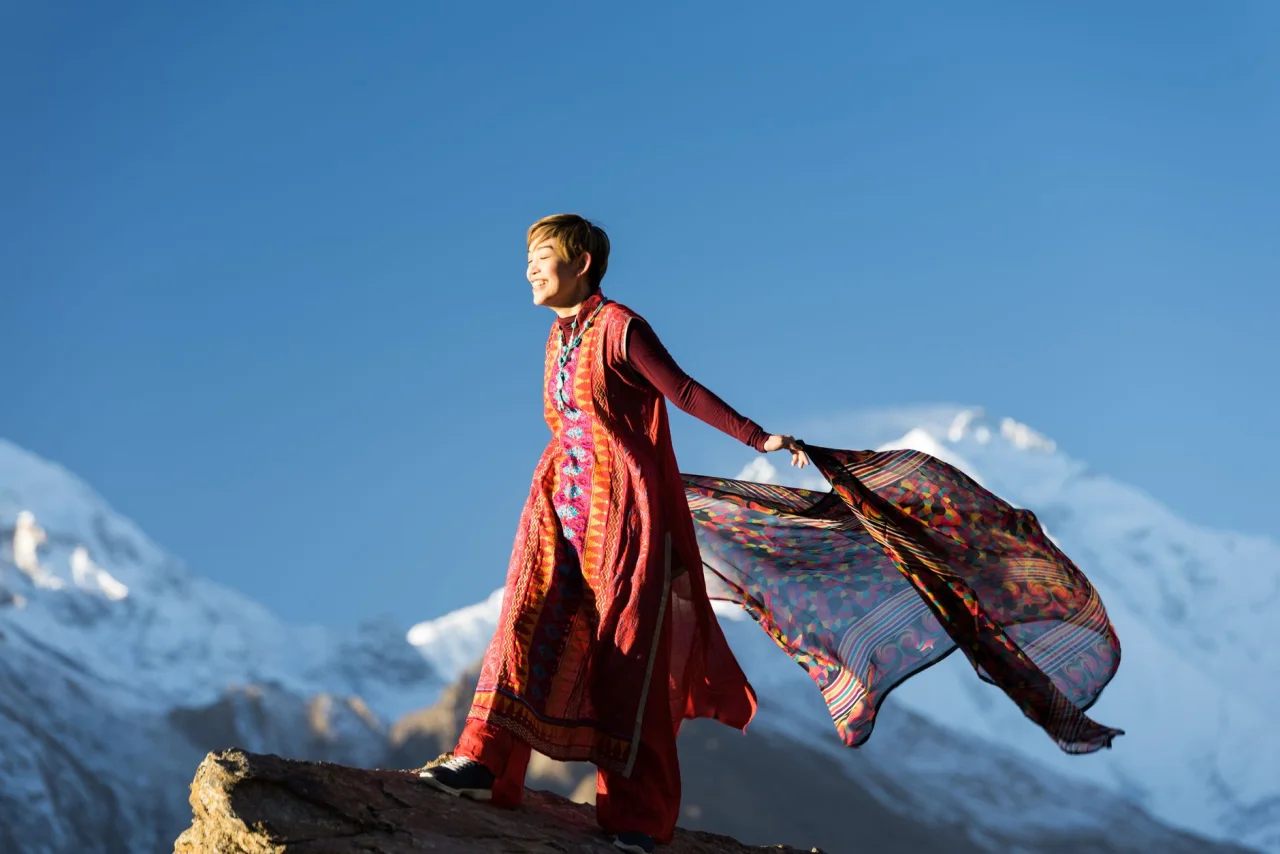
Here is how the same winter weather translates across common occasions:
- Formal wedding or walima: velvet or raw silk in a worked lehenga, saree or anarkali, with a proper jewellery set and a warm shawl for the entrance.
- Semi-formal dinner or Eid: an embroidered khaddar or silk suit, a statement dupatta and light jewellery.
- Office and daywear: a clean wool-blend or khaddar kurta in a solid colour, minimal embroidery, closed shoes.
- Casual and family gatherings: a printed khaddar suit or a cosy kurta with a shawl, comfort first.
When an invitation names a colour theme or a dress code such as formal, take it at face value. When it says nothing, default to elegant and covered rather than flashy. It is always easier to remove a shawl or a statement piece than to feel underdressed in the room.
Jewellery, dupatta and finishing touches
Winter fabrics carry weight, so let jewellery follow the outfit. With heavy velvet embroidery, keep to statement earrings and a ring or bangles so the clothes lead. With a plainer wool or khaddar suit, a fuller set does the heavy lifting: a necklace, earrings and perhaps a maang tikka for formal evenings. Match your metals to your embroidery, gold work with gold-toned jewellery, silver or antique work with silver and polki.
The dupatta or shawl is your most useful winter tool. Draped across one shoulder it keeps the line sleek; wrapped fully it adds warmth and coverage during outdoor moments. For a polished finish, learn a couple of reliable drapes from our dupatta styling tutorial, and coordinate your accessories using the matching jewellery guide.
Quick winter outfit checklist
- Confirm the formality and any colour theme before you shop.
- Pick a warm fabric with body: velvet or raw silk for formal, khaddar or wool for everyday.
- Choose a deep jewel tone, warm neutral or metallic, and add contrast to any pale look.
- Plan your layering piece, a shawl or heavier dupatta, before you leave.
Pulling the winter look together
A winter outfit works when the parts agree: the right formality for the event, a warm fabric with texture, a season-appropriate colour, and a shawl or dupatta styled with intent rather than thrown on for warmth. Start from the occasion, choose one lead element (the outfit or the jewellery, rarely both at full volume), then layer for the cold. If you want ready-made combinations to copy, our winter outfit ideas assemble complete looks by budget and body type.
Frequently asked questions
What are the best fabrics for winter desi outfits?
Velvet and raw silk are the go-to formal winter fabrics because they hold embroidery and read instantly dressy. For everyday wear, khaddar (a heavier handwoven cotton) and wool blends keep you warm and comfortable. A pashmina shawl adds warmth and luxury over almost any outfit.
Which colours look best in winter?
Winter suits deep, saturated colour: jewel tones such as emerald, sapphire, wine and plum, warm neutrals such as camel, rust and charcoal, and metallics such as antique gold and bronze. Icy pastels can look striking in velvet but may need a darker dupatta or bold jewellery so they do not wash out under evening lighting.
How formal should a winter outfit be?
Match formality to the occasion, not the temperature. A winter wedding still calls for worked fabrics and full jewellery, while an office day calls for a clean, minimally embroidered kurta. When in doubt, follow any dress code on the invitation and default to elegant and covered.
How do I stay warm without hiding my outfit?
Layer smart. A large shawl or pashmina worn over one shoulder, or a heavier structured dupatta, adds warmth and drama without covering the whole outfit. Long sleeves and full-length silhouettes also mean you can usually skip a bulky coat indoors.
Can I wear pastels in winter?
Yes. Pastels such as powder blue, lilac and blush look elegant in winter, especially in velvet or raw silk. Because they can appear washed out under dim indoor lighting, add contrast with a darker dupatta, richer jewellery or a deeper shawl.
More on Wedding & Occasion Fashion
Have a question or a topic to suggest?
We read every message. Tell us what you would like to see next in the journal.
Get in touch