How to Wear a Dupatta: Step by Step
Five easy drapes for every occasion, with the exact folds, pins and fabric tricks to make each one sit cleanly.
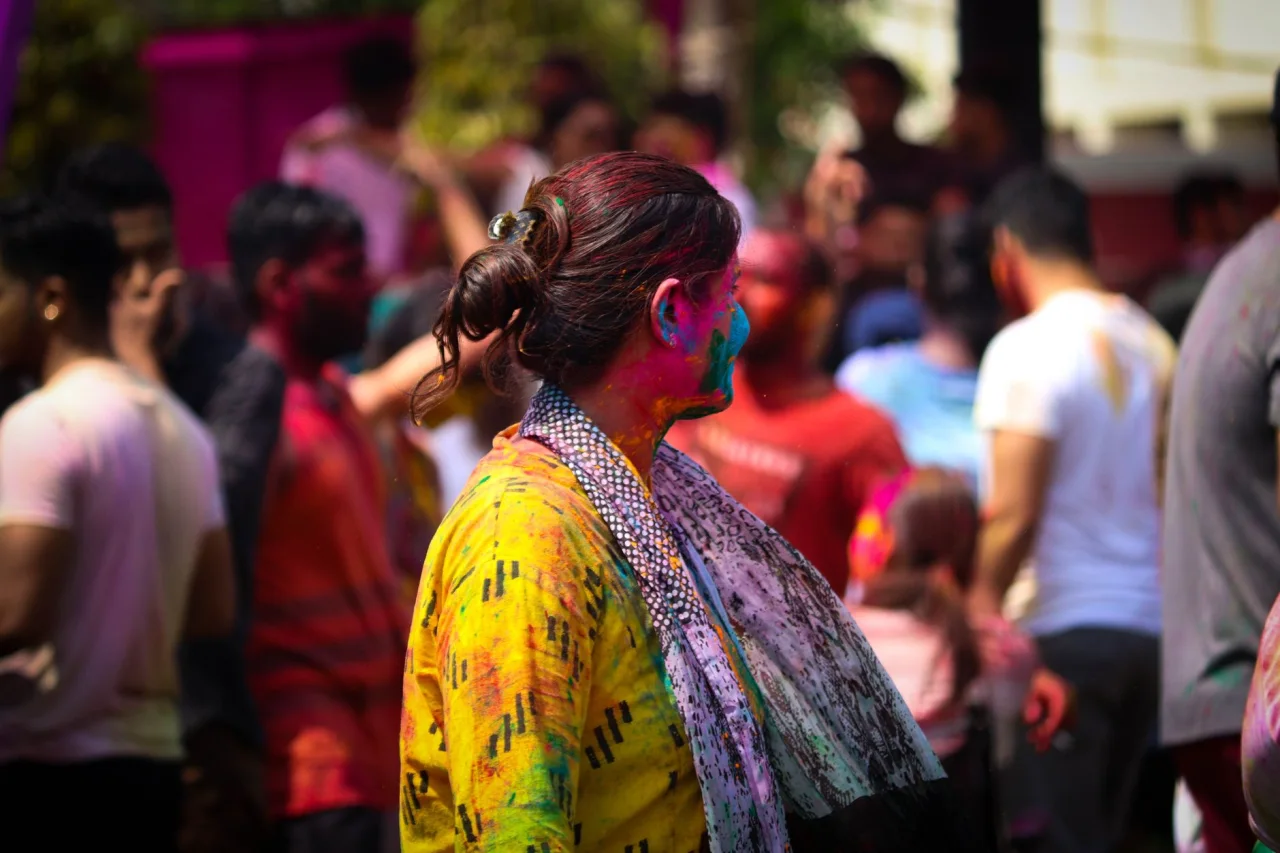
The dupatta is the most flexible piece in a desi wardrobe, and the way you drape it can shift an outfit from everyday to bridal in seconds. This step-by-step tutorial walks through the most useful ways to wear a dupatta, with the exact folds, pins and finishing tricks for each. Follow the photos alongside the numbered steps and you will be able to recreate every drape at home.
The short version
- Almost every drape starts the same way: fold the dupatta into neat pleats, then decide where the pleats sit.
- Two small safety pins do most of the work: one at the shoulder, one where the fabric meets the waistband.
- Match the fabric to the drape. Crisp organza holds structured pleats, soft chiffon falls close to the body.
- Occasion sets the formality: a single shoulder for casual, a two shoulder or head drape for festive and bridal.
Before you start: fabric, length and pins
A dupatta is, at heart, a long shawl-like scarf traditionally worn across the Indian subcontinent, and the word itself means a shawl of doubled cloth, as documented on Wikipedia. That doubled-cloth idea matters, because the way a dupatta folds is what makes every drape sit cleanly.
Get three things right before you drape anything:
- Length: a standard dupatta runs about 2.25 to 2.5 metres. Shorter pieces suit single-shoulder looks, longer ones are needed for head drapes and two-shoulder styles.
- Fabric: stiff fabrics like organza and net hold sculpted pleats, while chiffon, silk and cotton fall softer and closer to the body. If you are choosing between them, our guide to chiffon versus georgette explains how each drapes.
- Pins: keep two or three small safety pins handy. They are invisible once placed and stop the whole look from sliding as you move.
Step 1: make your pleats
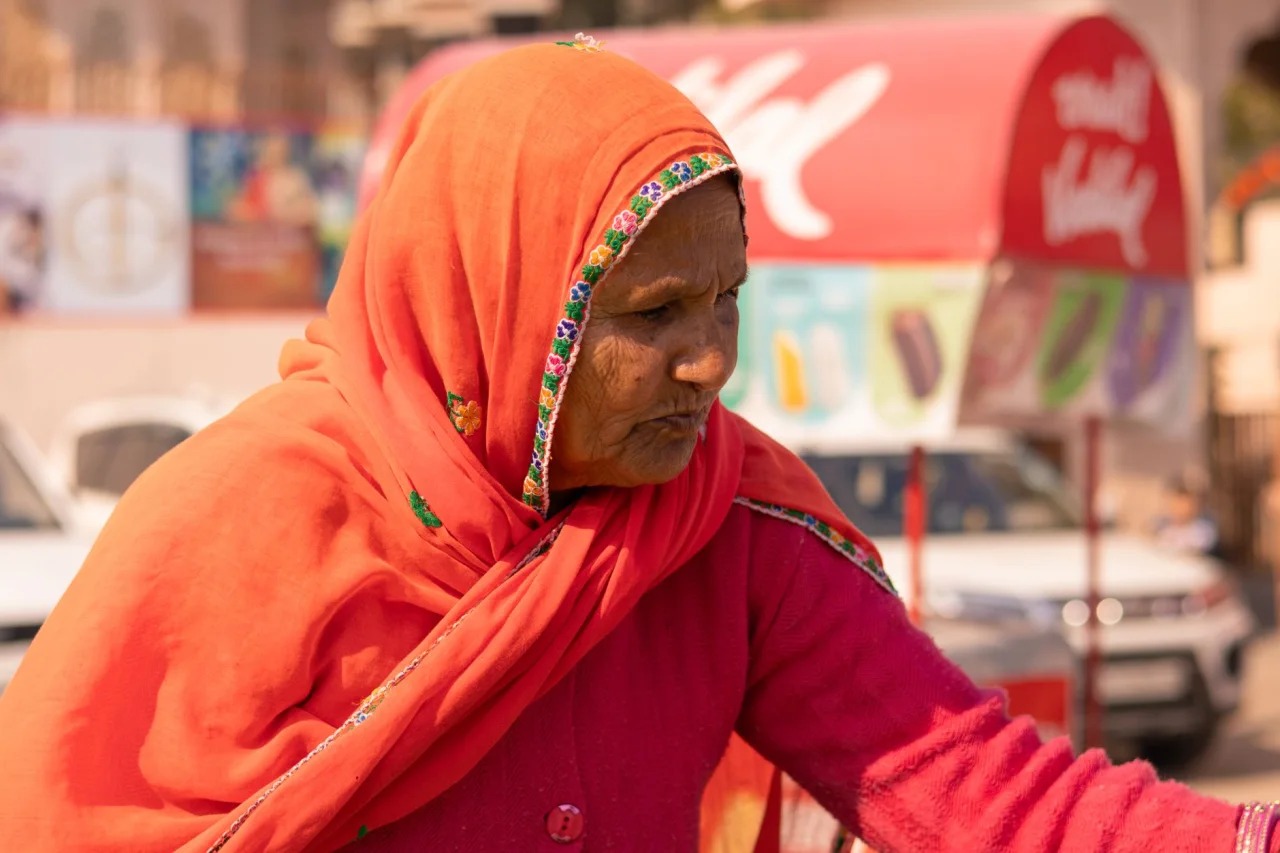
Most polished drapes begin with pleating, because loose fabric bunches and slides. Here is the base fold used in almost every style below:
- Hold the dupatta by its long edge and let it hang full length.
- Gather the fabric into folds about two to three fingers wide, working along the width until you have a neat fan of pleats.
- Pinch the pleats together at one end and give them a gentle press with your fingers so they hold.
- Secure the top of the pleats with a single pin if you want them to stay crisp all evening.
Once you can pleat quickly, every other drape becomes easy. If you would rather see the finished looks first, our complete dupatta style guide is a visual catalogue of the options.
Style 1: the classic single-shoulder pleat
This is the everyday drape: neat, modern and quick. It suits casual outings, the office and daytime events.
- Pleat the dupatta as above.
- Rest the pleated end on your left shoulder so it falls behind you, roughly to the back of your knee.
- Let the front portion drape lightly across your chest.
- Pin the pleats to your shoulder seam from the inside so nothing shifts.
Keep the front loose and soft, and let a printed or embroidered border show along the pleats for a finished edge.
Style 2: the two-shoulder drape
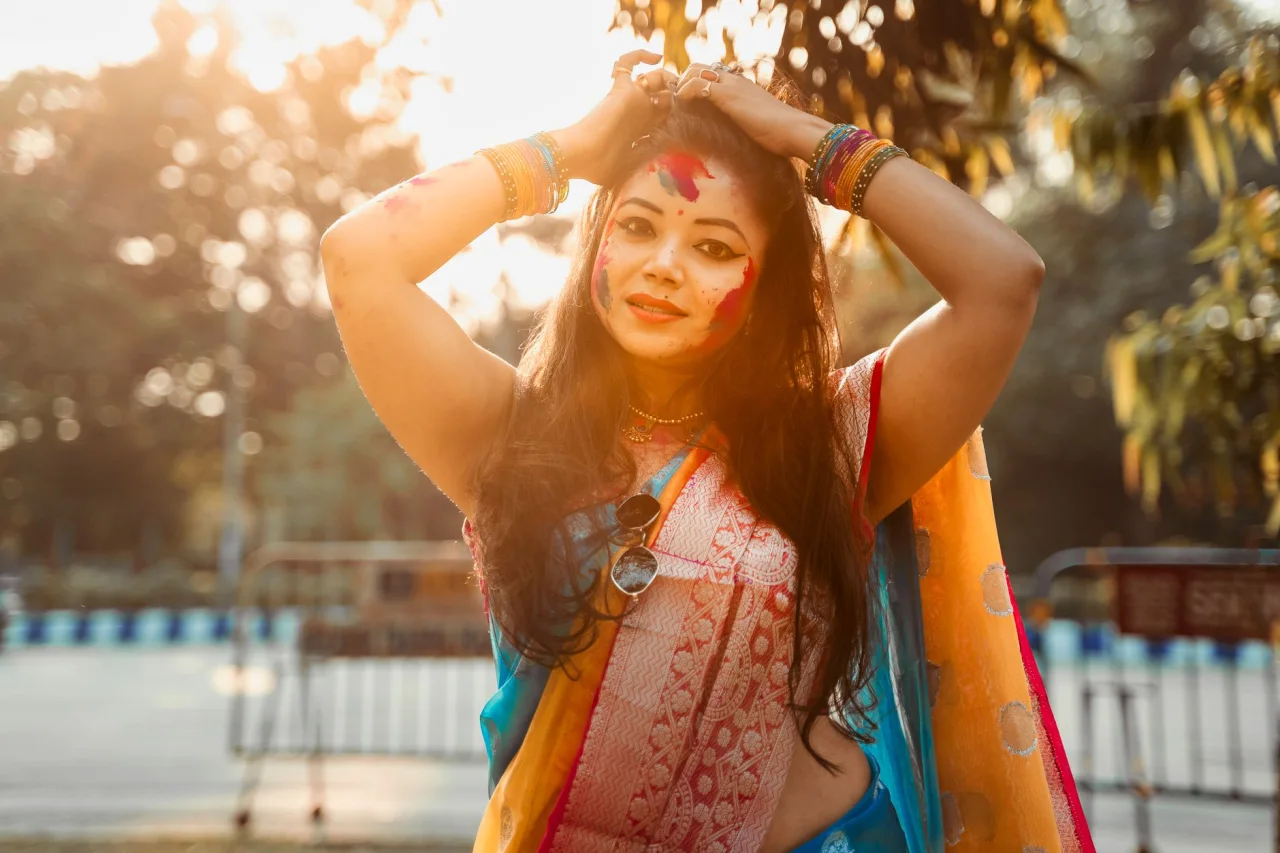
The two-shoulder, or seedha pallu style, reads more traditional and fuller. It works well for festive mornings and family functions.
- Open the dupatta out fully, no pleats needed.
- Hold it behind you and bring both ends forward over each shoulder.
- Let the centre dip gently across your upper back and both ends fall down the front.
- Adjust so the two sides hang evenly, then pin each side at the shoulder if you want it to stay put.
Pinning tip
Always pin from the inside of the fabric so the pin head faces your body. Place it through the shoulder seam of your kameez rather than bare fabric, and it will hold far more securely without leaving a visible mark.
Style 3: the U-drape across the chest
Worn with a shalwar kameez, this classic drape covers the chest in a soft U or V shape and is one of the most common everyday looks.
- Pleat the dupatta loosely, keeping the pleats wide and relaxed.
- Place one pleated end over your left shoulder to the back.
- Carry the fabric across the front so it dips into a gentle U over the chest.
- Bring the other end over the right shoulder and let it fall behind.
This drape sits beautifully with modest necklines. If you are coordinating the neckline and dupatta, our neckline design guide helps you balance the two.
Style 4: the belted or cinched drape
A more modern, structured look that keeps the dupatta out of your way while adding shape. It pairs well with sarees-style draping and fusion outfits.
- Pleat the dupatta neatly and place it over one shoulder.
- Bring the front pleats down and tuck them lightly at the waist on the opposite side.
- Add a thin belt or a decorative waist chain over the tucked fabric to define the waist.
- Fan the pleats above and below the belt for a clean, sculpted line.
This style photographs well because it defines the silhouette. It suits organza and net dupattas that hold their shape.
Style 5: the head drape for festive and bridal looks
The most formal way to wear a dupatta, ideal for nikahs, weddings and prayers. Brides often wear it as a ghoonghat over the head and face.
- Use a longer dupatta, at least 2.5 metres.
- Drape one end over your left shoulder and pin it at the shoulder.
- Bring the centre of the dupatta up and over your head, framing your face.
- Secure it to your hair with small pins on each side so it stays in place.
- Let the remaining length fall down your back or over the right arm.
Heavily embellished bridal dupattas often carry zardozi, a heavy metal embroidery worked in gold and silver thread that has signalled status in the region since the Mughal era, as noted on Wikipedia. Because that weight can drag, extra pins at the crown help. For full bridal styling, see our bridal care notes and lehenga styling guide.
Face-shape and body note
- A softer, closer chiffon drape flatters a fuller frame by adding vertical lines.
- A structured pleated drape adds presence to a slim frame.
- A head drape frames a longer face gracefully; keep it a little looser around a rounder face so it does not close in the features.
Choosing the right drape for the occasion
When you are unsure, let formality decide. A quick reference:
- Casual and office: single-shoulder pleat or a loose U-drape.
- Festive and Eid: two-shoulder drape or a belted style with a lighter dupatta.
- Weddings and nikahs: head drape with a longer, worked dupatta.
The dupatta pairs with almost every silhouette, from a sharara to a gharara, so once you know these drapes you can restyle nearly any outfit in your wardrobe. For jewellery pairings that suit each drape, our matching jewellery guide is a useful companion.
Common mistakes to avoid
- Skipping the pleats: unpleated fabric bunches and slides. A few minutes of folding fixes most drape problems.
- Wrong fabric for the drape: soft chiffon will not hold a sculpted belted look, and stiff organza will not fall softly across the chest.
- Visible pins: always pin from the inside through a seam.
- Overloading a delicate outfit: a heavy embroidered dupatta over an already-worked kameez competes; let one carry the detail.
Master these five drapes and the pleating base beneath them, and you will never feel stuck with a dupatta again. The same piece of fabric can read casual, festive or bridal depending on nothing more than how you fold and pin it.
Frequently asked questions
How do I stop my dupatta from slipping off my shoulder?
Pleat the dupatta first, then pin the pleats to the shoulder seam of your kameez from the inside. A single small safety pin through the seam holds far better than resting the fabric loosely, and it stays invisible from the outside.
Which dupatta drape is easiest for beginners?
The single-shoulder pleat is the simplest. Fold the dupatta into neat pleats, rest them on your left shoulder so they fall behind you, let the front drape across your chest, and pin at the shoulder. It suits casual and office looks and takes under a minute.
What length of dupatta do I need for a head drape?
Use a longer dupatta of at least 2.5 metres for a head drape or bridal ghoonghat, so there is enough length to go over the head and still fall down the back or arm. Shorter dupattas around 2.25 metres are better for single-shoulder styles.
Which fabric holds a structured, pleated drape best?
Crisp fabrics like organza and net hold sculpted pleats and belted drapes best because they keep their shape. Softer fabrics such as chiffon and silk fall close to the body and suit relaxed U-drapes and single-shoulder styles rather than structured looks.
Can I wear a dupatta with fusion or Western outfits?
Yes. A belted or cinched drape works well over fusion outfits, and a single-shoulder pleat can layer over a plain kurta or even a monochrome ensemble to add a desi touch. Choose a lighter fabric so it does not overwhelm a simpler base.
More on Styling Guides
Have a question or a topic to suggest?
We read every message. Tell us what you would like to see next in the journal.
Get in touch