How to Style a Kurta, Step by Step
Build a kurta look layer by layer, then copy five ready variations.
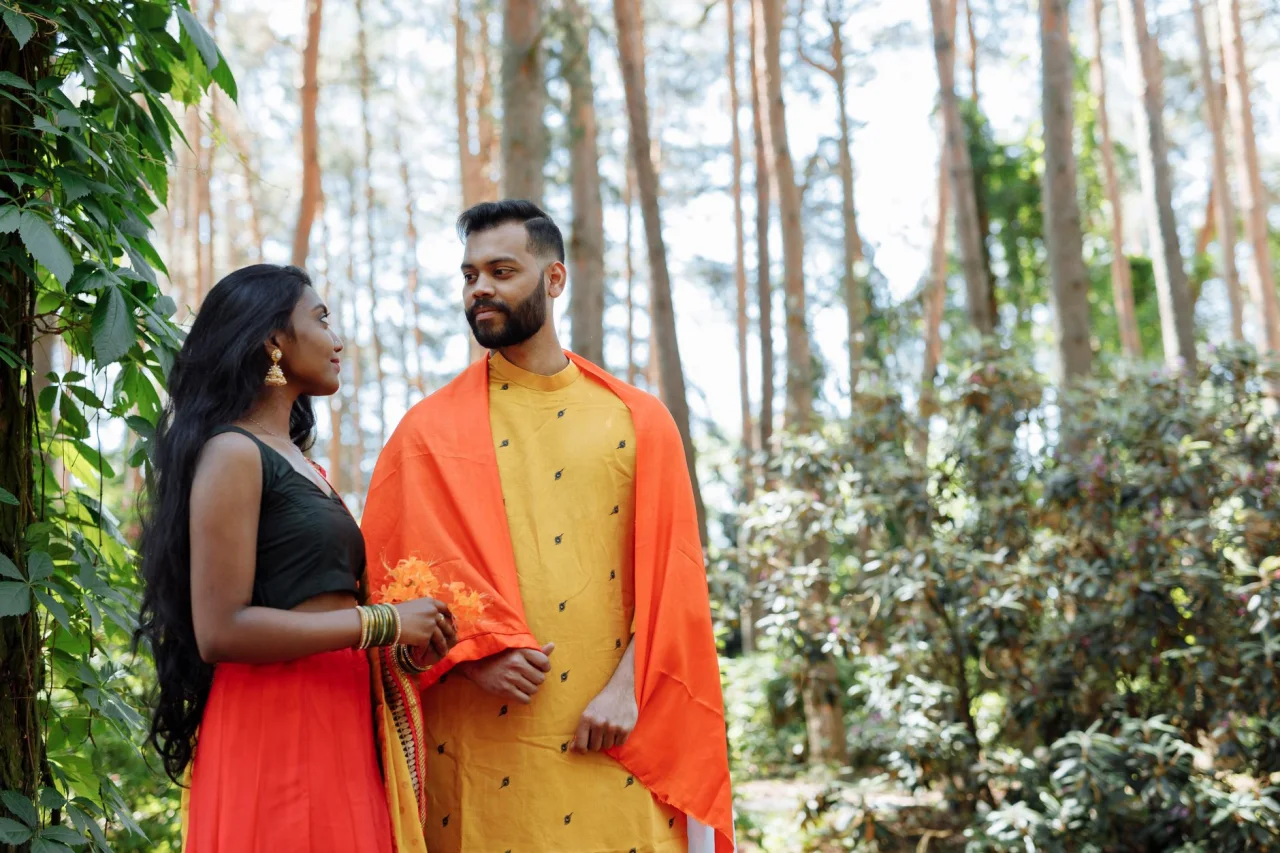
The kurta is the most versatile piece in a desi wardrobe: worn one way it is weekend-casual, worn another it carries a festive evening. The difference is almost entirely in how you style it. This step-by-step tutorial walks you through building a kurta look from the base garment outward, then shows five ready variations for different occasions, face shapes and body types so you can recreate them at home.
The short version
- Style a kurta in layers: start with the kurta and bottom, then add dupatta, footwear, jewellery and outerwear.
- Change the bottom (jeans, churidar, trousers, palazzo) and the kurta instantly shifts from casual to traditional.
- Match the neckline and sleeve to your face shape and proportions for the most flattering result.
- One kurta can produce five distinct looks: day-casual, smart-work, festive, fusion and layered-winter.
First, know what a kurta is
A kurta is a loose, collarless tunic worn across South Asia by both men and women, typically falling somewhere between above the knee and below it. As the overview notes, it is traditionally worn over pyjamas, loose shalwars or churidars, and comes in everything from thin summer cottons to warm winter wool and silk. That flexibility, a simple straight tunic with open side seams, is exactly what makes it so easy to restyle.
Because the kurta is a blank canvas, styling it well is about the pieces you add around it. If you want the full background on cuts, lengths and how a kurta differs from a kurti, our complete kurta guide covers the garment itself, and the kurta design ideas show the range of styles available.
Step 1: Choose your kurta and read its formality
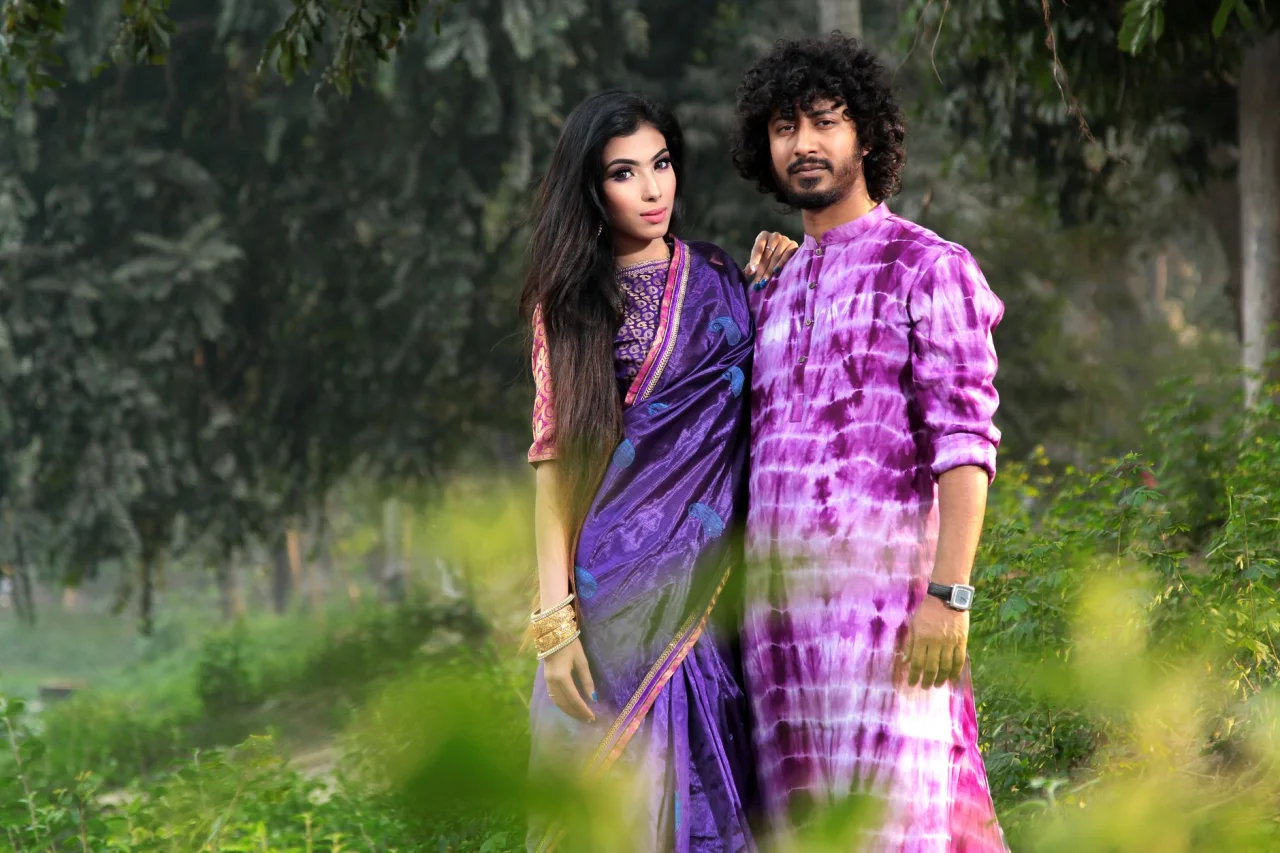
Start by reading the kurta you are working with, because it sets the ceiling for how dressy the look can go. A plain cotton or lawn kurta tops out at smart-casual. A silk, raw silk or embroidered kurta can carry a festive evening. Note the length too: a shorter, hip-length kurta styles more like a fusion top, while a longer, calf-length one leans traditional.
- Casual: printed cotton, lawn or khaddar, minimal or no embroidery.
- Smart or work: solid colours, clean lines, subtle detailing.
- Festive: silk, raw silk or embroidered fabric with visible work.
Step 2: Pick the bottom, the biggest style lever
Nothing changes a kurta faster than the bottom you pair it with. This single choice moves the look along the casual-to-traditional scale more than anything else:
- Jeans or leggings: instantly casual and modern, best with a shorter kurta.
- Straight trousers or cigarette pants: smart and office-ready, clean and tailored.
- Churidar: classic and traditional, the gathered ankle adds a dressier note.
- Palazzo or wide-leg: relaxed but polished, good for a flowy festive-casual look.
- Sharara or gharara: the most festive, turning a plain kurta into occasion wear.
For a deeper look at pairing traditional bottoms, our guides to styling a sharara and a gharara show how the bottom transforms the whole silhouette.
Styling note: match the neckline to your face
- Round faces are flattered by deeper V and U necklines that lengthen the line.
- Longer faces suit boat, high or closed necklines that add width.
- Round or scoop necklines soften angular, square faces.
Step 3: Add the dupatta (or leave it off)
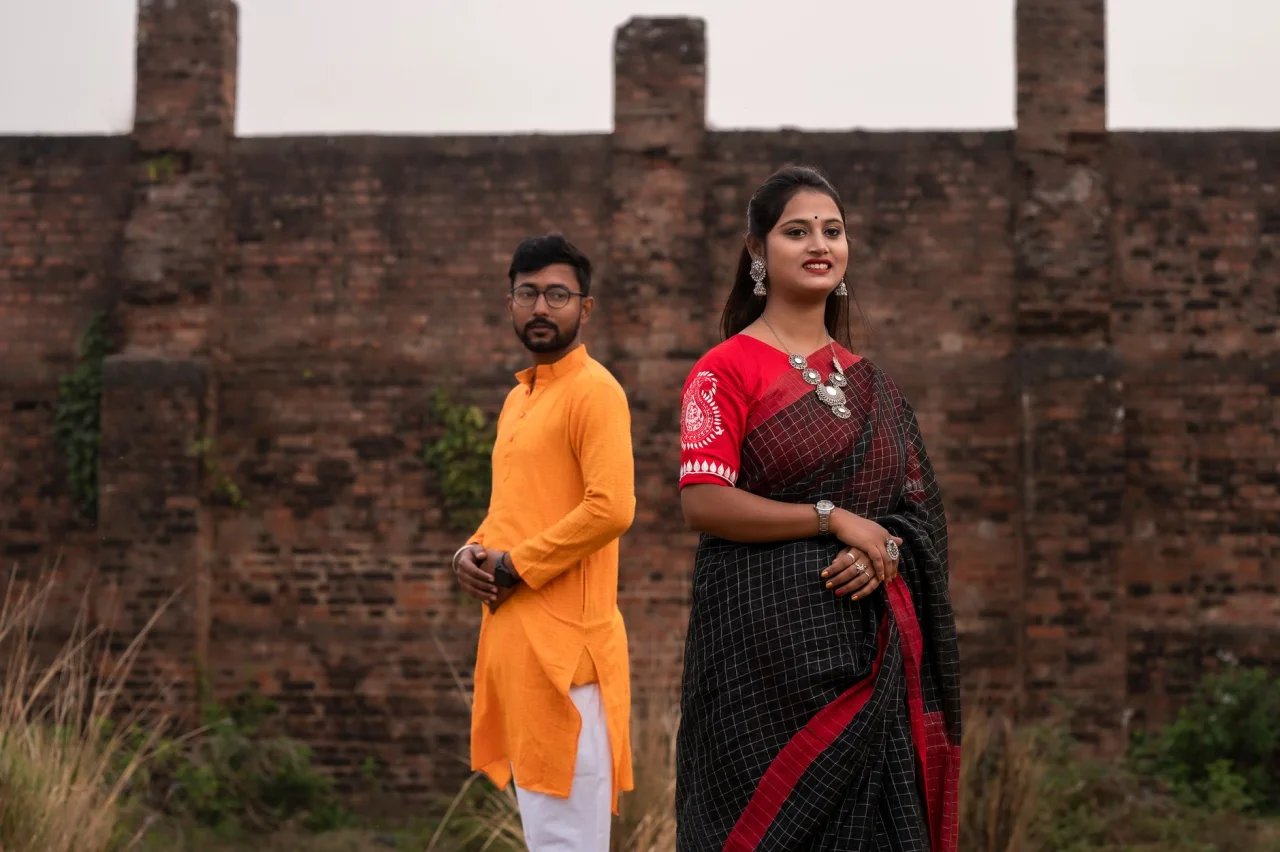
The dupatta is optional on a kurta, and whether you add it is a styling decision in itself. Skipping it keeps the look modern and minimal, ideal with jeans or trousers. Adding one instantly makes the outfit more traditional and more covered. How you drape it changes the mood again: a light dupatta looped around the neck reads casual, while one draped across the shoulder or pinned over the head reads formal.
For reliable drapes you can copy, our step-by-step dupatta tutorial and the dupatta styles guide walk through each option.
Step 4: Footwear, jewellery and outerwear
The finishing layers lock in the formality you set with the bottom. Match them to the same level rather than mixing signals:
- Casual: sneakers, flat sandals or mules, minimal jewellery, maybe a denim or utility jacket.
- Smart or work: block heels, loafers or pointed flats, small studs or a delicate chain, a structured blazer if needed.
- Festive: embroidered khussa, juttis or heels, statement earrings, bangles, and a shawl in winter.
Use our matching shoes guide and matching jewellery guide to keep these details coordinated rather than an afterthought.
Five kurta looks, step by step
Here are five complete variations built from the steps above, each pitched to a different occasion and figure:
- Day-casual: printed cotton kurta plus straight jeans, flat sandals, no dupatta, tiny studs. Best with a shorter kurta; flattering on most frames.
- Smart-work: solid silk-blend kurta plus tailored cigarette trousers, pointed flats, a delicate chain, optional blazer. Clean vertical line suits fuller figures.
- Festive: embroidered raw-silk kurta plus churidar or gharara, khussa, statement earrings, a draped dupatta. Adds instant occasion polish.
- Fusion: short embroidered kurta plus palazzo or wide-leg trousers, block heels, a belt to define the waist. Good for petite and hourglass shapes.
- Layered-winter: wool-blend or khaddar kurta plus churidar, a long shrug or pashmina shawl, ankle boots or closed heels. Warm without hiding the outfit.
If you would rather browse looks organised by event, our companion guide on styling a kurta with looks for every occasion arranges the same building blocks by where you are going.
Quick styling checklist
- Does the bottom match the formality you want (jeans for casual, gharara for festive)?
- Does the neckline flatter your face shape?
- Is the dupatta helping the look, or would leaving it off be cleaner?
- Do the shoes, jewellery and outerwear all sit at the same formality level?
Common kurta styling mistakes to avoid
A few small errors flatten an otherwise good kurta look. Wearing a floor-length traditional kurta with sneakers sends mixed signals. Pairing a heavily embroidered festive kurta with everyday jeans undercuts the fabric. Over-accessorising a simple cotton kurta with a full jewellery set can feel forced. And ignoring proportion, a very long kurta on a petite frame, or a boxy cut with no waist definition, can hide your shape. The fix is consistency: pick a formality level and let the bottom, dupatta, shoes and jewellery all agree on it.
To go further on the details that quietly make or break a look, our guides to sleeve styles and neckline designs help you match the cut of the kurta to your proportions.
Frequently asked questions
How do I make a kurta look more formal?
Change the pieces around it. Pair the kurta with a churidar, sharara or gharara instead of jeans, add a draped or pinned dupatta, and finish with khussa or heels, statement earrings and bangles. A silk or embroidered kurta carries formality better than a plain cotton one, so the fabric matters too.
Can I wear a kurta with jeans?
Yes, and it is one of the easiest modern looks. A shorter, hip-length kurta works best with straight or skinny jeans, finished with flat sandals or sneakers and minimal jewellery. Skipping the dupatta keeps this fusion styling clean and casual.
Which neckline suits my face shape?
Deeper V and U necklines lengthen and flatter round faces, boat and high necklines add width for longer faces, and soft round or scoop necklines balance angular, square faces. Choosing the neckline to complement your face shape is one of the quickest ways to make a kurta look more polished.
Do I need to wear a dupatta with a kurta?
No. A dupatta is optional on a kurta. Leaving it off keeps the look modern and minimal, which suits jeans and trousers, while adding one makes the outfit more traditional and covered. How you drape it, looped casually or pinned over the head, further shifts the formality.
What bottoms can I pair with a kurta?
Plenty, and each changes the mood. Jeans and leggings read casual, straight trousers and cigarette pants read smart and office-ready, churidars lean traditional, palazzos feel relaxed and flowy, and shararas or ghararas turn the look festive. The bottom is the single biggest lever for styling a kurta.
More on Styling Guides
Have a question or a topic to suggest?
We read every message. Tell us what you would like to see next in the journal.
Get in touch