How to Style a Sharara: Step by Step
Build a complete sharara look in the right order, for any occasion or body type.
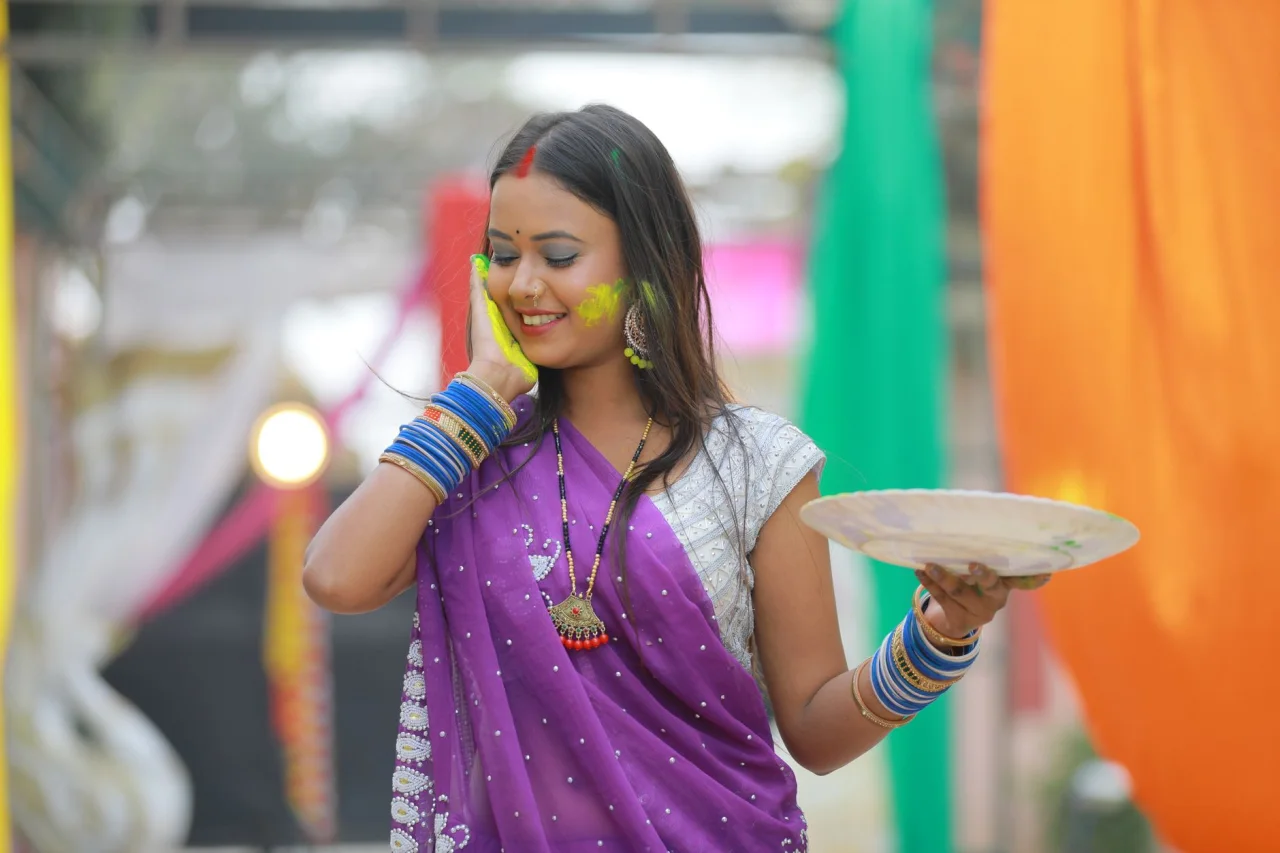
A sharara brings its own drama, so styling one is really an exercise in balance and order. This step-by-step tutorial builds a complete sharara look from the ground up: fit, top, hem, dupatta, jewellery and shoes, in the sequence that actually works. Follow the numbered steps alongside the photos and you can put together a polished look for any occasion, whatever your body type.
The short version
- Build the look in order: get the fit and hem right first, then layer the top, dupatta and accessories.
- The sharara flares from around the hip, so pair it with a fitted or structured top to balance the volume.
- Set the hem to your heel height before the event so the flare just clears the floor.
- Pick one hero, either the outfit or the jewellery, and keep the rest supporting.
Step 1: understand what you are styling
Before the styling starts, it helps to know the silhouette. A sharara is a pair of wide-legged, flared trousers that widen gradually from around the hip or thigh, worn with a short kameez and a dupatta. That is the key difference from a gharara, which stays fitted to the knee and then flares from the decorated knee joint. If you want the full comparison, our guide on the difference between a sharara and a gharara lays it out, and our complete sharara guide covers the anatomy in full.
Because the flare starts high, a sharara reads as formal and full on its own. Your styling job is to support that volume, not add to it.
Step 2: get the fit and hem right first
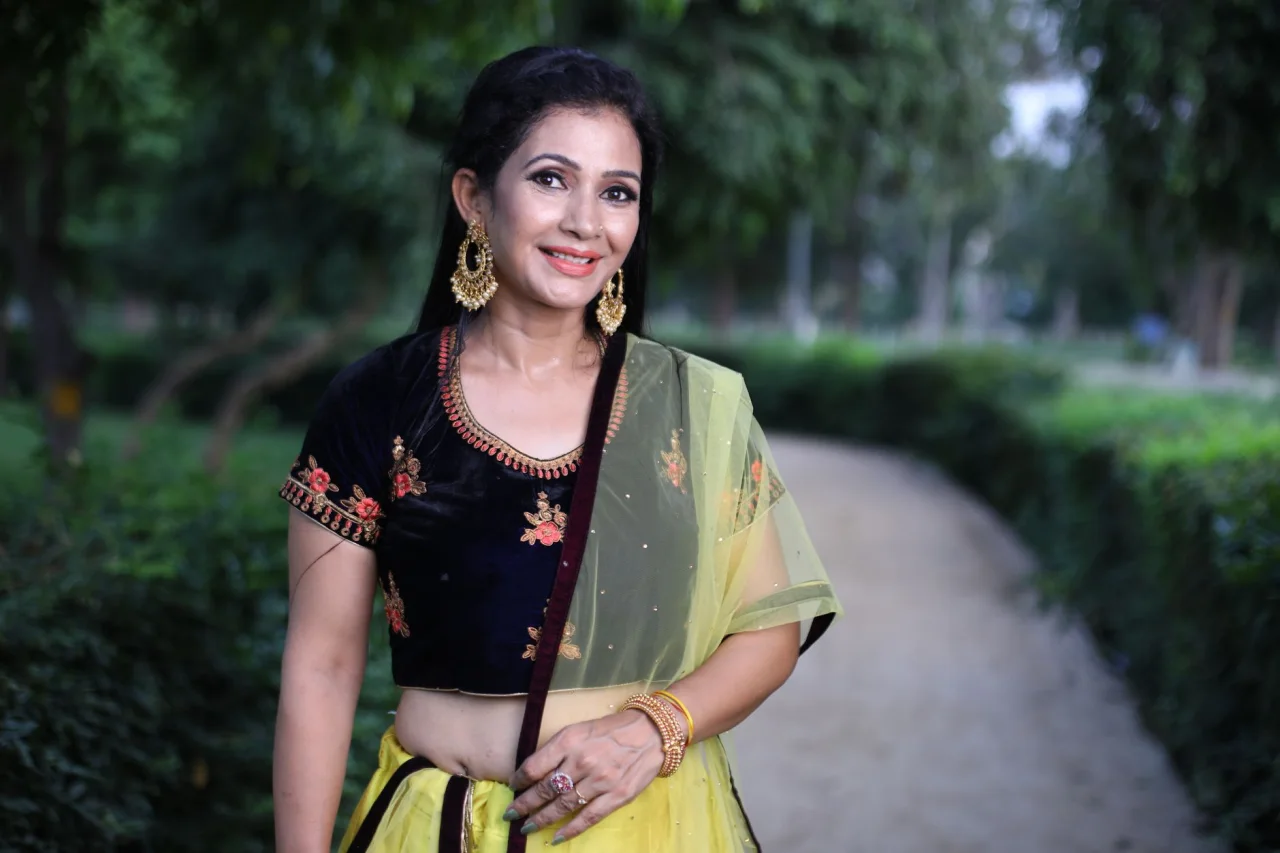
Everything else builds on a well-fitted base, so start here:
- Check the fit through the hip. The sharara should sit smoothly at the waist and hip before it flares, with no pulling.
- Put on the exact heels you plan to wear.
- Set the hem so the flare just brushes the floor. Too long and it drags and frays, too short and the cone looks unfinished.
- Pin or mark the hem, then have it stitched to that length.
This single step separates a considered look from a costume one. For help choosing the right pair in the first place, see our sharara fit and fabric guide.
Step 3: choose a top that balances the volume
The sharara carries fullness below, so the top should be relatively fitted or structured to keep the proportions clean.
- Casual: a short, simple straight kurti in cotton or lawn.
- Festive: a peplum or short-front kameez that shows the flare.
- Formal or wedding guest: a fitted embellished kameez or a cape-style top.
Avoid an equally full or very long top, which hides the flare and doubles the volume. A structured top in a smooth-falling fabric like georgette keeps the line elegant.
Body-type note
- Petite frame: keep the kameez short and the hem precise so the flare does not overwhelm your height.
- Fuller frame: a straight or gently structured top and a single-shoulder dupatta add clean vertical lines.
- Tall frame: you can carry a fuller sharara and a slightly longer top with ease.
Step 4: drape the dupatta
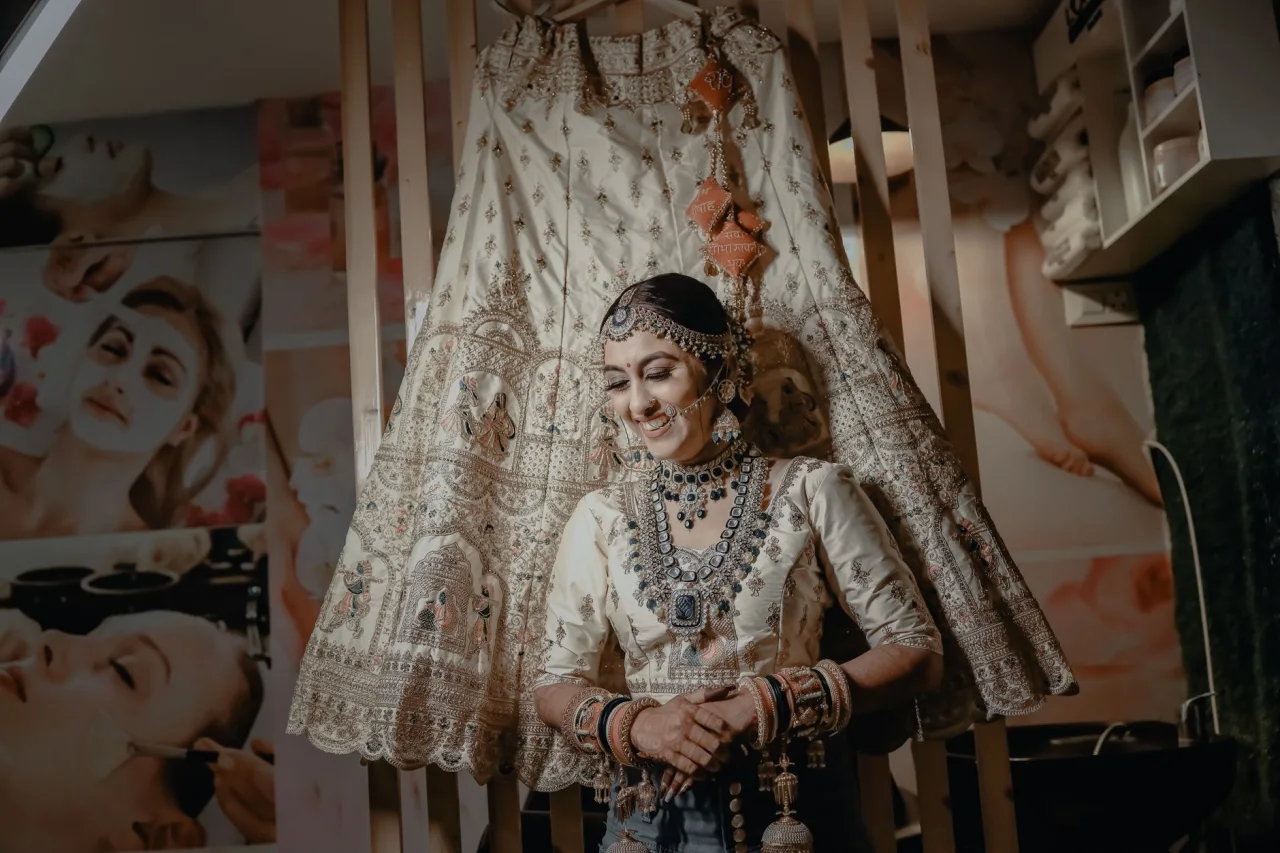
The dupatta sets the formality of the whole look. Match the drape to the occasion:
- Casual: a light dupatta worn loosely on one shoulder.
- Festive: a neatly pleated single-shoulder drape, pinned so it stays put.
- Wedding or nikah: a two-shoulder drape or a head drape for a ceremonial finish.
Pin the dupatta from the inside through the shoulder seam so it does not slide all evening. For more drape options, our dupatta draping tutorial walks through each one.
Step 5: add jewellery with a single focal point
Jewellery is where sharara looks most often go wrong. Use a simple layering rule: choose one focal point at the ears, neck or wrist and keep the other two minimal.
- Heavy jhumkas pair beautifully with an open neckline and bare wrists.
- A statement choker asks for smaller studs.
- Match the metal to the embroidery: gold with zari and gota, silver or pearl with dabka and beadwork.
Heavily worked festive and bridal shararas often carry zardozi, a heavy gold and silver metal embroidery that has been a wedding favourite across the region since the Mughal era, as noted on Wikipedia. When the outfit carries that much shine, keep the jewellery deliberately restrained. Our jewellery matching guide covers this in depth.
Step 6: finish with shoes and hair
The flare hides most of your footwear, so let comfort and height lead:
- Casual: flat kolhapuris, juttis or a low block heel.
- Festive and formal: embellished juttis or a mid heel you can dance in.
- Hair: a sleek bun or soft side braid keeps the focus on your face and shows off earrings.
- Bag: a small potli or clutch, never a large tote that fights the silhouette.
Since your shoes barely show, choose the pair you can stand and dance in over the one that only looks impressive.
Putting it together by occasion
With the six steps in hand, here are three complete looks to copy:
- Casual day: printed lawn sharara, short kurti, light one-shoulder dupatta, small studs, flat juttis.
- Festive evening: pastel georgette sharara with light gota, peplum top, pinned single-shoulder dupatta, jhumkas plus a maang tikka, embellished heels.
- Wedding guest: jewel-tone net or raw-silk sharara, embellished short kameez, head or two-shoulder dupatta, one statement earring, dance-friendly heels.
For a fuller occasion breakdown, our sharara looks for every occasion and 2026 sharara designs show more variations. The same layering logic works for its cousin, the gharara.
Common mistakes to avoid
- Pairing a full sharara with an equally full or very long top, which doubles the volume.
- Skipping the hem fitting, so the flare either drags or floats above the ankle.
- Layering heavy embroidery, heavy jewellery and a worked dupatta all at once.
- Choosing decorative but painful shoes that barely show under the flare anyway.
Choosing the fabric by season
Fabric shapes both how a sharara looks and how comfortable it feels, so let the season guide your choice before you think about embellishment:
- Summer: lawn, cotton and light georgette breathe well and keep the flare fluid in heat. Printed lawn shararas are ideal for daytime functions.
- Winter: raw silk, jamawar and heavier brocades add warmth and structure, and carry richer embroidery and jewellery beautifully.
- Transitional weather: organza and net sit in the middle, light enough for warm evenings but structured enough to hold a sculpted flare.
As a rule, choose the fabric first for comfort and drape, then build the embellishment and accessories to match. A breathable fabric you can move in will always photograph better than a stiff one you keep adjusting.
Colour and depth note
Depth of colour reads as polish. Ink, olive, plum and slate feel more formal for daytime than bright shades, while pastels suit festive mornings and jewel tones suit evening functions. In a single restrained palette, a sharara looks expensive even when the fabric is simple.
Where the sharara fits among desi silhouettes
Part of styling a sharara well is knowing when to reach for it over a similar shape. Compared with a gharara, the sharara flares higher and more gradually, which makes it a little easier to move in and slightly more forgiving on top length. Compared with a straight palazzo suit, it is dressier and more voluminous, which is why it leans festive rather than everyday.
That places the sharara firmly in the occasion-wear bracket: festive mornings, Eid, mehndis and wedding-guest looks are its natural home, while a casual cotton version can stretch to a relaxed family lunch. If you love the flared silhouette but want the knee-joint drama instead of a high flare, the gharara is the piece to explore next, and our sharara versus gharara comparison helps you decide between them.
Frequently asked questions
What top should I wear with a sharara?
Pair a sharara with a relatively fitted or structured top to balance the flared volume below. A short straight kurti works for casual looks, a peplum or short-front kameez for festive wear, and a fitted embellished kameez or cape top for formal and wedding occasions. Avoid very long or equally full tops.
How long should a sharara be?
Set the hem while wearing the exact heels you plan to pair it with, so the flare just brushes the floor. Trousers that drag look untidy and fray, while ones that float above the ankle look unfinished. Fit the hem to your footwear before the event for a clean cone.
What jewellery goes best with a sharara?
Choose a single focal point. Heavy jhumkas suit an open neckline with bare wrists, while a statement choker pairs with smaller studs. Match the metal to the embroidery, gold with zari and gota, silver or pearl with dabka and beadwork, and keep jewellery restrained when the outfit is heavily worked.
Can I wear a sharara casually?
Yes. In printed lawn or cotton with a short simple kurti, a light one-shoulder dupatta and small studs, a sharara works well for family lunches and casual daytime gatherings. The fabric and level of embroidery decide how formal it looks, not the silhouette itself.
What is the difference between a sharara and a gharara when styling?
A sharara flares gradually from around the hip, while a gharara stays fitted to the knee and then flares from a decorated knee joint. When styling a gharara you keep the kurti near the knee so the joint stays visible, whereas a sharara gives you more freedom in top length as long as it stays fitted.
More on Styling Guides
Have a question or a topic to suggest?
We read every message. Tell us what you would like to see next in the journal.
Get in touch