How to Style a Sharara
Casual to bridal sharara looks, with jewellery, footwear and dupatta pairings for each occasion.
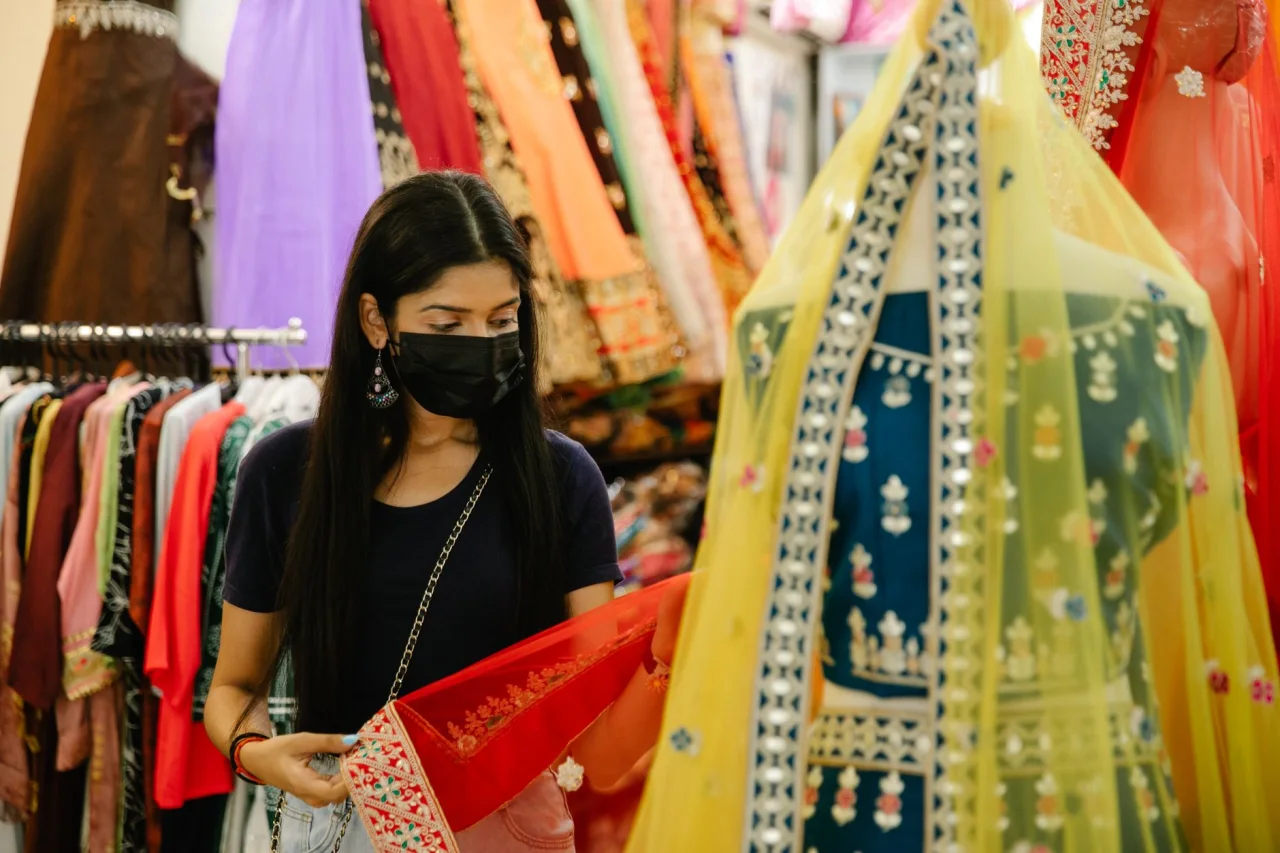
A sharara does half the styling for you: the flare brings drama on its own, so the art is in restraint and balance. This guide breaks down complete looks for casual days, the office, festive mornings and weddings, with specific jewellery, footwear, hair and dupatta pairings for each. Follow the proportion rules and even a simple sharara photographs beautifully, whatever your budget or body type.
The short version
- Balance the volume: pair a full sharara with a fitted or structured top.
- Get the hem right. It should just brush the floor over your chosen heel.
- Let one element lead. Loud embroidery means quiet jewellery, and the reverse.
- Match dupatta drape to the formality: casual on one shoulder, ceremonial over the head.
The three rules that make any sharara work
Before the occasion-by-occasion looks, three principles apply every time. First, balance proportion: the sharara carries volume below, so the top should be relatively fitted, cropped or gently structured rather than equally full. Second, fix the hem length to your footwear before the event, because a sharara that drags loses its clean cone and one that floats above the ankle looks unfinished. Third, respect a visual hierarchy: decide whether the trousers, the top or the jewellery is the star, and keep the rest supporting. If you are new to the garment, our complete sharara guide explains the silhouette in full.
Jewellery is where many sharara looks go wrong, so a simple layering rule helps: choose a focal point at the ears, the neck or the wrist, and let the other two stay minimal. Heavy jhumkas pair beautifully with an open neckline and bare wrists, while a statement choker asks for smaller studs. Match the metal to the embroidery, gold jewellery with zari and gota, silver or pearl with dabka and beadwork, so the finishing feels intentional rather than assembled from separate sets. The same restraint applies to the dupatta: one well-draped, well-secured dupatta always looks more elegant than a heavy one constantly being adjusted.
Casual daytime look
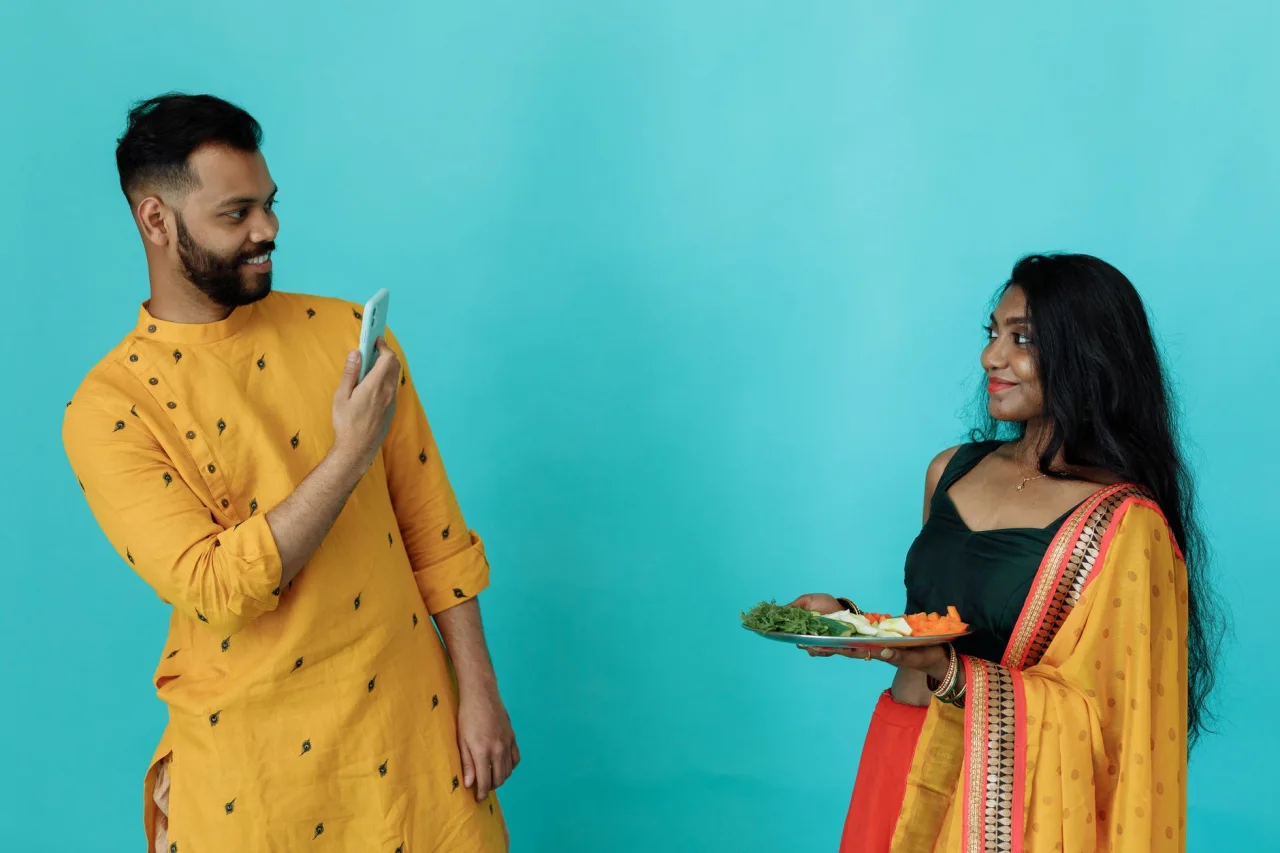
For family lunches, casual Eid mornings or a relaxed outing, keep everything light and comfortable.
- Outfit: a printed lawn or cotton sharara with a short, simple kurti.
- Top choice: a straight or slightly cropped kurti; skip heavy work.
- Jewellery: small jhumkas or studs and a couple of thin bangles.
- Footwear: flat kolhapuris, juttis or a low block heel.
- Dupatta: a light cotton or mul dupatta worn loosely on one shoulder.
- Hair: a relaxed braid or low bun.
Cotton and lawn breathe well in heat; our roundup of the best fabrics for summer explains why they stay comfortable all day. The whole point of a casual sharara is that it should feel as easy as any everyday outfit, so resist the urge to over-accessorise. A single pair of earrings, comfortable footwear and a light dupatta keep the look relaxed, and a printed sharara needs nothing more than a plain top to let the pattern do the talking.
Office and semi-formal look
A sharara can work for a smart daytime event or a dressy workplace occasion if you tone down the shine and tighten the silhouette.
- Outfit: a solid georgette or cambric sharara in a muted shade with a tailored, mid-length kurti. Georgette's light, drapey hand keeps the flare fluid without looking flashy.
- Top choice: a structured straight kameez or a neat peplum, minimal embellishment.
- Jewellery: one statement piece only, such as ear studs or a slim bracelet.
- Footwear: closed-toe block heels or pointed mules.
- Dupatta: pleated neatly over one shoulder, or skip it for a cleaner line.
For more workplace-appropriate ideas, see our office wear guide.
Styling note
- Depth of colour reads as polish. Ink, olive, plum and slate feel more formal than brights for daytime dressing.
- A fitted top plus a smooth-fall fabric keeps a sharara from looking costume-like at work.
Festive and Eid look
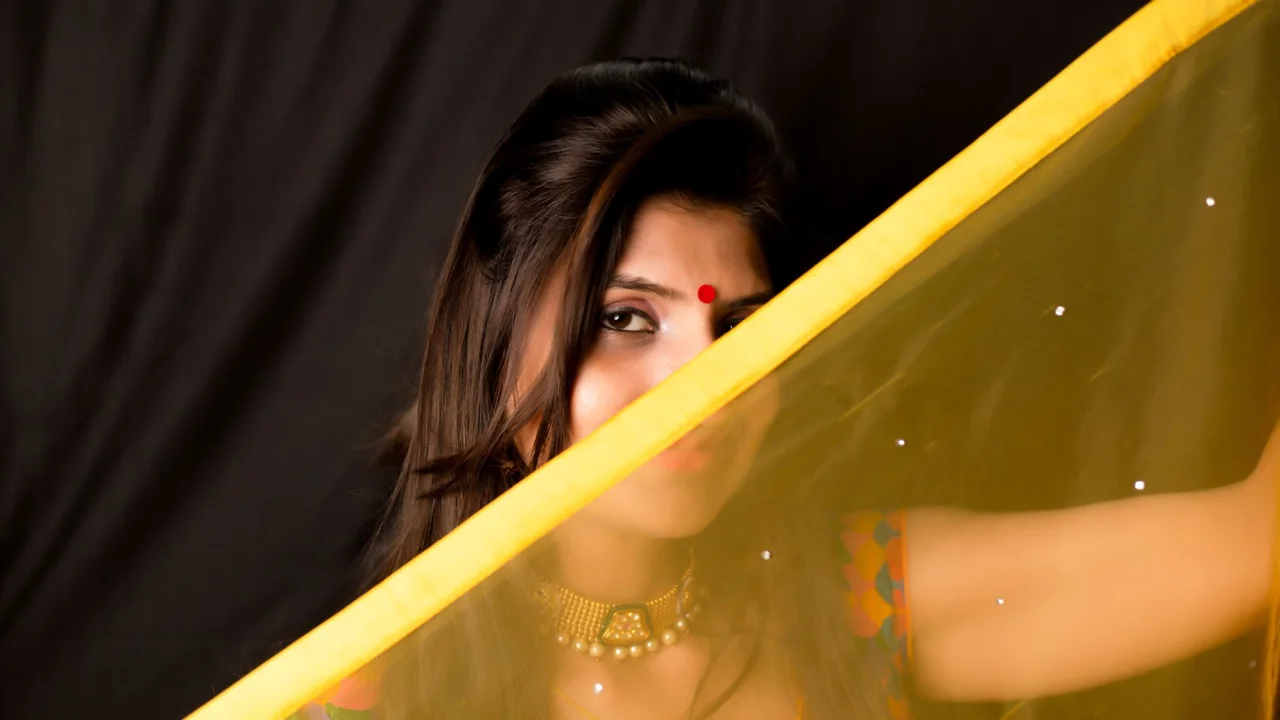
Festivals are where the sharara shines. You can go richer here without reaching full bridal.
- Outfit: a georgette or organza sharara in a pastel or jewel tone with light gota, mirror or thread work.
- Top choice: a peplum or short-front kameez that shows the flare.
- Jewellery: jhumkas with a delicate maang tikka or a light choker; pick two, not all three.
- Footwear: embellished juttis or metallic heels.
- Dupatta: a contrast or gota-edged dupatta draped over one shoulder, or lightly over the head for prayers.
- Hair: soft waves or a bun with fresh flowers.
See our Eid outfit ideas for full festive looks, and browse shapes in our sharara designs roundup. A useful festive rule is to pick a hero and a supporting cast. If the sharara carries gold gota work, let it lead and keep the jewellery to jhumkas and a ring; if the outfit is a quiet pastel, let a statement maang tikka or a bold dupatta be the focal point instead. This one-star approach keeps a celebratory look from tipping into clutter.
Wedding guest look
As a wedding guest you want to look celebratory without competing with the bride. A worked sharara is a perfect middle ground.
- Outfit: a net or raw-silk sharara in a jewel or deep pastel tone with moderate embroidery.
- Top choice: an embellished short kameez or a cape-style top.
- Jewellery: a statement earring and a cocktail ring; keep the neckline open if the top is worked.
- Footwear: heels for height, so the flare hangs cleanly.
- Dupatta: draped and pinned so it stays put through the evening.
Our wedding guest outfit guide covers colour etiquette in more depth.
Bridal and formal ceremony look
For your own nikah, mehndi or walima, the sharara becomes the centrepiece and every detail scales up.
- Outfit: a heavily embroidered net, velvet or raw-silk sharara with a long trailing dupatta.
- Top choice: a fully worked kameez or blouse that coordinates with the trouser embroidery.
- Jewellery: a full set, matched to the metal in the embroidery, gold with gold zari, silver with pearl and dabka.
- Footwear: comfortable embellished heels you can wear for hours.
- Dupatta: one draped over the head and, for grander looks, a second across the body.
For event-specific styling, see our mehndi dress ideas. The sharara's heritage as courtly wedding wear in the Awadh region is documented in Wikipedia's account of the gharara, its closest relative. When you are the one being photographed all day, plan for comfort as much as impact: choose a hem length you can walk in confidently, break in your shoes beforehand, and have the dupatta pinned by someone who knows how to secure it so you are not adjusting it in every picture.
Common styling mistakes to avoid
- Volume on volume: a full peplum plus a very full sharara can swamp the frame. Fit one, flare the other.
- Wrong hem length: always hem to your event heels, not barefoot.
- Over-accessorising: a worked sharara plus a full jewellery set plus a heavy dupatta is too much. Edit.
- Mismatched metals: keep the jewellery metal in the same family as the embroidery.
Once your look is set, our sharara buying guide helps you choose the right fit and fabric to begin with. Finally, do a mirror test before you leave: check the hem clears the floor cleanly, the top sits smoothly at the waist, and nothing needs constant adjusting. A sharara you can move and sit in comfortably will always photograph and feel better than one you are fighting all evening.
Frequently asked questions
What top should I wear with a sharara?
Pair a sharara with a relatively fitted, cropped or gently structured top so it balances the volume of the flared trousers. A short straight kurti suits casual looks, a peplum or short-front kameez suits festive wear, and a fully worked kameez suits weddings. Avoid a very full top with a very full sharara.
What shoes go best with a sharara?
Flats such as juttis or kolhapuris suit casual daywear, while block heels or embellished heels suit festive and wedding looks. Heels also help the hem hang cleanly, so always hem the sharara to the exact shoes you plan to wear.
How should I drape the dupatta with a sharara?
For casual and office looks, drape the dupatta loosely or pleated over one shoulder, or skip it for a cleaner line. For festive and bridal looks, drape it over one shoulder and pin it, or wear it over the head for ceremonies, adding a second across the body for grander occasions.
Can I wear a sharara to the office?
Yes, a solid georgette or cambric sharara in a muted shade with a tailored kurti and minimal jewellery works for a dressy workplace occasion. Choose deeper colours, keep embellishment light, and pick closed-toe heels to keep the look professional.
How do I avoid looking overdressed in a sharara?
Let one element lead and keep the rest simple. If the sharara is heavily embroidered, wear a plain top, one or two jewellery pieces and a light dupatta. Choosing a single colour family and matching your jewellery metal to the embroidery also keeps the look balanced.
More on Styling Guides
Have a question or a topic to suggest?
We read every message. Tell us what you would like to see next in the journal.
Get in touch