How to Choose a Sharara
Fit, fabric, stitched versus unstitched and realistic prices, plus the quality checks that matter.
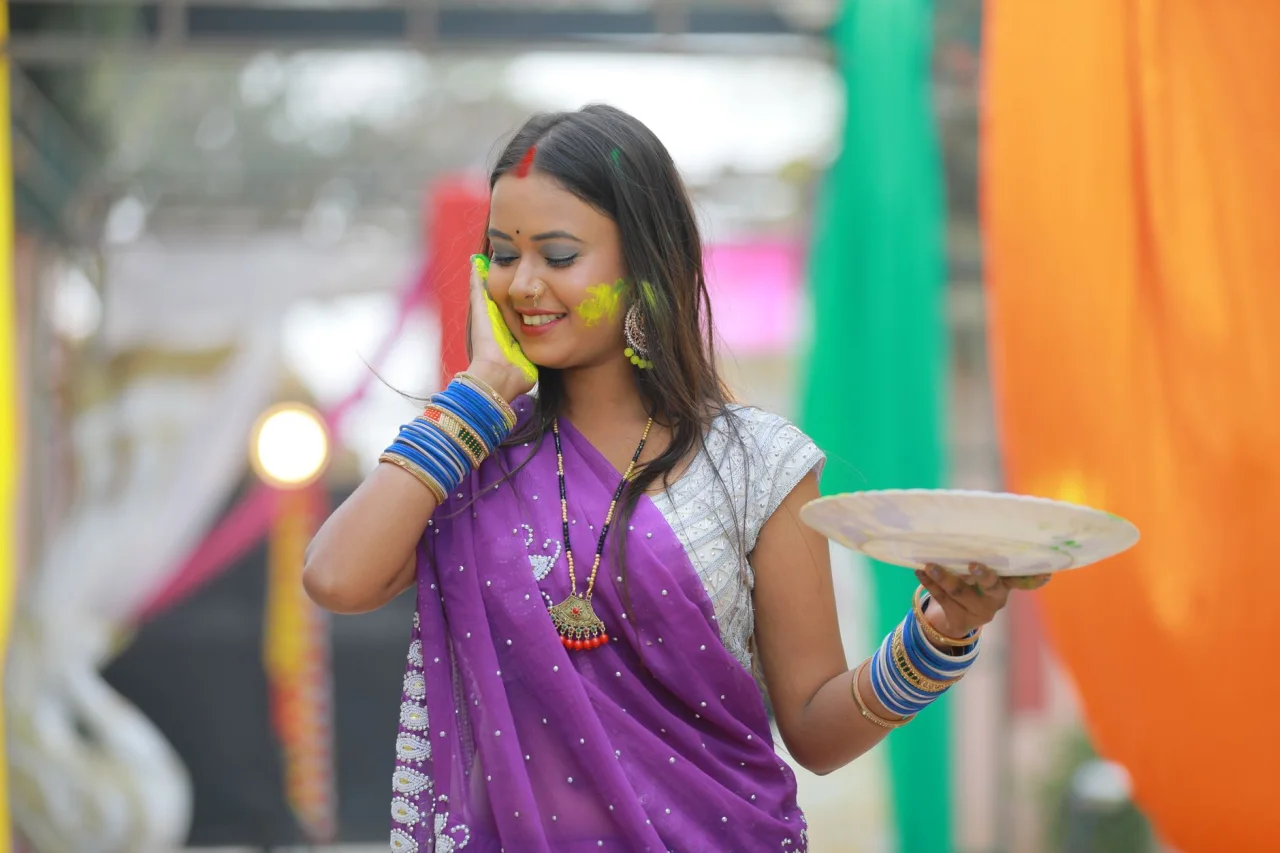
Buying a sharara well comes down to three decisions: the fit, the fabric and how much to spend. Get those right and even a modestly priced set looks considered; get them wrong and an expensive one hangs badly. This guide walks through body-type fit, seasonal fabric choices, stitched versus unstitched, realistic price brackets and the red flags that signal poor quality.
The short version
- Fit the waist and hip first; the flare is forgiving but the top of the trouser is not.
- Choose fabric by season and occasion: light cottons for summer, silks and velvet for winter formals.
- Stitched saves time; unstitched gives you a custom fit and length.
- Price tracks fabric and embroidery above all. Set a budget by occasion, then inspect the finishing.
Start with fit, not the flare
The flare of a sharara can be taken in or let out fairly easily, so the parts to get right are the waist, the hip and the length. A sharara should sit smoothly at the waist and skim the hips before it begins to widen; if it strains or gapes at the top, the whole line looks off. Length matters just as much, because the hem should just brush the floor over the heel you intend to wear. Always buy with alteration in mind and confirm there is enough seam allowance to adjust. If you are unsure what the garment should look like when it fits, our complete sharara guide shows the silhouette.
Choosing a sharara for your body type
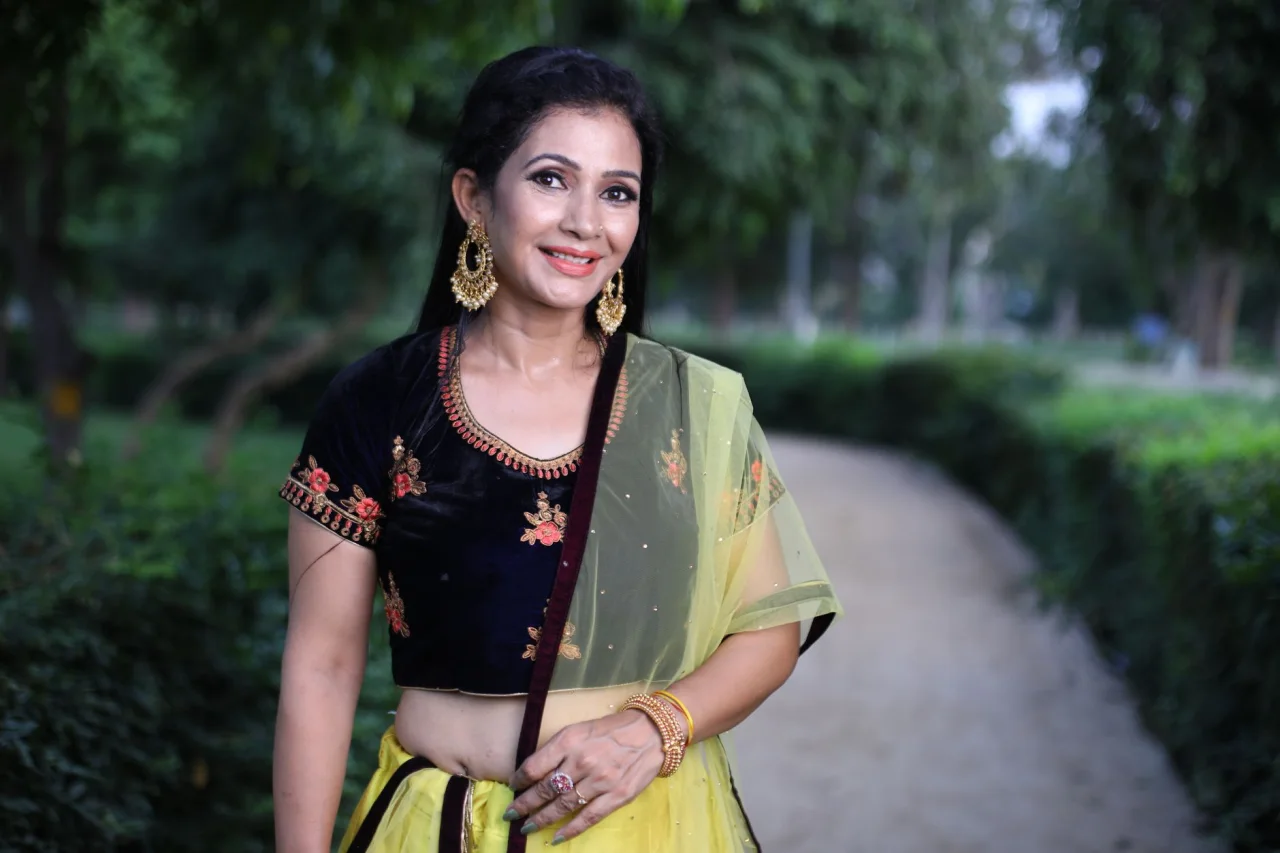
The sharara flatters most figures because the vertical flow lengthens the frame and the flare skims rather than clings. A few adjustments help each body type look its best.
- Petite: a moderate flare and a shorter or cropped top keep the frame from being overwhelmed. Hem precisely and wear a heel.
- Tall: you can carry the fullest, most gored sharara. A mid-length kameez balances the extra height.
- Curvy: a fitted waist yoke and a smooth-fall fabric skim the hips; avoid stiff gathers that add bulk at the waist.
- Straight or slim: extra gores, peplum tops and layered dupattas add welcome shape.
Because fit is personal, buy the size that fits your waist and hip and alter the rest, rather than sizing up for the flare.
Fabric by season and occasion
Fabric decides comfort, drape and how the flare behaves. Match it to both the weather and the event.
- Summer and daywear: cotton, lawn and cambric breathe and keep you cool. See our best summer fabrics guide.
- Parties and transitional weather: georgette, chiffon and crepe give soft, fluid movement.
- Winter formals and weddings: raw silk, velvet, net and organza hold heavy work and structured volume; see our winter fabrics guide. Velvet, a dense-pile weave long associated with nobility, gives bridal sharara their plush weight.
As a rule, lighter fabrics float and swish while heavier fabrics sculpt and hold. A heavily embroidered piece also needs a fabric strong enough to carry the weight, which is why bridal sharara lean on raw silk, net and velvet.
Fabric tip
- Ask whether the sharara is lined. A lined flare holds its shape and is not see-through.
- For summer, prioritise breathability over shine. A crisp cotton sharara beats a synthetic one in the heat.
Stitched vs unstitched
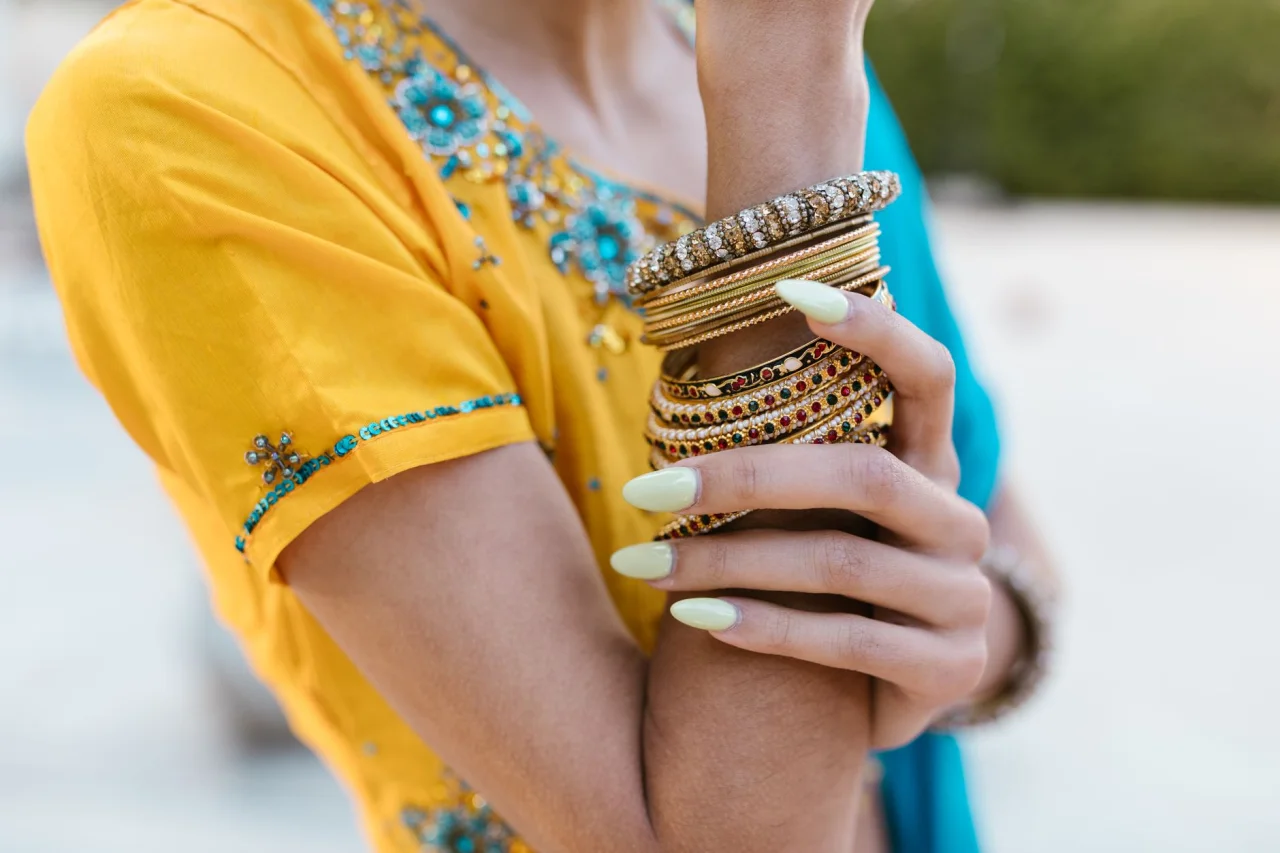
South Asian brands often sell sharara as either ready-to-wear (stitched) or as unstitched fabric with the embroidery placed, which you then have tailored.
- Stitched: convenient and immediate, with a standard size chart. Best when time is short and the fit is close to standard.
- Unstitched: more work but a custom fit, your choice of top style, and control over hem length. Best for a precise fit, unusual proportions or a specific design.
If you choose unstitched, budget for tailoring time and cost, especially before wedding season when good tailors are booked out. It also helps to bring a reference picture and your event shoes to the tailor, so the flare width, top length and hem can all be set to the look you actually want rather than a generic default.
Realistic price brackets
Prices vary widely by fabric, amount and type of embroidery, brand and retailer, so treat the ranges below as broad guidance only and confirm current pricing with the seller. As a rule, fabric and embroidery drive cost far more than the silhouette itself.
- Budget and high-street (roughly the entry level): printed lawn and plain cotton sharara sets with light or no embroidery. Expect the lowest prices here.
- Mid-range party and festive: georgette, chiffon and lightly worked sets with gota, sequin or thread work sit in the middle.
- Premium and bridal: heavily embroidered net, raw silk and velvet sharara with zari, dabka and pearl work command the highest prices, and fully custom bridal pieces sit well above ready-to-wear.
Rather than fixing on a number, set your budget by occasion: modest for daywear, mid for parties, and your ceiling for a wedding centrepiece. The embroidery type is the biggest single lever, so understanding zari and dabka work helps you judge whether a price is fair. Zari, the fine metallic thread that drives up the cost of formal wear, is documented in Wikipedia's entry on zari. A practical way to spend well is to decide where the money should go: for a piece you will wear often, put your budget into a good fabric and a clean cut rather than heavy embellishment, and for a once-a-season wedding outfit, spend on the work that photographs well. Beware prices that seem too good for the look, since deep discounts on supposedly heavy hand embroidery usually mean machine work or glued-on embellishment that will not last.
Quality checks and red flags
Before you buy, inspect the finishing. Good construction is what separates a sharara that lasts from one that sags after one wear.
- Check the lining: an unlined flare in a sheer fabric looks cheap and can be see-through.
- Inspect the embroidery back: loose threads, glue marks or thread ends left long suggest rushed work.
- Test the seams: the waist and inner-leg seams should be even and reinforced, since they take the strain of the flare.
- Weigh the fabric: a formal sharara that feels flimsy for its price is often padded with cheap net.
- Confirm the size chart and return policy before ordering online, and read the actual garment measurements, not just the label size.
For distinguishing genuinely hand-worked embroidery from machine work when you are paying a premium, our guide on hand vs machine embroidery is worth a read. When shopping in person, turn the garment inside out: neat, secured thread ends and a tidy reverse are the clearest sign of careful construction, whatever the price band.
Putting it together
Choose the fabric for your season and occasion, buy the size that fits your waist and hip, and plan for alterations to the flare and hem. Set your budget by how formal the event is, then let the finishing quality decide between two similar options. Once your sharara arrives, our guide on how to style a sharara helps you build the complete look, and our sharara designs roundup offers inspiration.
Frequently asked questions
How should a sharara fit?
A sharara should sit smoothly at the waist and skim the hips before it begins to flare, with the hem just brushing the floor over your chosen heel. The waist and hip are the critical fit points, while the flare and length can be altered, so buy for your waist and hip and adjust the rest.
Which fabric is best for a sharara?
It depends on the season and occasion. Cotton, lawn and cambric are best for summer and daywear, georgette and chiffon for parties, and raw silk, velvet, net and organza for winter formals and weddings. Lighter fabrics float, while heavier fabrics hold structured volume and carry heavy embroidery.
Is it better to buy a stitched or unstitched sharara?
Stitched sharara are convenient and ready to wear in standard sizes, best when time is short. Unstitched sets give a custom fit, your choice of top style and control over hem length, best for unusual proportions or a specific design, though you should budget for tailoring time and cost.
How much does a sharara cost?
Prices vary widely by fabric, embroidery, brand and retailer, so always confirm current pricing. As a broad guide, printed lawn and plain cotton sets are the most affordable, georgette and lightly worked festive sets sit in the middle, and heavily embroidered net, silk and velvet bridal sharara command the highest prices. Embroidery is the biggest single cost driver.
What are the signs of a poor-quality sharara?
Watch for an unlined or see-through flare, loose threads or glue marks on the embroidery, uneven or weak waist and inner-leg seams, and fabric that feels flimsy for the price. When buying online, check the actual garment measurements and the return policy before ordering.
Does a sharara suit petite heights?
Yes. A moderate flare with a shorter or cropped top keeps a petite frame from being overwhelmed, and the vertical line lengthens the body. Hem the sharara precisely to a heel so it just brushes the floor, which keeps the proportions balanced.
More on Buying Guides
Have a question or a topic to suggest?
We read every message. Tell us what you would like to see next in the journal.
Get in touch