What Is Velvet? A Fabric Guide
The plush pile fabric behind winter formals: how it is made, what it does best, and how to keep it looking rich.
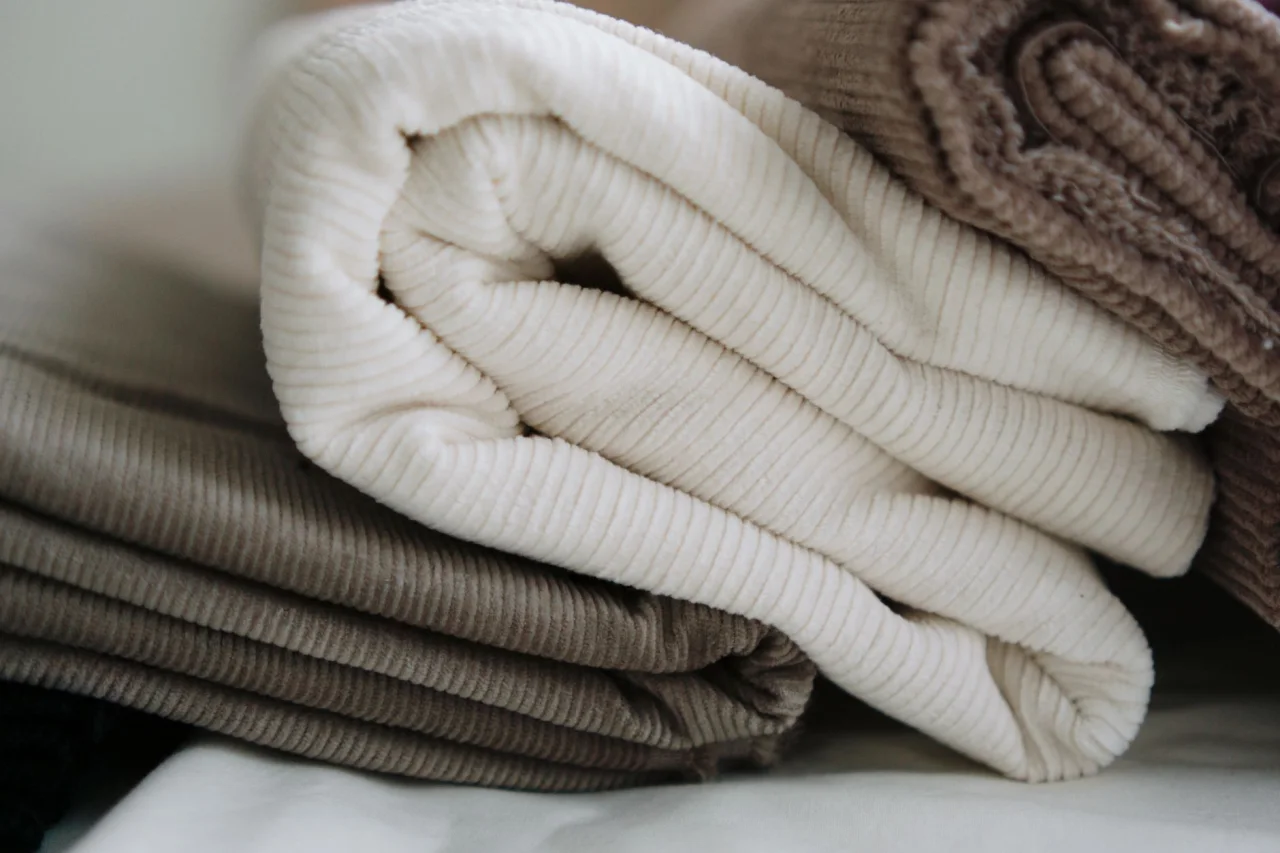
Velvet is the fabric that turns an ordinary winter outfit into an occasion. Its deep, light-catching pile reads as luxury from across a room, which is exactly why it dominates Pakistani bridal and festive wardrobes once the weather cools. This guide explains what velvet actually is, how it behaves on the body, where it earns its place in desi wear, and how to keep it looking rich for years.
The short version
- Velvet is a woven pile fabric: short, dense, upright fibres give it that soft hand and shifting sheen.
- It is warm and structured, so it suits winter formals, bridal, and evening wear far more than summer daywear.
- Pure silk velvet is rare and costly; most modern velvet blends silk, cotton, rayon, or synthetics.
- Treat it gently: dry clean where possible, store flat or on padded hangers, and never crush the pile.
What velvet actually is
Velvet is a type of woven fabric with a dense, even pile that gives it a distinctive soft feel. Unlike a flat weave such as lawn or cambric, velvet has a raised surface of tiny cut fibres standing upright from the base cloth. Those fibres catch and scatter light, which is why a single velvet panel can look almost black in shadow and glow with colour under a lamp.
The pile is created by cutting the warp yarns during weaving. Traditionally velvet is produced on a specialised double cloth loom, where two thicknesses of fabric are woven at the same time and connected by an extra warp yarn passed over rods or wires. The two layers are then sliced apart, leaving the cut pile standing on each piece. That construction is more involved than an ordinary weave, which is part of why good velvet carries a higher price and a heavier hand.
A short history
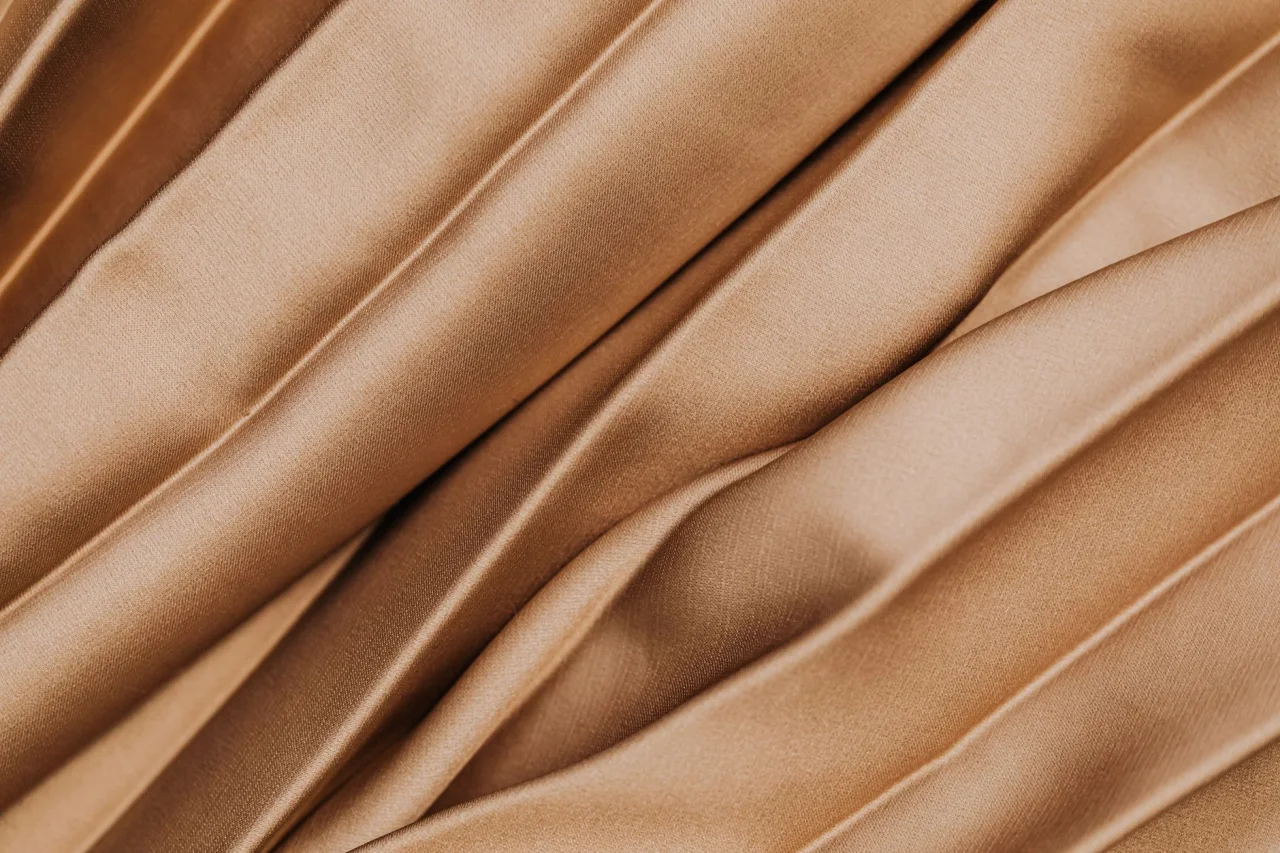
Velvet has ancient roots and is thought to have originated in the Far East. It reached Baghdad during the rule of Harun al-Rashid, in the late eighth and early ninth centuries, carried along trade routes by Kashmiri merchants, and the craft later spread west across the Islamic world and into Europe. During the Mamluk era, Cairo became the world's largest velvet producer, exporting the fabric widely to Venice, Iberia, and beyond.
That long association with courts, trade, and craftsmanship is why velvet still signals status. In the subcontinent it became a natural choice for cold-weather formalwear and for the heavy, embellished pieces worn at weddings, where its weight happily carries dense embroidery. You can read more on the fabric's documented history on Wikipedia's velvet page.
The fibres velvet is made from
Velvet is defined by its pile construction, not by a single fibre, so what it is made of varies enormously and directly affects price, drape, and care.
- Silk velvet: The most luxurious and the rarest. Pure silk velvet is expensive and delicate, with a liquid drape and an unmistakable glow. Much of what is sold as silk velvet today is actually a blend of silk with another fibre, often rayon or cotton.
- Cotton velvet (velveteen family): Matte, sturdy, and warmer looking, with less of the wet-light sheen. It holds structure well.
- Rayon and viscose blends: Common in mid-range formalwear. They mimic the fluid drape of silk at a friendlier price.
- Synthetic velvet (polyester, nylon): Affordable, durable, and colour-fast, which makes it the workhorse of most ready-to-wear festive velvet in the market.
Buying tip: Rub the pile gently in two directions. Quality velvet shows a clean, consistent nap and a rich depth of colour; cheaper cloth can look thin, patchy, or shiny in a plasticky way. If a label claims pure silk velvet at a bargain price, be sceptical.
How velvet behaves on the body
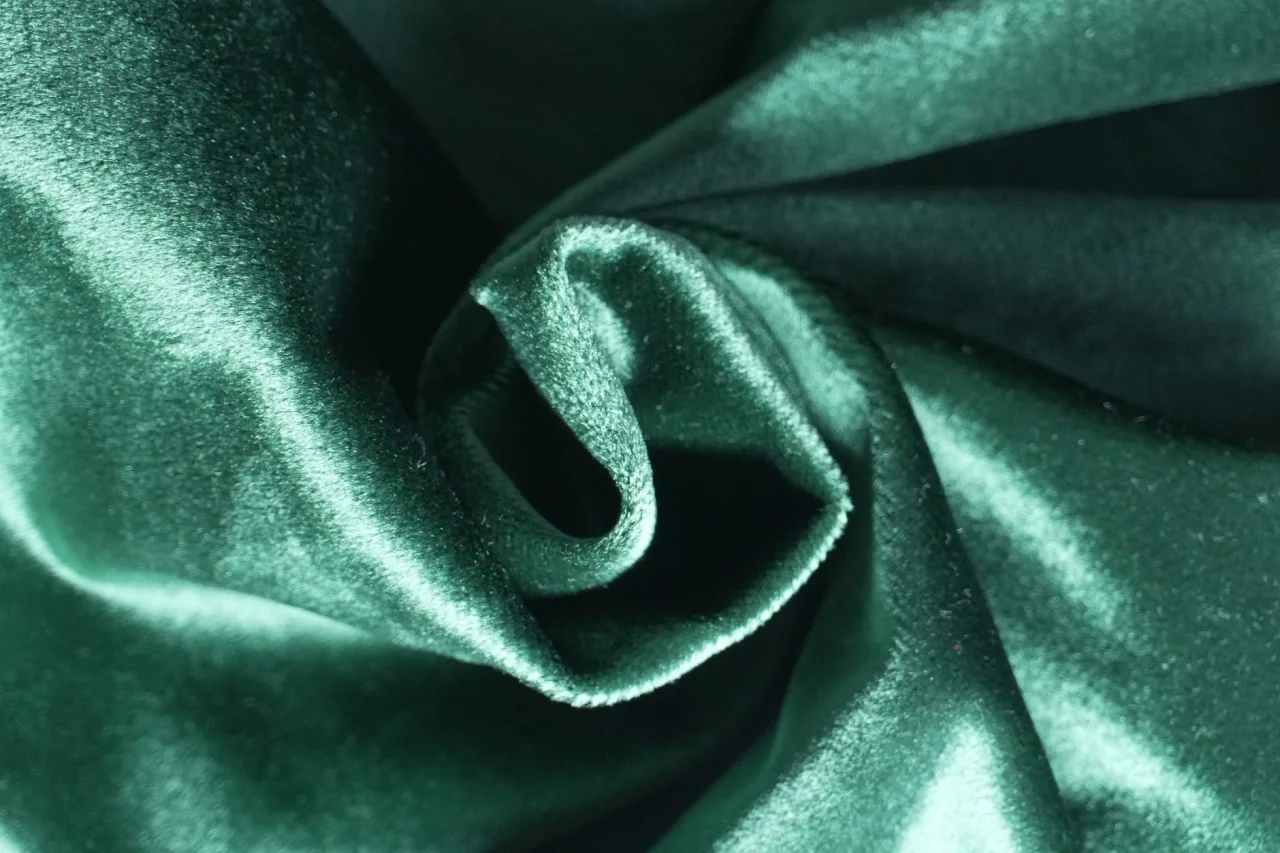
Velvet is warm, weighty, and structured. The pile traps a layer of air, which is why it feels cosy and why it is firmly a winter and cool-evening fabric rather than a summer one. It has body and holds a shape, so it flatters structured silhouettes: straight and A-line shirts, fitted bridal cholis, sculpted peplums, and long formal jackets.
Because the pile has a direction, velvet also has a nap. Light travels down the fabric differently depending on which way the fibres lie, so panels cut in different directions can look like slightly different shades. Good tailoring accounts for this by cutting all pieces of a garment in the same direction.
Where velvet shines in Pakistani wear
Velvet is a cold-season and celebration fabric, and it earns its keep across formal categories.
- Bridal and heavy formals: Its weight anchors dense zardozi, dabka, and stonework beautifully, which is why it appears so often in winter bridal lehengas and shararas.
- Winter festive suits: Velvet shirts over raw silk or jamawar trousers are a reliable cold-weather festive look.
- Shawls and jackets: Embroidered velvet shawls and structured jackets add instant richness over a simpler base outfit.
- Occasion accessories: Clutches, khussa shoes, and potli bags in velvet tie a festive look together.
If you want to see how these pieces are built and styled, our companion guide on velvet outfits and what sews and styles best walks through silhouettes, embellishments, and occasions in detail. Velvet also sits near the top of most best fabrics for winter dresses lists for exactly these reasons.
Velvet versus its rivals
Two comparisons come up constantly. Against jacquard, velvet offers a plush raised pile and a shifting sheen, while jacquard delivers a woven-in pattern and a flatter, more tailored surface; our velvet vs jacquard comparison breaks down which wins for which occasion. If you are choosing a winter formal base, it also helps to understand structured woven options like jacquard before you commit.
Common types of velvet
Not all velvet looks the same, and knowing the main varieties helps you choose the right one for an outfit.
- Crushed velvet: Given a patterned, uneven sheen by pressing the pile in different directions. It reads as glossy and modern and hides creasing well, which makes it popular for party gowns and shirts.
- Panne velvet: A lustrous, satiny type where the pile is forced flat in one direction, giving a high-shine, liquid look.
- Pile-on-pile velvet: Woven with pile of differing heights to create a pattern in the fabric itself, a subtle, textured luxury.
- Velveteen and cotton velvet: Matte, sturdy, shorter-pile cloth with less sheen. It is warmer looking and holds structure well, so it suits jackets and tailored pieces.
- Silk and silk-blend velvet: The softest drape and richest glow, used in the finest bridal and formal wear, and priced accordingly.
For festive Pakistani wear, a mid-weight synthetic or rayon-blend velvet is the everyday choice, while heavy bridal pieces often use denser, structured velvet that can carry weighty embroidery.
How to care for velvet
Velvet is difficult to clean because of its pile, so prevention and gentle handling matter more than aggressive washing.
- Dry clean structured and embellished pieces. Anything with embroidery, stonework, or a silk or rayon blend is safest at a trusted dry cleaner. Tell them it is velvet so they steam rather than press.
- Never iron the pile directly. A hot iron flattens the nap permanently. Instead, steam from the reverse or hold a steamer just above the surface to lift creases.
- Store it with room to breathe. Hang formals on padded hangers or store flat. Avoid tight folds, which leave crush marks in the pile.
- Blot spills, do not rub. Rubbing pushes the stain into the pile and mats the fibres. Blot gently and take it to a cleaner promptly.
- Refresh the nap. A soft garment brush or a gentle shake and steam will lift and even out the pile between wears.
Styling note: Because velvet already carries visual weight, let it lead. Pair a heavily worked velvet shirt with plain silk or jamawar trousers and minimal jewellery, and let the fabric do the talking.
Frequently asked questions
Is velvet only a winter fabric?
Broadly, yes. The dense pile traps warmth, so velvet feels cosy in cold weather and can be uncomfortable in heat. It is best reserved for winter formals, cool evenings, and air-conditioned indoor events rather than summer daywear.
Is all velvet made of silk?
No. Velvet is defined by its cut-pile construction, not by one fibre. It can be made from silk, cotton, wool, rayon, viscose, or synthetics. Pure silk velvet is rare and costly, and much of what is labelled silk velvet is actually a silk blend with rayon or cotton.
Why does my velvet look like two different colours?
That is the nap. The pile lies in one direction, so light reflects differently depending on the angle and the way the fabric is cut. It is a normal feature of velvet, not a fault, and good tailoring keeps all panels running the same way.
Can I iron velvet at home?
Avoid pressing a hot iron directly onto the pile, as it flattens the fibres permanently. Use a garment steamer from the reverse side or hold a steamer just above the surface to release creases while keeping the pile upright.
How do I know if velvet is good quality?
Look for a dense, even pile with consistent colour depth and no thin or patchy patches. Quality velvet has a soft, substantial hand, while cheaper cloth can feel thin and look plasticky or overly shiny. Prices vary widely by fibre, weight, and retailer, so confirm current pricing and fibre content before buying.
More on Fabrics
Have a question or a topic to suggest?
We read every message. Tell us what you would like to see next in the journal.
Get in touch