Velvet vs Jacquard
Plush velvet pile against woven jacquard pattern, compared for feel, warmth and use.
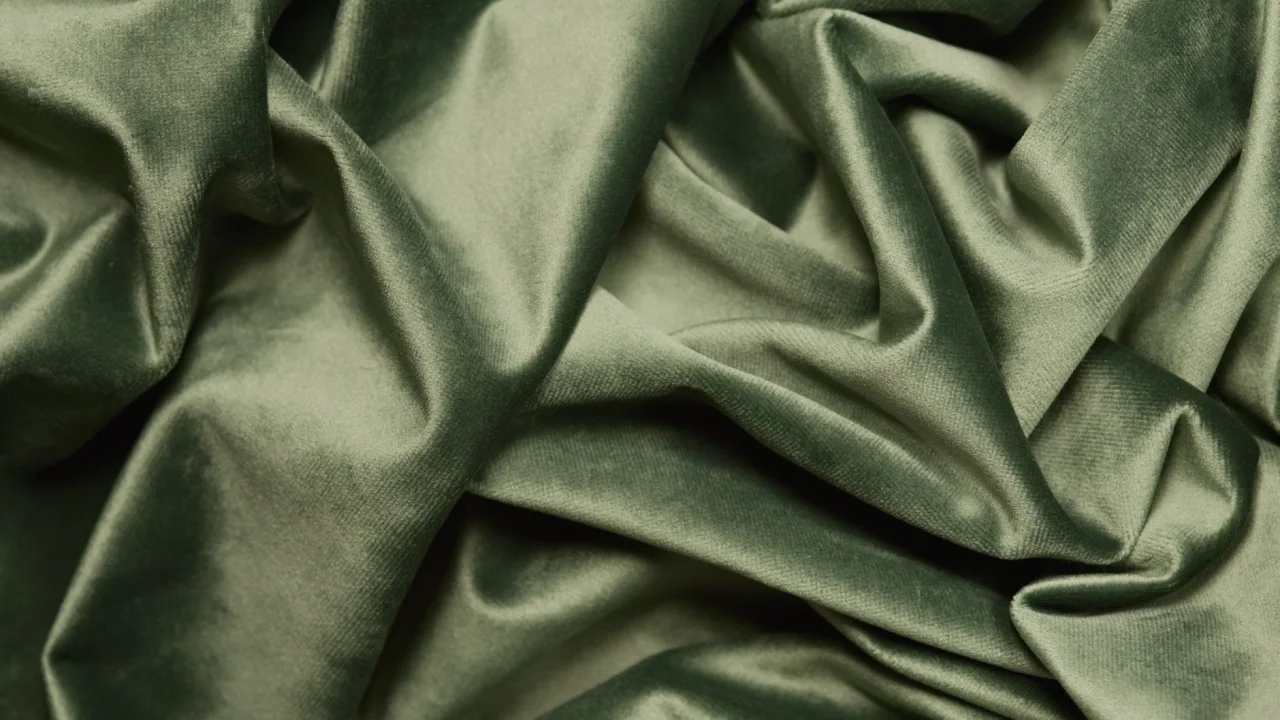
Come winter and wedding season, two fabrics dominate the formal rail: plush, light-drinking velvet and richly patterned jacquard. They are often confused because both feel luxurious and heavy, but they are built in completely different ways, one defined by its surface pile, the other by its woven-in design. Understanding that difference tells you exactly which to reach for.
The short version
- Velvet is defined by a dense, soft pile that gives it depth and a light-absorbing sheen. Jacquard is defined by a pattern woven directly into the cloth.
- They are not mutually exclusive: velvet can itself be woven on a jacquard loom to create patterned velvet.
- Velvet is plush and warm; jacquard is textured, structured and often reversible.
- Choose velvet for rich winter formals with depth, jacquard for patterned, tailored structure.
What velvet is
Velvet is a woven fabric with a dense, even pile that gives it a soft feel and a distinctive light-catching depth. According to Wikipedia's velvet entry, it is made by weaving two layers of fabric together on a loom, joined by extra warp yarns, then cutting the layers apart to create the pile, which is what distinguishes velvet (cut warp) from velveteen (cut weft). Historically velvet was silk; today it is made from silk, cotton, wool, viscose, synthetics and blends. That labour-intensive construction is why velvet long carried an air of luxury. Our full guide covers velvet properties, uses and care.
What jacquard is
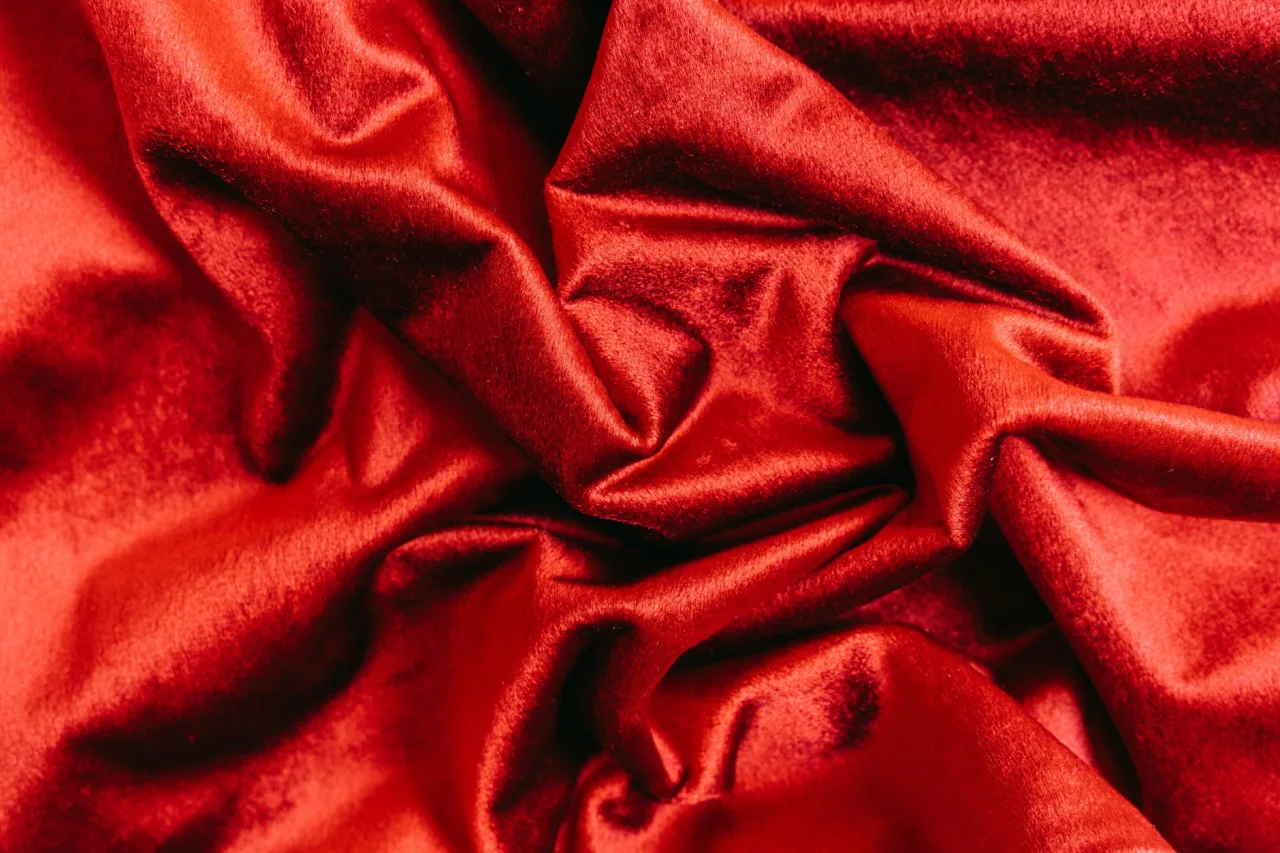
Jacquard is not a single fibre but a way of weaving. The pattern is woven into the fabric rather than printed or embroidered on top, using a special loom attachment. As Wikipedia explains, the Jacquard machine, patented by Joseph Marie Jacquard in 1804, uses a chain of punched cards to control which warp threads lift on each pass, allowing complex patterns such as brocade and damask to be woven automatically. Because the design is structural, jacquard fabric often shows the motif in reverse on the back and has a firm, textured body. Read more in our explainer on jacquard properties, uses and care.
Good to know
Velvet and jacquard are not always either-or. The same industrial innovation that helped mass-produce velvet in the nineteenth century involved weaving it on jacquard looms, which is how patterned or "jacquard velvet" is made. So a fabric can be both plush pile and woven pattern at once.
Feel and hand
The two feel entirely different under the hand. Velvet is soft, deep and plush, with a nap you can brush in different directions to shift its shade. Jacquard is firmer and more textured, with the raised pattern giving a tactile, slightly ridged surface rather than a soft pile. Velvet invites you to stroke it; jacquard invites you to trace the design.
- Velvet: plush, soft, directional pile, deep colour.
- Jacquard: firm, textured, patterned, structured body.
Appearance and pattern
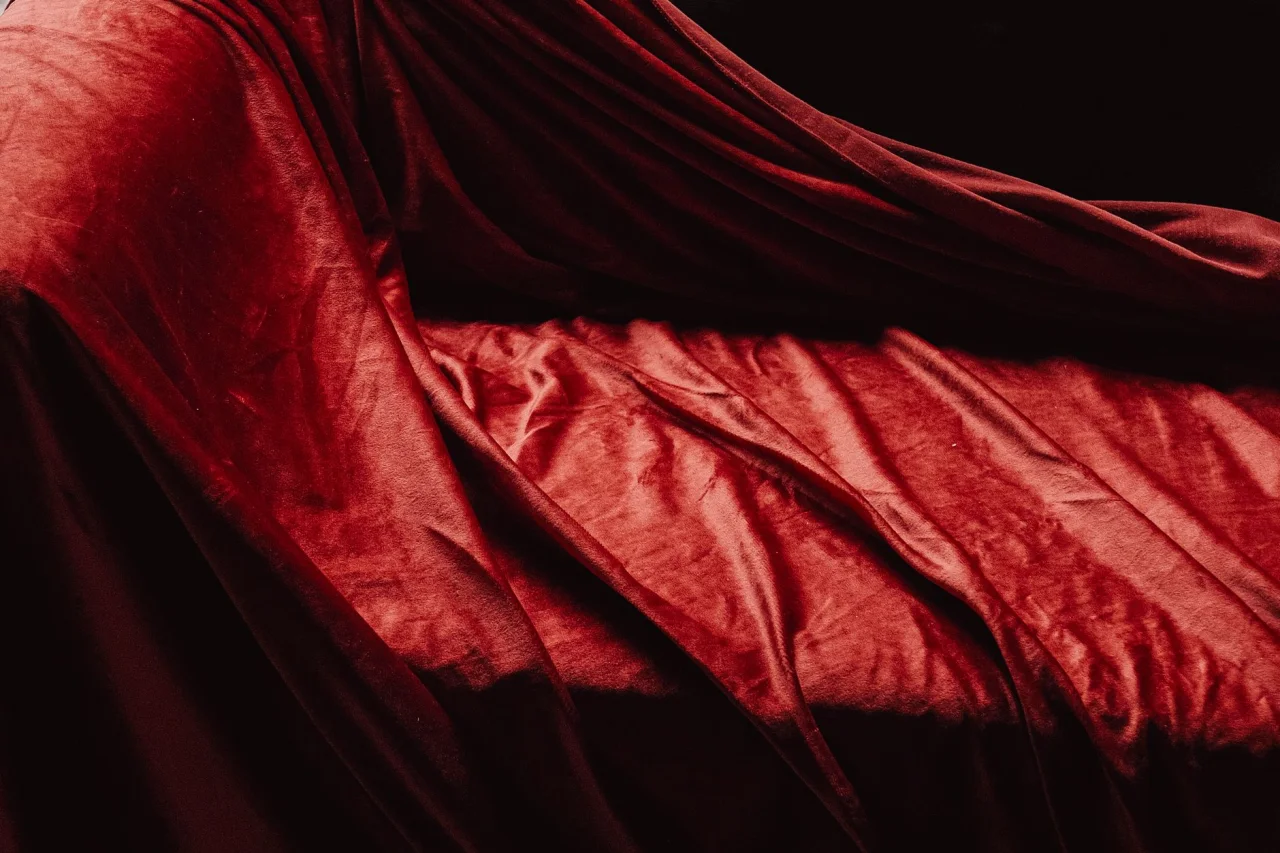
Velvet's beauty is in its depth: the pile absorbs and reflects light so colours look rich and shift as the fabric moves. Plain velvet is usually solid-coloured, drawing its drama from texture alone. Jacquard's beauty is in its motif: florals, paisleys, damasks and geometric designs woven right into the cloth, often tonal and self-coloured for a subtle effect or contrasted with metallic zari for brocade richness. If you want depth, choose velvet; if you want pattern, choose jacquard.
Climate suitability
Both lean firmly toward cooler weather and formal occasions. Velvet's dense pile traps warmth, making it a classic winter and wedding fabric that would feel stifling in summer heat. Jacquard is usually a heavier, tightly woven cloth too, so it also suits autumn, winter and air-conditioned formal venues rather than hot daytime wear. For a seasonal shortlist that includes both, see our guide to the best fabrics for winter dresses.
Price: what drives it
Both can be premium, but for different reasons. Velvet's price climbs with fibre: pure silk velvet is very expensive, while cotton and synthetic velvets are far more affordable, and much of what is sold as "silk velvet" is actually a silk-rayon or viscose blend. Jacquard's price reflects the complexity of the woven pattern and the yarns used, with metallic brocade jacquards costing more than simple tonal ones. Because both span a wide range and embellishment pushes prices up further, always confirm current pricing and fibre content for the specific fabric you want.
Styling note
Velvet reads as rich and dramatic, so a little goes a long way: a velvet blouse, jacket or panel can anchor an outfit without overwhelming it. Jacquard's built-in pattern already carries visual interest, so it pairs best with clean, structured silhouettes and minimal extra embroidery that lets the weave speak.
Stitching and tailoring behaviour
These fabrics ask for different handling at the cutting table:
- Velvet has a nap, so all pieces must be cut in the same direction or panels will look mismatched. It shifts and creeps while sewing, marks under a hot iron, and should be pressed face-down on a velvet board or towel to protect the pile.
- Jacquard is more stable and holds structured seams and pleats well, which makes it forgiving to tailor. It can fray at raw edges, and floats on the reverse of the pattern may snag, so finish seams and handle the back with care.
- Weight: both are substantial, so they suit lined, structured garments rather than soft floaty drape.
To see how each looks made up, browse our notes on velvet outfits and jacquard outfits.
The verdict: which for what
They solve different problems, so match the fabric to the effect you want:
| Your goal | Best pick | Why |
|---|---|---|
| Rich, deep-colour winter formal | Velvet | Plush pile with light-catching depth |
| Woven pattern without embroidery | Jacquard | Motif is built into the cloth |
| Structured, tailored silhouettes | Jacquard | Firm body holds shape |
| Soft, tactile luxury | Velvet | Deep, strokeable nap |
| Warmth for cold-weather events | Velvet | Dense pile traps heat |
| Easy-to-tailor formal fabric | Jacquard | Stable and forgiving to sew |
Choose velvet for plush depth and warmth, and jacquard for woven pattern and structure, or find a patterned velvet that gives you both. If you are still weighing formal fabrics, compare these against our guide to silk versus raw silk.
Frequently asked questions
What is the difference between velvet and jacquard?
Velvet is defined by its dense, soft pile, created by weaving two layers together and cutting them apart, which gives it depth and a light-catching sheen. Jacquard is defined by a pattern woven directly into the fabric on a special loom. One is about surface texture, the other about woven design.
Can a fabric be both velvet and jacquard?
Yes. Velvet can be woven on a jacquard loom to create patterned or jacquard velvet, which combines plush pile with a woven-in design. So the two are not always mutually exclusive; a single fabric can have both qualities.
Which is warmer?
Velvet is generally warmer because its dense pile traps heat, which is why it is a classic winter and wedding fabric. Jacquard is usually heavy and tightly woven too, so it also suits cooler weather, but velvet's pile makes it the cosier of the two.
Which is easier to sew?
Jacquard is easier to sew because it is stable and holds structured seams well. Velvet is trickier: it has a nap that must be cut in one direction, it shifts while sewing, and it marks under a hot iron, so it needs careful pressing on a velvet board or towel.
Which is more expensive?
Both can be premium. Velvet's price depends mostly on fibre, with pure silk velvet very costly and cotton or synthetic velvet affordable. Jacquard's price reflects the complexity of the woven pattern and yarns, with metallic brocade costing more. Confirm current pricing and fibre content for the specific fabric before buying.
Is jacquard the same as brocade?
They are closely related. Brocade is a type of richly patterned fabric traditionally woven with metallic threads, and it is one of the complex patterns a jacquard loom can produce. So brocade is often a jacquard weave, but not all jacquard is brocade; many jacquards are tonal or non-metallic.
More on Fabrics
Have a question or a topic to suggest?
We read every message. Tell us what you would like to see next in the journal.
Get in touch