What Is Cambric?
The fine, crisp, calendered cotton that works year-round: properties, uses and care.

Cambric is the quietly reliable cousin of lawn: a fine, smooth, densely woven cotton that holds a crisp finish and works right through the year, not just in peak summer. It is a favourite for winter suits, structured kurtas and everyday wear that needs to look pressed and last. This guide explains what cambric is, where its name comes from, how it differs from lawn and batiste, and how to wash and care for it.
The short version
- Cambric is a fine, dense, plain-weave fabric, originally linen and later commonly cotton.
- Calendering gives it a smooth, slightly lustrous surface and a crisp, structured hand.
- It is generally considered finer and more expensive than lawn, and it suits cooler seasons well.
- Wash gently and iron while slightly damp to keep its smooth, pressed finish.
What cambric is
Cambric is a fine, dense cloth woven in a lightweight plain weave, with a smooth surface produced by calendering, a pressing process. According to Wikipedia's entry on cambric, it was originally made from linen, but from the 18th and 19th centuries the term came to apply to cotton fabrics as well. Modern cambric can be cotton, linen or a blend, though in South Asian fashion it is usually cotton.
The defining qualities are fineness, density and that smooth, faintly lustrous finish. Where lawn ranges from soft to semi-crisp, cambric tends to sit on the crisper, more structured side, which is part of why it holds a pressed look so well.
Where the name comes from
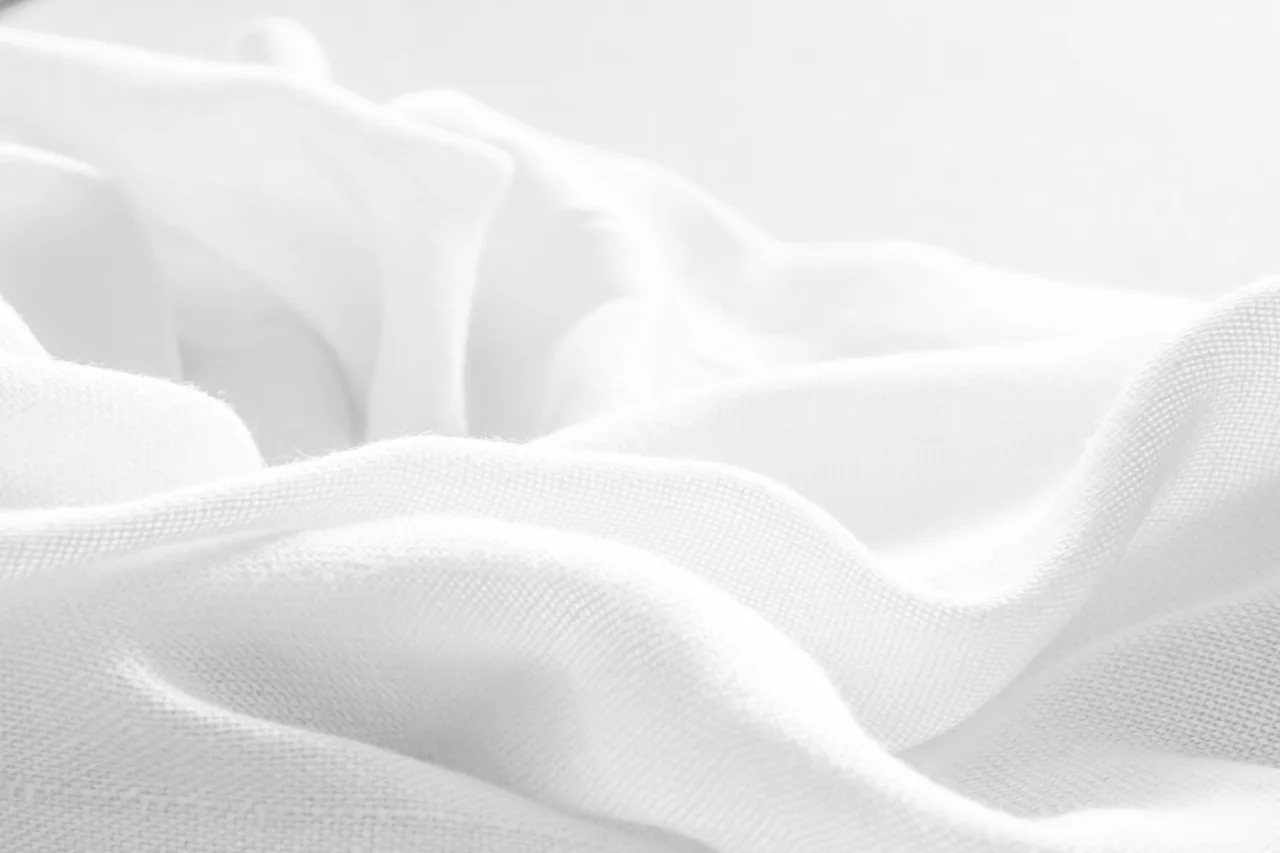
Cambric takes its name from Cambrai, a town in northern France (its name derives from the town's Flemish designation). A popular legend credits the invention to a weaver called Baptiste, or Jean-Baptiste, of Cambrai, but as Wikipedia notes, this story has no historic ground. The French word batiste is essentially synonymous with cambric, and in English batiste is treated as a closely related fine fabric with a slightly different finish. Cambric, batiste, lawn and nainsook all belong to the same family of fine plain-weave cottons.
Fabric note
Calendering is the reason cambric feels smooth and looks slightly lustrous. The finished cloth is pressed between rollers, which flattens the surface and adds a soft sheen. This finish can soften over repeated washing, so a gentle wash routine helps preserve the crisp, polished look.
Properties of cambric
Cambric brings together several qualities that make it a year-round workhorse:
- Smooth, dense surface: fine yarns and a tight weave give a clean, even finish that suits solid colours and prints.
- Crisp hand: more structured than lawn, so it holds shape in tailored cuts.
- Breathable yet substantial: as a cotton it still breathes, but its density gives a little more warmth than airy lawn.
- Takes colour well: it can be dyed in many colours or left white, and prints sit cleanly on its smooth face.
- Durable: the dense weave wears well with regular use.
That combination of crispness and a touch more substance is why many people choose cambric for transitional and cooler weather, alongside the best fabrics for winter dresses.
Cambric compared with lawn and batiste

These fabrics are close relatives, so the differences are about finish and weight rather than a completely different cloth:
- Cambric vs lawn: cambric is more densely woven and calendered to a smoother, slightly lustrous, crisper finish, and is generally regarded as finer and more expensive than lawn. Lawn is lighter, airier and prized for how it takes print. Our lawn vs cambric comparison weighs them side by side, and our lawn fabric guide covers lawn in full.
- Cambric vs batiste: batiste is a kind of cambric with a similar texture but a different finish, often lighter and finer. In practice the names overlap.
- Cambric vs chambray: chambray looks similar but is woven with a coloured warp and a white weft, giving its characteristic heathered look, which cambric does not have.
Cambric in Pakistani and South Asian fashion
In South Asian wear, cambric is a popular base for the shalwar kameez, kurtas and everyday three-piece suits, especially in the cooler months when lawn feels too light. Its crisp hand suits structured cuts such as straight suits and A-line kurtas, and its smooth face is a clean canvas for embroidery and prints. Because it holds a pressed look, it is a practical pick for office and daily wear that needs to stay smart. Many wardrobes treat cambric as the autumn-to-winter counterpart to summer lawn, and it pairs naturally with the kind of everyday styling we cover in our cotton suit guide. For the festive end, you can also see how it fits alongside cambric outfit ideas.
It also plays well with embroidery. The smooth, dense surface gives thread work, gota and light sequin detailing a stable base to sit on, so festive cambric pieces hold their shape better than the same work on a softer cloth. That combination of a crisp hand and a clean canvas is why cambric turns up so often in the transitional wardrobe, dressed down for the office and up for a family dinner with little more than a change of dupatta and jewellery.
What cambric is used for
Historically, cambric was prized for fine, crisp textiles. Wikipedia lists traditional uses including fine shirts, shirt frills, collars and cuffs, handkerchiefs, cravats and infant wear, along with ecclesiastical garments. Today its uses include:
- Shalwar kameez, kurtas and everyday suits, especially for cooler weather.
- Crisp shirts and blouses.
- Children's and infant clothing.
- Handkerchiefs and fine linens.
How to spot good-quality cambric
Because cambric ranges from everyday to premium, a little inspection before you buy pays off. Look for these signs of a well-made cloth:
- Even, dense weave: hold the fabric to the light. A good cambric shows a tight, uniform weave with no thin patches or slubs, since density is part of its character.
- Smooth, faintly lustrous face: the calendered finish should feel smooth and look softly polished rather than dull or fuzzy.
- Clean prints and dye: on printed or dyed cambric, the colour should sit evenly and the print register cleanly, without bleeding at the edges.
- Good recovery: scrunch a corner in your hand and release it. Quality cambric creases less harshly and smooths out more readily than a loose, low-count cotton.
- Weight to match the season: a slightly heavier cambric suits cooler months, while a lighter weight bridges into warmer weather.
Keep in mind that the calendered sheen can soften with repeated washing, so judge a piece on its weave and hand as much as its initial gloss. A dense, finely woven cambric will keep looking smart long after the first shine settles down.
How to wash and care for cambric
Cambric is cotton, so it is easy to look after, but its smooth, calendered finish rewards a gentle routine:
- Wash cool: hand wash or use a gentle machine cycle in cold or lukewarm water to protect colour and finish.
- Use mild detergent: avoid harsh bleach on coloured or printed cambric.
- Wash new colours separately: deep dyes can bleed in the first few washes.
- Dry in shade: keep bright colours and prints out of direct sun, and turn embroidered pieces inside out.
- Iron slightly damp: a medium-hot iron on a slightly damp piece restores the crisp, smooth finish cambric is known for.
- Store dry and folded: away from damp to prevent mildew on light shades.
Care tip
Cambric holds a press well, so you can often refresh a lightly worn piece with a quick iron rather than a full wash. This is part of what makes it convenient for office and everyday rotation, and it reduces wear from over-washing.
Frequently asked questions
What is cambric fabric?
Cambric is a fine, densely woven, plain-weave fabric with a smooth surface created by calendering. It was originally made from linen and later commonly from cotton, and modern cambric can be either or a blend. It is named after the French town of Cambrai and is known for its crisp hand and slightly lustrous finish.
What is the difference between cambric and lawn?
Both are fine plain-weave cotton fabrics. Cambric is more densely woven and calendered to a smoother, crisper, slightly lustrous finish, and is generally considered finer and more expensive than lawn. Lawn is lighter and airier and is especially prized for how well it takes prints, which makes it a summer favourite.
Is cambric good for winter wear?
Cambric suits cooler and transitional weather well. As a cotton it still breathes, but its denser weave gives a little more substance and warmth than very light lawn, and its crisp hand holds shape in tailored winter suits. Many wardrobes treat cambric as the cooler-season counterpart to summer lawn.
Is cambric the same as batiste?
They are very closely related. Batiste is described as a kind of cambric with a similar texture but a different, often lighter and finer, finish. The French word batiste is essentially synonymous with cambric, so in everyday use the names overlap, though English sometimes treats them as separate fine fabrics.
How do I care for cambric so it stays crisp?
Wash in cool water with a mild detergent, avoid bleach on colours and prints, dry in shade, and iron the piece while slightly damp with a medium-hot iron. Because cambric holds a press, a quick iron often refreshes a lightly worn piece without a full wash, which helps it keep its smooth finish for longer.
More on Fabrics
Have a question or a topic to suggest?
We read every message. Tell us what you would like to see next in the journal.
Get in touch