What Is a Cotton Suit?
The everyday backbone of the South Asian wardrobe: what makes a suit a cotton suit, its types, who it flatters and how to buy well.
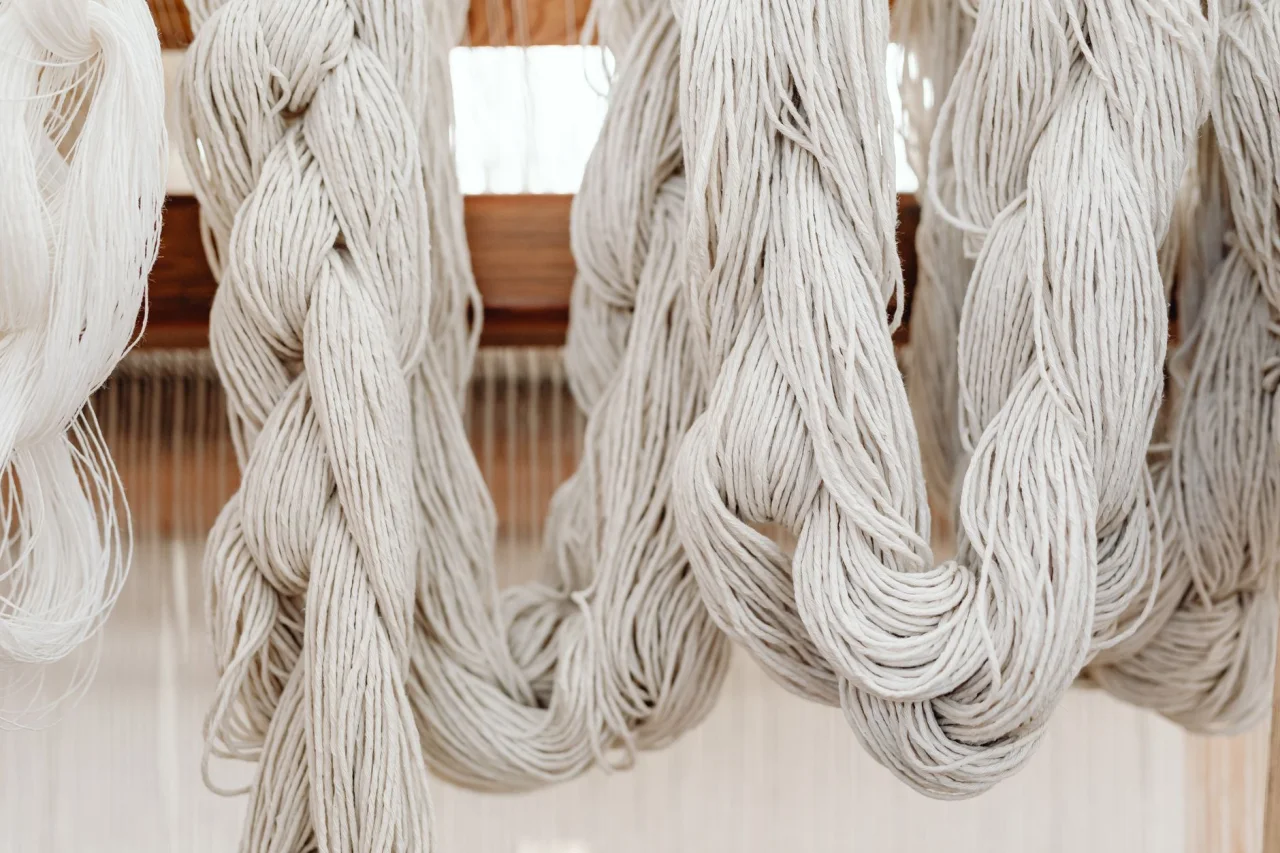
A cotton suit is the everyday backbone of the South Asian wardrobe: a three piece or two piece unstitched or ready outfit cut from breathable cotton, made up of a kameez, a lower (trouser or salwar) and usually a dupatta. It is the outfit most people reach for on a hot afternoon, a workday or a relaxed family lunch, because it keeps you cool while still looking put together. This guide explains what actually makes a suit a cotton suit, the main types, who it flatters and how to buy one that lasts.
The short version
- A cotton suit is a kameez plus a lower plus (often) a dupatta, made in cotton or a cotton blend.
- Cotton is prized because it is soft, highly absorbent and breathable, which is why it dominates spring and summer dressing.
- It comes unstitched (fabric you tailor) or stitched (ready to wear), in plain, printed or lightly embroidered versions.
- Match the weight of the cotton to the season and occasion: light lawn for peak summer, heavier khaddar for winter.
What exactly is a cotton suit?
In South Asian fashion, the word suit rarely means a Western jacket and trousers. It means a coordinated set built around a kameez (a long shirt or tunic) worn over a lower garment. When that set is made in cotton, it is a cotton suit. The classic form is the three piece: shirt fabric, trouser or salwar fabric and a matching or contrasting dupatta. Two piece versions drop the dupatta, which suits office and casual wear.
The defining ingredient is the fibre. Cotton is a soft, fluffy natural fibre that grows in a boll around the seeds of the cotton plant and is almost pure cellulose. According to Wikipedia's overview of cotton, the fibre produces a soft, breathable and durable textile and is highly absorbent, which is exactly why it feels comfortable against the skin in heat. South Asia has grown cotton for thousands of years, with archaeological evidence at Mehrgarh in present day Pakistan and across the Indus Valley, so the cotton suit sits on very deep regional roots.
The parts of a cotton suit
- Kameez: the long shirt or tunic, straight or A line, with side slits called chaak for ease of movement.
- Lower: a salwar (loose, pleated and tapered), a straight trouser, a cigarette pant or a churidar.
- Dupatta: a long scarf draped over the shoulder or head, often the piece that carries the print or border.
This is the same core structure as the wider salwar kameez family. If you want the full picture of that ensemble, our guide to what a salwar kameez is covers the silhouette and its regional history in depth.
Stitched or unstitched: how cotton suits are sold
Cotton suits are sold in two formats, and knowing the difference saves money and disappointment.
- Unstitched: you buy the fabric pieces (shirt, trouser, dupatta) and have them tailored to your measurements. This gives the best fit and lets you choose the silhouette, but you pay for stitching and wait for the tailor.
- Stitched (ready to wear): pre made in standard sizes. Faster and convenient, ideal when you need something quickly, though the fit is less personal.
Buyer tip
Unstitched cotton usually needs a pre wash before tailoring, because natural cotton can shrink on its first few washes. Ask your tailor to allow a little extra in the seams so the suit still fits after it settles.
Common types of cotton suit
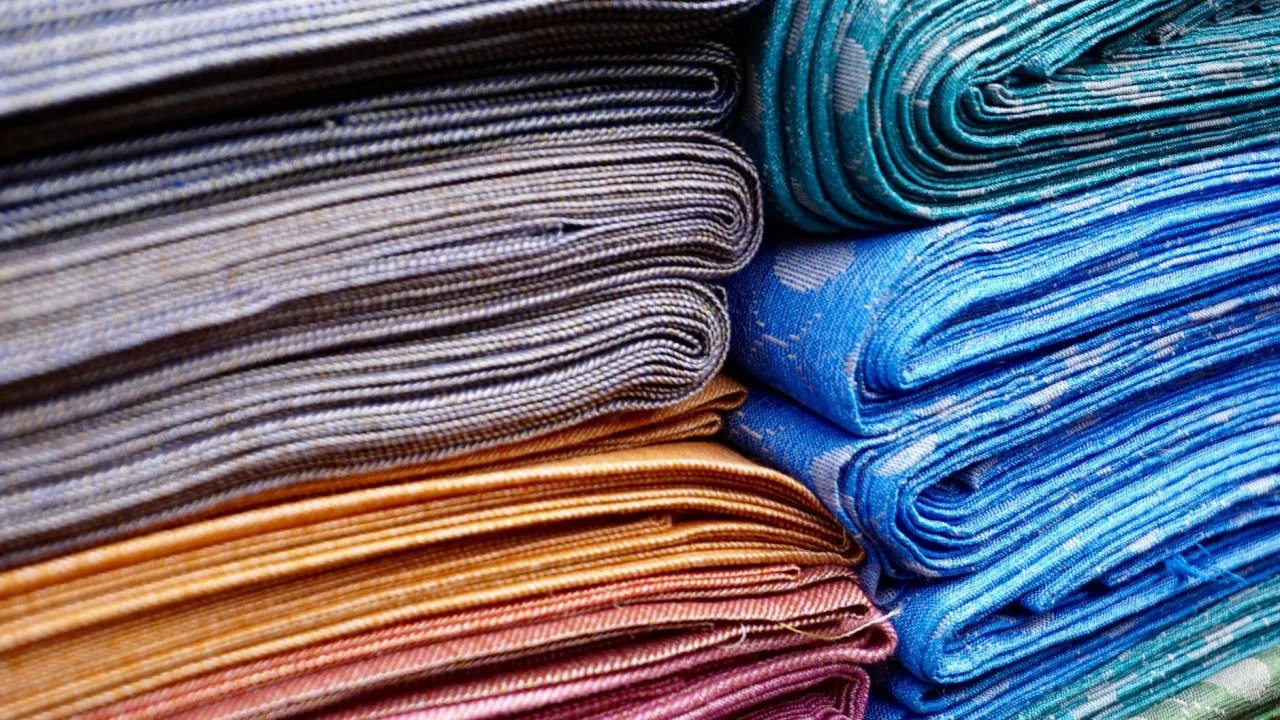
Not all cotton is the same. The weave and weight change the look and the season:
- Lawn cotton: a fine, lightweight plain weave, the summer favourite across Pakistan and North India. See our explainer on cotton lawn for its properties and care, and the dedicated lawn suit guide.
- Cambric and poplin: slightly denser cottons with a smooth surface, good for prints and light embroidery.
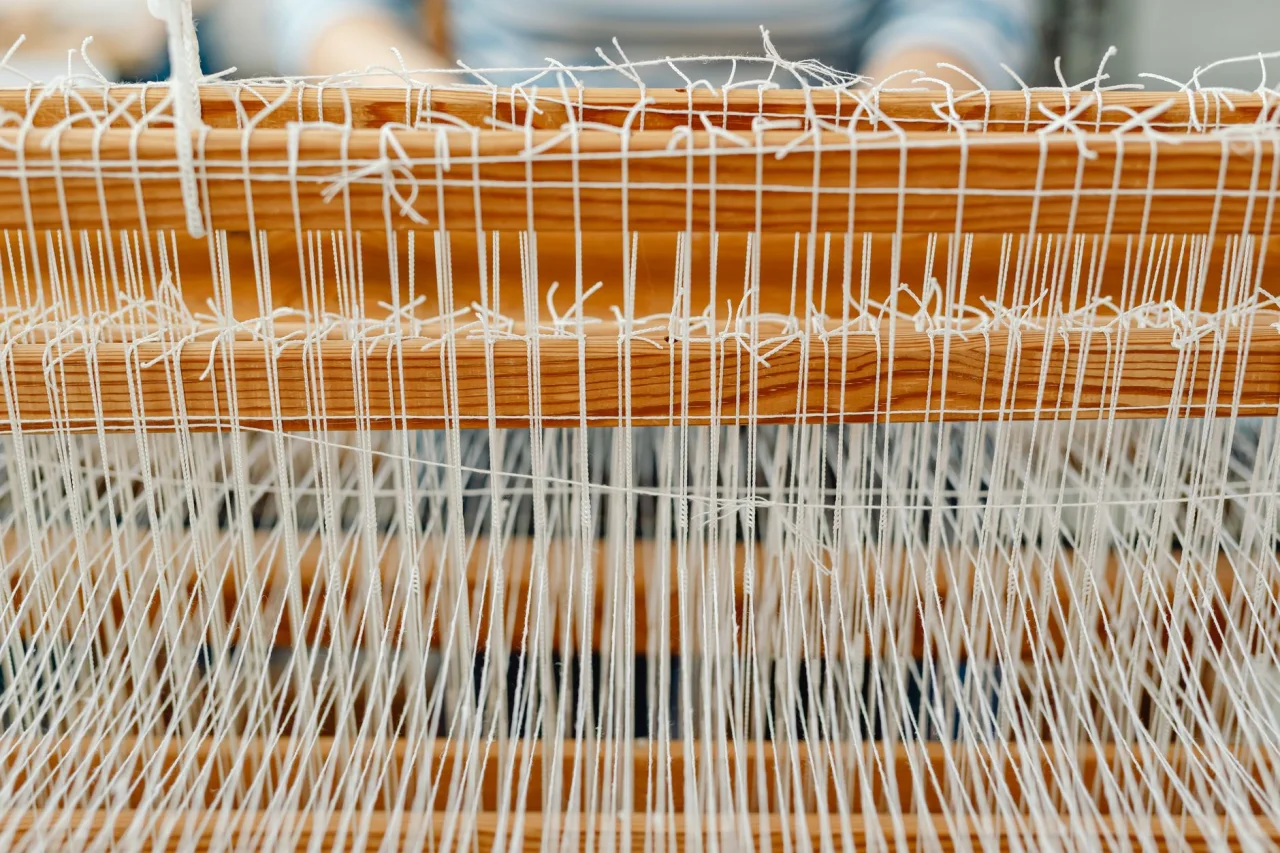
- Khaddar: a heavier handloom cotton woven for warmth, worn in the cooler months.
- Cotton net and cotton silk blends: dressier options that add sheen or texture for occasions.
Plain, printed or embroidered
Surface treatment is the other big variable. Plain dyed cotton suits are the workhorses of a capsule wardrobe. Printed cottons (florals, geometrics, block prints) carry personality without extra weight. Embroidered cotton adds thread work, chikankari or lace for a richer look. If you love that hand worked detail, our guide to the embroidered suit explains the techniques and how to judge quality.
Who does a cotton suit suit?
Almost everyone, which is the point. Cotton is forgiving and versatile:
- By body type: a straight cut skims, an A line adds gentle flare at the hem, and a longer kameez lengthens the frame. Choose the silhouette rather than the fibre for shaping.
- By age: it works from student to senior, dressed down with flats or up with juttis and jewellery.
- By climate: its breathability makes it the default for hot, humid regions. For a season by season fabric plan, see our roundup of the best fabrics for summer.
Regional cotton suit traditions
Cotton dressing looks a little different across the subcontinent, shaped by climate and craft. In Punjab, the cotton salwar suit with a light dupatta is an everyday staple, often in bright solids and phulkari inspired accents. Lucknow is the home of chikankari, the fine white on white hand embroidery worked on cotton and muslin, which turns a plain cotton suit into something quietly special. Sindh and Gujarat bring block printing, ajrak motifs and mirror work to their cotton. Across Pakistan, seasonal lawn collections have made lightweight printed cotton a national summer habit. Knowing these roots helps you recognise why a cotton suit looks the way it does, and choose one made with a technique you genuinely like.
How a cotton suit differs from similar garments
People often confuse related terms. A quick untangling:
- Cotton suit vs kurti: a kurti is a single tunic top, often worn with jeans or leggings. A suit is a coordinated set with a matching lower and usually a dupatta.
- Cotton suit vs lawn suit: a lawn suit is a cotton suit, specifically one made in lightweight lawn cotton. All lawn suits are cotton suits, but heavier khaddar or cambric suits are not lawn.
- Cotton suit vs designer suit: designer refers to the label and level of finish, not the fabric. A designer suit can be cotton, silk or net. Our designer suit guide explains that distinction.
Caring for a cotton suit so it lasts
Cotton rewards simple care:
- Wash dark and bright colours separately for the first few washes, as some dyed cottons bleed.
- Use a mild detergent and cool to warm water. Hot water can shrink and fade cotton.
- Dry in shade to protect colour. Direct harsh sun fades prints over time.
- Iron while slightly damp; cotton creases easily but presses beautifully.
- Store folded and dry, since cotton can develop mildew spots if put away damp.
Styling note
A plain cotton suit is a blank canvas. A statement dupatta, a pair of oxidised silver earrings or a printed stole instantly lifts it from everyday to going out, without adding heat.
What does a cotton suit cost?
Prices vary widely by fabric quality, print, embroidery, brand and whether the piece is stitched. As a realistic guide, simple unstitched printed cotton sits at the affordable end, branded lawn collections and lightly embroidered cotton sit in the mid range, and heavily worked or designer cotton runs higher. These bands shift by region, season and retailer, so always confirm current pricing before you buy. When comparing options, weigh fabric weight, colourfastness and the density of any embroidery rather than the sticker alone. For a full framework, our buying guide walks through fit, fabric and price together.
Frequently asked questions
What is a cotton suit?
A cotton suit is a coordinated South Asian outfit made from cotton fabric, consisting of a kameez (long tunic), a lower garment such as a salwar or trouser and usually a dupatta. It is valued for being soft, breathable and comfortable, especially in warm weather.
Is a cotton suit good for summer?
Yes. Cotton is highly absorbent and breathable, so it draws moisture away from the skin and allows air to circulate, which keeps you cooler than most synthetic fabrics. Lightweight cotton such as lawn is a summer staple across South Asia.
What is the difference between a cotton suit and a lawn suit?
A lawn suit is a type of cotton suit made specifically in lawn, a fine lightweight plain weave cotton. Every lawn suit is a cotton suit, but cotton suits also include heavier weaves like cambric and khaddar that are not lawn.
Does a cotton suit shrink?
Untreated cotton can shrink slightly on its first few washes. Pre washing unstitched fabric before tailoring, allowing a little extra in the seams and washing in cool water all help prevent fit problems later.
Can a cotton suit be worn to formal occasions?
Yes, when it is embellished. Embroidered cotton, cotton net or cotton silk blends with thread work, chikankari or lace can look dressy enough for festive and semi formal events, while plain cotton stays casual.
More on Clothing Types
Have a question or a topic to suggest?
We read every message. Tell us what you would like to see next in the journal.
Get in touch