Choosing the Perfect Salwar Kameez
Fit by body type, fabric by season, stitched vs unstitched, realistic prices and red flags.
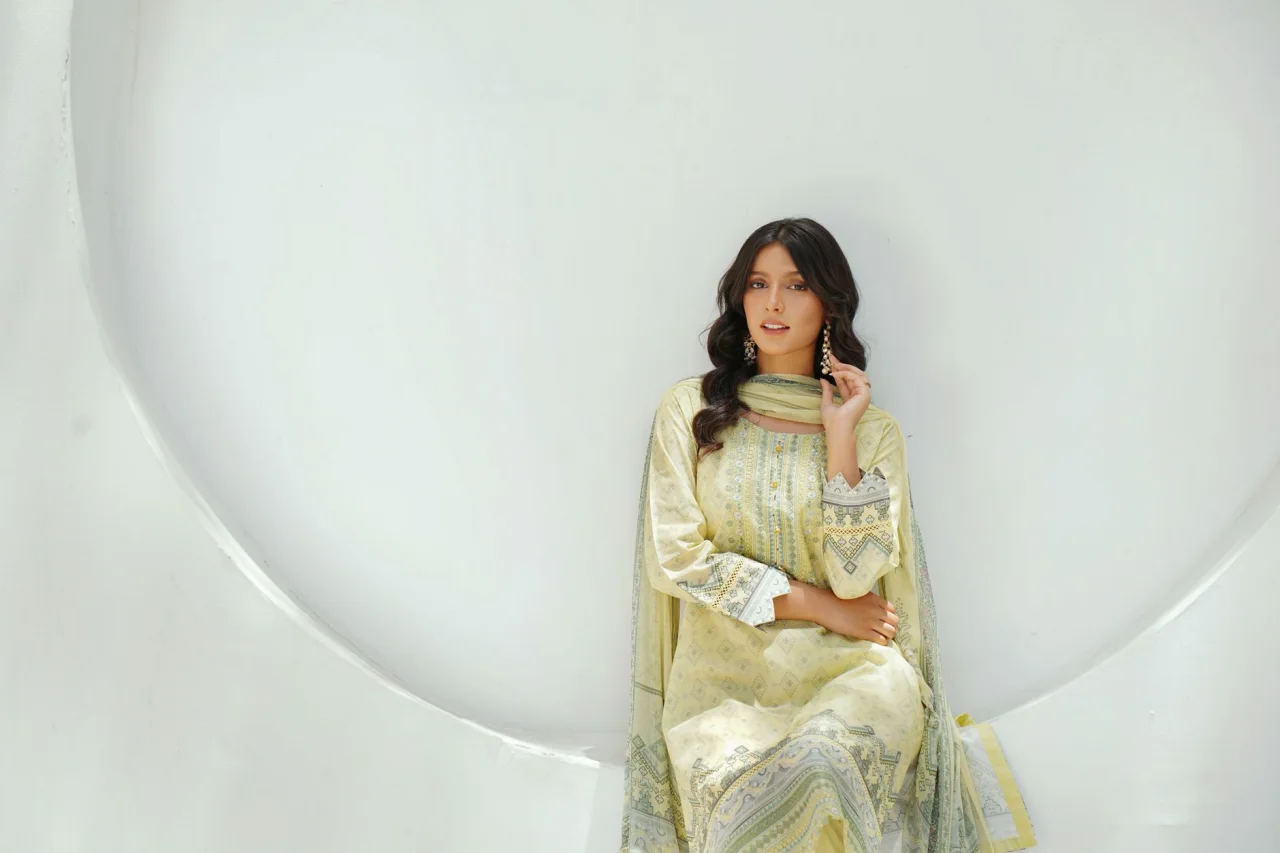
Buying a salwar kameez well comes down to three questions: does it fit, is the fabric right for the occasion and season, and are you paying a fair price for the quality? This guide answers all three, with body-type fit advice, fabric choices by season, the stitched versus unstitched decision, realistic price brackets and the red flags that signal you are overpaying.
The short version
- Fit first: the shoulder and kameez length matter more than any trend.
- Match fabric to season and occasion, not just to looks.
- Unstitched gives a better fit if you have a reliable tailor; stitched is faster and safer online.
- Price ranges vary widely by fabric, work and retailer; always confirm current pricing before buying.
Get the fit right first
Fit is what separates an expensive-looking outfit from a cheap-looking one, regardless of price. The two most important measurements are the shoulder seam, which should sit at the edge of your shoulder, and the kameez length, which should be chosen for your height and proportions. A well-fitted plain suit always beats a poorly fitted embellished one. If you are new to the garment, our guide to what a salwar kameez is explains the parts you are fitting.
- Shoulder: the seam should meet the natural edge of your shoulder, neither drooping nor pulling.
- Bust and waist: fitted kameez styles should skim, not strain; you should be able to sit comfortably.
- Length: longer kameez lengths elongate the frame, shorter kurti lengths feel casual and modern.
- Trouser rise and hem: the trouser should sit comfortably at the waist and break cleanly at the ankle.
If you are buying online, fit is where most disappointment comes from, so measure yourself before you shop rather than trusting a label size. Take your shoulder width, bust, waist, hip and your preferred kameez and trouser lengths, then compare them against the seller's size chart rather than assuming a medium or large will work. Standardised sizing varies a lot between brands, and a five-minute measurement saves the far greater hassle of returns or unwearable purchases.
Choosing a fit for your body type
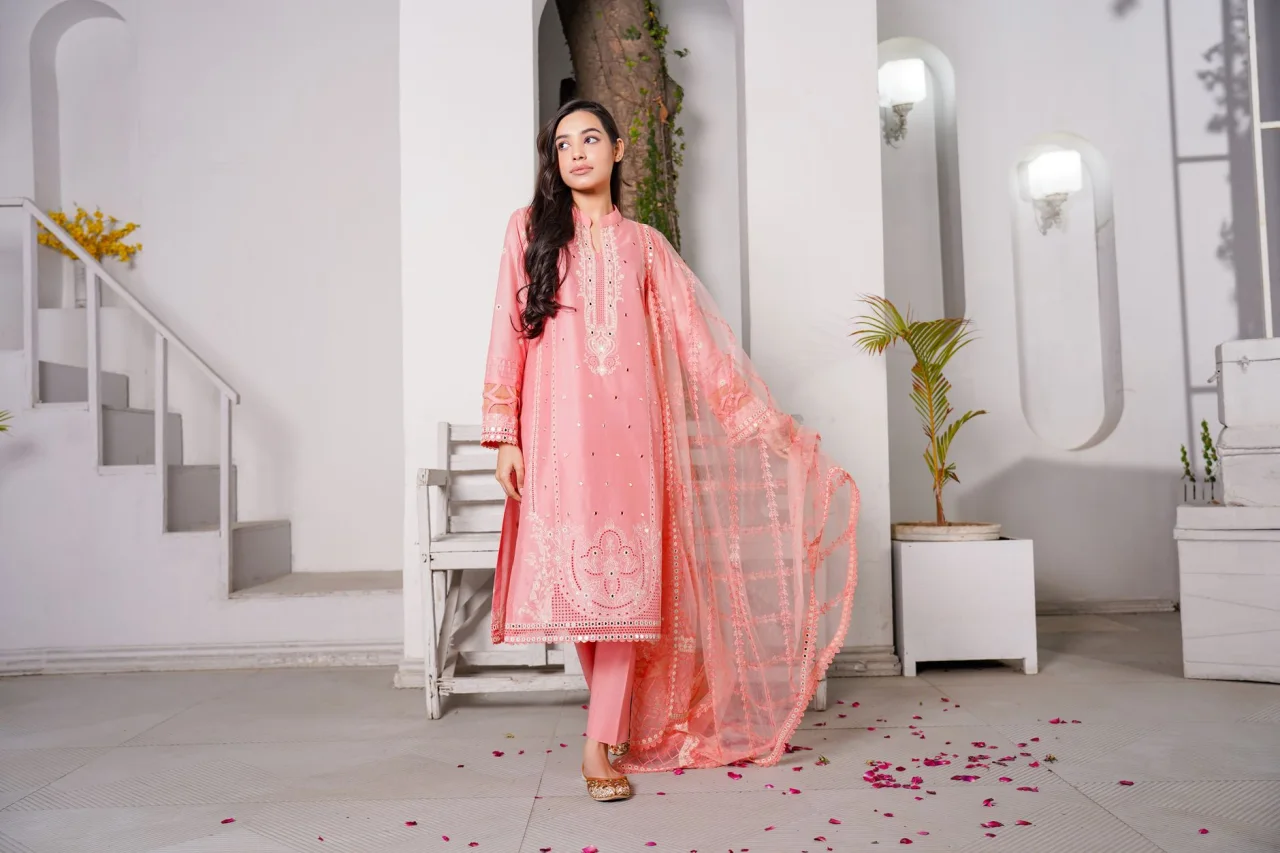
There is no wrong body type for this garment, only cuts that flatter differently. Use these as starting points, not rules.
- Petite: a straight or slightly A-line kameez at knee length with a churidar keeps the line long and uninterrupted.
- Tall: longer anarkalis and flared kameez lengths use your height well; horizontal detail like a contrast border adds balance.
- Curvy: a straight cut that skims the hips with an open side slit is comfortable and flattering; avoid clingy fabrics.
- Broad shoulders: softer necklines like a V or scoop draw the eye down and centre.
Fabric by season and occasion
Fabric is the biggest driver of comfort and appropriateness. Choose it for the weather and the event, then let colour and design follow.
- Summer and daytime: lawn, cotton and cambric breathe and stay cool. Our summer fabrics guide goes deeper.
- Winter: khaddar, linen and velvet hold warmth; raw silk works for winter events. See the winter fabrics guide.
- Festive and party: chiffon, georgette and organza drape softly and photograph well.
- Wedding: net, raw silk and heavily worked fabrics carry embroidery and formality.
Buying tip
Ask for the fabric composition, not just the name. "Silk" can mean pure silk or a silk blend, and the difference shows in drape, price and care. When shopping online, request close-up photos of the weave and, for embroidered pieces, the back of the work.
Stitched vs unstitched
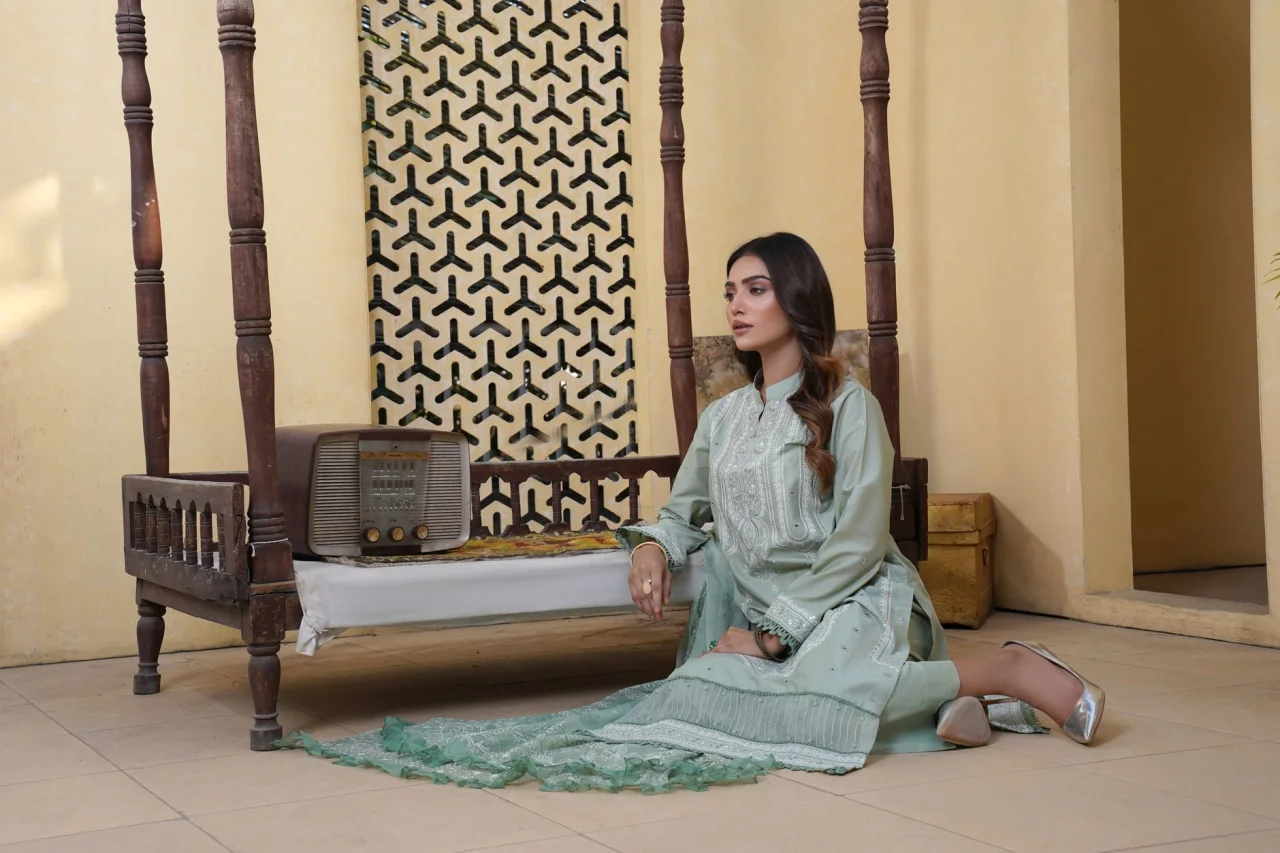
Much South Asian clothing is sold as unstitched fabric, meaning you buy the cloth and have it tailored. Both routes have merits.
- Unstitched: lets you tailor to your exact measurements and preferred cut, and often costs less for the same fabric. It relies on having a good tailor and adds time.
- Stitched or pret: ready to wear, faster and safer for online shopping, but sizing is standardised and may need minor alteration.
- Semi-stitched: a middle path, partly constructed with room for final fitting.
If you have a reliable tailor and want the best fit, unstitched usually wins. If you need it quickly or are buying remotely, stitched is the safer choice.
One point that catches out first-time buyers: an unstitched suit is only as good as the tailoring that follows, and the stitching cost is a real part of the total price. Factor in both the fabric and the tailor's charge when you compare an unstitched piece against a ready-made one, and build in enough time before your event, since good tailors are often busy during wedding and festival seasons. If you do not yet have a tailor you trust, a well-reviewed stitched piece is usually the lower-risk starting point.
How to judge quality
Quality shows in details that are easy to check once you know where to look.
- Embroidery: hand embroidery such as chikankari or zardozi has slight irregularities and a neat but not machine-perfect back; genuine handwork carries a premium.
- Seams and finishing: straight, secure seams and clean hems signal good construction.
- Fabric hand: good cloth feels substantial for its type and does not look thin or plasticky.
- Colour fastness: ask whether the dye is colour-fast, especially for deep and hand-dyed colours.
A simple in-hand test helps at a physical shop. Hold the fabric up to the light to judge how sheer it is and whether you will need a lining. Scrunch a corner in your fist and release it: quality cloth relaxes without holding harsh permanent creases. Rub an embellished area gently to check that beads, sequins and stones are firmly secured rather than loosely glued. These few seconds of inspection tell you more about real quality than any label or price tag does.
Realistic price brackets
Prices vary enormously by fabric, amount and type of work, brand and retailer, and they change with season and location, so treat the following as broad guidance and always confirm current pricing before you buy.
- Everyday cotton and lawn: the most affordable tier, whether unstitched or as basic pret; printed daily-wear suits sit at the lower end.
- Semi-formal chiffon and organza with light embroidery: a mid-range bracket, higher for designer labels.
- Formal and wedding pieces with heavy hand embroidery: the premium tier, where genuine handwork, fine fabric and designer names push prices up significantly.
Because ranges overlap and shift, compare like for like: the same fabric, similar work and comparable finishing across a few sellers before deciding.
It also helps to think in cost per wear rather than sticker price. An everyday cotton suit you wear dozens of times is excellent value even if it looks plain, while a heavily embellished outfit worn once at a single wedding is expensive per wear no matter how little you paid. Spending a little more on the pieces you will reach for constantly, and being disciplined about one-time occasion buys, usually leads to a better wardrobe for the same overall budget.
Red flags to avoid
- Machine embroidery sold and priced as hand embroidery; ask directly and check the back of the work.
- Vague fabric descriptions or refusal to share composition and close-up photos.
- Prices that seem far below the norm for the claimed fabric and handwork, which usually means a substitution.
- No clear returns or exchange policy, especially when buying stitched pieces online.
- Heavy embellishment hiding weak construction; check seams and finishing underneath.
Once you have chosen well, our styling guide helps you get the most wear out of your purchase.
Frequently asked questions
How do I choose the right salwar kameez for my body type?
Focus on the cut. Petite frames suit straight or slightly A-line knee-length kameez with churidars, tall frames carry long anarkalis well, curvy frames are flattered by a straight cut that skims the hips, and softer necklines balance broad shoulders. Good fit at the shoulder matters more than any single style.
Is stitched or unstitched better?
Unstitched gives the best fit and often better value if you have a reliable tailor, but it takes time. Stitched or pret is ready to wear and safer for online shopping, though sizing is standardised and may need light alteration. Choose based on your tailor access and timeline.
How much does a salwar kameez cost?
It varies widely by fabric, the amount and type of work, brand and retailer, and prices change by season and location. Everyday cotton and lawn are the most affordable, semi-formal chiffon and organza sit in the middle, and heavily hand-embroidered wedding pieces are the most expensive. Always confirm current pricing before buying.
What fabric should I choose for summer?
Lawn, cotton and cambric are the best summer choices because they are lightweight and breathable. They keep you cool in heat and are easy to wash, which makes them ideal for daily wear.
How can I tell hand embroidery from machine embroidery?
Hand embroidery shows slight natural irregularities and a neat but not perfectly uniform back, while machine embroidery is highly regular with a distinctive machine-stitched reverse. Ask the seller directly and check the back of the work; genuine handwork carries a higher price.
What are the biggest mistakes when buying a salwar kameez?
The most common mistakes are ignoring fit, choosing fabric for looks rather than season and occasion, and paying hand-embroidery prices for machine work. Vague fabric descriptions, unusually low prices and no returns policy are all warning signs.
More on Buying Guides
Have a question or a topic to suggest?
We read every message. Tell us what you would like to see next in the journal.
Get in touch