How to Style a Salwar Kameez
Complete looks for casual, office, festive and wedding days, with drapes and accessory pairings.
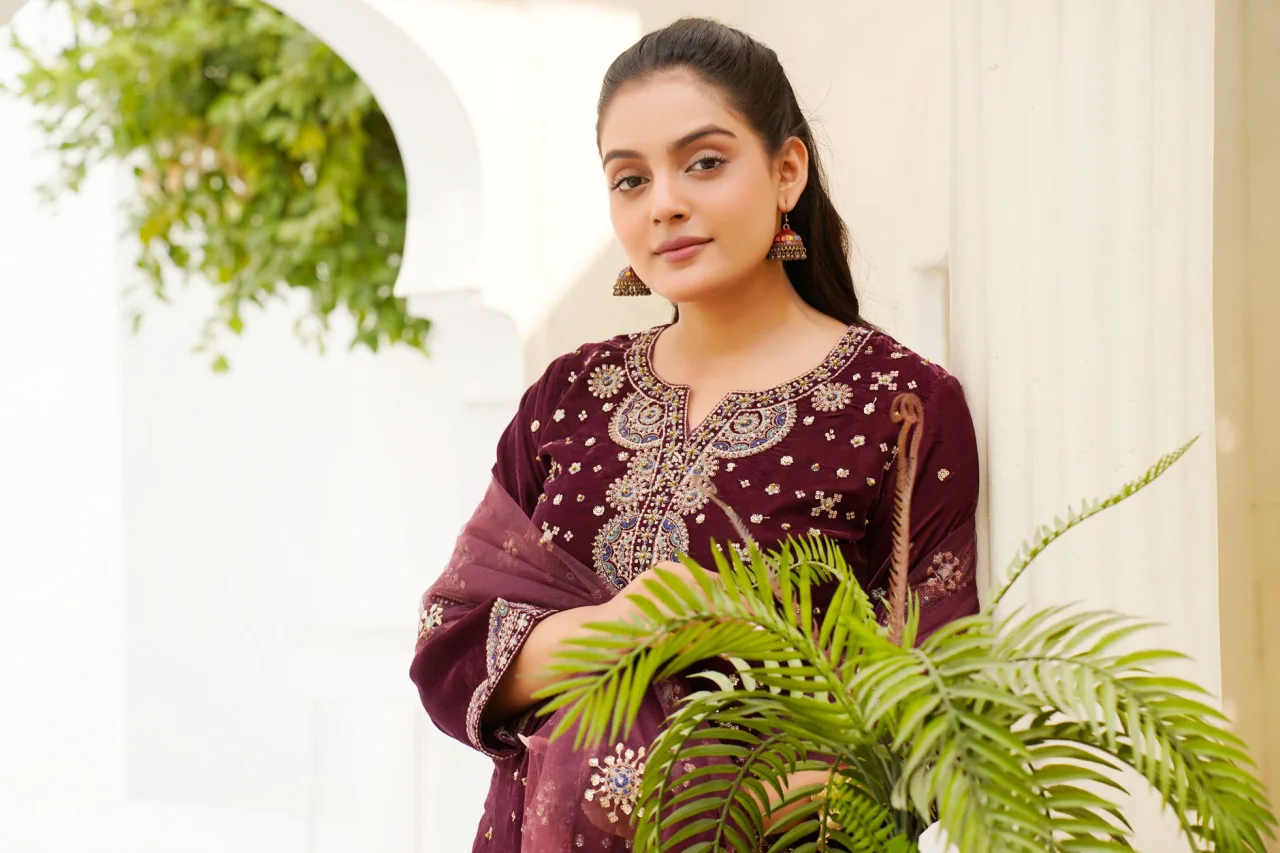
A salwar kameez is only half the outfit. The other half is how you style it: the trouser you choose, the way you drape the dupatta, the jewellery, the shoes and the finishing details that move the same suit from a school run to a wedding. This guide walks through complete looks for casual, office, festive and bridal occasions, with practical pairings you can copy.
The short version
- Match the formality of your accessories to the fabric of your suit.
- The dupatta drape is the fastest styling lever you have.
- Footwear sets the tone: flats and juttis for casual, heels and khussas for formal.
- For events, let one element be the hero and keep the rest supporting.
Start with the three styling levers
Before the specific looks, know the three things that change an outfit the most. First, the trouser: a churidar formalises, a Patiala relaxes, palazzo pants modernise. Second, the dupatta drape: one shoulder is casual, a front pallu is traditional, and a head drape adds coverage and drama. Third, the accessories: jewellery, footwear and bag carry the outfit up or down the formality scale. If you are unsure what the base garment can do, our guide to what a salwar kameez is covers the cuts referenced here.
A useful habit is to decide the formality level first, then dress every element to match it. Problems usually appear when the pieces disagree: a heavily embroidered festive suit with casual rubber sandals, or a plain office suit weighed down by chandelier earrings. Once you fix the level in your mind, the trouser, dupatta drape, jewellery and shoes all fall into place, and the outfit reads as one deliberate look rather than a collection of separate choices.
Casual, everyday looks
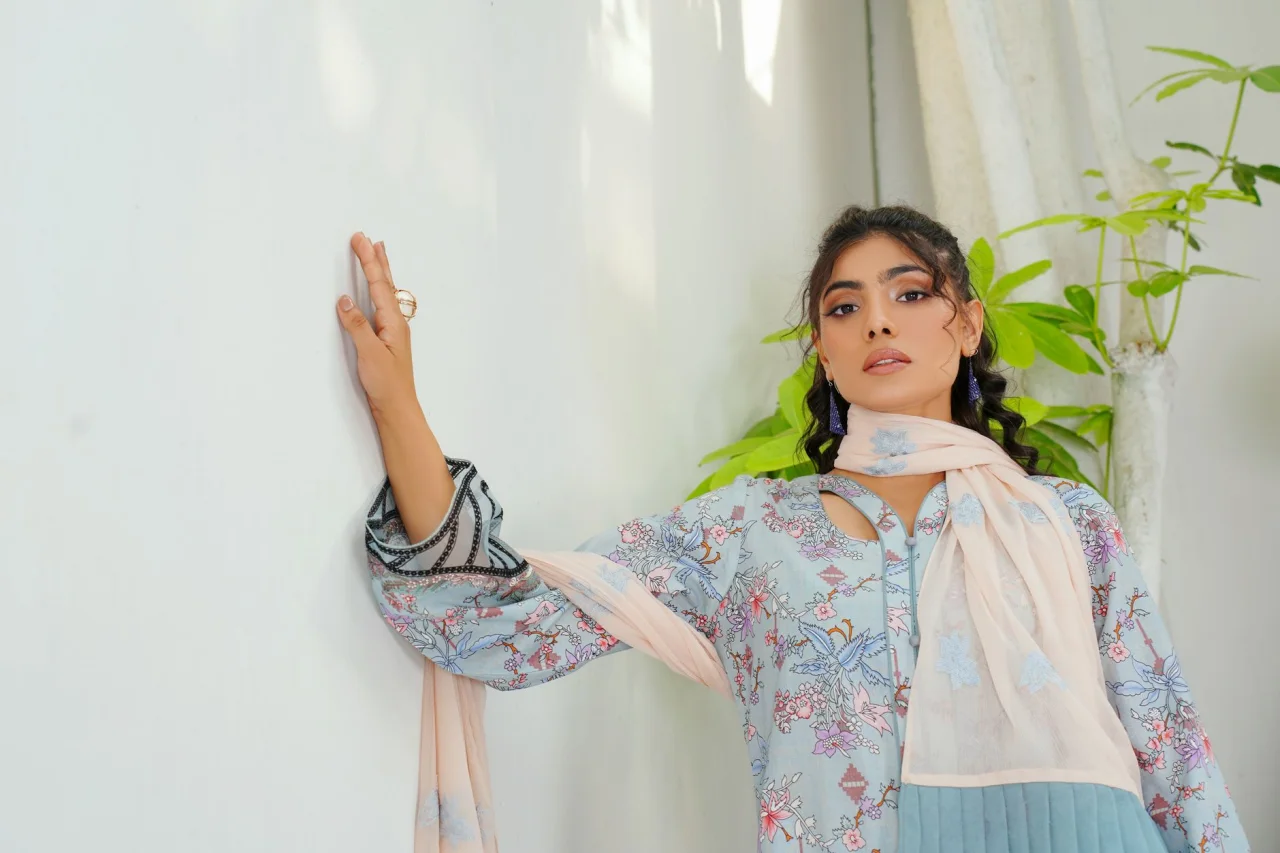
For daily wear, comfort leads and styling stays light.
- Fabric and cut: a printed lawn or cotton straight suit, or a short kurti with cigarette pants.
- Dupatta: skip it, or drape a light cotton dupatta over one shoulder.
- Jewellery: small studs, a thin bangle stack, a simple watch.
- Footwear: flat juttis, kolhapuris or clean white sneakers for a modern edge.
- Finishing: a canvas or leather tote and minimal makeup.
The goal with casual looks is effortlessness, so resist the urge to add. A printed lawn suit already carries visual interest, which means it needs almost nothing beyond good grooming and comfortable shoes. Save your statement pieces for occasions when they can stand out rather than compete with a busy print.
Office and workwear looks
Workwear is about looking put together without effort or fuss.
- Fabric and cut: a solid or subtly printed straight suit in a neutral, with a slim churidar or straight trouser.
- Dupatta: neatly pinned over one shoulder, or left off for a cleaner line.
- Jewellery: stud earrings, one delicate ring, a structured watch.
- Footwear: block heels, loafers or closed flats.
- Finishing: a structured handbag and a tidy, pulled-back hairstyle.
Workwear also benefits from a small, repeatable formula. Once you find a cut and palette that works, buy it in two or three colours and rotate them; a reliable uniform of well-fitted straight suits removes daily decision fatigue and always looks polished. Keep one lightly dressier suit in reserve for meetings or presentations when you want to look a step sharper without changing your whole approach.
Styling note
Keep office colours in a controlled palette: one base colour plus one accent. A slate suit with a rust dupatta and gold studs looks intentional. Too many competing colours reads busy in a professional setting.
Festive and party looks
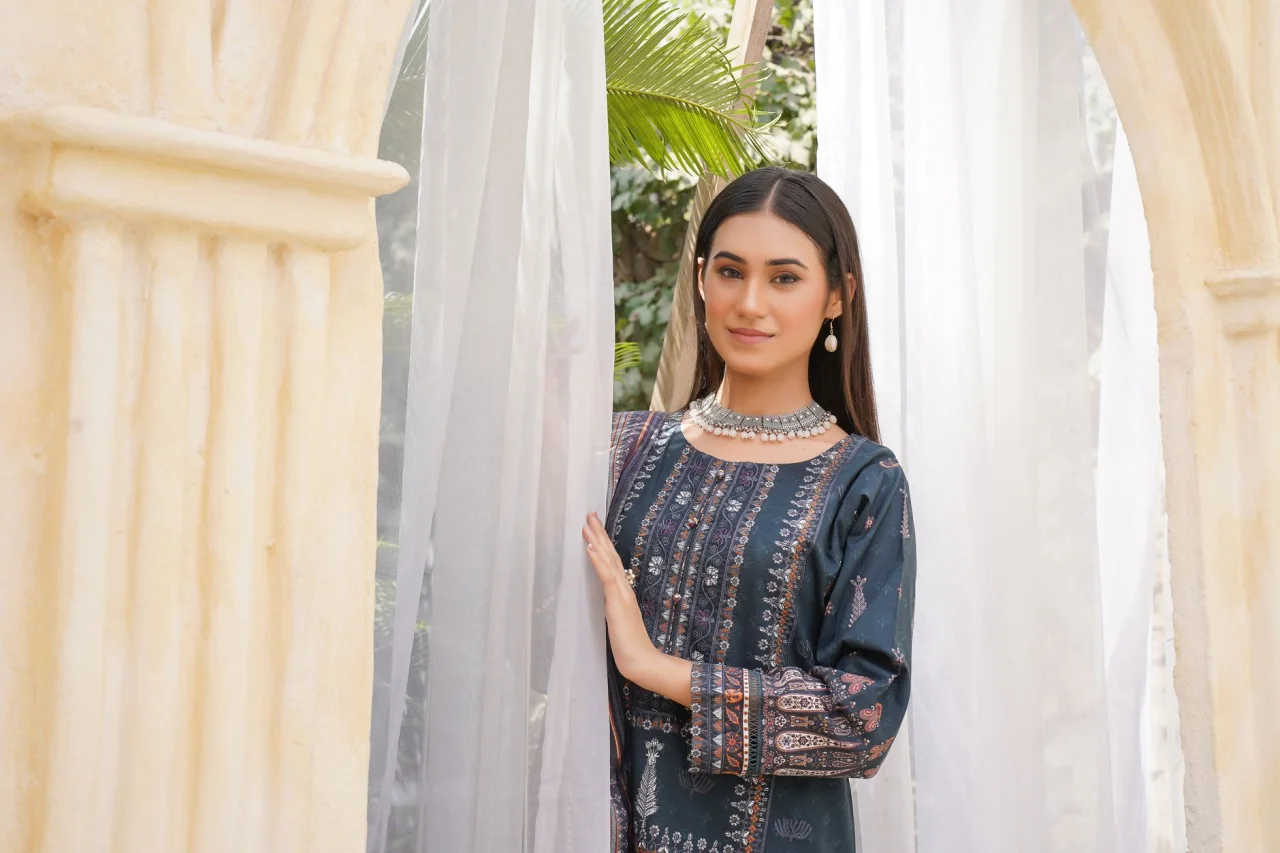
For festivals and parties you can bring in shine, colour and statement pieces.
- Fabric and cut: chiffon, organza or a jewel-tone anarkali with light embroidery.
- Dupatta: a heavily worked or contrast dupatta, draped across the front or over the head for occasions.
- Jewellery: jhumkas or chandbalis, a few bangles, and a statement ring; choose either bold earrings or a bold necklace, not both.
- Footwear: embellished khussas, mojaris or heels.
- Finishing: a potli bag or embellished clutch and a defined eye or lip.
For festival-specific styling, our Eid outfit ideas show how to adapt these looks to the occasion.
The one rule that keeps festive looks from tipping into too much is to pick a single hero. If your dupatta is heavily worked, keep the jewellery restrained. If you are wearing a bold jewellery set, choose a plainer dupatta. Letting every element shout at once flattens the effect, while giving one piece the spotlight makes the whole outfit feel considered and expensive.
Wedding and bridal-party looks
At weddings, the suit competes with lehengas, so richness and coordination matter.
- Fabric and cut: net, raw silk or heavily embroidered anarkali; for maximum drama, pair with a gharara or sharara.
- Dupatta: a fully embellished dupatta is often the centrepiece; drape it deliberately and pin it securely.
- Jewellery: a coordinated set, kundan, polki or meenakari, with matching earrings, tikka and bangles.
- Footwear: comfortable embellished heels or khussas you can wear for hours.
- Finishing: an ornate clutch and event-appropriate makeup with a set hairstyle.
If you are attending rather than in the wedding party, our wedding guest outfit guide helps you dress richly without upstaging the couple.
Comfort matters more at weddings than anywhere else, because the events are long. Choose footwear you can stand and dance in, pin the dupatta securely so you are not constantly adjusting it, and make sure the trouser and kameez let you sit and move. A beautiful outfit you are fighting all night never looks as good as one you can forget you are wearing.
Dupatta draping, four ways
Because the dupatta does so much, it is worth knowing a few drapes.
- One shoulder: the everyday drape, casual and practical.
- Front pallu: spread across the chest and pinned at both shoulders for a traditional, coverage-friendly look.
- Cross-body: pinned diagonally for a modern, secure festive drape.
- Head drape: over the head for religious and formal occasions, or simply for a regal finish.
A few practical tips make any drape look better. Use small, discreet safety pins or fabric pins at the shoulder to hold the pleats in place so you are not constantly rearranging them. Match the weight of the drape to the fabric: a heavy embroidered dupatta needs firmer pinning than a light chiffon one. And consider the back view, since the dupatta is often what people see as you move through a room. A little planning here is the difference between a drape that looks intentional and one that slips all evening.
Seasonal styling
Adapt the same principles to the weather. In summer, choose lawn and cotton, lighter colours and open footwear. In winter, move to khaddar, velvet and raw silk, deeper tones and closed shoes, and layer a shawl in place of or over the dupatta. Our fabric roundups for summer and winter help you match cloth to season.
Season also affects colour and finish. Summer suits light and bright, with fresh pastels, whites and airy prints that feel cool even before you put them on. Winter invites depth: wines, forest greens, rusts and inky blues, often in fabrics with a bit of sheen or texture like raw silk and velvet. Matching your palette to the season is a small change that instantly makes an outfit feel current and appropriate rather than out of step with the weather.
Frequently asked questions
What shoes go best with a salwar kameez?
For casual wear, flat juttis, kolhapuris or clean sneakers work well. For office, choose block heels or loafers. For festive and wedding looks, embellished khussas, mojaris or heels complete the outfit. Match the shoe's formality to the fabric of your suit.
How should I drape the dupatta?
Use a one-shoulder drape for everyday wear, a front pallu pinned at both shoulders for a traditional look, a cross-body drape for a secure festive style, or a head drape for formal and religious occasions. The drape is the fastest way to change the outfit's mood.
What jewellery suits a salwar kameez?
Keep it simple for daily and office wear with studs and a thin bangle. For festive looks, add jhumkas or chandbalis and a few bangles. For weddings, wear a coordinated kundan or polki set. As a rule, choose either a statement necklace or statement earrings, not both.
Can I wear a salwar kameez to the office?
Yes. A solid or subtly printed straight suit in a neutral colour, with a slim trouser and minimal jewellery, is well suited to most offices. Keep the palette controlled and the embellishment low for a professional finish.
How do I dress a plain suit up for an event?
Swap in a heavily worked or contrast dupatta, add statement jewellery and dressier footwear, and switch to a churidar. These four changes lift a plain suit into festive territory without buying a new outfit.
Is a salwar kameez suitable for winter?
Yes. Choose warmer fabrics like khaddar, velvet or raw silk, opt for deeper colours and closed footwear, and layer a shawl over or in place of the dupatta for warmth without losing the traditional look.
More on Styling Guides
Have a question or a topic to suggest?
We read every message. Tell us what you would like to see next in the journal.
Get in touch