Best Fabrics for Summer
Lawn, cotton, cambric and linen ranked for breathability and comfort, with styling notes for the hottest months.
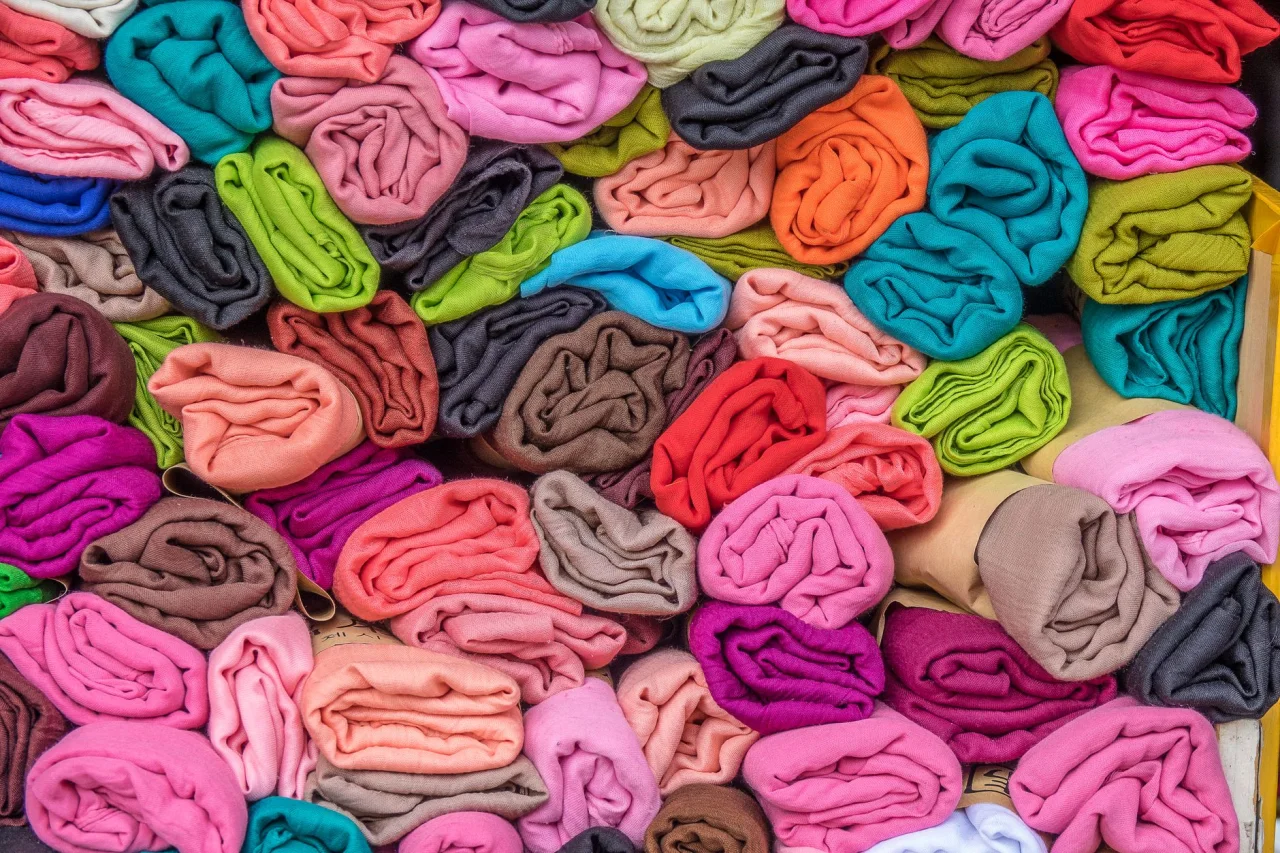
A Pakistani summer is not one climate but several: dry heat in Punjab, coastal humidity in Karachi, and scorching afternoons almost everywhere from April to September. The right fabric is the difference between a suit you live in and one you peel off by noon. This guide ranks the hot weather fabrics that actually keep you cool, explains why they work, and shows how to style each for the season.
The short version
- Lawn is the summer default for a reason: fine, lightweight cotton that breathes and prints beautifully.
- Cambric and cotton lawn suit those who want a little more body and durability while staying cool.
- Pure cotton and linen are the most breathable natural options; linen keeps you coolest but creases the most.
- Prioritise natural fibres, loose cuts and light colours; avoid heavy synthetics and dense linings in peak heat.
What makes a fabric cool in the heat
Comfort in hot weather comes down to three properties working together: breathability, absorbency and weight. A breathable weave lets air move across the skin so sweat can evaporate. An absorbent natural fibre pulls moisture off the body instead of trapping a warm damp layer against it. And a light weight, loose weave simply carries less heat. Natural cellulose fibres such as cotton, flax and their blends score well on all three, which is why they dominate any honest summer list. Tightly woven synthetics tend to trap heat and hold moisture, so they feel warmer even when they look light.
1. Lawn: the undisputed summer staple
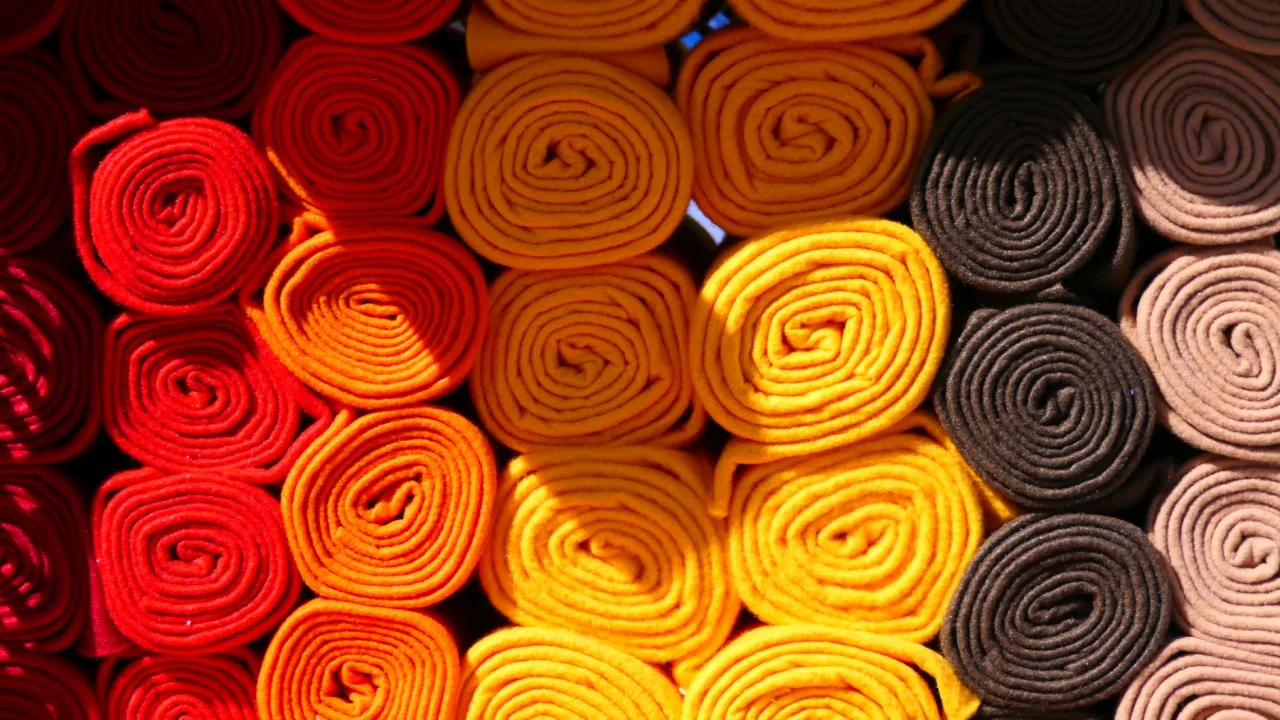
Lawn is a fine, lightweight plain weave cotton, and in Pakistan it is practically the uniform of summer. Its thin, high thread count weave feels smooth and cool, breathes well and takes digital and block prints crisply, which is why the annual lawn season drives so much of the fashion calendar. It is easy to wear all day, easy to wash, and available at every price point from basic unstitched cloth to heavily embellished designer collections.
The trade off is that fine lawn can be slightly sheer and creases through a long day, so many suits are lined at the kameez or paired with a fuller trouser. For a deeper look at the cloth and how to care for it, see our guide to lawn fabric properties, uses and care.
Styling note
In peak heat, choose lawn in light, cool colours and unfussy prints, and keep the silhouette relaxed. A straight or A-line kameez with a loose shalwar or trousers moves air better than a fitted, heavily lined cut. Save the embellished lawn for evenings when the temperature drops.
2. Cotton lawn and pure cotton
Plain cotton and cotton lawn sit just behind fine lawn for everyday summer wear. They are a touch more substantial, so they are less sheer and more durable, while still being breathable and absorbent. Pure cotton is the workhorse for daily and office wear because it launders endlessly and hides the compromises of a busy day. Cotton lawn splits the difference, offering lawn softness with a little more body.
If you are weighing the two, our comparison of lawn fabric vs cotton lawn lays out when to pick each, and the full cotton lawn guide covers care.
3. Cambric: cool with a bit more structure
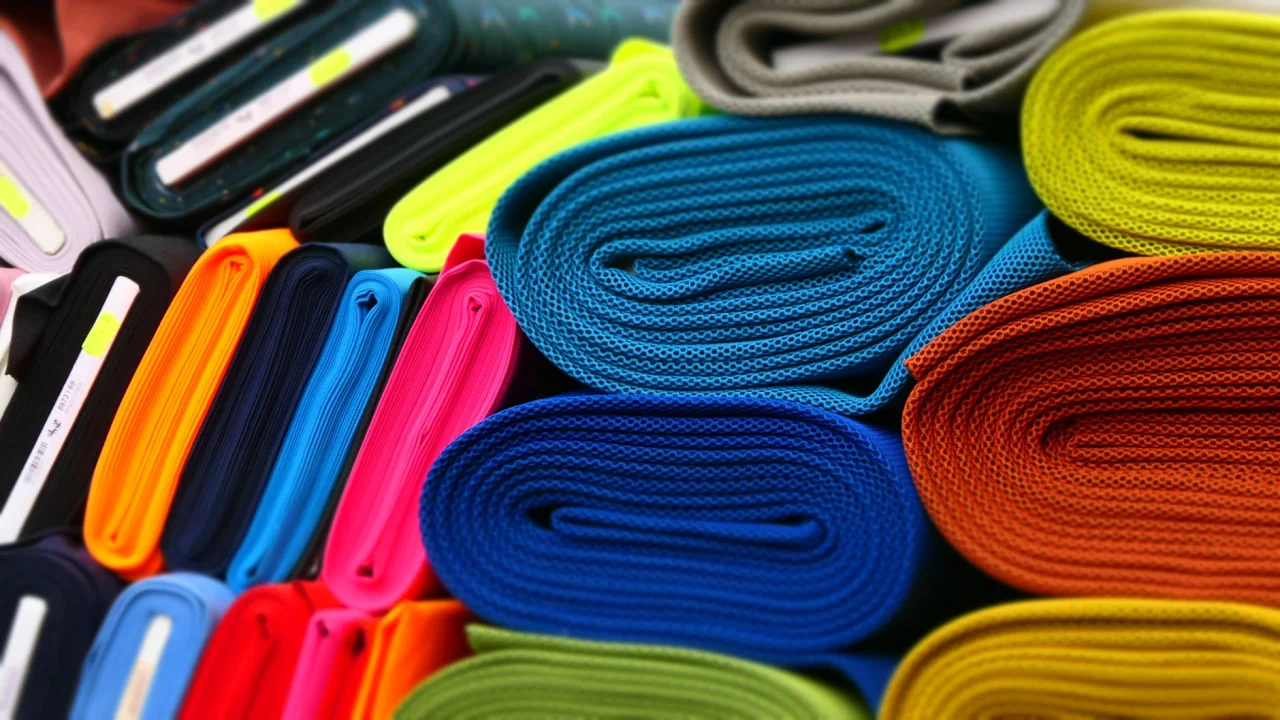
Cambric is a lightweight, closely woven cotton with a smooth, slightly crisp finish. It is a smart pick when you want the coolness of cotton but a little more structure than floaty lawn, for example in a kameez that should hold a cleaner line or a shalwar that drapes with some body. It is durable, holds colour well and presses to a neat finish. Read more in our cambric guide, and compare it directly with lawn in our lawn vs cambric breakdown.
4. Linen: coolest for dry heat
Linen is made from the bast fibres of the flax plant and is one of the most comfortable fabrics you can wear in genuine heat. It feels cool to the touch, is very strong and absorbent, dries faster than cotton and gets softer with every wash. In dry summer regions it is hard to beat for daytime comfort.
The honest caveat is that linen has poor elasticity and creases easily, a trait now widely embraced as part of its relaxed look rather than a flaw. It can also be woven at different weights, so choose a lighter linen for the hottest months. See our linen guide for weights and care, and note that summer weight linen is very different from the heavier linens used in cooler months.
5. Blends and where synthetics fit
Cotton blends with a small percentage of synthetic can add wrinkle resistance and durability while keeping most of cotton's breathability, which is why many affordable ready to wear suits use them. The key is proportion: a mostly cotton blend stays reasonably cool, while a mostly polyester blend traps heat. As a rule for peak summer, read the fibre content and lean toward natural dominant fabrics. Reserve pure synthetics, heavy embroidery and dense linings for air conditioned events rather than long outdoor afternoons.
A quick ranking for peak heat
- Lawn: best all round summer fabric, light, breathable and print friendly.
- Linen: coolest in dry heat, coming with visible creasing you have to accept.
- Cotton and cotton lawn: reliable, durable everyday choices.
- Cambric: cool cotton when you want a little more structure.
- Cotton dominant blends: fine for value and low maintenance, less breathable than pure natural fibres.
Buying tip
Two suits in identical prints can wear very differently depending on fibre content and lining. Check the label, feel the weight in hand, and hold the cloth to the light to judge how sheer it is before you buy unstitched. Prices vary by fabric, print, embellishment and retailer, so confirm current pricing rather than relying on a fixed figure.
Styling for the season
Beyond fibre, small choices keep you cooler. Light colours reflect heat better than dark ones. Loose, unlined cuts let air circulate. A cotton or lawn dupatta is cooler than a synthetic one. And breathable footwear plus minimal, non conductive jewellery help on the hottest days. When the season turns, our companion guide to the best fabrics for winter dresses covers the warmer fabrics to switch to.
Frequently asked questions
What is the coolest fabric for Pakistani summers?
For everyday wear, fine lawn is the most practical choice because it is light, breathable and easy to launder. For pure coolness in dry heat, linen edges ahead because it feels cool to the touch and wicks moisture well, though it creases more. Both are natural cellulose fabrics, which is what makes them comfortable in the heat.
Why is lawn so popular in summer?
Lawn is a fine, lightweight plain weave cotton that breathes well, feels smooth against the skin and takes prints crisply. It is comfortable through long hot days, washes easily and comes in every price range, from basic unstitched cloth to designer collections, which is why it dominates the summer season.
Is linen better than cotton for hot weather?
Linen is slightly cooler and dries faster than cotton because flax fibres are strong, absorbent and cool to the touch, but it wrinkles far more. Cotton is more forgiving day to day and holds up to constant washing. Choose linen for maximum coolness in dry heat and cotton or lawn for low maintenance comfort.
Are synthetic fabrics bad for summer?
Pure synthetics like polyester tend to trap heat and hold moisture, so they feel warmer in humidity. They are not ideal for long outdoor days. Cotton dominant blends with a small synthetic percentage can be a reasonable compromise, adding wrinkle resistance while staying fairly breathable, but always check the fibre content.
How do I keep a lawn suit from feeling sheer?
Fine lawn can be slightly see-through, so choose a lined kameez, wear a suitable slip, or pick a slightly heavier cotton lawn or cambric when opacity matters. Darker or busier prints also read as less sheer than pale plain colours. Holding the cloth to the light before buying tells you how much lining you will need.
More on Fabrics
Have a question or a topic to suggest?
We read every message. Tell us what you would like to see next in the journal.
Get in touch