Cambric Outfits: Styling Guide
The smooth mid-weight cotton that tailors love: best silhouettes, embroidery and occasions for cambric.
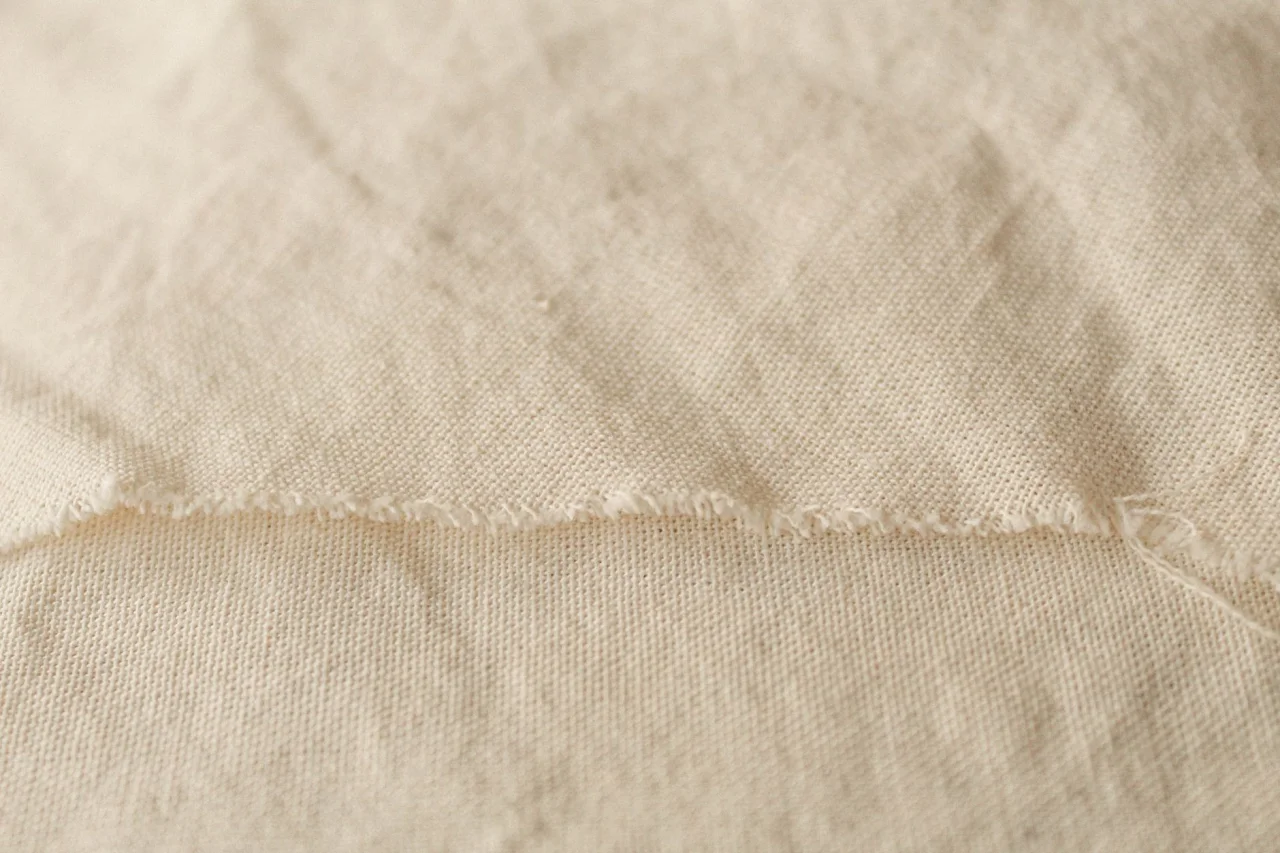
Cambric is the quiet workhorse of the desi wardrobe: a smooth, mid-weight cotton that behaves beautifully under a sewing machine and holds embroidery without sagging. If lawn is the fabric of peak summer, cambric is the one that carries you through the in-between months and into winter. Here is what cambric outfits actually do best, and how to style them.
The short version
- Cambric is a smooth, plain-weave cotton (historically linen), denser and slightly warmer than lawn, with a calendered finish that gives it a soft sheen.
- It sews cleanly with crisp seams and stable pleats, which makes it ideal for structured shalwar kameez, straight suits and A-line shirts.
- The tight weave carries embroidery, thread work and light gota well without puckering, so it suits both everyday and semi-formal wear.
- Best for autumn, winter and cool evenings; for peak summer heat, a lighter lawn or voile breathes more.
What cambric is, in one paragraph
As the textile reference on cambric records, it is a lightweight to mid-weight plain-weave fabric that takes its name from Cambrai, a town in northern France, where it was first woven in linen. Over the 18th and 19th centuries cotton versions became common, and today most cambric sold for desi stitching is cotton. It is typically woven in its natural greige state, then bleached, dyed and often glazed or calendered to give that characteristic smooth, faintly lustrous surface. That finish is the giveaway when you handle a bolt: cambric feels closer and denser than lawn, with a clean hand and very little transparency.
If you want the full weave, weight and care breakdown before you buy, read our companion explainer on what cambric is, its properties, uses and care. This guide focuses on the fun part: what to actually sew and how to wear it.
Why cambric sews so well
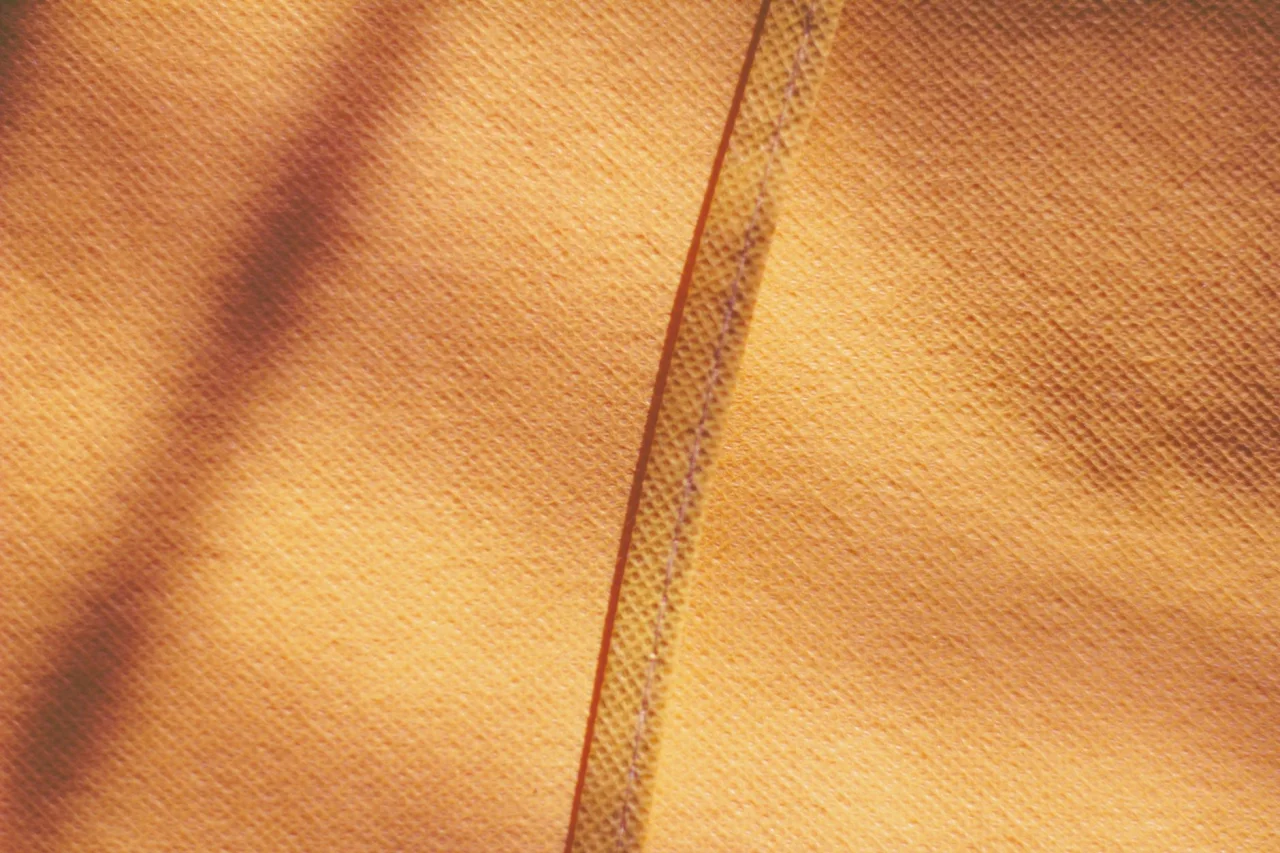
Tailors like cambric because it is predictable. The tight plain weave means the fabric does not shift or skew much on the cutting table, so panels line up and a symmetrical neckline stays symmetrical. Seams press flat and stay pressed, which is exactly what you want for a clean side seam or a sharp shalwar pleat. Because the cloth has body without being stiff, it holds a shape rather than collapsing, so structured silhouettes read as intentional rather than limp.
That stability is also why cambric is forgiving for home stitchers and first commissions. Compared with slippery synthetics, it does not fray as aggressively, it feeds evenly through the machine, and hems sit down obediently. For a refresher on the base garment most of these outfits build on, see our guide to the shalwar kameez.
Silhouettes that suit cambric best
Because cambric holds structure, lean into shapes that reward a bit of body:
- Straight and semi-fitted kameez: the fabric keeps clean vertical lines without clinging, so a straight-cut shirt looks tailored rather than shapeless.
- A-line and panelled shirts: cambric flares softly and keeps the swing controlled, which is flattering across body types.
- Structured trousers and cigarette pants: the density gives a crisp leg line that lighter cottons cannot hold.
- Shirt-style kurtas and tunics: collars, plackets and cuffs stay sharp thanks to the calendered finish.
Where cambric is less at home is anything that needs to float or ripple. For gathered, floaty and translucent drama you want a sheer, which is a completely different job for a different cloth.
Styling note
Pair a structured cambric shirt with a contrasting sheer dupatta. The weight difference does the styling for you: the crisp shirt anchors the look while a chiffon or organza dupatta adds the movement cambric itself will not give you.
Embellishment and embroidery on cambric
This is where cambric earns its place in the semi-formal wardrobe. The dense, even weave gives a needle plenty to bite into, so it carries thread embroidery, cross-stitch, sequins and light gota without the surface distorting. Printed cambric with embroidered necklines and daman borders is a staple of ready-to-stitch three-piece suits for exactly this reason: the print handles the field, and the embroidery adds the polish.
Keep the weight of the work sensible. Cambric is happy with all-over prints, delicate thread motifs, chikankari-style whitework and moderate mirror or gota accents. Very heavy zardozi or dense metal-thread panels are better suited to a heavier ground; on cambric they can drag the fabric down. To understand the options, browse our overview of the different types of embroidery in Pakistani fashion.
Best occasions and seasons for cambric
Cambric is a three-season fabric that peaks in cooler weather. Its slightly denser weave holds a little more warmth than lawn, so it shines in autumn, winter and cool spring evenings. Think workwear, university and college days, casual visiting, and semi-formal daytime events where you want to look put together without overheating.
- Everyday and office: a printed cambric straight suit is a low-effort, high-return uniform.
- Autumn and winter: layer an embroidered cambric shirt under a shawl or waistcoat.
- Semi-formal daytime: a suit with an embroidered neckline and daman reads dressy without a synthetic sheen.
For a wider seasonal shopping list, our guide to the best fabrics for winter dresses puts cambric in context alongside khaddar, linen and heavier weaves.
Cambric versus lawn: which for which outfit
People often stand in the shop choosing between the two, and the honest answer is that they solve different problems. Lawn is finer, lighter and airier, built for peak heat and breezy summer prints. Cambric is denser and smoother with a touch more warmth and structure, which makes it the better base for tailored shapes and for wear once temperatures drop. Neither is superior; they simply belong to different parts of the calendar.
If you are weighing them for a specific purchase, our side-by-side on lawn fabric versus cambric walks through weight, breathability and price so you can decide by use case rather than by guess.
Buying and pricing cambric honestly
Cambric is sold both as plain dyed yardage and as printed, ready-to-stitch three-piece suits, and the price swings widely with quality, print, embroidery and brand. Unstitched three-piece cambric suits from Pakistani textile houses generally sit in an affordable-to-mid range, climbing higher as embroidery gets denser or a designer name is attached. Rather than quote a figure that will be wrong by the time you read this, treat the following as a checklist and confirm current pricing with the retailer:
- Weight and density: hold it to the light; good cambric shows a close, even weave with little show-through.
- Finish: the surface should feel smooth and lightly glazed, not papery or over-starched (heavy starch can wash out and leave the cloth limp).
- Colourfastness: ask whether dyes are wash-fast, especially on deep or contrast prints.
- Embroidery quality: check the reverse of any worked panel for neat, secure stitching rather than loose floats.
Established Pakistani textile companies such as Gul Ahmed produce seasonal unstitched collections across cottons like cambric and lawn; comparing a few labels for weave and finish is the surest way to judge value.
Care in one line
Wash cambric cool and gently, dry in shade to protect prints, and press while slightly damp; the calendered surface takes an iron beautifully and comes up crisp.
Colours, prints and finishing touches
Cambric wears colour with a quiet richness that suits its smooth, lightly glazed surface. Deep and muted tones look especially expensive on it: think ink, bottle green, maroon, mustard, dusty rose and charcoal, all of which read as grown-up daywear. Because the calendered finish reflects a little light, even flat dyes gain subtle depth. For prints, cambric handles medium-scale florals, geometrics and digital patterns cleanly, and it is a natural home for the print-plus-embroidered-border formula that dominates ready-to-stitch suits.
Finishing is where a cambric outfit is made or lost. Ask your tailor for neat, pressed seams and a crisp daman, because the fabric rewards precision and shows sloppy work. Small choices lift the look: a piped neckline, a covered-button placket, or a contrast dupatta in a sheer fabric. Keep jewellery and footwear simple for daywear, and let the print or embroidery carry the interest. Because cambric is a daytime, cooler-weather cloth, matte metals, stud earrings and closed shoes suit it better than heavy evening sparkle.
Frequently asked questions
Is cambric good for summer?
Cambric is a breathable cotton, so it is comfortable in mild heat and cool evenings, but it is denser and slightly warmer than lawn or voile. For peak summer temperatures a lighter cotton breathes more; save cambric for spring, autumn and winter, or for air-conditioned days.
What is the difference between cambric and lawn?
Both are plain-weave cottons, but lawn is finer, lighter and airier, while cambric is denser, smoother and has a little more structure and warmth. Lawn suits peak summer; cambric suits transitional and cooler weather and holds tailored shapes better.
Does cambric hold embroidery well?
Yes. Its tight, even weave gives the needle a stable base, so thread embroidery, light gota, sequins and whitework sit cleanly without puckering. Very heavy metal-thread work is better on a heavier ground, but moderate embellishment looks excellent on cambric.
Does cambric shrink or wrinkle?
As a cotton it can shrink a little on the first wash and it does crease, though the calendered finish means it presses out easily. Wash cool, avoid wringing, and iron while slightly damp for a crisp result.
What outfits are best made from cambric?
Structured pieces: straight and A-line shalwar kameez, shirt-style kurtas and tunics, and cigarette or straight trousers. It is a strong choice for everyday, office and semi-formal daytime wear, especially with an embroidered neckline and daman.
More on Fabrics
Have a question or a topic to suggest?
We read every message. Tell us what you would like to see next in the journal.
Get in touch