What Is Chiffon?
The sheer crepe weave behind the float: fibres, properties, best uses and how to care for chiffon.
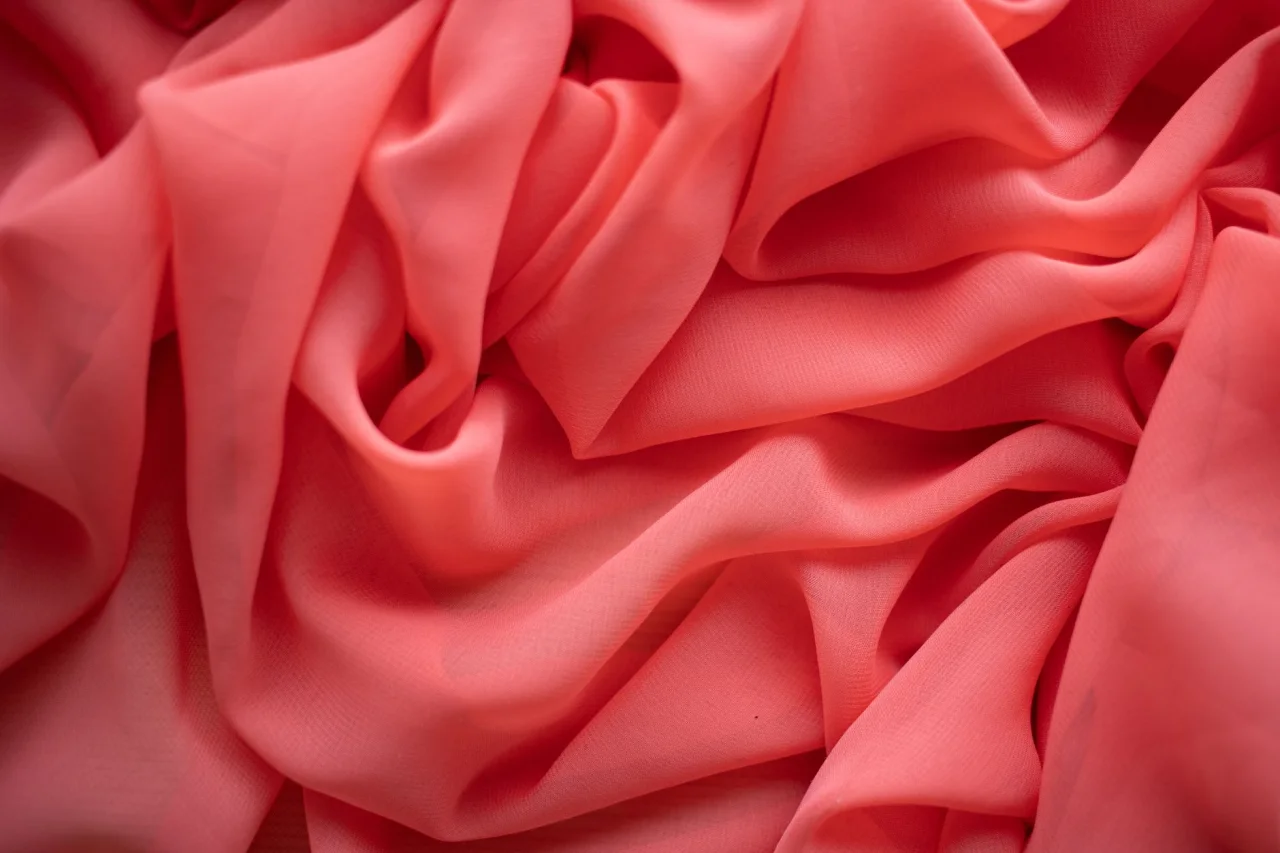
Chiffon is the fabric of movement. That weightless float you see in a flowing dupatta, an evening saree or a party shirt is chiffon doing what it does best. This cornerstone explainer covers what chiffon actually is, how the weave creates that famous drape, and how to care for a fabric that looks delicate because it is.
The short version
- Chiffon is a lightweight, sheer, balanced plain weave made from high-twist crepe yarns, which give it a slight stretch and a faintly grainy feel.
- It drapes beautifully with a shimmery, floaty finish and, up close, looks like a fine net or mesh.
- Once pure silk, it now comes in silk, polyester, nylon and other fibres; synthetic versions are more durable and affordable.
- It is delicate and frays easily, so it needs careful seams, gentle washing, and dry cleaning for silk.
What chiffon actually is
Chiffon is a lightweight, balanced plain-woven sheer fabric, a kind of gauze, woven from alternate S-twist and Z-twist crepe (high-twist) yarns. That construction is the whole story. The high twist in the yarns causes the woven cloth to pucker very slightly in both directions, which gives chiffon its gentle stretch and its characteristic slightly rough, grainy hand. As the reference on chiffon describes it, the fabric drapes well and has a shimmery, sheer appearance, and under a magnifying glass it resembles a fine net or mesh, which is what gives it transparency.
So when people call chiffon "flowy," they are describing physics: light weight plus fine, high-twist yarns plus an open sheer weave equals a cloth that ripples and floats rather than hangs stiffly.
Silk, polyester and nylon: the fibre story

Early chiffon was made purely from silk and was expensive, which is why it carried a sense of luxury and high status. The fibre options widened in the twentieth century: nylon chiffon was invented in 1938, and polyester chiffon followed in 1958 and became immensely popular for being resilient and low cost. Rayon and cotton versions also exist. For the wearer, this means:
- Silk chiffon: the most luxurious drape and a soft natural sheen, but delicate and usually dry clean only.
- Polyester chiffon: more durable, wrinkle-resistant and affordable, holds bright colours well, and is the most common in ready-to-wear.
- Nylon chiffon: lightweight and strong, another economical synthetic option.
Key properties at a glance
- Weight: very light and airy.
- Weave: balanced plain weave with high-twist crepe yarns.
- Drape: excellent; soft, fluid and flowing.
- Sheerness: semi-sheer to sheer, with a fine mesh-like transparency.
- Texture: a slight stretch and a faintly grainy, crepe-like surface.
- Durability: delicate; it snags and frays and needs careful handling.
How to tell chiffon from georgette
Both are crepe-yarn sheers and are easy to confuse. Chiffon is lighter, smoother and more transparent with a subtle shine; georgette is a touch heavier, more opaque and has a crinklier, more textured surface with more bounce. Our full comparison covers this in our guide to chiffon versus georgette.
Common uses in desi fashion
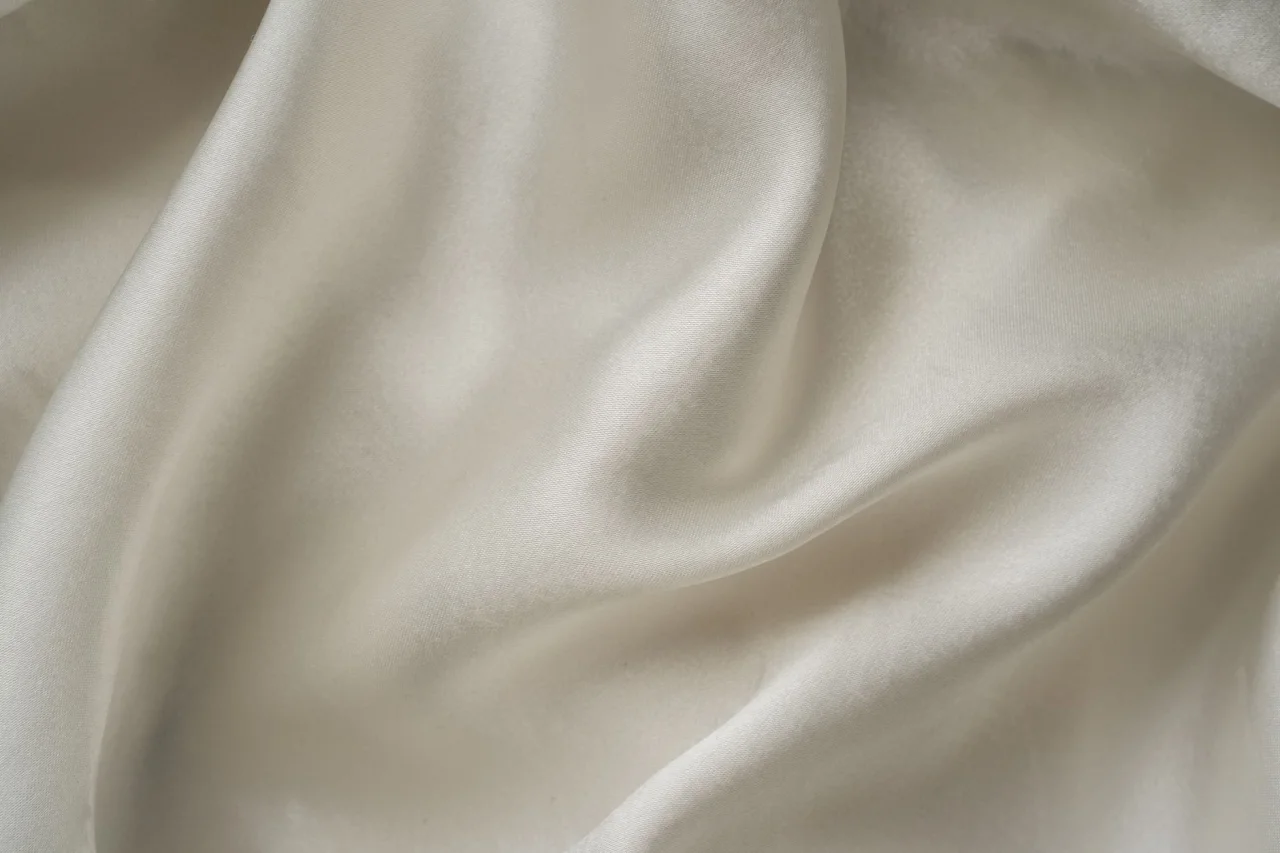
Chiffon's float makes it a favourite for anything that should move. In South Asian wardrobes it is traditionally used for sarees and dupattas, and it is a mainstay of:
- Flowing sarees with a graceful pallu.
- Light, drifting dupattas that layer over lawn, cotton and silk suits.
- Party and formal shirts, often as an embroidered or embellished overlay on a lining.
- Gharara and sharara dupattas, and ruffled or layered formal wear.
Because chiffon is sheer, garments are usually built over a lining or slip. Once you have your fabric, our styling companion on chiffon outfits and what sews and styles best covers the silhouettes and finishes that flatter it. For a comparison with a crisper sheer, see organza versus chiffon.
Chiffon's role in desi dressing is worth understanding, because it explains why the fabric turns up at almost every formal occasion. It solves a specific problem: how to make an outfit feel light and graceful while still looking dressed up. A heavy silk or a densely worked formal can be beautiful but stiff and warm; a chiffon layer brings movement, a soft sheen and a sense of occasion without the weight. That is why chiffon is so often the outer layer, the dupatta or the pallu, while sturdier fabrics or a lining do the structural work underneath. Understanding chiffon as a layering and drape fabric, rather than a stand-alone one, is the key to using it well.
Sewing chiffon: why it needs a careful hand
Chiffon is one of the trickier fabrics to stitch, and it is worth knowing why before you hand yardage to a tailor. It shifts and slips on the cutting table, it frays readily at cut edges, and the sheerness shows every seam. The standard solution is bound or French seams, which enclose the raw edge so the fabric cannot fray and no rough allowance shows through. A fine needle, sharp shears and patient handling do the rest. This is skilled work, so budget for a tailor who is comfortable with sheers rather than expecting a quick, cheap job.
How to care for chiffon
Treat chiffon gently and it lasts; treat it like cotton and it will snag and pull. A safe routine:
- Check the fibre first: silk chiffon is usually dry clean only. Polyester and nylon chiffon can often be hand washed.
- Hand wash cool: use cold water and a mild detergent, swishing gently. Never scrub, wring or twist.
- Lift, do not wring: press water out between towels; wringing distorts the delicate weave permanently.
- Dry flat or hang lightly in shade: away from direct heat and sun.
- Iron low with a cloth: use the lowest setting, ideally with a pressing cloth between iron and fabric, since chiffon scorches and melts easily, especially synthetics.
Snag rescue
If a thread pulls, never cut it. Gently coax the snag back through to the wrong side with a blunt needle or your fingernail, which redistributes the yarn and hides the pull. Cutting a snag on chiffon creates a hole that only grows.
An honest word on quality and price
Chiffon spans a huge range, from inexpensive polyester by the metre to fine silk chiffon and embellished designer formals. Silk commands a premium; good polyester chiffon offers most of the look for far less and is easier to maintain. Prices vary widely by fibre, embellishment and label, so rather than quote a figure, judge quality directly: look for an even weave, a soft rather than plasticky hand, and colour that looks rich rather than flat. Confirm current pricing with the retailer. Established Pakistani textile houses such as Gul Ahmed include chiffon within their formal and festive lines across a spread of price points, so comparing a few labels for weave and finish is the surest way to judge value. If you are choosing between sheers for a project, our explainer on georgette sits alongside this one to help you decide.
Common chiffon problems and how to avoid them
Most chiffon disappointments trace back to a handful of avoidable issues. Snags and pulls are the commonest, since the fine yarns catch on rough nails, rings and jewellery; wearing it with smooth accessories and storing it away from Velcro and hooks prevents most damage. Fraying at seams comes from raw edges left exposed, which is why bound or French seams matter so much. Slipping and puckering while stitching is a tailoring problem solved by a fine needle, sharp shears and a steady hand rather than a rushed job.
Two more points are worth knowing. Synthetic chiffon can scorch or even melt under a hot iron, so always press on the lowest setting with a cloth between iron and fabric, or steam from a distance. And because chiffon is sheer, colour can look different once layered or placed over a lining, so check the finished effect over its intended slip before committing. Handle these few things and chiffon repays you with years of graceful wear.
Frequently asked questions
What is chiffon made of?
Chiffon can be made from silk, polyester, nylon, rayon or cotton. It was originally pure silk; nylon chiffon appeared in 1938 and polyester chiffon in 1958. Today polyester chiffon is the most common because it is durable and affordable, while silk chiffon is the most luxurious.
Why is chiffon so flowy?
The drape comes from its construction: a very light, balanced plain weave made with high-twist crepe yarns. The yarns pucker the cloth slightly, giving a little stretch, and the open sheer weave lets it ripple and float rather than hang stiffly.
Is chiffon see-through?
Yes, chiffon is semi-sheer to sheer; up close it looks like a fine net or mesh. Garments are almost always built over a lining or slip to provide coverage while keeping the floaty top layer.
Can I wash chiffon at home?
Silk chiffon is usually dry clean only. Polyester and nylon chiffon can often be hand washed in cold water with mild detergent. Never wring or scrub; press water out between towels, dry in shade, and iron on the lowest setting with a pressing cloth.
Does chiffon wrinkle easily?
Silk chiffon can crease, while polyester chiffon is fairly wrinkle-resistant. Because the fabric scorches easily, always iron on low heat with a cloth over it, or hang garments to let light creases drop out.
More on Fabrics
Have a question or a topic to suggest?
We read every message. Tell us what you would like to see next in the journal.
Get in touch