Chiffon Outfits: Style Guide
The best silhouettes, embellishment and occasions for sheer, floaty chiffon, and how to have it stitched.
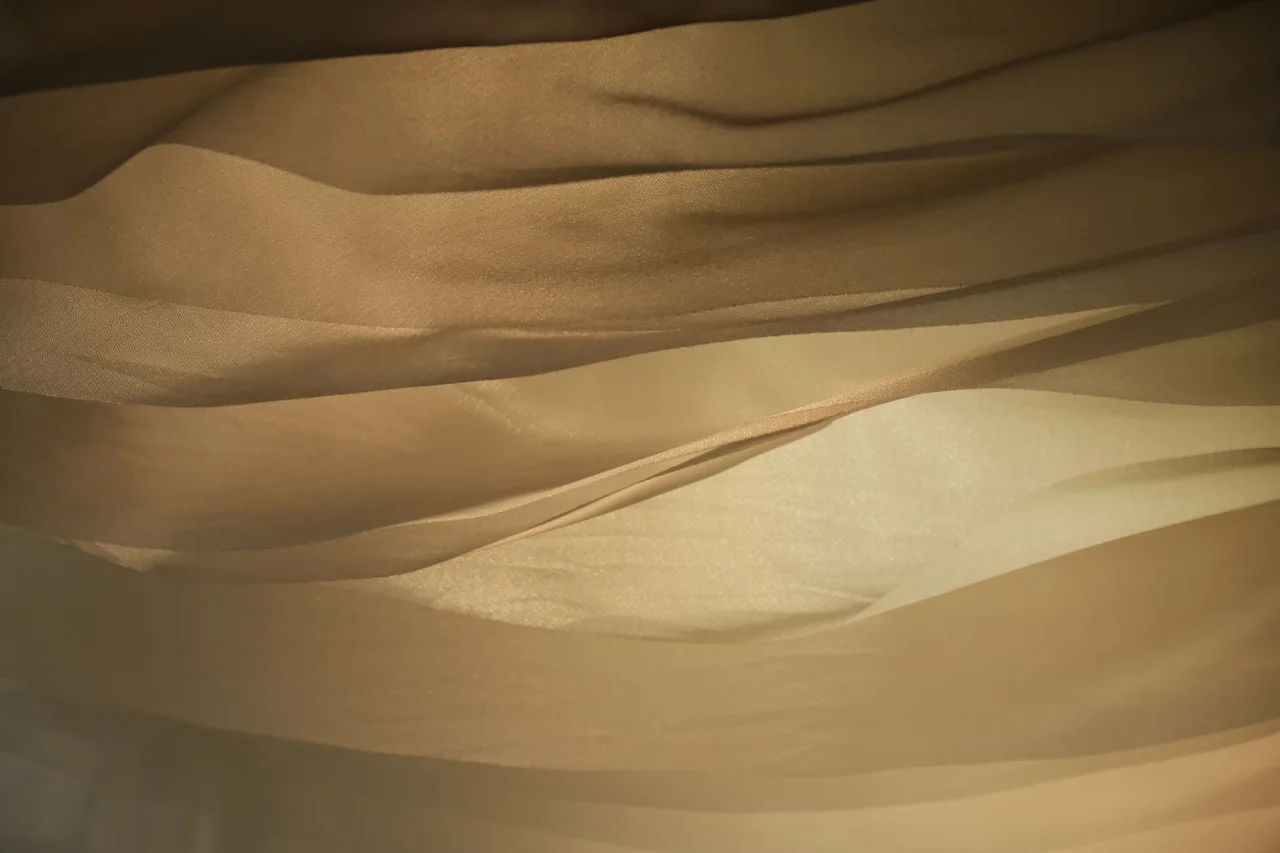
Chiffon is the fabric you reach for when an outfit needs to move. Its weightless float turns a simple silhouette into something graceful, which is why it dominates dupattas, sarees and party formals. But that same delicacy sets firm rules about what sews and styles well. Here is how to get the most out of chiffon.
The short version
- Chiffon is a sheer, floaty crepe-weave fabric, so it flatters flowing, layered and gathered shapes rather than structured tailoring.
- It is the star fabric for dupattas, sarees, ruffled formals and embroidered party overlays worn over a lining.
- It carries light embellishment, sequins, dabka and delicate embroidery well; keep very heavy work off it.
- Best for evening, festive and formal occasions where movement and drape do the styling for you.
Style with the drape, not against it
Chiffon's whole personality is its drape. It is a very light, sheer, balanced plain weave made from high-twist crepe yarns, which is exactly why it ripples and floats instead of holding a stiff shape. Style it, then, for flow: gathers, layers, ruffles and long lines that let the fabric move. Trying to force chiffon into a sharp, architectural silhouette fights its nature and usually looks limp. If you want the weave-and-care background first, read our cornerstone explainer on what chiffon is, its properties, uses and care.
Outfits chiffon does best
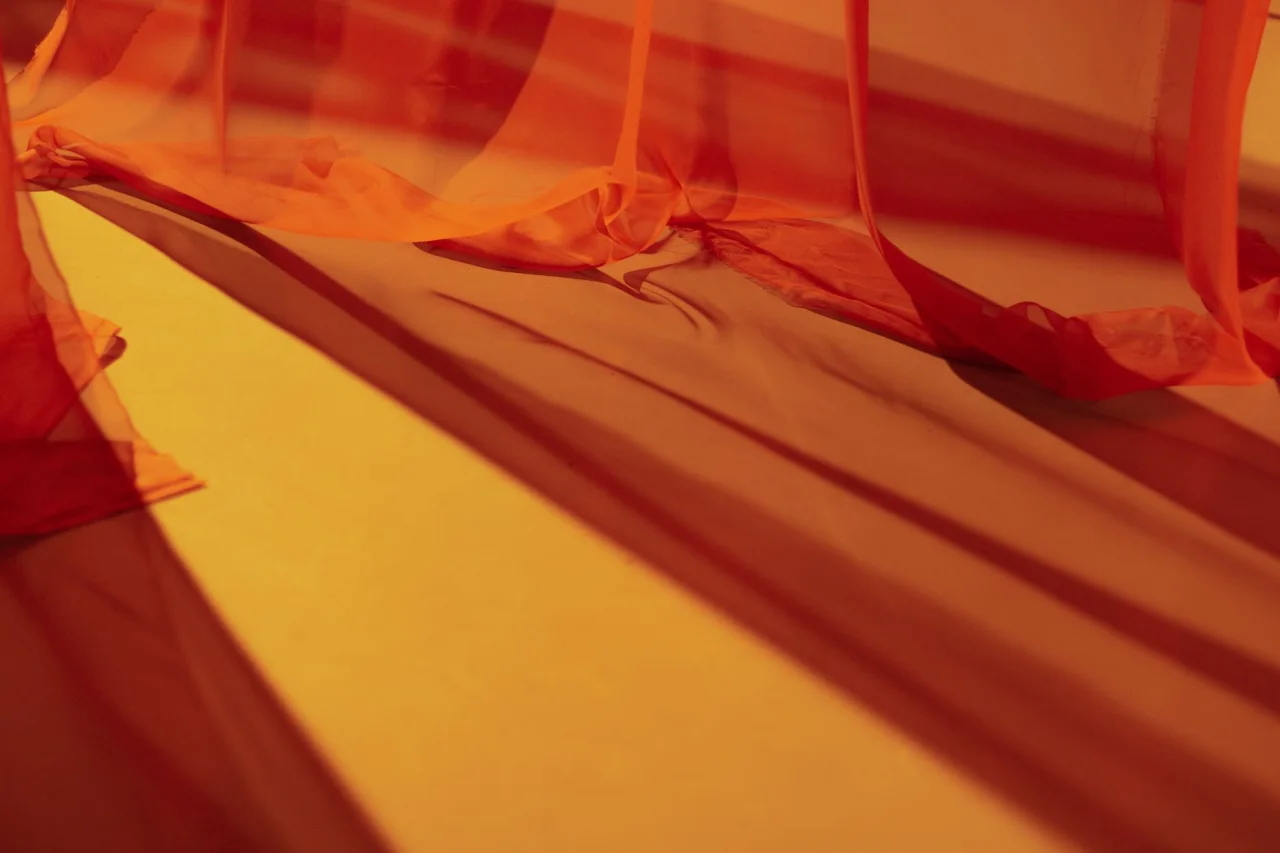
Chiffon shines wherever movement matters:
- Dupattas: a chiffon dupatta is the easiest way to add float to any suit; it layers weightlessly over lawn, cotton and silk.
- Sarees: chiffon sarees drape softly and the pallu drifts beautifully, a look long loved in South Asian formalwear.
- Party and formal shirts: usually built as an embroidered or sequinned chiffon layer over a lining or slip.
- Ruffles, capes and layered formals: the light cloth gathers and flounces without adding bulk.
- Gharara and sharara dupattas and flowing panels: chiffon keeps heavy festive sets from feeling stiff.
Because chiffon is sheer, tops and dresses are almost always lined. Think of chiffon as the beautiful outer layer, with a slip or lining doing the coverage underneath.
Styling note
Let chiffon be the one thing that moves. Pair a floaty chiffon dupatta or shirt with a structured base, a crisp cambric or cotton shirt, or slim trousers, so the contrast of still and flowing reads as deliberate elegance. For the crisp-cotton half of that pairing, see our guide to cotton lawn outfits.
Embroidery and embellishment on chiffon
Chiffon takes decoration well as long as you respect its weight. It is a natural ground for sequins, beads, delicate thread work, dabka and light zari, plus lace and tissue borders. These add sparkle and definition without killing the drape. Very heavy zardozi or dense metal panels are a mistake on plain chiffon: the weight drags the sheer cloth out of shape and the float disappears. When formals need heavy work, designers usually mount chiffon over a firmer base or reserve the density for borders. To understand the metal-thread techniques often used, read our guide to what dabka is, its history, technique and how to spot quality.
Occasions: where chiffon belongs
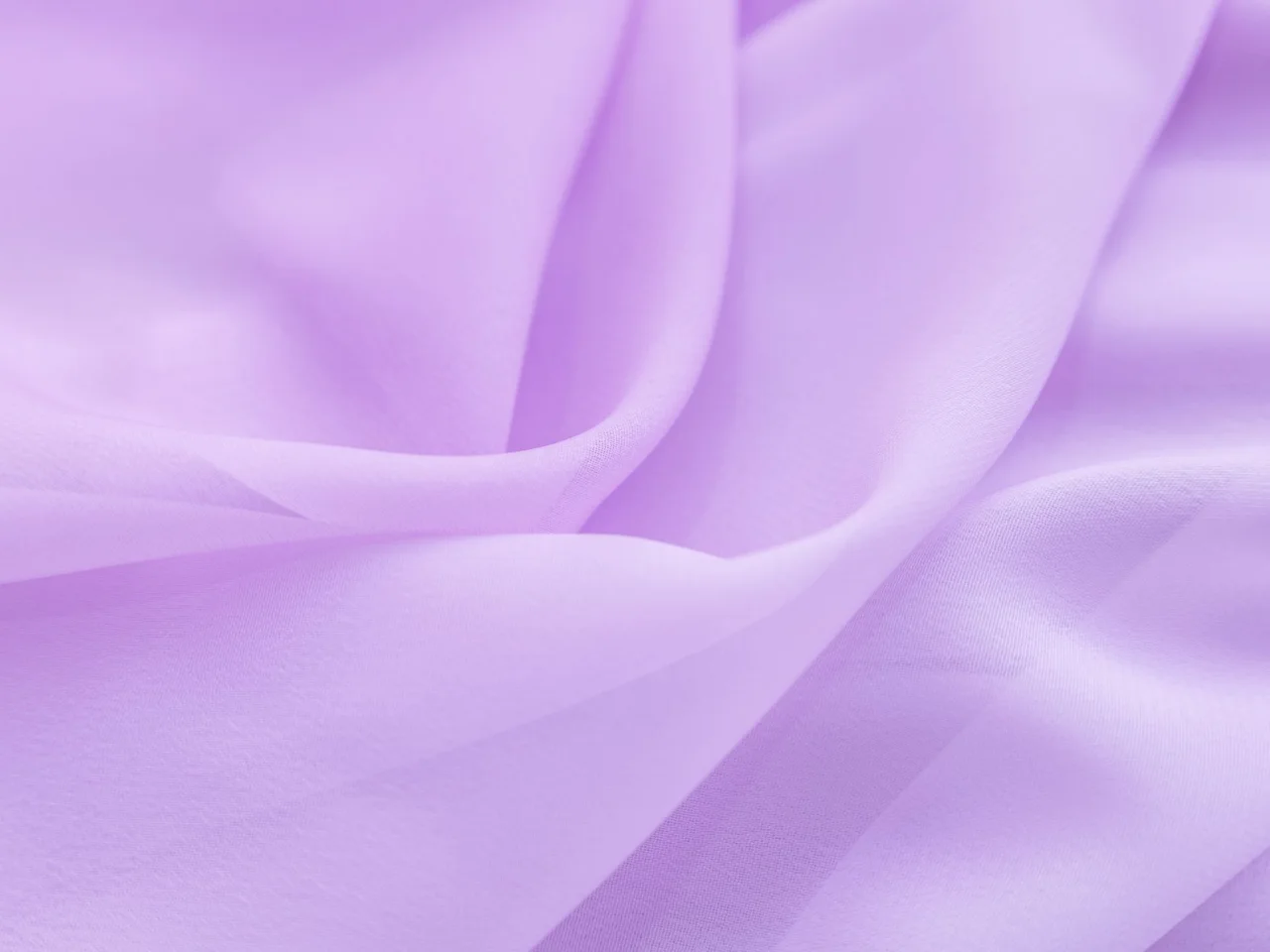
Chiffon is an evening and occasion fabric first. Its float and subtle shimmer suit:
- Weddings and formal functions: as a guest or a family member, a chiffon saree or embellished formal moves gracefully through a long event. Our complete wedding guest outfits guide shows how to place it.
- Walima and reception wear: flowing chiffon formals photograph beautifully and feel light to wear; see our walima dress ideas.
- Eid evenings and dinner parties: a sequinned chiffon shirt with slim trousers is festive without being heavy.
For structured daywear and workwear, chiffon is the wrong tool; cottons hold those shapes far better. Chiffon earns its keep after dark.
Silk versus polyester chiffon for outfits
The fibre changes how an outfit wears. Silk chiffon has the most luxurious drape and a soft natural glow, ideal for heirloom-quality sarees and formals, but it is delicate and usually dry clean only. Polyester chiffon, popular since it arrived in 1958 for being resilient and affordable, holds bright prints and colours well, resists wrinkles and is easier to maintain, which makes it the practical choice for most party wear. Neither is wrong; choose silk for a special, lasting piece and polyester for everyday festive wear you will wash more often.
One more consideration is how the outfit will be worn and for how long. Chiffon is light, which is a genuine advantage at long functions where a heavy formal becomes tiring; a chiffon saree or shirt lets you move, sit and dance comfortably through an entire evening. It also travels well, folding down small without permanent creases, especially in polyester, which makes it a practical choice for destination weddings and events away from home. Balance that against its delicacy: if you know an evening will be crowded and hands-on, a sturdier fabric or a well-lined chiffon with secured seams will survive the night better than a single unlined layer.
Colours, prints and layering
Chiffon's semi-transparency does interesting things with colour. Layered chiffon deepens and softens a shade, so a single colour gains dimension. A few reliable moves:
- Tonal layering: a chiffon dupatta a shade lighter or darker than the shirt adds depth without clashing.
- Ombre and dip-dye: chiffon carries gradient colour beautifully thanks to its fine, even weave.
- Prints: soft florals and abstract prints suit chiffon's fluid movement; very geometric prints can distort as the fabric moves.
Solid chiffon has its own quiet power, especially in formal wear. A single deep shade, jewel-toned emerald, sapphire, ruby or classic black, lets embellishment and drape take centre stage, and reads as timeless rather than trend-led. If you want the outfit to feel current without chasing a fleeting fashion, a well-cut solid chiffon formal with considered embroidery is a safer long-term investment than a heavily printed piece tied to one season's look.
Tailoring note
Chiffon frays and slips, so insist on bound or French seams and a hand-rolled or narrow hem. This is skilled work: choose a tailor comfortable with sheers, and expect it to take longer than a cotton suit. The clean finish is what separates an elegant chiffon outfit from a fraying one.
Accessorising and finishing a chiffon look
Chiffon is a formal fabric, so accessories can afford to be a little more special than they would be with everyday cotton. Because the fabric already brings shimmer and movement, choose jewellery that complements rather than competes: fine jhumkas, a delicate maang tikka or a statement earring against an otherwise clean neckline. Heeled sandals suit the fluid, longer lines that chiffon loves, and a small embellished clutch keeps hands free at a long event. For a saree or a flowing formal, a neatly set pallu or dupatta is the finishing detail that makes the drape look intentional.
Two practical habits keep a chiffon look polished all evening. First, secure the drape: fine pins at the shoulder or waist stop a slippery dupatta or pallu from sliding, which is the difference between graceful and fussed-with. Second, respect the sheerness by choosing a lining colour that flatters the top layer, since the slip underneath subtly changes the finished shade. Get these right and chiffon does the rest, moving beautifully every time you do.
Buying chiffon outfits, an honest word on price
Chiffon outfits run from affordable polyester ready-to-wear to fine silk and heavily embellished designer formals, with prices swinging widely by fibre, embroidery and label. Pakistani textile houses such as Gul Ahmed produce formal and festive lines that include chiffon pieces across a spread of price points. Rather than trust a fixed figure that dates quickly, judge quality directly: look for an even weave, a soft rather than plasticky hand, secure embellishment checked from the reverse, and rich colour. Confirm current pricing with the retailer. For the fabric science behind the drape, the reference on chiffon is a dependable source, and our comparison of chiffon versus georgette helps if you are torn between the two sheers.
Frequently asked questions
What outfits are best made from chiffon?
Flowing, layered pieces: dupattas, sarees, ruffled and embellished party formals, and shirts worn over a lining. Chiffon drapes and floats, so it flatters gathered and layered shapes rather than structured tailoring, and it belongs to evening and occasion wear.
Can chiffon be worn casually in the daytime?
It can, most often as a light dupatta over a cotton suit, but chiffon is really an evening and occasion fabric. For structured daywear and workwear, breathable cottons hold their shape far better and are more practical.
What embroidery suits chiffon?
Light and sparkling work: sequins, beads, delicate thread embroidery, dabka and light zari, plus lace and tissue borders. Very heavy zardozi or dense metal panels drag the sheer fabric out of shape and should be mounted on a firmer base or kept to borders.
Should I choose silk or polyester chiffon?
Silk chiffon has the most luxurious drape and glow but is delicate and usually dry clean only, ideal for a special, lasting piece. Polyester chiffon is durable, wrinkle-resistant, affordable and easy to wash, which makes it the practical choice for most party wear.
Why does chiffon need special tailoring?
Chiffon slips on the table and frays at cut edges, and its sheerness shows every seam. It needs bound or French seams and a fine rolled hem, done by a tailor comfortable with sheers, so budget extra time and care for stitching it.
More on Fabrics
Have a question or a topic to suggest?
We read every message. Tell us what you would like to see next in the journal.
Get in touch