Wedding Guest Outfits: What to Wear
Colours to wear and avoid, formality by event, and the jewellery, dupatta and checklist that make guest dressing easy.
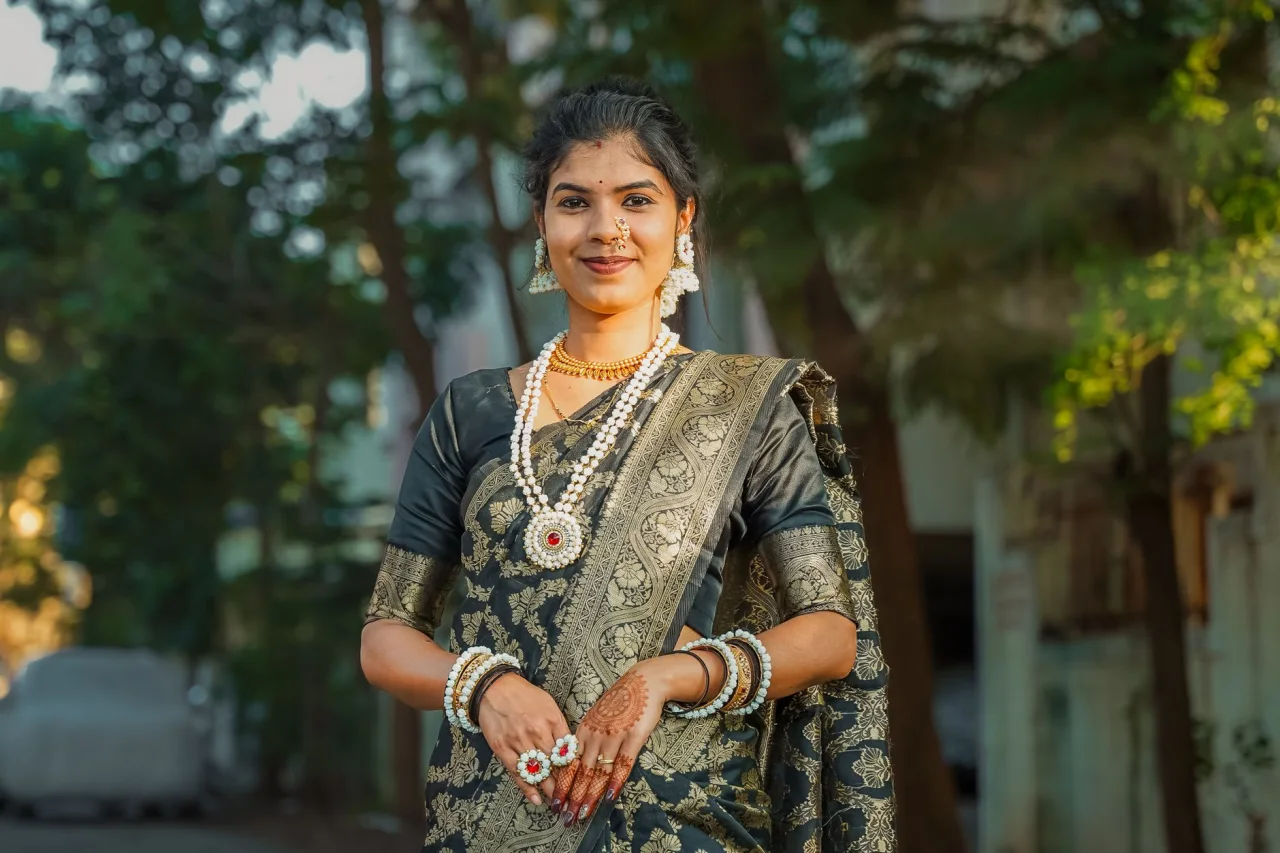
Getting a South Asian wedding invitation is a joy and, if we are honest, a small styling puzzle. You want to look festive and photograph well, but you also do not want to overshadow the couple or turn up underdressed to a black-tie sangeet. This complete guide walks you through the etiquette, the colours, the formality levels and the practical checklist so every guest outfit lands exactly right.
The short version
- Match your formality to the specific event: a daytime mehndi is playful, a walima or reception is dressy.
- Skip head-to-toe bridal red and heavy ivory or white at Hindu and Muslim functions; let the couple own those.
- Comfort matters. You will sit, eat, dance and pose for hours, so choose fabrics and footwear you can survive in.
- One well-chosen outfit plus swapped jewellery and dupattas can carry you across two or three events.
Read the invitation before you shop
South Asian weddings are rarely a single evening. They usually run as a string of events across several days, each with its own mood, and the invitation is your first styling brief. A card that says "mehndi" or "dholki" signals a relaxed, colourful daytime or evening celebration heavy on music and dance. "Nikah" or "engagement" leans elegant and a little more restrained. "Walima" or "reception" is the formal, dressed-up finale.
Note the venue and time too. A garden lunch calls for lighter fabrics and softer colours, while a hotel ballroom evening invites richer tones, shine and heavier work. If the couple has shared a colour theme or a dress code, treat it as a genuine request rather than a suggestion. When in doubt, message someone in the wedding party and ask what people are wearing. It is a normal question and no one will judge you for it.
Colours to wear and colours to leave alone
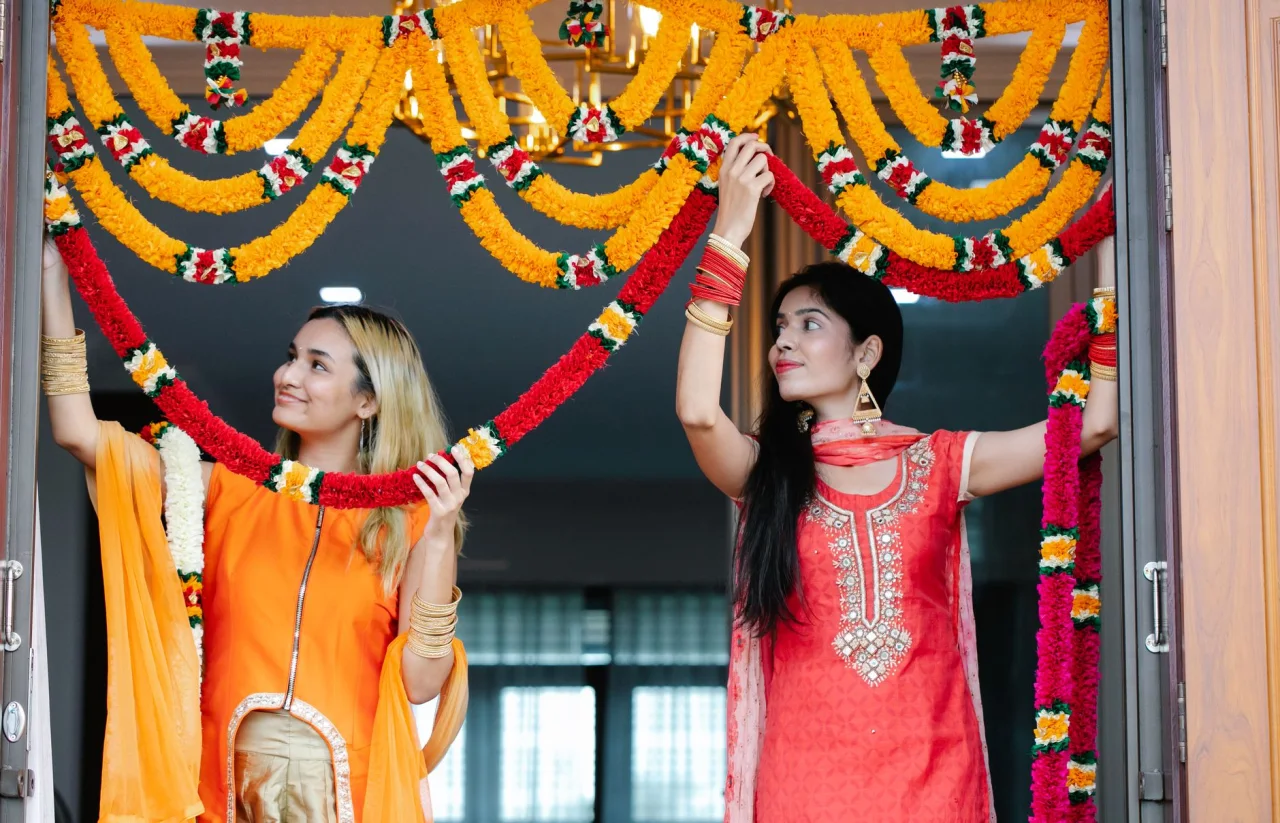
Colour is where guests most often slip up, usually with good intentions. The safest approach is to celebrate the palette without stepping on the bride's signature looks.
- Generally avoid: full bridal red or maroon, which many brides still choose for the main ceremony, and large amounts of ivory, white or very pale cream, which can read as either bridal or, in some families, as mourning wear.
- Reliable guest wins: emerald and bottle green, royal and cobalt blue, mustard and ochre, dusty rose, teal, plum, rust and jewel-toned purples.
- Event-led picks: yellows, oranges and greens feel right at a mehndi; deeper, glossier shades and metallics suit an evening reception.
If you love red, you can still wear it: choose a berry, wine or brick tone rather than classic bridal scarlet, and keep the silhouette clearly guest-appropriate. For a deeper look at how these hues carry meaning across the wedding week, our complete bridal dresses guide breaks down the colour story from the bride's side.
Styling note: coordinate, do not copy
If the couple shares a theme like "pastels for the mehndi," honour the family of colours without matching the bridal party exactly. Pick your own shade within the range so you look intentional in photos rather than like a stray bridesmaid.
Matching your outfit to the event
Here is a simple map from event to outfit energy, which you can adapt to your own wardrobe and comfort.
- Mehndi or dholki: bright, breathable and dance-friendly. A gota or mirror-work kurta with palazzos, a light sharara or a printed lehenga all work. Flowers, tassels and fresh colour suit the mood.
- Nikah or engagement: elegant and slightly formal. Think a well-cut anarkali, a structured lehenga in a jewel tone, or a saree with tasteful embroidery.
- Barat or main ceremony: your dressiest daytime-to-evening look, coordinated with the venue. Rich fabrics, considered jewellery and neat draping.
- Walima or reception: the most formal. The walima is the reception banquet in Muslim weddings, so this is your moment for a glossy saree, a heavily worked gown-style anarkali or a couture-inspired lehenga.
If you want ready-made looks rather than rules, our wedding guest outfit ideas roundup pairs specific silhouettes with budgets and body types.
Silhouettes that flatter and function
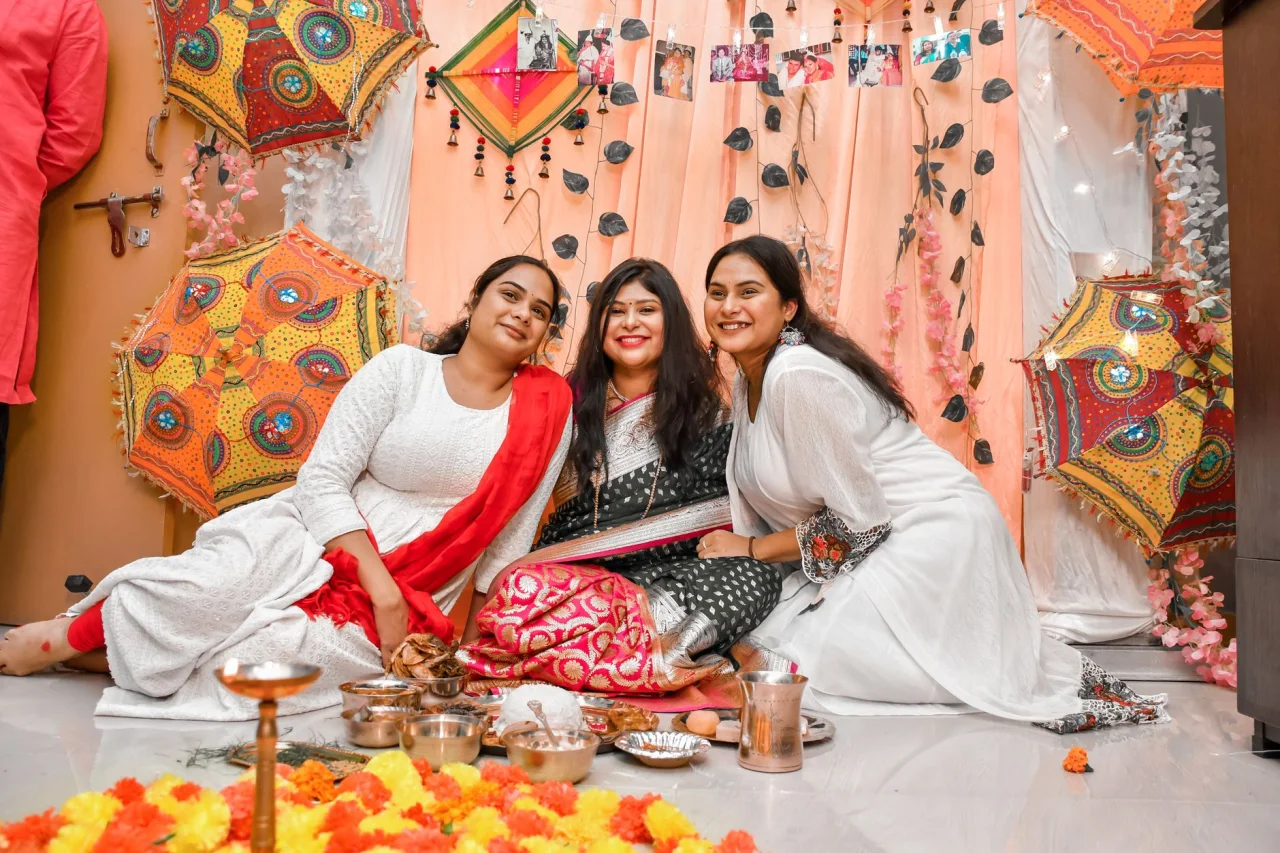
The best guest outfit balances how it looks with how it lets you move. A few dependable directions:
- Lehenga: festive and photogenic, and endlessly versatile across events. This ankle-length skirt from the Indian subcontinent has been popular since around the 16th century. If you are new to the garment, our complete lehenga guide explains the pieces and how they fit together.
- Anarkali suit: forgiving, graceful and comfortable for long functions, especially in a floor-sweeping cut. See what an anarkali suit is if you are choosing between styles.
- Sharara or gharara: dramatic and dance-ready, ideal for a mehndi or sangeet.
- Saree: timeless for formal events, though it rewards a little practice with the pleats and pallu beforehand.
Whatever the silhouette, prioritise a fit you can breathe, sit and dance in. A slightly roomier waistband beats a picture-perfect fit you cannot eat dinner in.
Jewellery, dupatta and finishing touches
Accessories are where a guest outfit either comes together or falls flat, and they are also the cheapest way to make one outfit look like three.
- Jewellery: let the outfit decide. A busy, heavily embroidered ensemble wants restrained jewellery; a simpler outfit can carry a statement necklace or jhumkas. Avoid competing with everything at once.
- Dupatta: the fastest transformation tool you own. A fresh dupatta in a contrasting colour, or a different drape, can re-style the same base outfit for the next event.
- Footwear: choose closed-in comfort or well-tested heels. Kolhapuris, embellished flats and block heels survive dance floors far better than thin stilettos.
- Bag: a small potli or clutch that holds your phone, lipstick and safety pins is all you need.
Tip: build a two-event capsule
Buy one strong base outfit, then rotate a spare dupatta, a second pair of earrings and a different lip colour. You will look distinct in each event's photos without the cost or luggage of two full outfits.
Budget, borrowing and repeat-wear
You do not need a new outfit for every function, and no thoughtful host expects you to. Renting occasion wear has become genuinely mainstream, and it is a smart choice for a heavily worked piece you will wear once. Borrowing from family, especially sarees and statement jewellery, is a long-standing tradition rather than a compromise.
If you are buying, spend on one versatile, well-made piece rather than several disposable ones. A quality lehenga skirt or an anarkali in a good fabric can be re-styled for years. For help judging fit, fabric and realistic price bands before you commit, our lehenga buying guide is a practical starting point. Prices for occasion wear vary widely by fabric, the amount and type of work, and the retailer, so always confirm current pricing before you plan a budget.
The quick guest checklist
Before you finalise anything, run through this short list:
- Which specific event is this, and how formal is it?
- Have I avoided bridal red and heavy white or ivory?
- Is my colour festive but distinct from the couple's theme?
- Can I sit, eat and dance comfortably for several hours?
- Do my shoes survive a dance floor?
- Have I packed safety pins, a spare dupatta and a small clutch?
- If it is a multi-day wedding, does my capsule cover each event without repetition in photos?
Tick those boxes and you are a genuinely great guest: festive, respectful and photo-ready, without a single wardrobe crisis.
Frequently asked questions
Can wedding guests wear red to a South Asian wedding?
It is best to avoid full bridal red or maroon, since many brides still choose those shades for the main ceremony and you do not want to compete. If you love red, pick a berry, wine or brick tone instead and keep the silhouette clearly guest-appropriate rather than bridal.
Is it acceptable to wear white or black as a wedding guest?
Large amounts of white, ivory or very pale cream are risky because they can read as bridal or, in some families, as mourning wear, so it is safer to avoid them as your main colour. Black is now widely accepted for evening receptions, especially when lifted with metallic embroidery or jewel-toned accents, though some conservative families still prefer guests to wear colour.
How formal should a wedding guest outfit be?
Match the specific event. A daytime mehndi or dholki is playful and comfortable, a nikah or engagement is elegant and slightly restrained, and a walima or reception is the most formal and dressed-up. Reading the invitation and checking the venue and time will tell you how much shine and embellishment to bring.
Do I need a different outfit for every wedding event?
No. A single well-chosen base outfit can carry you across two or three events if you rotate the dupatta, jewellery and lip colour. Renting a heavily worked piece for the formal night or borrowing family jewellery are both smart, widely accepted ways to look distinct without buying multiple full outfits.
What jewellery works best with a guest outfit?
Let the outfit lead. A busy, heavily embroidered ensemble pairs best with restrained jewellery, while a simpler outfit can carry a statement necklace or bold jhumkas. The goal is balance, so avoid wearing every big piece you own at once.
What shoes should I wear to a wedding I will dance at?
Choose comfort you have already tested: embellished flats, kolhapuris or block heels survive a dance floor far better than thin stilettos. If you love a heel, break it in beforehand and consider carrying a foldable flat for the later hours.
More on Wedding & Occasion Fashion
Have a question or a topic to suggest?
We read every message. Tell us what you would like to see next in the journal.
Get in touch