How to Choose the Perfect Lehenga
Fit, fabric, stitched versus unstitched, realistic price brackets and the warning signs to avoid.
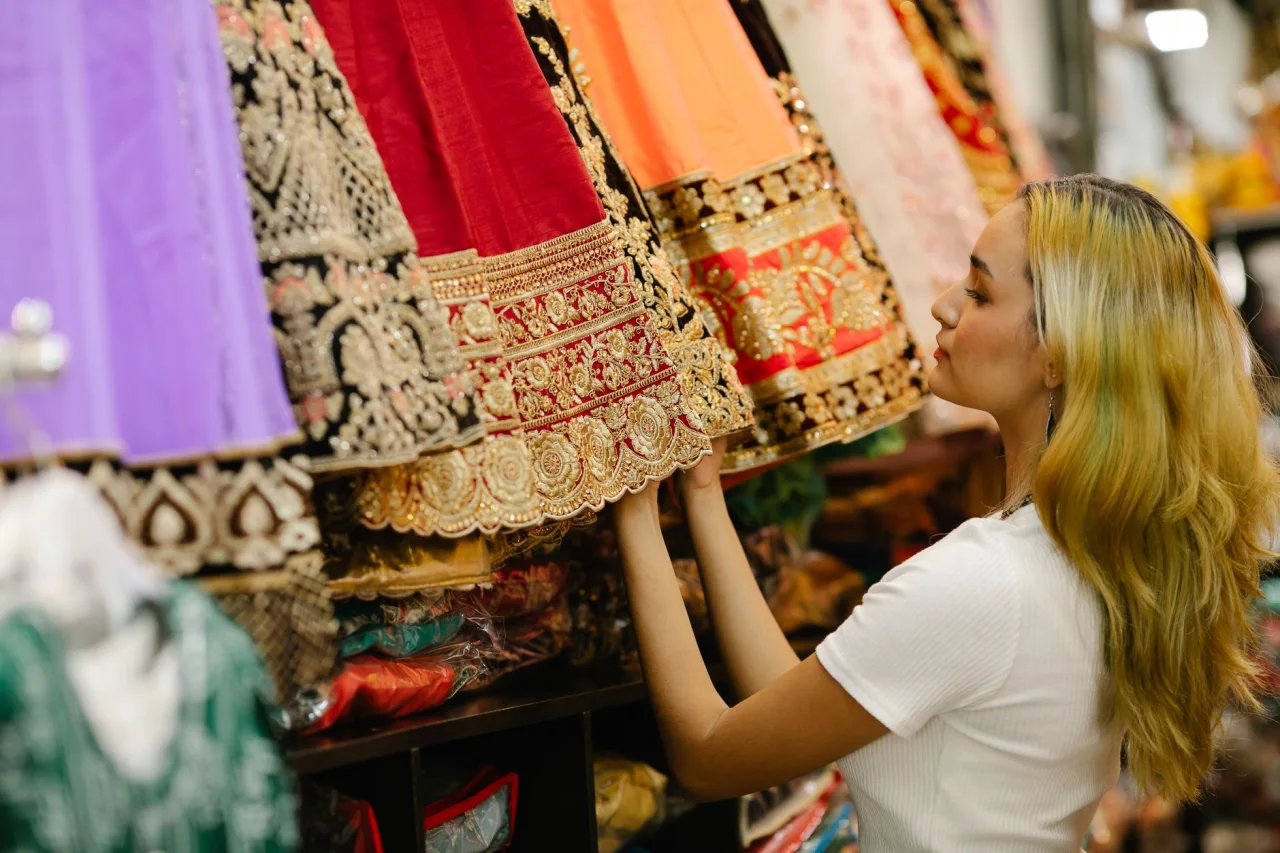
Buying a lehenga is a bigger decision than most outfits: it can be a major investment, it needs to fit precisely, and it has to survive a long day of celebration. This guide walks through choosing the right silhouette for your body, the best fabric for your season and event, the stitched versus unstitched question, realistic price brackets and the red flags that separate a good buy from a costly mistake.
The short version
- Fit comes first: get the waist, blouse and skirt length right, and always build in tailoring time.
- Choose fabric by season and event: light and breathable for summer and dancing, richer weights for winter and formal wear.
- Stitched is convenient, unstitched or semi-stitched gives a custom fit if you have a trusted tailor.
- Prices vary enormously by fabric, hand work, brand and retailer, so treat any figure as a rough range and confirm current pricing before you buy.
Start with fit, not the picture
The most beautiful lehenga looks wrong if it does not fit. Three measurements matter most: the waist (where the skirt sits and how it is fastened), the blouse (which must be tailored to your torso), and the skirt length (which should clear the floor by the right amount for your heels). A lehenga that is too long drags and frays, while one that is too short looks unfinished. If you are new to the garment, our complete lehenga guide explains the anatomy of the gagra choli so you know what you are measuring.
Whether you buy online or in store, always allow time for alterations. Even ready-to-wear lehengas usually need the blouse and hem adjusted for a clean fit.
Choosing a silhouette for your body
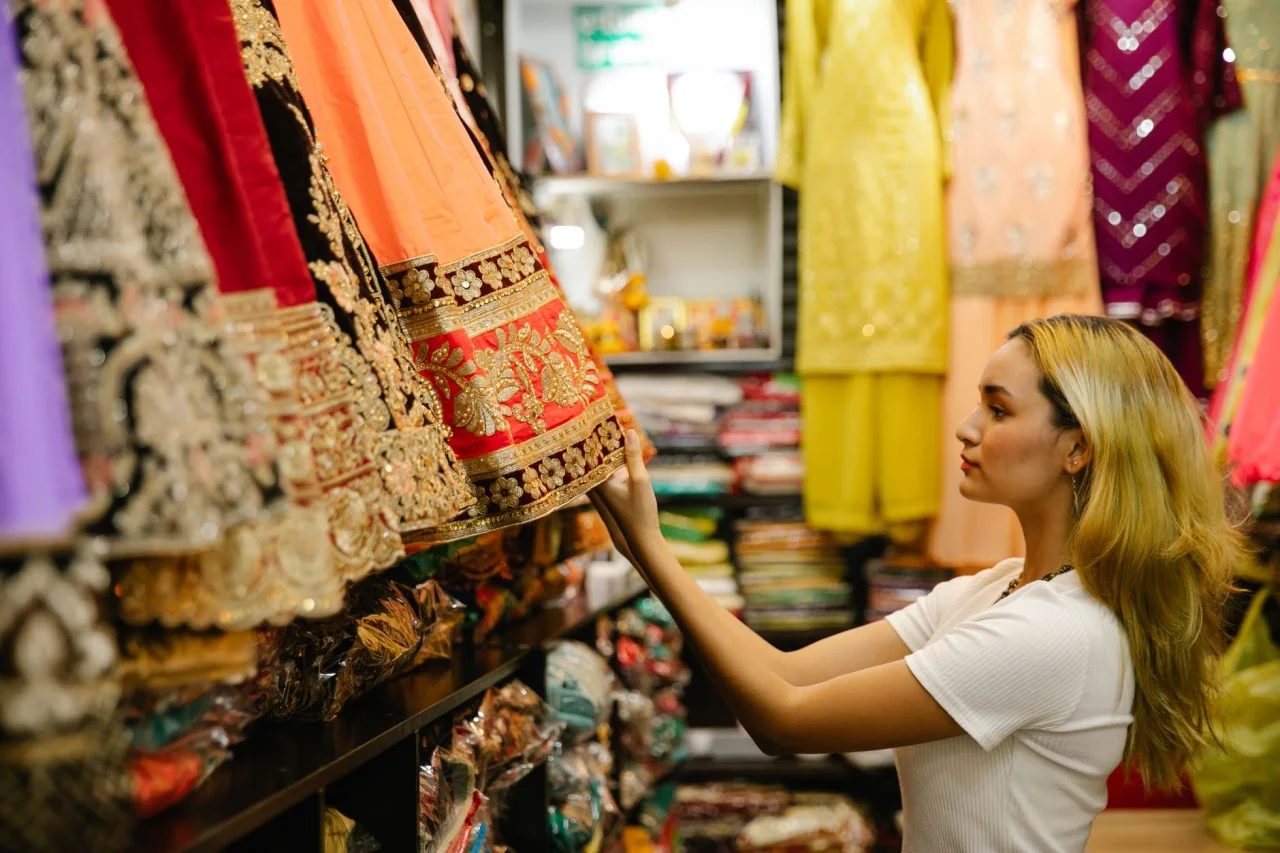
Cut affects how the skirt balances your frame. As a general guide:
- A-line is the safest all-rounder and flatters most body types.
- Flared or kalidar adds volume and movement, good for balancing a broader upper body and for dance-heavy events.
- Mermaid or fishtail is fitted through the hip, so it suits those comfortable with a body-skimming line and precise tailoring.
- Straight or paneled keeps volume down for a slimmer, modern look.
For a fuller breakdown of cuts, colours and current directions, our lehenga design ideas are a useful shortlist tool.
Tip
Try to try on at least one lehenga in person before buying, even if you ultimately order online. Feeling the weight of the skirt and seeing how a silhouette moves on you is worth far more than a flat product photo.
Fabric by season and occasion
Fabric decides comfort as much as looks. Match it to your climate and event:
- Summer and daytime: cotton, georgette, organza and net stay lighter and cooler.
- Winter and evening: velvet, raw silk and brocade hold rich colour and warmth.
- Dancing: lighter, flared fabrics move better and tire you less.
- Formal and bridal: heavier silks look regal but carry real weight once embroidered.
If you tend to feel warm or your function is long, err towards a lighter fabric. Our guide to the best fabrics for winter dresses can help if you are shopping for a cold-season event.
Stitched, semi-stitched or unstitched
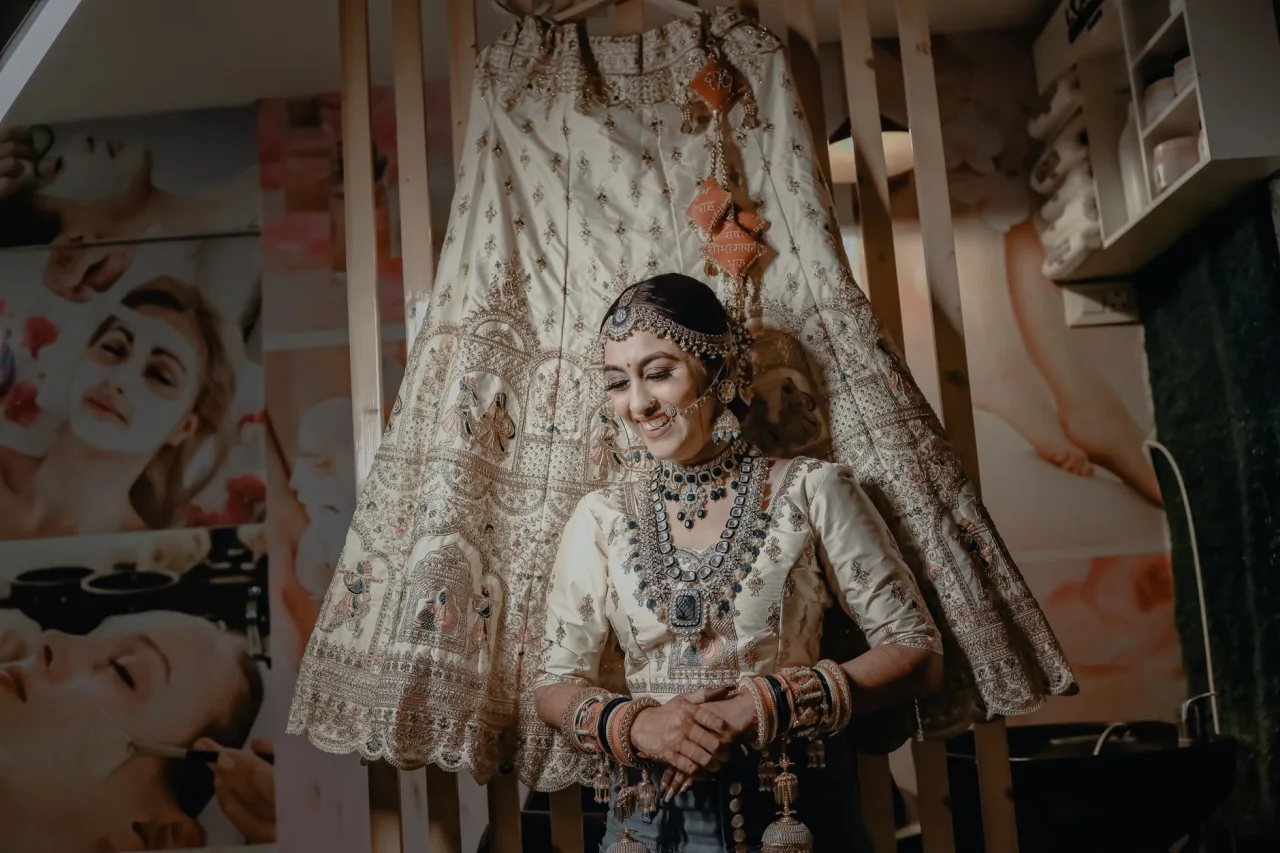
Lehengas are sold in three forms, each with trade-offs:
- Ready-to-wear (stitched): convenient and quick, but fit is fixed to standard sizes and may still need alteration.
- Semi-stitched: partly constructed with allowance to adjust the waist and length for a closer fit.
- Unstitched: fabric and often the embroidered panels, tailored entirely to your measurements. This gives the best fit but needs a skilled tailor and lead time.
If you have a reliable tailor and enough time before the event, unstitched or semi-stitched gives the most flattering result. If time is short, a well-chosen ready-to-wear set with minor alterations is the safer route.
Understanding embroidery and value
Surface work is a major part of both the look and the price. Hand embroidery such as zari, dabka and gota is more labour-intensive and generally costs more than machine work, and it also adds weight. When judging value, look at the density and neatness of the stitching, whether motifs are even, and how securely beads and sequins are attached. Our overview of the different types of embroidery can help you recognise what you are paying for.
Realistic price brackets
Lehenga prices span an enormous range, and any single figure quickly goes out of date, so use these as broad, indicative brackets rather than fixed prices:
- Budget and ready-to-wear: lighter fabrics and mostly machine embroidery, suitable for a single-wear guest look.
- Mid-range: better fabrics, a mix of machine and some hand work, good for repeated festive wear.
- Premium and bridal: heavy hand embroidery on raw silk or velvet, genuine investment pieces.
Because pricing depends on fabric, the amount and type of hand work, the brand and the retailer, always confirm current pricing directly with the seller before committing. Do not assume a high price guarantees quality, or that a low price is always a bargain.
Red flags to watch
- Loose or shedding embroidery, sequins or beads that come away when you tug gently.
- Uneven hemlines or a waistband that will not sit flat.
- Colours that look markedly different in person than in online photos.
- No clear return, alteration or exchange policy, especially for online purchases.
- Pressure to buy immediately with a price that keeps changing.
Buying online safely
Online gives more choice but hides fit and fabric weight. Reduce the risk by reading the fabric composition, checking the size chart against your own measurements rather than trusting a label, and confirming the return and alteration policy before you order. Order with enough lead time for shipping plus tailoring. If a deal looks far cheaper than comparable pieces, be cautious about fabric and embroidery quality.
Putting it together
Work in this order: decide the occasion and season, choose a silhouette that suits your body, pick a fabric for comfort and formality, then judge the embroidery and price against that. Once you have the right base piece, our lehenga styling guide shows how to finish the look for every event, and our lehenga choli guide covers how the skirt, blouse and dupatta work together.
Timing your purchase
Lead time is one of the most overlooked parts of buying a lehenga, and rushing it is where many regrets begin. As a rough plan:
- Custom or unstitched: allow several weeks for tailoring, plus fittings, especially for heavy bridal work.
- Ready-to-wear with alterations: allow one to two weeks for shipping and a blouse and hem fitting.
- Peak wedding and festival seasons: add extra buffer, because tailors and boutiques are busiest then.
Buying too close to the event forces compromises on fit and choice, so start early and leave room for a second fitting.
Caring for your lehenga after buying
Protecting your investment starts the day it arrives. Most embellished and silk lehengas are dry clean only, and metallic embroidery can tarnish, so keep the piece away from water and perfume. Store it folded with acid-free tissue or rolled rather than hung for long periods, since the weight of the skirt can distort the waistband over time. Use a breathable cloth garment bag instead of plastic, and check occasionally for loose beads or threads so small repairs do not become big ones. Cared for well, a quality lehenga can be re-worn and restyled for years rather than a single event.
Frequently asked questions
How do I choose the right lehenga for my body type?
Start with the silhouette. An A-line cut flatters most body types, a flared or kalidar skirt adds balancing volume, a mermaid cut suits a body-skimming line with precise tailoring, and a straight cut keeps volume down. Beyond the cut, getting the waist, blouse and skirt length tailored correctly matters more than any single style rule.
Which fabric is best for a lehenga?
It depends on season and event. Cotton, georgette, organza and net are lighter and cooler for summer, daytime and dancing, while velvet, raw silk and brocade hold rich colour and suit winter and formal or bridal wear. Choose a lighter fabric if your function is long or you tend to feel warm.
Is a stitched or unstitched lehenga better?
Ready-to-wear stitched lehengas are convenient but fixed to standard sizes and often still need alteration. Semi-stitched and unstitched options let a tailor fit the piece to your exact measurements for the most flattering result, but they need a skilled tailor and lead time. Choose based on how much time you have and whether you have a trusted tailor.
How much does a good lehenga cost?
Prices range widely, from affordable ready-to-wear guest pieces to high-end hand-worked bridal lehengas. The final figure depends on fabric, the amount and type of embroidery, brand and retailer. Treat any online price as a rough guide only and confirm current pricing with the seller before buying, and remember that a high price does not automatically mean better quality.
What are the warning signs of a poor-quality lehenga?
Watch for loose or shedding embroidery and beads, uneven hemlines, a waistband that will not sit flat, colours that differ from the online photos, and any seller with no clear return or alteration policy. Pressure to buy immediately with a shifting price is another red flag.
More on Buying Guides
Have a question or a topic to suggest?
We read every message. Tell us what you would like to see next in the journal.
Get in touch