What Is Raw Silk? A Full Guide
The matte, structured silk behind bridal and formal wear, and what the name really means.
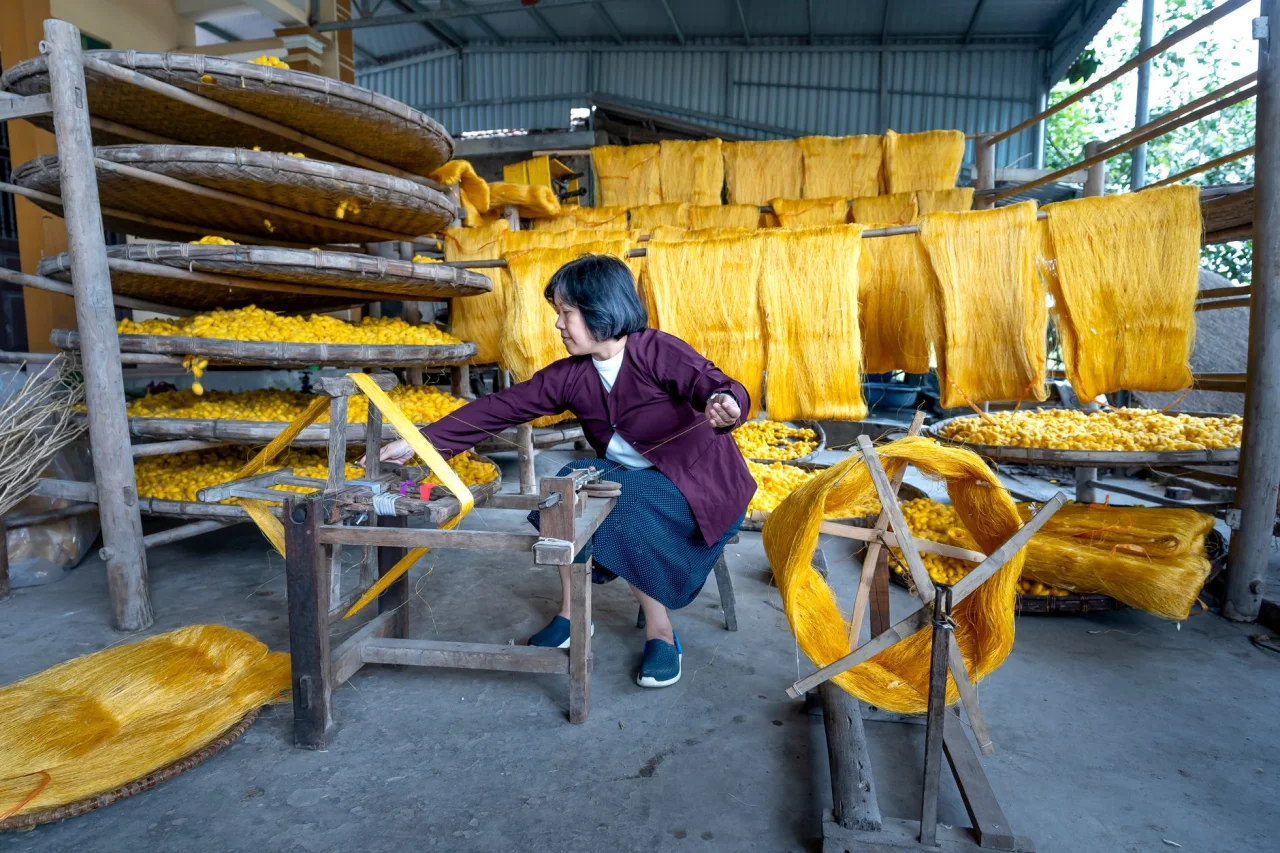
Raw silk is one of the most misunderstood names in fabric. In a mill it means something very precise, while on a shop shelf in Lahore or Delhi it usually means a matte, slightly textured, crisp silk that tailors into structure and holds embroidery beautifully. This guide untangles both meanings, then walks through what raw silk feels like to wear, what it sews best and how to care for it.
The short version
- Technically, raw silk is silk that still contains its natural gum (sericin) before it is degummed and refined.
- In everyday South Asian fashion, "raw silk" usually describes a matte, textured, crisp silk fabric (often dupioni or spun silk types) rather than a shiny smooth one.
- It is prized for body and structure: it holds a shape, takes heavy embroidery and photographs richly.
- It creases and can water spot, so most raw silk outfits are dry cleaned rather than washed.
What does "raw silk" actually mean?
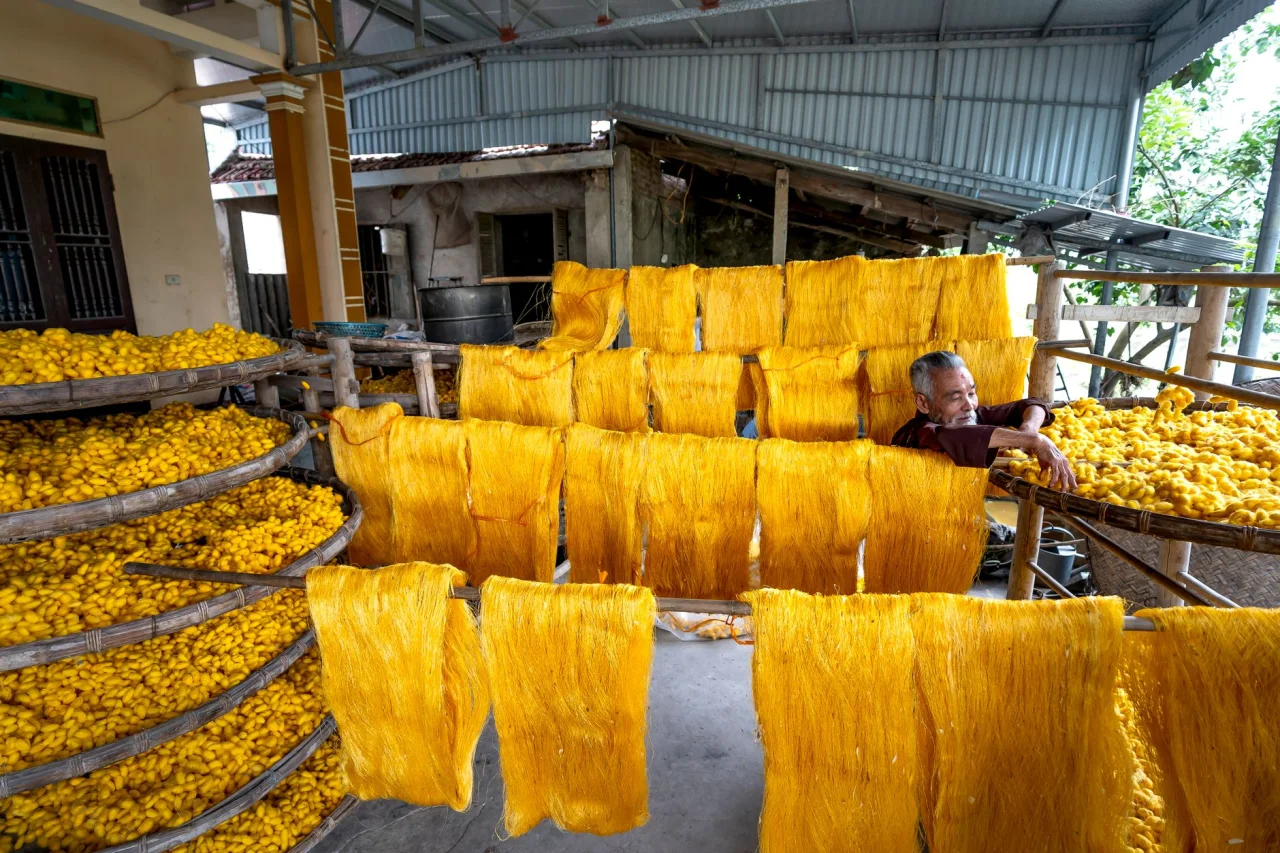
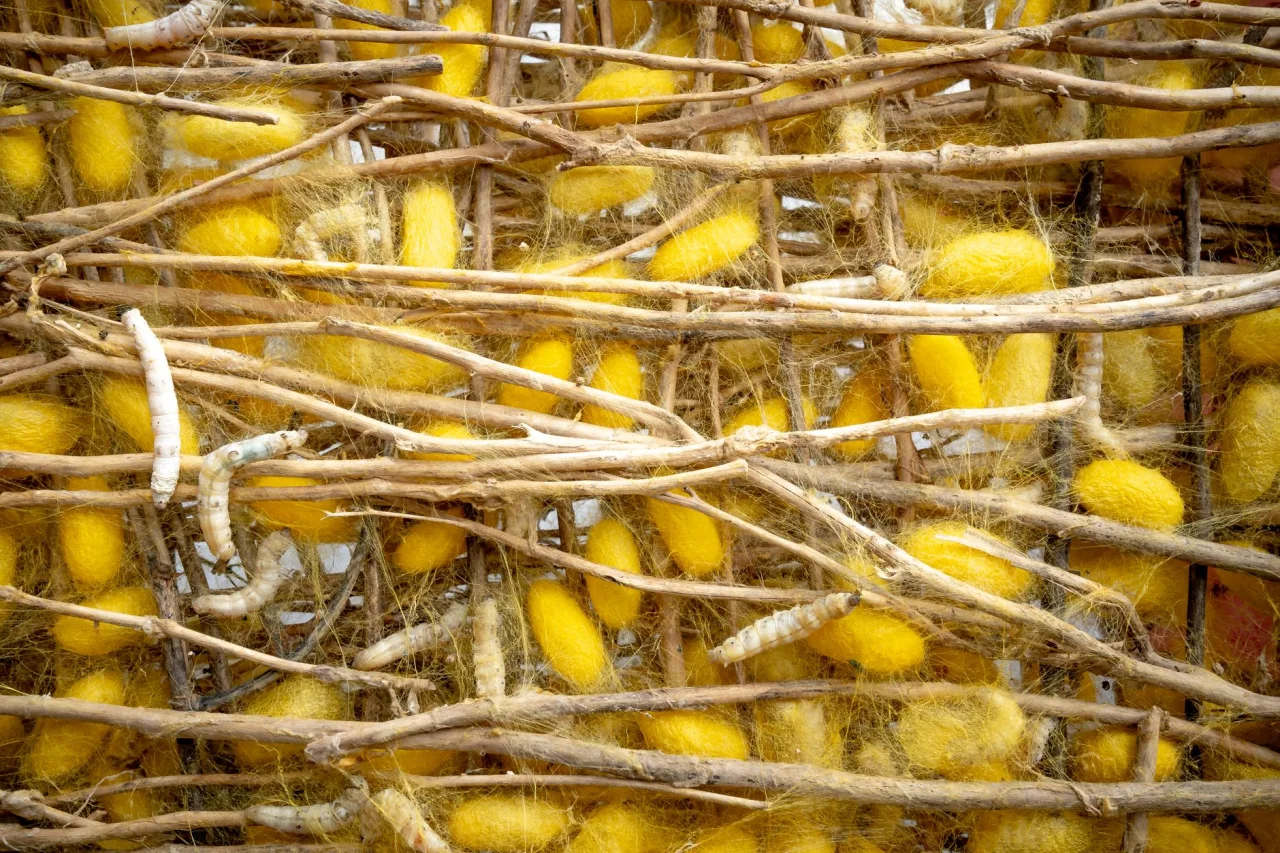
Start with the mill definition, because it explains everything else. Silk fibre is mostly fibroin (the strong filament protein) coated with sericin, a natural gum. According to Wikipedia's overview of silk, the protein fibre is composed mainly of fibroin, around 75 to 80 percent, and a smaller coating of sericin, around 20 to 25 percent. When cocoons are boiled and reeled, that sericin is progressively removed in a step called degumming. Silk that still holds its sericin, before that refining, is raw silk in the strict technical sense. It feels stiffer and looks duller than fully degummed, lustrous silk.
In shops and tailoring, though, the label is used more loosely. "Raw silk" there generally means a silk fabric with a matte finish and a slightly rough, textured surface, the opposite of slick, shiny charmeuse. Much of what is sold as raw silk is closer to dupioni or a spun silk. It is worth knowing that the term is applied loosely, so ask what a specific bolt actually is before you buy.
Raw silk, dupioni and silk noil: clearing up the family
Because the name travels across several fabrics, here is how the close relatives differ:
- Dupioni: woven with fine yarn in the warp and uneven yarn reeled from two or more tangled cocoons in the weft, which creates irregular slubs. It has a highly lustrous surface and a crisp hand, and much of it is woven in Varanasi in India. Dupioni is what many people picture when they say "raw silk suit".
- Silk noil: spun from short fibres from the cocoon. It has a slightly rough texture and very low lustre, which can make it look more like cotton than silk. Confusingly, silk noil is also sometimes called raw silk, although that is a misnomer.
- True raw (un degummed) silk: reeled silk still carrying its sericin gum, stiff and matte until it is refined.
The takeaway: raw silk is a family of matte, textured silks rather than one exact cloth. For how it compares with polished, degummed silk, see our side by side on silk versus raw silk, and for the smooth version itself, our guide to what silk is.
How raw silk feels and behaves
Compared with smooth, degummed silk, raw silk has a distinct personality:
- Matte, not shiny: it has a soft, muted sheen rather than a mirror like gloss, which many people find more understated and elegant.
- Textured surface: you can often see and feel fine slubs (little irregular thickenings in the yarn), a signature of dupioni style raw silk.
- Crisp and structured: it has real body, so it stands away from the frame and holds a silhouette instead of clinging.
- Warm and substantial: heavier than chiffon or georgette, it feels appropriate for cooler weather and formal occasions.
Styling note
Raw silk's stiffness is a feature, not a flaw. It is what lets a raw silk kameez hold a clean A line or a lehenga skirt stand out with volume. If you want soft, body skimming drape instead, reach for georgette or chiffon rather than trying to force raw silk to fall softly.
What raw silk is used for
That structure and richness make raw silk a favourite for occasion and bridal wear across South Asia:
- Structured suits and kameez: straight and A line cuts that rely on the fabric holding its shape.
- Lehengas and shararas: the body helps skirts flare and stand.
- Sherwanis and waistcoats: raw silk is a classic groom and formal menswear fabric because it tailors crisply.
- Heavily embroidered pieces: the firm surface is an ideal base for zardozi, dabka, gota and dense thread work, which we return to in our styling companion on what raw silk sews and styles best.
Along with shantung, dupioni style silk is popular in bridal and other formal wear, which is why raw silk shows up so often in wedding wardrobes.
The trade offs to know before buying
Raw silk is beautiful but demanding, and it helps to go in with clear eyes:
- It creases: the crisp hand means it wrinkles, and deep creases can be stubborn.
- It water spots: plain water can leave marks on some raw silks, so spills and rain are a real risk.
- It can shed dye and fray: cut edges fray readily, and strong colours may bleed, so pre testing matters.
- It is warmer: its weight and body make it less suited to peak summer heat. For hot months, see the lighter options in our best fabrics for summer roundup, and for cold weather where raw silk shines, our best fabrics for winter dresses.
How to care for raw silk
Because of the water spotting and creasing, caution is the rule:
- Dry clean embellished or structured raw silk. It is the safest route for most occasion pieces.
- If you must clean at home, spot test first on a hidden seam, then hand wash very gently in cool water with a silk safe detergent. Expect the hand to soften and change.
- Never wring or twist. Press water out gently between towels.
- Iron on a low silk setting, ideally inside out and with a pressing cloth, while slightly damp.
- Store on a padded hanger away from direct sunlight, which fades silk, and keep it dry to avoid mildew.
Buyer tip
Ask the seller whether a "raw silk" is pure silk, a silk blend or a polyester imitation. Art silk and polyester versions look similar on the rack but behave differently: they resist creasing and water spotting far better, cost much less, and can be machine friendly. Neither is wrong, but you should know which one you are paying for.
Is raw silk right for you?
Choose raw silk when you want structure, a rich matte finish and a base that carries heavy embroidery: for bridal and formal suits, lehengas, sherwanis and winter occasion wear. Think twice if you need an easy care, wash and wear fabric, something for extreme heat, or a soft clinging drape. Prices vary widely by whether the silk is pure or blended, the density of any embroidery, the brand and the region, so always confirm current pricing before you commit, and weigh fibre content and workmanship rather than the label alone.
Frequently asked questions
What is raw silk?
Technically, raw silk is silk that still contains its natural gum, called sericin, before it is degummed and refined into smooth, lustrous silk. In everyday South Asian fashion, however, "raw silk" usually refers to a matte, slightly textured, crisp silk fabric, often a dupioni or spun silk type, rather than a shiny smooth one.
Is raw silk the same as pure silk?
Not exactly. Raw silk is silk, but the term describes its matte, textured, less refined character rather than guaranteeing it is pure. Some fabric sold as raw silk is pure silk dupioni, while other pieces are silk blends or even polyester imitations, so it is worth asking about fibre content before buying.
What is raw silk best used for?
Raw silk is best for structured, formal and bridal wear: straight and A line suits, lehengas, shararas, sherwanis and heavily embroidered pieces. Its crisp body helps garments hold their shape, and its firm surface is an excellent base for zardozi, dabka, gota and dense thread work.
How do you wash raw silk?
Most raw silk, especially embellished or structured pieces, is best dry cleaned, because plain water can leave spots and the fabric creases readily. If you clean it at home, spot test first, then hand wash gently in cool water with a silk safe detergent, never wring it, and iron on a low silk setting with a pressing cloth.
Does raw silk wrinkle easily?
Yes. The crisp, structured hand that gives raw silk its body also makes it prone to creasing, and deep wrinkles can be stubborn. Storing it on a padded hanger rather than folded, and steaming or pressing gently before wear, helps keep it looking smooth.
More on Fabrics
Have a question or a topic to suggest?
We read every message. Tell us what you would like to see next in the journal.
Get in touch