What Is Silk?
The lustrous protein fibre behind bridal lehengas and heirloom sarees, from cocoon to care.
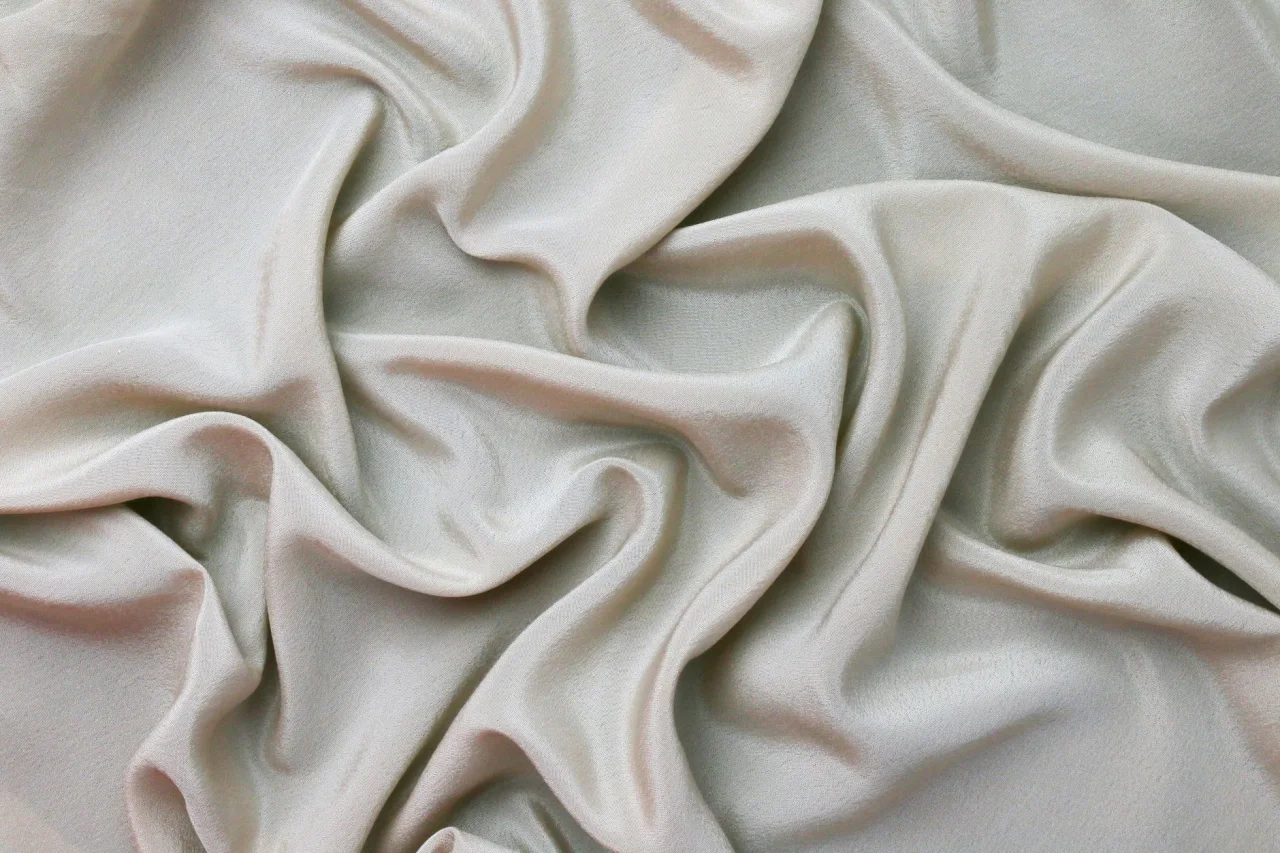
Silk is the fabric desi fashion turns to when nothing less than luxurious will do: the weighty bridal lehenga, the lustrous formal saree, the sherwani that photographs like liquid light. This guide explains what silk really is, how it is made, why it looks and feels the way it does, where it belongs in South Asian wear, and exactly how to care for it so it lasts for decades.
The short version
- Silk is a natural protein fibre produced by silkworms, most famously the mulberry silkworm, and woven into some of the strongest and most lustrous of all natural textiles.
- Its glow comes from the triangular prism structure of the fibre, which refracts light at different angles.
- It is strong, absorbent, and temperature-regulating, warm in winter and breathable enough to wear in many seasons.
- Treat it gently: dry clean or hand wash cool, keep it out of direct sun, and store it breathing in cloth, not plastic.
What silk actually is
Silk is a natural protein fibre, some forms of which can be woven or knitted into textiles. Most commercial silk comes from the cocoon of the mulberry silkworm, Bombyx mori, reared in captivity. The fibre is made mainly of a protein called fibroin, at roughly three-quarters of its weight, coated with a gummy protein called sericin that is largely removed during processing.
Producing it is an agricultural craft called sericulture, or silk farming: the cultivation of silkworms to produce silk. Eggs hatch into caterpillars that feed on mulberry leaves for several weeks, then spin a cocoon of a single continuous filament over two to three days. The cocoons are treated and soaked in hot water to soften the sericin, and the filaments are unwound and twisted together into thread. Silk production originated in central China in the Neolithic period, and China guarded the secret for roughly a thousand years, which is how the great trade route we call the Silk Road got its name.
Why silk looks and feels so special
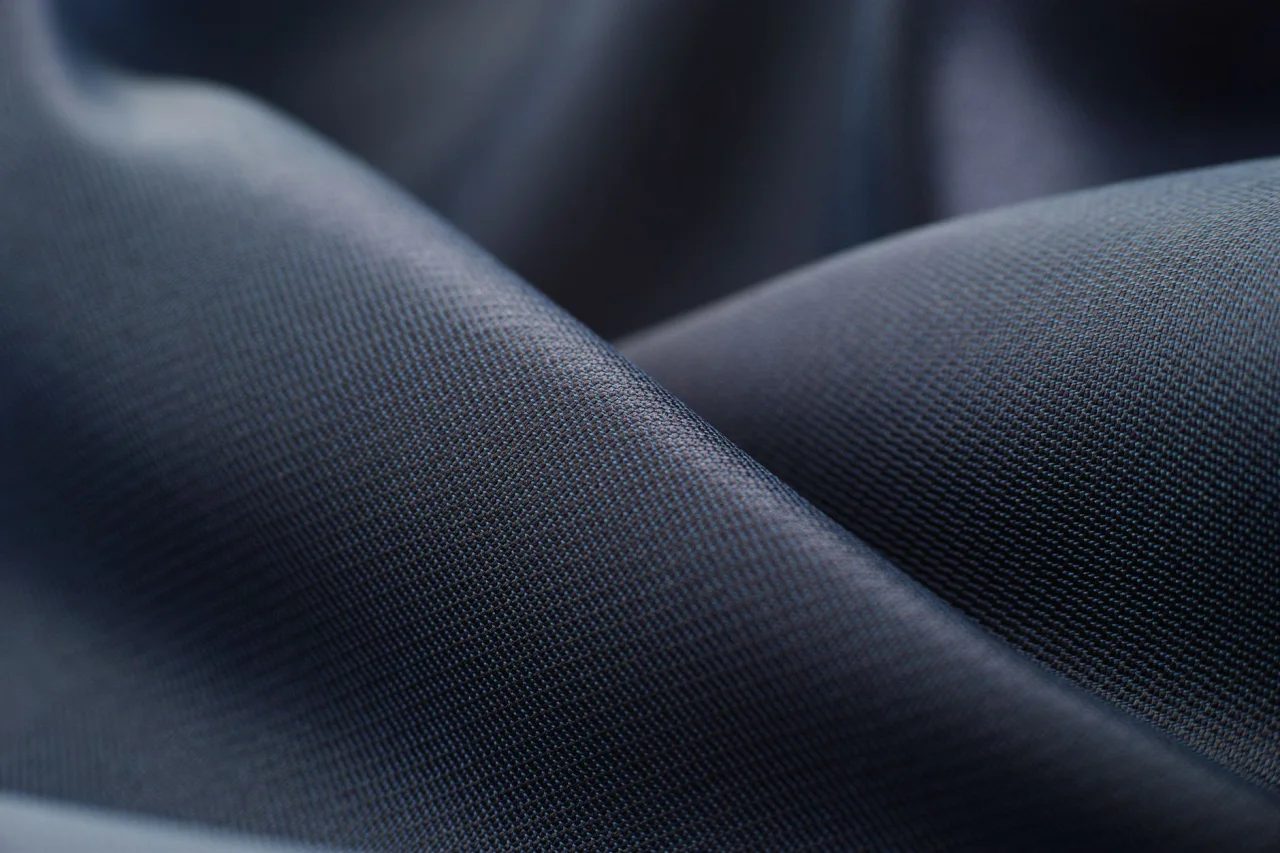
Silk has a signature look that is genuinely rooted in physics. The shimmery appearance comes from the triangular prism-like structure of the fibre, which refracts incoming light at different angles and gives that soft, shifting sheen. It is not a coating or a finish; it is the shape of the fibre itself.
- Lustre. The natural sheen reads as luxurious and photographs beautifully.
- Strength. Silk is one of the strongest natural fibres, which is why well-kept pieces survive generations.
- Absorbency. It takes up moisture well, around eleven percent regain, so it feels comfortable rather than clammy.
- Temperature regulation. Its low thermal conductivity helps it feel warm in cool weather while still breathing, so it suits more seasons than people assume.
- A soft, smooth hand, with a characteristic slight cling and a dry, whispering rustle in crisper weaves.
Types of silk you will meet in desi fashion
Silk is not one fabric but a whole family, and the South Asian region weaves some of the most celebrated varieties in the world.
- Mulberry silk, the smooth, lustrous standard from Bombyx mori, used for everything from sarees to linings.
- Raw silk, a less processed, more textured silk with a matte, slubby character. Our guide to what raw silk is covers it in detail, and silk vs raw silk compares the two.
- Tussar (tussah) silk, a wild silk with a natural golden tone and a coarser texture.
- Regional handloom silks such as the gold-woven brocades of Varanasi and the heavy woven silks of southern India, prized for bridal and formal wear.
Buying note
Pure silk carries a premium, and blends or art silk (which is usually rayon or polyester) cost far less while imitating the look. Neither is dishonest to buy; the key is knowing which you are getting. If a price seems too good for pure silk, it very likely is a blend, so ask the retailer directly and confirm current pricing before you commit.
Where silk is used in South Asian wear
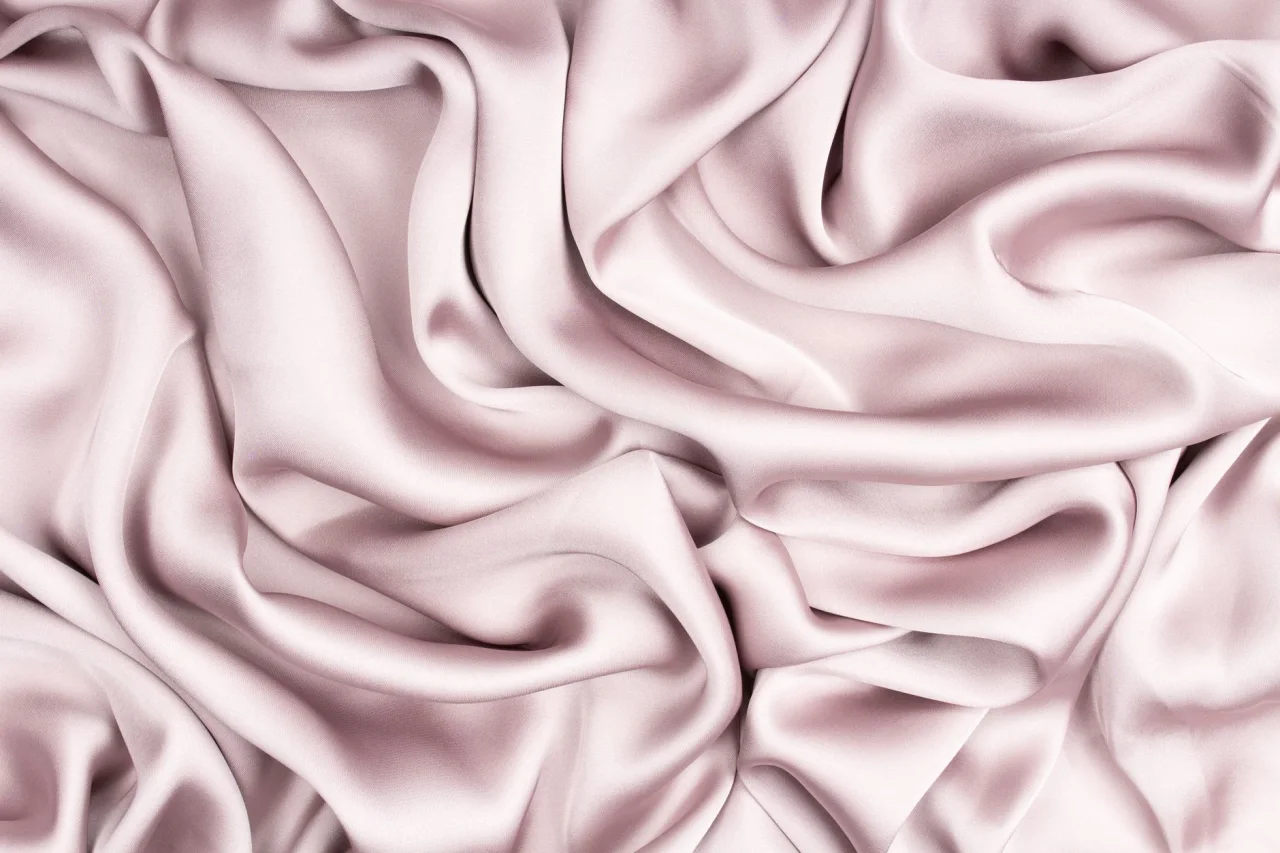
Silk sits at the formal and celebratory end of the wardrobe, where its weight, sheen, and strength are assets.
- Bridal and formal lehengas. Silk gives structure and a rich fall, so it anchors heavy bridal work. See our lehenga guide for silhouettes.
- Sarees. Woven silk sarees are heirloom pieces, passed down and re-worn for decades.
- Sherwanis and men's formal wear, where raw and woven silks give a crisp, dignified drape.
- Kurtas, suits, and dupattas for weddings and festive occasions, from soft silk shirts to zari-bordered dupattas.
- Occasion wear generally, from walima looks to festive family functions.
Is silk a summer or winter fabric?
Both, more than most people expect. Because silk regulates temperature and breathes, lightweight silks can be worn in warmer months, while heavier woven silks feel wonderful in winter. That said, the very heavy, embellished bridal silks are warm to wear for long hours, so plan for the venue and season. For a broader seasonal view, see our guides to the best fabrics for winter dresses and the best fabrics for Pakistani summers.
How to care for silk
Silk is strong but sensitive to heat, harsh chemicals, and prolonged sun. Treat it kindly and it lasts a lifetime.
- Dry clean the special pieces. Embellished, brightly dyed, or bridal silk is safest with a trusted dry cleaner who knows silk.
- Hand wash plain silk cool. If a label allows it, use cool water and a gentle detergent made for delicates or silk. Swish, do not rub or wring.
- Rinse and blot. Rinse in cool water, press between towels, and never twist the fabric to remove water.
- Dry in shade. Lay flat or hang away from direct sun, which fades dyes and weakens fibres over time.
- Iron low and inside out. Use a low or silk setting, press on the reverse, and place a cloth between the iron and the fabric. Avoid steam spitting water spots onto the surface.
- Watch for water and deodorant marks, which can stain silk; blot spills promptly rather than rubbing.
Storage tip
Store silk so it can breathe. Wrap sarees and heavy pieces in clean cotton or muslin, not plastic, which traps moisture and can yellow the fabric. Keep them out of direct light, refold along different lines occasionally to avoid permanent crease lines, and keep sharp jewellery and hooks away from the weave.
How to tell real silk from imitation
Art silk and blends are common and legitimate, but if you are paying for pure silk you deserve to know. A few gentle checks help:
- Look at the sheen. Real silk shows a warm, colour-shifting glow, while many synthetics look uniformly, harshly shiny.
- Feel the warmth. Silk warms quickly to the touch and feels soft and supple; synthetics can feel cool and slippery.
- Check the price and the seller. A pure-silk price that seems impossibly low usually signals a blend. Buy from reputable sellers and ask for fibre content.
- Mind the label claims. Terms like art silk, faux silk, or silk-blend indicate the fabric is not pure silk.
A burn test can identify protein fibres, but it damages the cloth and is not something to try on a garment you intend to wear, so rely on reputable sellers and clear labelling instead.
Frequently asked questions
What is silk made from?
Silk is a natural protein fibre produced by silkworms, most commonly the mulberry silkworm Bombyx mori. The worms spin a cocoon from a single long filament, which is softened, unwound, and twisted into thread. The fibre is mostly a protein called fibroin.
Why does silk look so shiny?
The shimmer comes from the triangular prism-like structure of the silk fibre, which refracts light at different angles. This natural, colour-shifting glow is a property of the fibre itself, not a coating, which is why real silk looks different from uniformly shiny synthetics.
Can silk be worn in hot weather?
Yes, lightweight silks can be comfortable in warm weather because silk absorbs moisture and regulates temperature. Heavier woven and heavily embellished silks are warmer and better suited to cooler weather or air-conditioned events, so match the weight of the silk to the season and setting.
How should I wash silk at home?
Wash plain silk only if the label allows, using cool water and a gentle detergent for delicates, swishing rather than rubbing or wringing. Blot dry between towels and dry in the shade. Embellished, brightly dyed, or bridal silk should be dry cleaned to avoid damage.
How can I tell if silk is real?
Real silk has a warm, colour-shifting sheen, feels soft and warms quickly to the touch, and carries a premium price. Uniformly harsh shine, a cool slippery feel, or a very low price often indicates a blend or art silk. Buying from reputable sellers and checking fibre labels is the most reliable guide.
Sources: Wikipedia: Silk and Wikipedia: Sericulture.
More on Fabrics
Have a question or a topic to suggest?
We read every message. Tell us what you would like to see next in the journal.
Get in touch