Walima Dress: 15+ Outfit Ideas 2026
Glamorous reception looks, from luminous pastels to jewel-tone lehengas, with fabric, jewellery and budget tips.
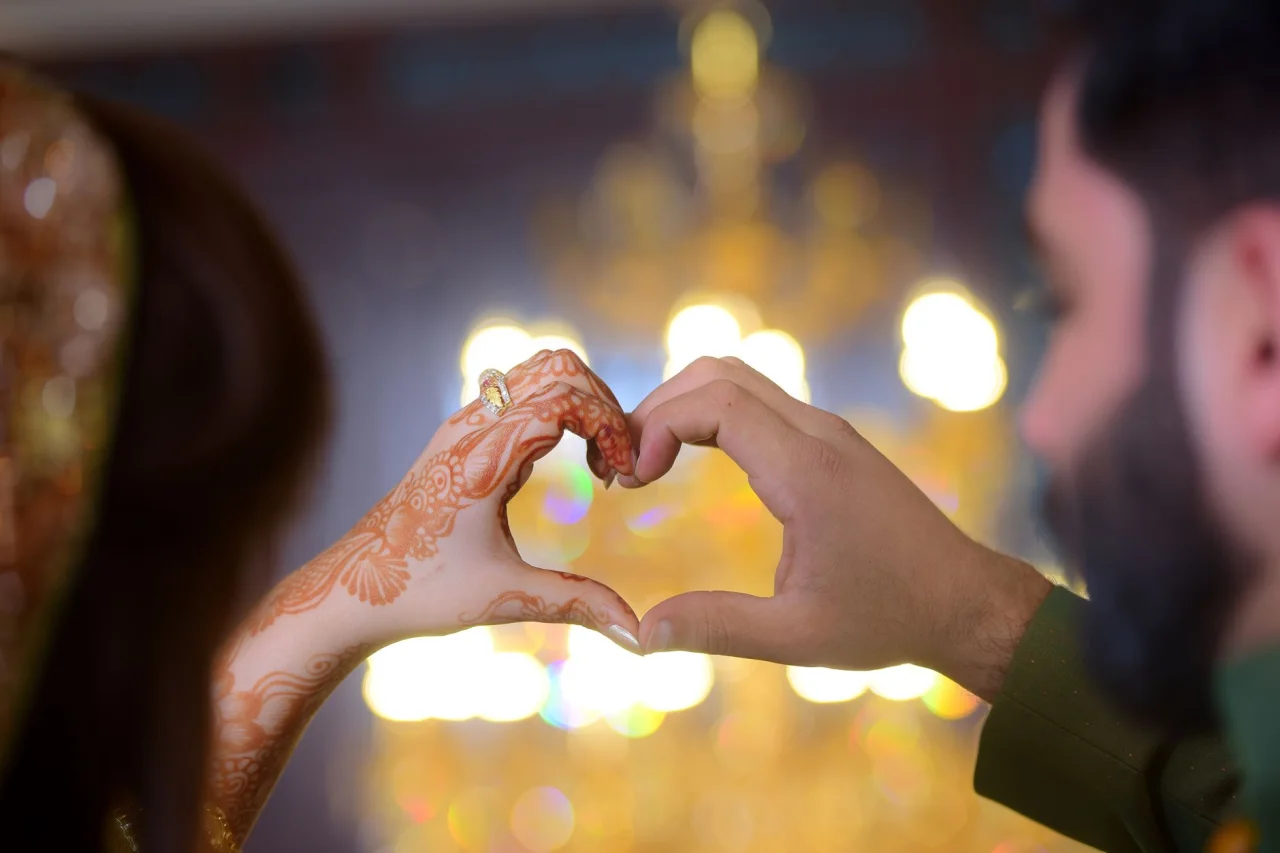
The walima is the grand finale, the reception that publicly celebrates the marriage, and traditionally it is the groom's side that hosts it. That makes it the most glamorous outfit of the whole wedding week: this is where gowns, heavy lehengas and jewel tones belong. Here are more than fifteen walima dress ideas for 2026, for brides and guests, sorted by budget and body type.
The short version
- Walima is the glamorous reception. Go richer and more polished than the nikah or mayun.
- 2026 leans into pastels-with-shine and jewel tones: ice blue, champagne, emerald, wine and dusty rose.
- Gowns, trailing anarkalis and structured lehengas all suit the red-carpet mood.
- Heavier work like dabka, zardozi, zari and Banarasi brocade earns its place here.
What the walima asks of your outfit
A walima is the reception banquet that follows the nikah, hosted and traditionally paid for by the groom's side, and it exists to make the marriage public and celebrate it with the wider community. Because it is the most formal, camera-heavy event of the week, the dress code is unapologetically glamorous. This is the moment to bring out the statement silhouette and the richer palette you held back at the nikah. Because the reception is typically staged, with a couch, a backdrop and a formal entrance, the outfit is seen from across a hall and under bright lighting, which rewards structure, sheen and colour that reads from a distance. For that earlier, softer look, see our nikah outfit ideas, and for the etiquette side of the walima, our complete walima dress guide goes deeper.
Many brides also use the walima to strike a deliberate contrast with the barat. If the barat outfit was a deep traditional red, a luminous pastel or a cool jewel tone at the walima gives the wedding album two distinct, memorable looks rather than variations on one. Planning the two together, and checking they photograph differently, is one of the simplest ways to make the reception feel like its own event.
The 2026 walima colour story
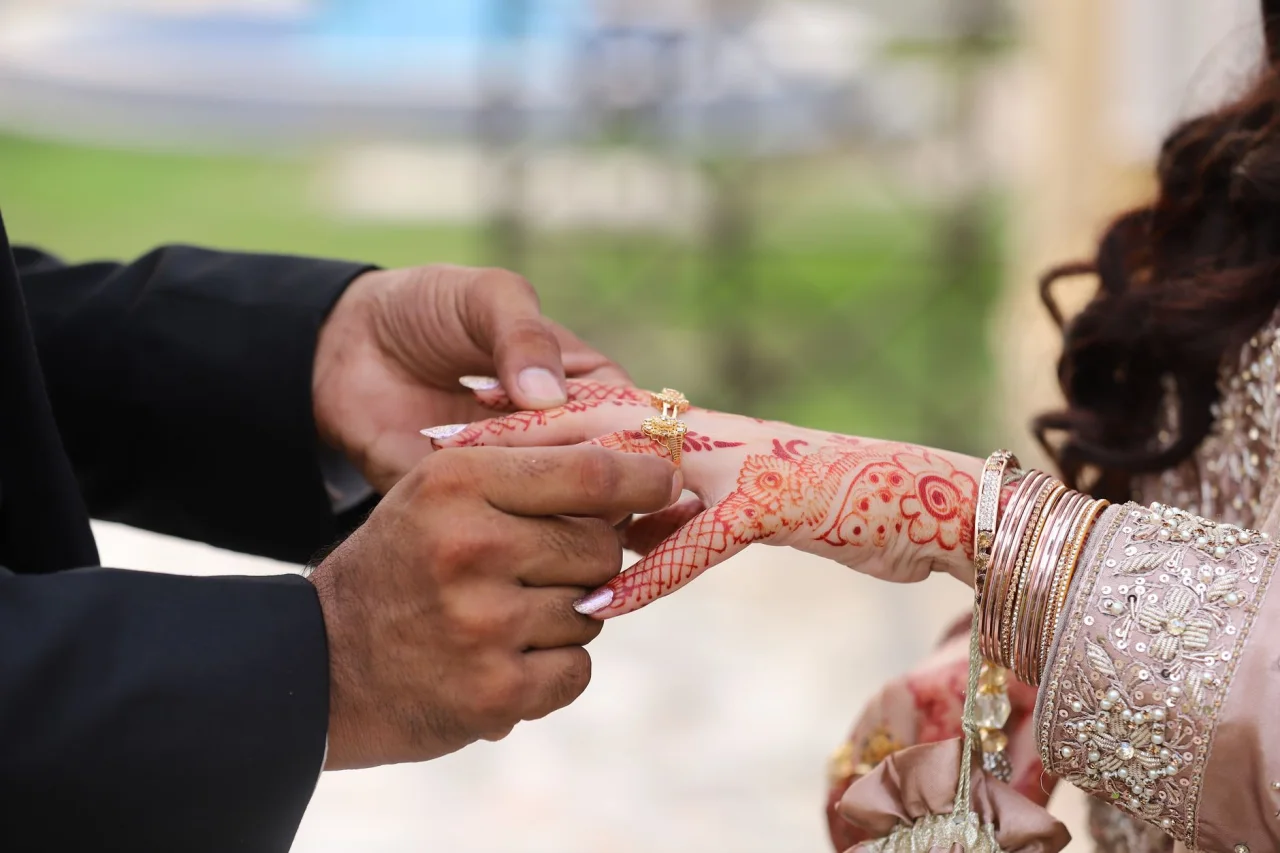
Walima palettes split neatly into two directions this year, both photogenic under reception lighting:
- Luminous pastels with shine: ice blue, champagne, pearl, blush and lilac, usually lifted with metallic dabka or zari.
- Rich jewel tones: emerald, sapphire, wine, deep teal and plum for brides who want drama.
- Metallics: rose gold, antique gold and silver for a full red-carpet moment.
- Classic ivory-and-gold remains the safe, timeless bridal-reception choice.
Budget-friendly walima looks
You can still look reception-ready on a sensible budget by letting one strong element do the work.
- Ice-blue net anarkali with pearl work. Flowing, formal and photogenic without heavy embroidery.
- Champagne straight gown with a light trail. Minimal, modern and easy to move in.
- Blush organza suit with sequin borders. A ready-to-wear formal that photographs richly.
- Dusty-rose gharara with thread work. Festive and elegant; more cuts in our gharara designs.
- Emerald raw-silk kurta set with gota edging. A jewel tone that reads expensive on a modest budget.
Mid-range and boutique walima looks
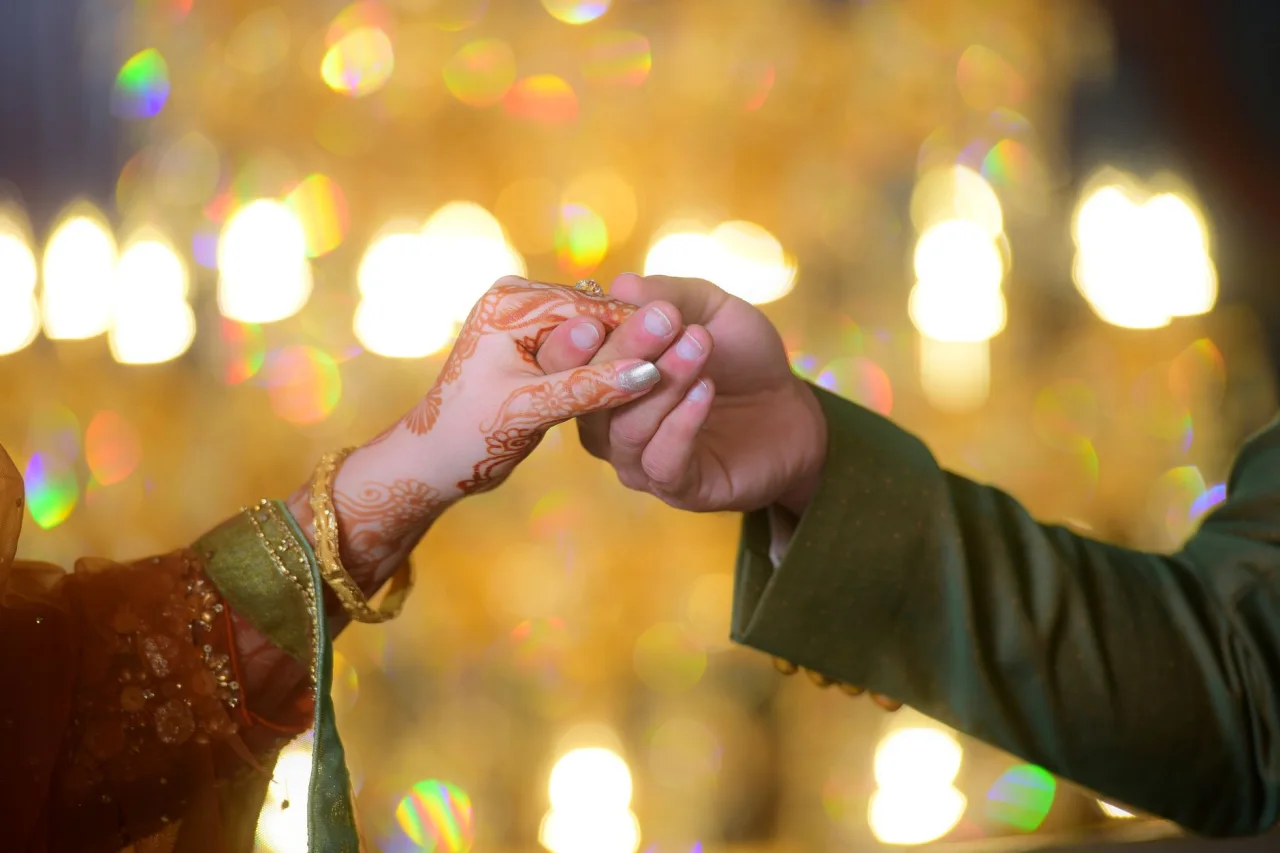
This tier brings the fabric and finish up to full reception standard.
- Ivory lehenga with all-over dabka. The classic walima silhouette, soft and luminous. Learn to judge the work in our dabka guide.
- Wine velvet anarkali gown. Rich, warm and ideal for a winter walima. See more in our anarkali designs.
- Sapphire organza lehenga with zari. Jewel-toned and light to carry.
- Champagne farshi shalwar with heavy borders. A regal, heritage alternative to the lehenga.
- Rose-gold sharara with fine sequin work. Metallic drama with movement.
Styling note
The walima is where jewellery finally goes big. A statement necklace or a polki set, matched earrings, and a maang tikka balance a heavy outfit. If the dress is very worked, let the jewellery stay classic; if the dress is simpler, let the jewellery be the centrepiece. Pick one hero, not two.
Statement and designer-level walima looks
For brides who want the reception to be the showpiece, these carry full grandeur.
- Heavily worked emerald lehenga with zardozi. A jewel-tone statement for a bride who wants drama.
- Ivory Banarasi lehenga. Woven Banarasi brocade brings heritage richness with GI-protected craftsmanship from Varanasi.
- Champagne gown with a long embroidered trail. The full red-carpet reception moment.
- Wine velvet farshi shalwar with dabka. Old-world nawabi grandeur for a winter walima.
- Pastel-blue lehenga with three-dimensional floral work. Soft, dreamy and modern.
- Deep-teal raw-silk gown with zari borders. Structured, jewel-toned and striking.
Flattering walima picks by body type
- Petite: a fitted lehenga with a cropped choli, or a straight gown, keeps the frame elongated; avoid overwhelming volume.
- Tall: lean into full lehengas, farshi shalwar and long trails that show off the height.
- Curvier builds: A-line lehengas and anarkali gowns skim gracefully; a structured waist adds definition.
- Pear shape: draw attention up with a worked bodice and a simpler skirt.
Fabrics for a walima
Reception fabrics can afford to be richer and heavier than daywear:
- Best picks: raw silk, velvet, organza, net and jamawar or Banarasi brocade for structure and sheen.
- For winter: velvet and heavier silks bring warmth and depth. See our roundup of best fabrics for winter dresses.
- For a lighter carry: organza and net keep a worked look wearable through a long evening. Our velvet guide covers care for the heavier options.
Budget and price expectations
Walima outfits sit at the top of the wedding-week budget. Prices vary widely with fabric, handwork and retailer, so confirm current pricing, but as broad brackets:
- High-street and ready-to-wear formals: roughly PKR 10,000 to 30,000.
- Boutique and semi-formal: roughly PKR 30,000 to 100,000.
- Designer and bridal-level: PKR 150,000 and upward, driven mostly by hand embroidery.
Renting a designer walima outfit is increasingly common and worth considering, since a heavily worked piece is often worn only once. If you would rather buy, a smart compromise is to invest in one strong element, a worked lehenga skirt or a statement dupatta, and keep the rest of the look simpler, so the budget goes where the camera looks.
Groom's walima looks
Since the walima is traditionally the groom's family's event, the groom often steps out in his most polished look of the week. A structured sherwani in ivory, gold, deep green or wine, an achkan, or a sharp tuxedo-style bandhgala all suit the reception's glamour. Where the nikah leaned soft and neutral, the walima is the moment for a richer tone and a touch more shine, whether that is a subtle self-work sherwani or a velvet bandhgala for winter.
Coordination with the bride lifts the photographs. Many couples pick complementary rather than identical palettes: a champagne bride with an ivory-and-gold groom, or an emerald bride with a deep neutral groom. A well-chosen stole, a brooch or kalgi, and clean mojaris finish the look without competing with the outfit.
Making a heavy walima outfit comfortable
Reception outfits are the heaviest of the week, and a walima runs long, so comfort planning matters as much as the design. A fully worked lehenga or farshi shalwar can be genuinely tiring, so consider these practical moves:
- Watch the weight. Ask about the finished weight before you commit; a lighter organza or net base with placed work is far easier to carry than an all-over zardozi piece.
- Get the fit right. A well-fitted blouse and waistband do more for comfort over a long evening than any amount of loosening later.
- Plan the dupatta. A heavy dupatta pinned securely at the shoulder saves your arm; a lighter second dupatta can be swapped in for the dinner and dancing.
- Break in your shoes. Reception heels are worn for hours of standing and photos, so wear them in beforehand or keep a flat pair nearby.
Frequently asked questions
What colour should a bride wear for her walima?
The walima is flexible and glamorous, so both luminous pastels (ice blue, champagne, blush) and rich jewel tones (emerald, wine, sapphire) work well. Many brides choose a lighter, softer colour for the walima to contrast with a red barat outfit.
How formal is a walima?
Very. The walima is the reception that makes the marriage public, traditionally hosted by the groom's side, and it is the most glamorous event of the week. Gowns, heavy lehengas, farshi shalwar and statement jewellery all belong here.
Who traditionally hosts and pays for the walima?
By long-standing tradition, the walima is organised and paid for by the groom's side as the reception following the nikah. Modern celebrations vary, but the groom's family hosting remains the customary norm.
What should guests wear to a walima?
Formal, festive outfits: a lehenga, an anarkali gown, a gharara or a heavily worked suit in a rich or shimmering colour. The main courtesy is to avoid a heavily bridal red look that competes with the bride.
How is a walima dress different from a nikah outfit?
The nikah look is graceful and modest in soft colours, while the walima is the glamorous reception where richer colours, heavier embroidery and gowns or lehengas come into play. The nikah is dignified; the walima is celebratory.
More on Wedding & Occasion Fashion
Have a question or a topic to suggest?
We read every message. Tell us what you would like to see next in the journal.
Get in touch