Nikah Outfit: 15+ Ideas for 2026
Elegant, modest looks for the nikah, from soft chikankari to farshi shalwar, with colour, fabric and dupatta tips.
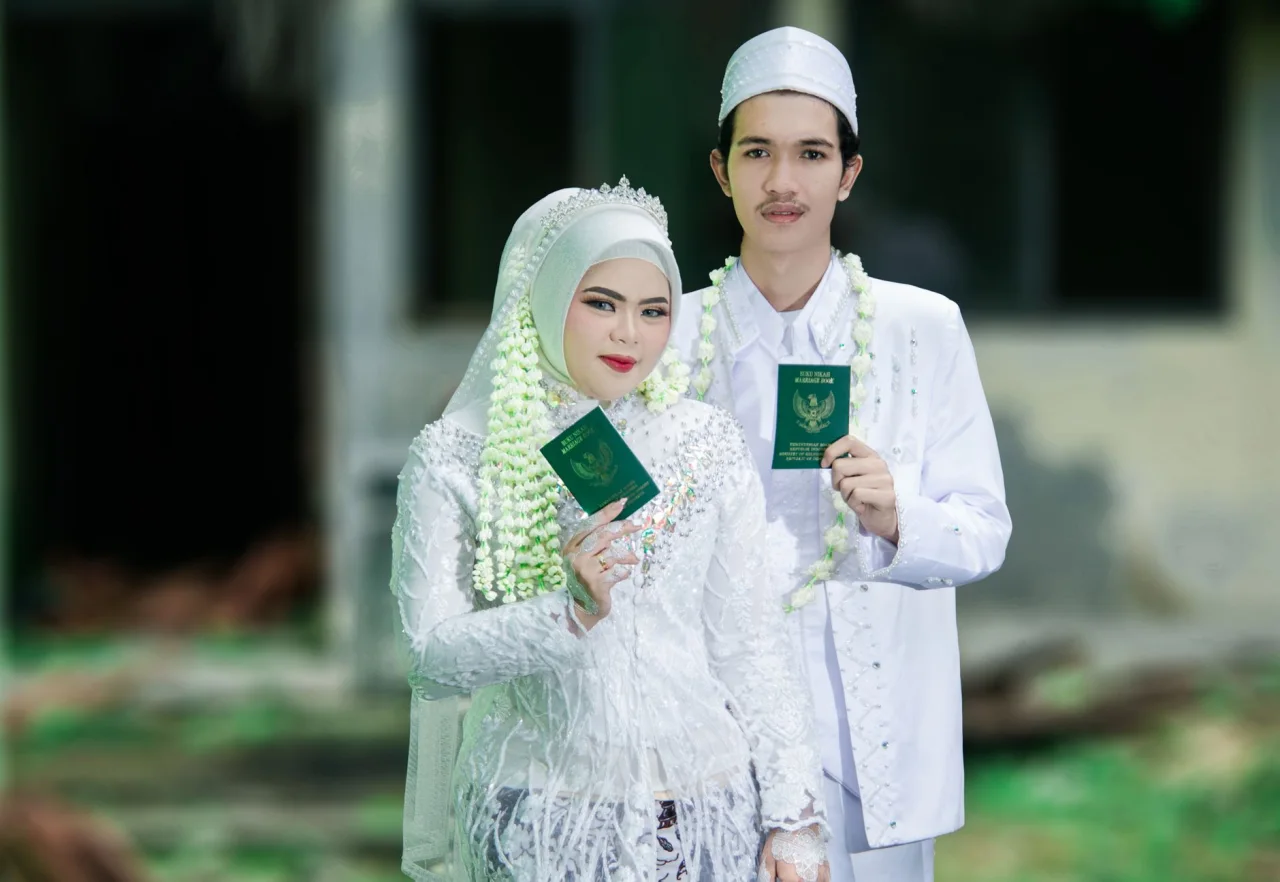
The nikah is the heart of the wedding, the moment the marriage contract is signed and witnessed, so the outfit carries a different weight from the party events around it. The mood is elegant, graceful and usually modest, with soft, luminous colours over loud ones. Here are more than fifteen nikah outfit ideas for 2026, for brides and guests alike, sorted by budget and body type.
The short version
- Nikah leans elegant and modest. Think grace over drama, and coverage that feels comfortable and respectful.
- Soft, luminous palettes lead in 2026: ivory, pistachio, powder blue, blush, champagne and sage.
- The dupatta earns its keep here, both as a style piece and for covering the head during the ceremony.
- Fine handwork like dabka, zari and chikankari reads more nikah-appropriate than heavy mirror or sequin work.
What the nikah asks of your outfit
A nikah is the Islamic marriage contract, where the bride accepts the mahr and the agreement is witnessed and signed in the nikahnama. Because it is the solemn, sacred core of the celebration rather than a party, the dress code tends toward modest elegance: covered arms, a dupatta ready for the head, and refined rather than flashy embellishment. That does not mean plain, it means considered. The most memorable nikah looks trade sparkle for beautiful fabric, clean tailoring and one or two fine details, so the eye rests on the person rather than the embellishment. If you want the etiquette spelled out, our complete nikah outfit guide is the companion to this roundup.
It also helps to think about where the nikah sits in your wedding week. Because the barat and walima usually bring the boldest colours and the heaviest work, the nikah is the natural place for restraint: a soft palette, a graceful silhouette and refined handwork that photographs well up close, since a nikah is often shot in tighter, more intimate frames than a big reception stage.
The 2026 nikah colour story
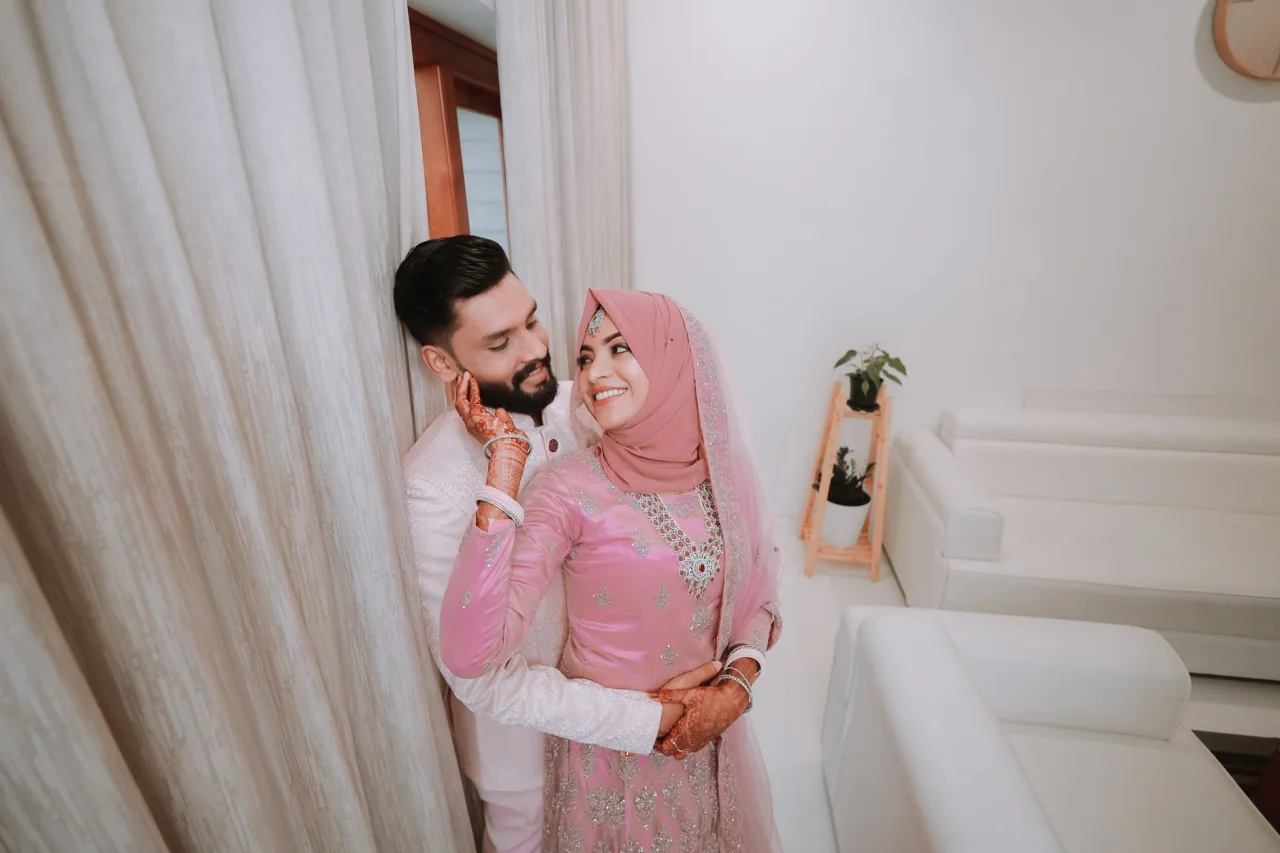
Nikah palettes have moved firmly toward soft, light-catching shades that photograph beautifully in daytime and candlelight alike:
- Ivory, champagne and pearl for a timeless, almost bridal-neutral look.
- Pistachio, sage and mint, the standout greens of recent seasons.
- Powder blue and lilac for a cool, modern nikah.
- Blush, rose and dusty pink for warmth without heaviness.
Deep bridal red is more commonly saved for the barat, so many brides keep the nikah soft and step into stronger colour later. For the reception end of that arc, see our walima dress ideas.
Budget-friendly nikah looks
An elegant nikah look does not have to be expensive. Fine fabric and restrained work go a long way.
- Ivory chikankari kurta set with a soft dupatta. Understated, breathable and quietly luxurious. Learn to spot quality in our chikankari guide.
- Powder-blue lawn suit with pearl detailing. A ready-to-wear formal that looks far pricier than it is.
- Blush straight suit with a light dupatta. Clean lines that flatter almost everyone.
- Sage kurta with tilla borders. On-trend colour, minimal work, easy to wear.
- Champagne cotton-net anarkali. Flowy and graceful without a big price tag.
Mid-range and boutique nikah looks
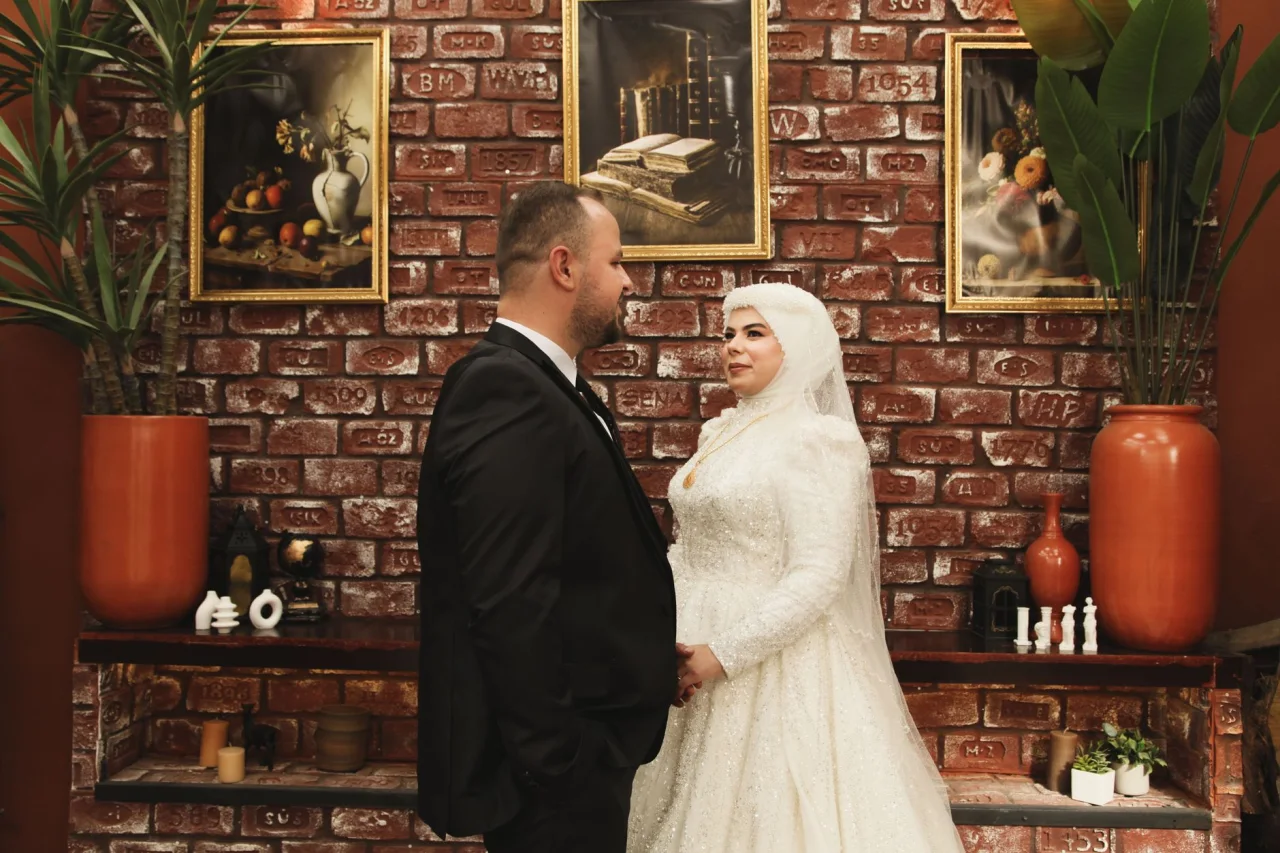
This tier brings richer fabric and finer handwork while keeping the modest, refined mood.
- Pistachio organza suit with dabka work. Luminous and elegant; read up on dabka to judge the finish.
- Ivory farshi shalwar with a worked dupatta. A regal, heritage silhouette that suits a formal nikah. See our farshi shalwar designs.
- Powder-blue anarkali with zari borders. Timeless and forgiving. More cuts in our anarkali suit designs.
- Champagne gharara with fine thread work. Festive yet restrained.
- Dusty-rose raw-silk kurta set. Structured, matte and photogenic.
Styling note
Choose a dupatta you can actually drape over your head with one hand. For the nikah moment, many brides and guests cover their hair, so a dupatta that is too slippery or too stiff becomes a struggle in front of the camera. A soft net, organza or silk-chiffon drapes best.
Statement and designer-level nikah looks
For brides who want the nikah to feel like a defining moment, these carry more grandeur while staying graceful.
- Ivory lehenga with delicate all-over dabka. Soft, bridal and endlessly elegant.
- Champagne farshi shalwar with heavy borders. Old-world nawabi drama for a formal nikah.
- Pastel-pink anarkali gown with a long trail. Modest coverage with a red-carpet sweep.
- Sage silk gharara with fine zari. A refined take on festive.
- Pearl-white angrakha set with tilla. The wrap silhouette flatters and covers beautifully.
- Ivory Banarasi-panel suit. A touch of woven Banarasi brocade adds heritage richness without loud embellishment.
Flattering nikah picks by body type
- Petite: straight suits, shorter anarkalis and vertical borders keep the frame elongated.
- Tall: lean into farshi shalwar, floor-length anarkalis and long trails.
- Curvier builds: A-line anarkalis and angrakha cuts skim gently; a structured dupatta adds shape.
- Broad shoulders: softer necklines and a diagonally draped dupatta balance the top half.
Fabrics and finishing touches
For a nikah, fabric quality does more than embellishment. Prioritise drape and finish:
- Best picks: organza, silk-chiffon, net, raw silk and fine cotton-net, all of which drape elegantly.
- Jewellery: polki, kundan or fine gold suits the occasion; a maang tikka and jhumkas feel right for a covered-head look.
- Make-up: soft, luminous and timeless rather than heavy, to match the graceful mood.
If you are weighing sheer fabrics, our primer on organza explains its crispness and care needs. One more detail worth planning is the hair. Because a nikah often involves covering the head, a low bun or soft, secured waves sit neatly under a dupatta and stay tidy through the ceremony and photographs, whereas an elaborate updo can fight the drape. Keep a few extra pins on hand so the dupatta stays exactly where you want it when the cameras come out.
Budget and price expectations
Costs swing widely with fabric, handwork and retailer, so treat these as broad ranges and confirm current pricing:
- High-street and ready-to-wear formals: roughly PKR 8,000 to 25,000.
- Boutique and semi-formal: roughly PKR 25,000 to 80,000.
- Designer and bridal-level: PKR 120,000 and upward, driven mostly by hand embroidery.
Because the nikah outfit is usually lighter than a full barat or walima piece, it is often the best value in the whole wedding wardrobe: a beautifully cut suit or anarkali in a fine fabric can look every bit as luxurious as a heavier piece for a fraction of the embroidery cost. Renting a designer nikah look is also increasingly common and worth considering.
Groom's nikah looks
The groom's nikah outfit follows the same graceful, dignified brief as the bride's. A sherwani, an achkan or a well-tailored kurta with a waistcoat all suit the occasion, usually in ivory, cream, beige or soft neutrals that photograph beautifully against a bride in pastels. Richer tones like deep green, wine or navy are more often saved for the barat or walima, so many grooms keep the nikah light and step into stronger colour later.
Fabric and fit matter more than heavy embellishment here. A clean, well-cut sherwani in raw silk or a fine cotton-silk, finished with a matching stole and a simple kalgi or brooch, reads far better than an over-worked outfit. Comfortable footwear such as khussas or mojaris completes the look and holds up through a ceremony that involves plenty of sitting and greeting guests.
Common nikah outfit mistakes to avoid
- A dupatta you cannot drape. A stiff or slippery dupatta becomes a struggle at the exact moment you need to cover your head.
- Over-embellishment. Heavy mirror or sequin work can overwhelm the graceful, sacred mood of the ceremony.
- Guests in bridal red. It risks competing with the bride; soft, elegant colours are the safer courtesy.
- Ignoring the setting. A mosque nikah usually calls for more coverage than a home ceremony, so match the host family.
- Uncomfortable shoes. A nikah involves sitting and rising repeatedly, so save the sky-high heels for the walima stage.
Frequently asked questions
What colour should a bride wear for her nikah?
There is no fixed rule, but soft, luminous shades are the modern favourite: ivory, champagne, pistachio, powder blue and blush. Many brides keep deep red for the barat and choose a lighter, graceful colour for the nikah itself.
Does a nikah outfit need to be modest?
The nikah is the sacred, contractual core of the wedding, so most families expect a modest, elegant look: covered arms and a dupatta ready to drape over the head during the ceremony. Refined handwork suits the mood better than heavy sparkle.
What can guests wear to a nikah?
Elegant, semi-formal to formal outfits in soft colours work well: an anarkali, a farshi shalwar, a gharara or a well-cut suit. Keep a dupatta handy for the ceremony, and avoid outshining the bride with a heavily bridal red look.
Which fabrics work best for a nikah?
Fabrics that drape gracefully, such as organza, silk-chiffon, net, raw silk and fine cotton-net. They photograph beautifully and make head-covering easier than stiff or slippery materials.
How is a nikah outfit different from a walima dress?
The nikah look is graceful and modest in soft colours, while the walima is the glamorous reception where richer colours, heavier embroidery and gowns or lehengas come into play. Planning both together helps you vary colour and silhouette across the week.
More on Wedding & Occasion Fashion
Have a question or a topic to suggest?
We read every message. Tell us what you would like to see next in the journal.
Get in touch