What Is Chikankari?
The Lucknow hand embroidery explained: origins, key stitches, its fabrics, and how to spot genuine handwork.
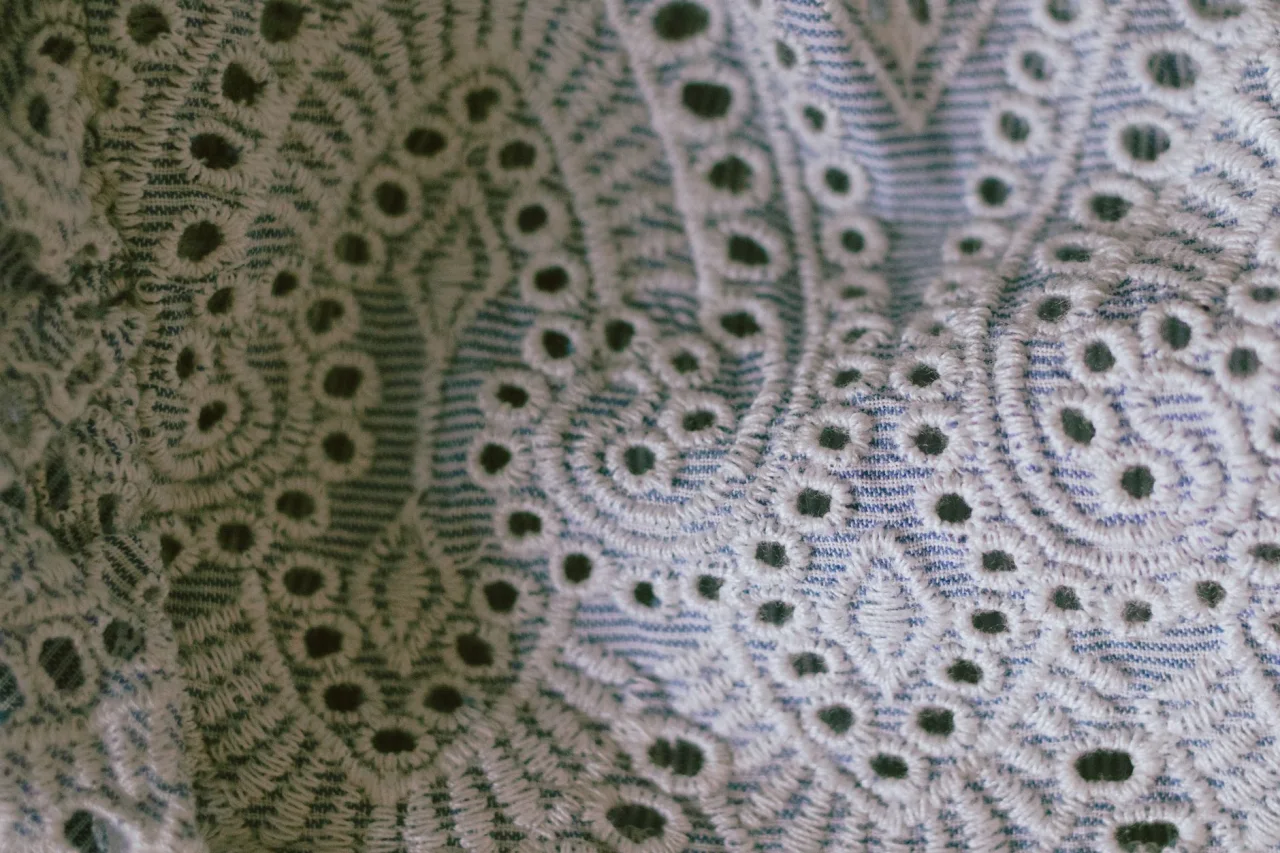
Chikankari is the airy, white on white hand embroidery that makes a summer kurta look quietly expensive. It is one of South Asia's most loved needlecrafts, built from dozens of delicate stitches that read like shadow and lace on fine cloth. This guide explains where it comes from, how it is made, the garments it lives on, and the practical ways to tell genuine handwork from a printed or machine made imitation.
The short version
- Chikankari is a traditional hand embroidery from Lucknow, India, that began as white thread on white cloth.
- It uses a family of stitches, including tepchi, bakhia shadow work, murri, phanda and jaali openwork.
- It sits best on light, sheer fabrics such as cotton, muslin, georgette, chiffon and organza.
- Genuine handwork shows small irregularities and a neat, meaningful reverse; flat, perfectly repeating motifs suggest print or machine.
What chikankari is
Chikankari, also written chikan work, is a traditional embroidery style from Lucknow in northern India. It began as a type of whitework, white untwisted thread stitched onto a soft white or pastel cloth, prized for its subtlety and its coolness in hot weather. Rather than a single stitch, it is a whole vocabulary of stitches worked by hand to build flowers, vines, paisleys and fine net effects. Lucknow remains the heart of the craft, and its version, known as Lucknawi chikan, received Geographical Indication status in 2008, formally recognising the city as the home of the work.
A short history
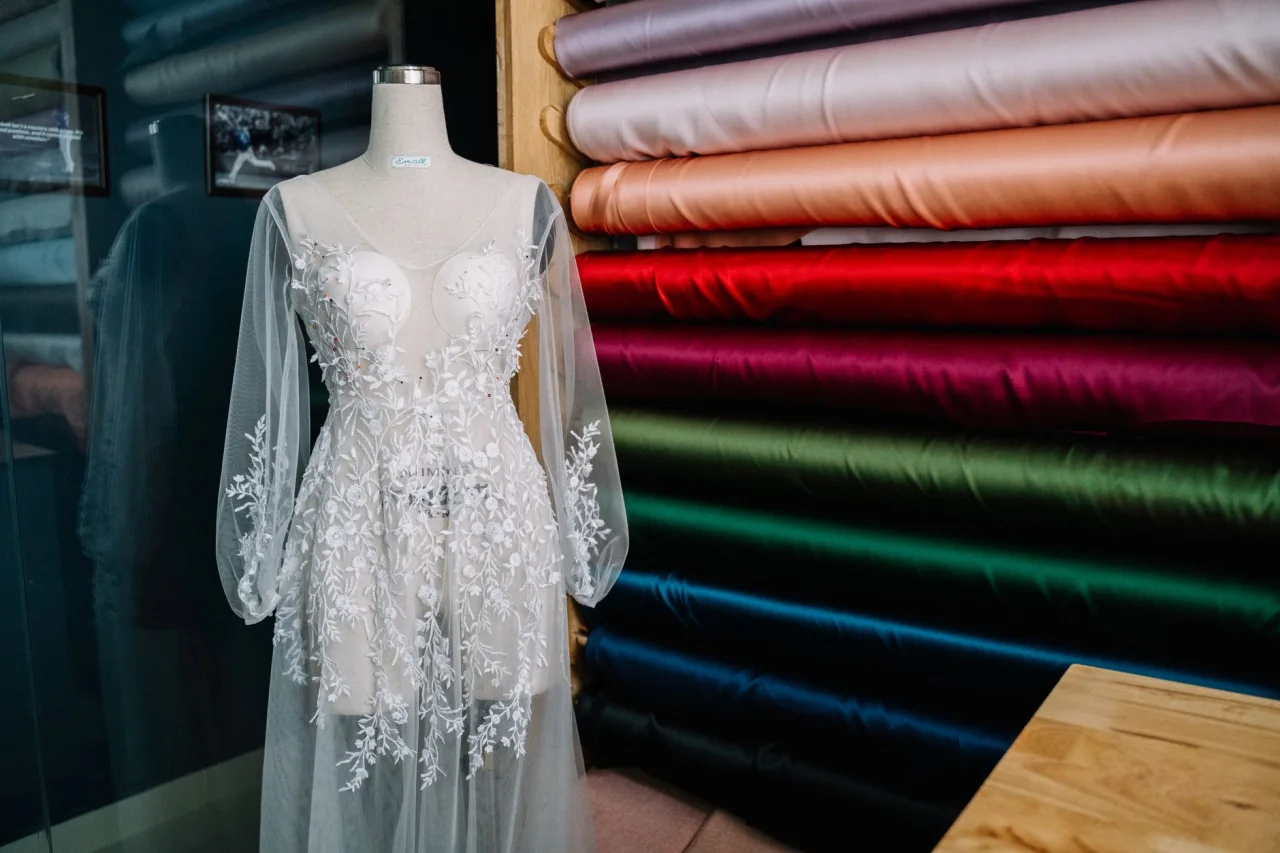
The most widely repeated origin story credits the introduction of chikankari to Nur Jahan, the Mughal empress and wife of the emperor Jahangir, placing its refinement in the Mughal courts. Over centuries it settled in and around Lucknow, where families of artisans developed and passed down the stitches. The craft's identity as delicate white on white embroidery on fine muslins is tied to that courtly, warm climate heritage, and while colours and coloured grounds are common today, the classic white on white remains its signature.
Chikankari is one of several embroidery traditions you will meet across South Asian fashion; our overview of the different types of embroidery in Pakistani fashion puts it in context alongside metallic and mirror work.
How it is made
Authentic chikankari follows a clear sequence, and understanding it helps you judge quality.
- Design and block printing. The pattern is first block printed onto the cloth in a washable ink using carved wooden blocks, giving the embroiderer a guide to follow.
- Embroidery. Artisans hand stitch over the printed lines using the chikankari stitch family. A single fine piece can pass through several hands and take considerable time.
- Washing and finishing. The finished cloth is carefully washed to remove all traces of the printed guide, leaving only the embroidery, then starched and pressed.
Because the printed guide is meant to wash away, a genuine finished piece shows no leftover blue or grey outline around the motifs. Faint printed lines still visible under the thread are a warning sign.
The key stitches
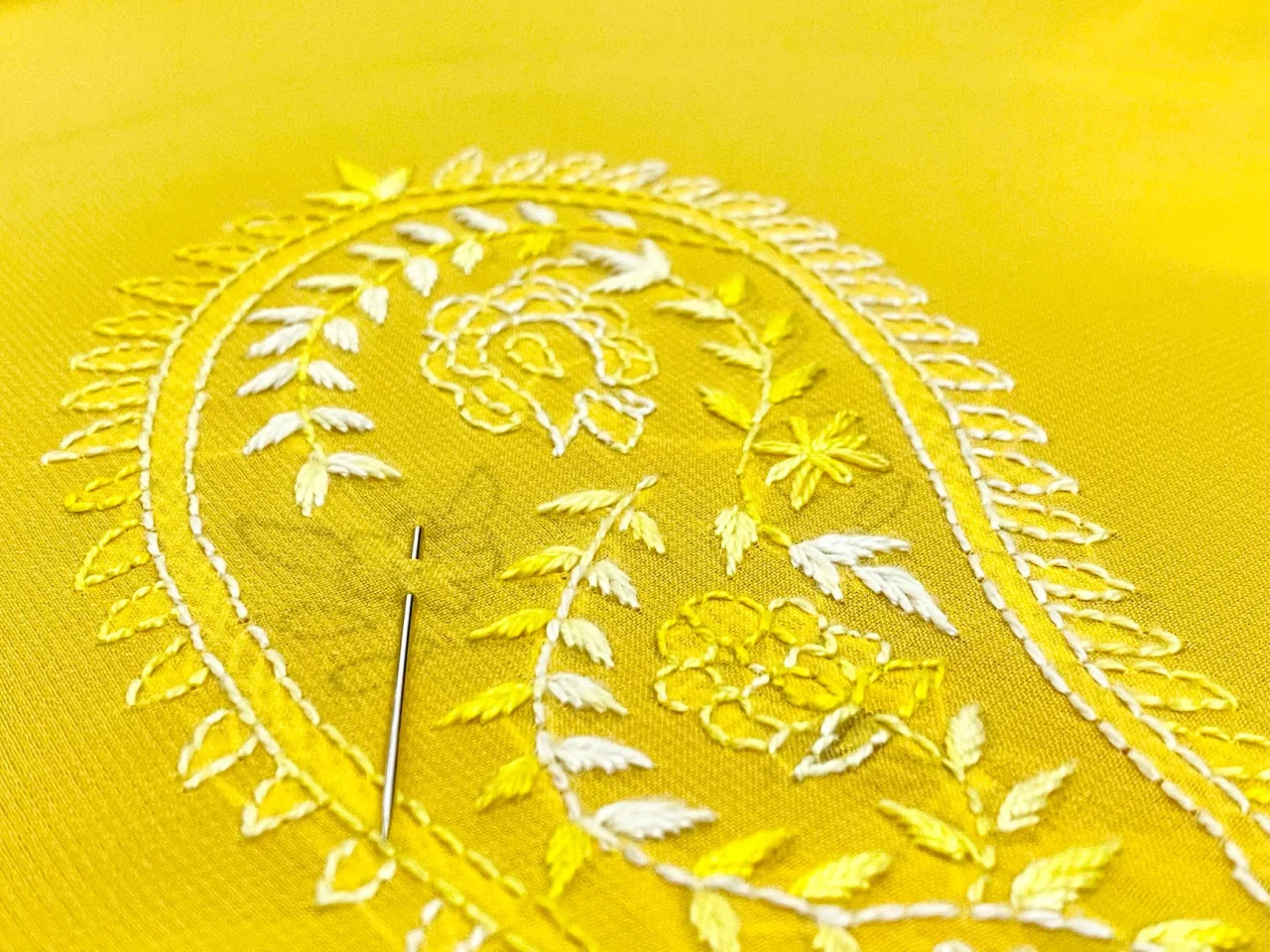
Chikankari is traditionally described as a large family of stitches. A few you will see named again and again:
- Tepchi: a running or darning stitch that forms fine lines and often serves as the foundation for further work.
- Bakhia: the famous shadow work, stitched on the reverse of the cloth so the thread shows as a soft shadow through sheer fabric on the front.
- Murri: tiny rice shaped knots, among the oldest and most prized forms, used to fill flower centres.
- Phanda: small round knots, finer than murri, used for delicate detailing.
- Jaali: a net or lattice effect made by teasing the threads of the cloth apart with the needle rather than piercing through, creating tiny regular holes without cutting the fabric.
The jaali in particular is a good marker of skill, because true jaali is worked by separating warp and weft threads, not by cutting, so the openwork looks even and the cloth stays strong.
Styling note
Chikankari shines when the fabric is left to speak. A white or pastel chikankari kurta over slim trousers, with minimal jewellery, keeps the focus on the texture. Because the work reads as tonal rather than flashy, it moves easily from daytime to smart occasions, especially on breathable summer cloth.
The fabrics it lives on
Chikankari needs a cloth fine enough for the needle to pass through easily and sheer enough to show shadow work on both sides. Classic grounds include cotton, muslin and chanderi, while modern pieces also use georgette, chiffon, viscose, silk, organza and net. Lighter, sheerer grounds flatter the shadow and jaali effects most, which is why fine cotton and muslin remain favourites for summer. It appears most often on kurtas and kurtis, saris, dupattas and unstitched suit fabric.
Since so much chikankari is stitched on fine cotton and lawn, it pairs naturally with the fabrics in our lawn suit guide for a cool, elegant summer look.
How to spot quality and genuine handwork
Telling real hand chikankari from a printed or machine embroidered imitation comes down to a few checks.
- Look at the reverse. Hand chikankari has a neat, purposeful back where you can read the shadow work and knots. Machine embroidery often shows a dense, uniform grid of thread and jump stitches, and a print has no back thread at all.
- Look for gentle irregularity. Handwork has tiny natural variations in stitch size and spacing. Motifs that repeat with mechanical perfection point to machine or print.
- Check the jaali. Real jaali is even openwork made by parting threads; cut or glued holes, or a printed lattice, are imitations.
- No leftover print. There should be no visible block printed outline under the thread once the piece is finished and washed.
- Feel the hand. Genuine work on fine cloth feels soft and supple; a stiff, plasticky back can indicate heavy machine backing.
These same instincts apply across embroidery types; our guide to hand vs machine embroidery goes deeper into the tells, and if you like this tonal thread style you may also enjoy learning about coloured thread embroidery and the metallic tradition of zari work.
Caring for chikankari
Because it is fine handwork on delicate cloth, chikankari rewards gentle care. Hand wash or use a delicate cycle with mild detergent, avoid wringing, and dry in shade to protect white grounds from yellowing. Press on the reverse or with a cloth between iron and fabric so the raised knots are not flattened. Store folded with a little space rather than crushed, and keep it away from rough surfaces and jewellery that can snag the jaali.
Frequently asked questions
Where does chikankari come from?
Chikankari is a traditional embroidery from Lucknow in northern India. The most popular origin story credits its introduction to the Mughal empress Nur Jahan, and it developed over centuries in and around Lucknow, whose version, Lucknawi chikan, holds Geographical Indication status recognising the city as the home of the craft.
What fabric is best for chikankari?
Fine, lightweight and slightly sheer fabrics work best because the needle must pass through easily and shadow work needs to show on both sides. Cotton, muslin and chanderi are classic choices, while georgette, chiffon, silk, organza and net are also used. Fine cotton and muslin are especially popular for cool summer wear.
How can I tell if chikankari is handmade?
Check the reverse for neat, meaningful stitching rather than a uniform machine grid or no back thread at all. Look for small natural irregularities in the stitches, even jaali openwork made by parting threads rather than cutting, and no leftover printed outline under the embroidery. Handwork on fine cloth also feels soft rather than stiff.
Is white on white the only kind of chikankari?
No. White thread on white or pastel cloth is the classic and signature form, but chikankari is now worked in many colours and on coloured grounds, and it is sometimes combined with other embellishments. The defining feature is the hand worked stitch family, not the colour.
Is machine chikankari worth buying?
Machine made pieces are cheaper and more uniform and can be fine for casual everyday wear, but they lack the depth, softness and subtle variation of genuine handwork. If you want the true craft, look for the quality signs above and expect to pay more. Prices vary widely by fabric, density of work and retailer, so confirm current pricing.
More on Embroidery
Have a question or a topic to suggest?
We read every message. Tell us what you would like to see next in the journal.
Get in touch