Chikankari Kurti Designs for 2026
Quality markers, price ranges, and the occasions each design suits.
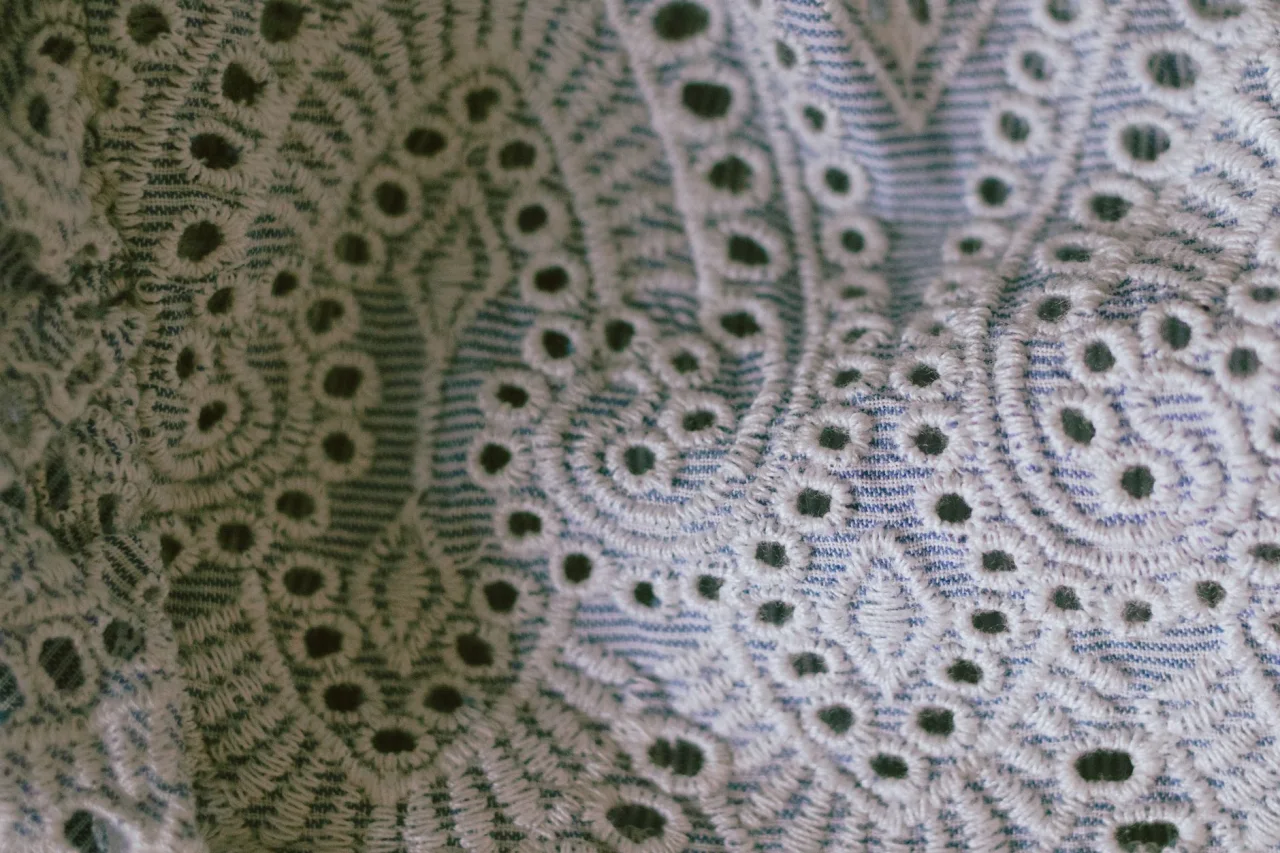
A good chikankari kurti is the quiet flex of a summer wardrobe: white-on-white shadow work that reads expensive without a single loud print. In 2026 the styles worth your money are the ones where the handwork, the fabric and the cut all pull their weight. This shoppable roundup walks through the kurti designs actually worth buying, the quality markers to check, and the price and occasion each one suits.
The short version
- Chikankari is a traditional hand embroidery from Lucknow, so genuine handwork, not a printed imitation, is what makes a kurti worth the price.
- The best 2026 kurti designs span classic white-on-white, pastel and coloured grounds, and modern fusion cuts for jeans and trousers.
- Judge quality by the reverse of the work, the evenness of the jaali, and the absence of leftover printed guide lines.
- Prices vary widely by fabric, density of work and seller, so treat ranges as brackets and confirm current pricing before buying.
What makes a chikankari kurti worth buying
Chikankari is a traditional hand embroidery from Lucknow, India, that began as white untwisted thread on fine white cloth and grew into a whole family of stitches, tepchi lines, bakhia shadow work, murri and phanda knots, and delicate jaali openwork. On a kurti, that handwork is the entire value proposition. A printed lookalike costs a fraction and looks flat next to the real thing, so knowing you are buying genuine work is the difference between a piece that feels special for years and one that disappoints after a wash.
If you want the full background before you shop, our guide to chikankari history, technique and how to spot quality covers the craft in depth, and this roundup focuses on turning that knowledge into a smart purchase.
Quality markers to check before you buy
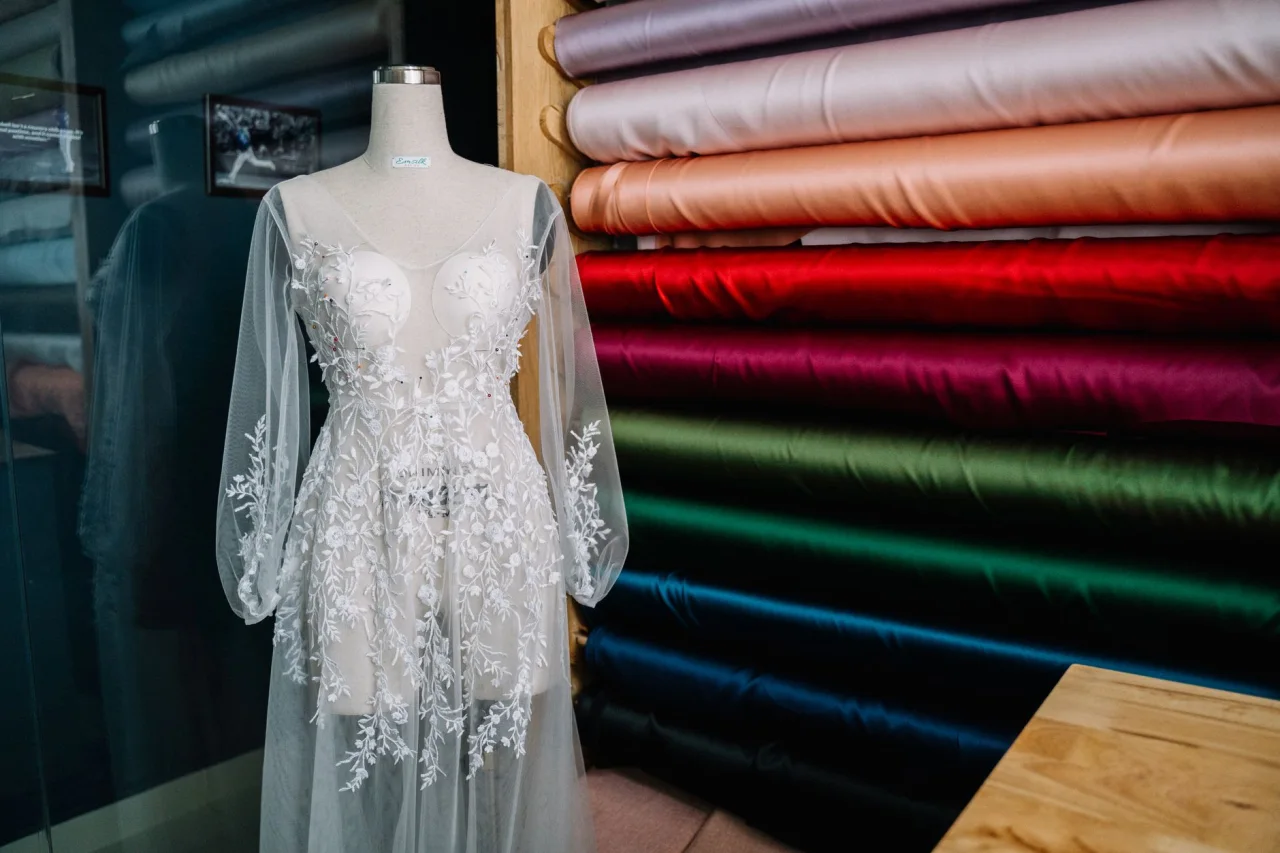
Because the price gap between real and fake is so wide, run these checks on any kurti before paying.
- Look at the reverse. Genuine handwork has a neat, purposeful back where the shadow work and knots are readable. A uniform machine grid or no back thread at all points to machine work or print.
- Check the jaali. True jaali openwork is made by teasing the cloth threads apart, not by cutting, so the little holes look even and the fabric stays strong. Cut or printed lattice is an imitation.
- Find gentle irregularity. Handwork has tiny natural variations in stitch size. Mechanically perfect repeats suggest machine or print.
- No leftover print. The block-printed guide should wash away, so there should be no blue or grey outline under the thread.
- Feel the hand. Real work on fine cloth feels soft and supple, not stiff and plasticky.
Our guide to hand versus machine embroidery goes deeper into these tells if you want to shop with real confidence.
Chikankari kurti designs worth buying in 2026
These are the styles delivering the best mix of craft, wearability and value this year. Each suits a different taste and occasion.
- Classic white-on-white kurti: the signature form, tonal shadow work on white cotton or muslin. It is the most versatile piece you can own and reads effortlessly elegant.
- Pastel-ground kurti: the same white or self-tone thread on soft mint, powder blue, blush or lilac cloth, a little dressier than pure white and just as easy to wear.
- Coloured-ground with contrast thread: deeper grounds with tonal or contrast embroidery, better for evening and festive daywear.
- Short fusion kurti for jeans: a hip-length cut designed to pair with denim or slim trousers, the everyday workhorse of the list.
- Straight long kurti: a knee-length or longer tunic with placed work on the yoke and hem, smart enough for the office.
- Sheer georgette or organza kurti: a dressier layered piece where the shadow work shows through, best for occasions.
- Angrakha-style chikankari kurti: a wrap front that frames the embroidery beautifully and feels a touch more special.
Styling note
Chikankari shines when the fabric is left to speak. Keep jewellery minimal, let one white or pastel kurti carry the outfit over slim trousers or jeans, and the tonal texture does the rest. For more looks, see our kurti styling guide.
Fabrics and which season each suits
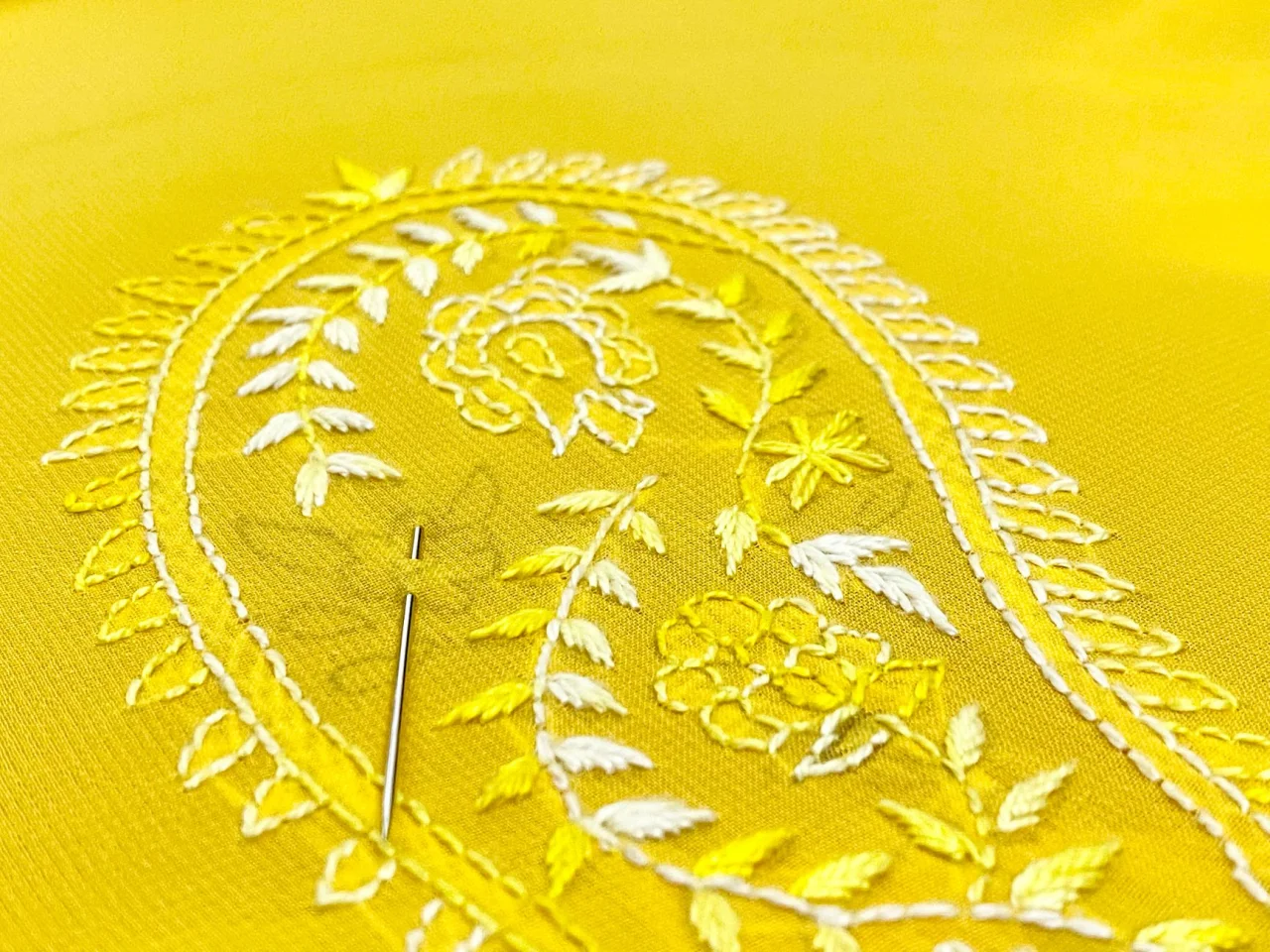
Chikankari needs a cloth fine enough for the needle and, for shadow work, sheer enough to show the stitch on both sides. That shapes which kurti suits which season.
- Cotton and muslin: the coolest and most classic grounds. Fine muslin, historically the subcontinent's most prized fine cotton, flatters the shadow and jaali effects and is ideal for peak summer.
- Cotton lawn: crisp, light and breathable, a natural match for hot afternoons and daily wear.
- Georgette and chiffon: more drape and a dressier feel, good for evening and transitional weather.
- Silk and organza: the most formal grounds, with body and sheen for occasions.
Since so much chikankari lives on fine cotton, it pairs naturally with the best fabrics for Pakistani summers. For sizing and cut, our kurti fit, fabric and price guide helps you get the length and shape right.
Price ranges and the occasions they suit
Chikankari kurti prices track three things: the fabric, how dense and fine the handwork is, and whether it is genuine hand or machine work. As broad brackets, and with the reminder that prices vary a great deal by fabric, density of work and seller, so confirm current pricing:
- Entry: lightly worked cotton kurtis with simpler, more spaced embroidery, or machine-made pieces for casual everyday wear.
- Mid-range: genuine hand chikankari on cotton or muslin with fuller motifs and some jaali, the sweet spot for quality and price.
- Premium: densely worked pieces with fine murri, phanda and extensive jaali, often on georgette, silk or organza, suited to occasions.
Match the tier to the moment: a mid-range cotton kurti covers daily and office wear, while a densely worked sheer piece earns its price at festive and evening events. If you love the craft across garments, our roundups of the chikankari suit designs and chikankari lehenga designs extend the same buying logic to a full suit and to occasion wear.
Where to buy and how to pick a seller
The most reliable chikankari still comes from Lucknow, whose Lucknawi chikan holds Geographical Indication status recognising the city as the home of the craft. Rather than trusting any single label's marketing, buy on evidence: choose sellers who show clear close-up and reverse-side photos, describe the fabric and the type of work, and are transparent about whether a piece is hand or machine made. A trustworthy seller will happily confirm handwork; vague listings with only front-facing, low-resolution images are a warning sign.
For safe online buying, including sizing, returns and fabric checks, our guide to shopping Pakistani dresses online without regrets is worth a read before you check out.
Caring for a chikankari kurti
Fine handwork on delicate cloth rewards gentle care. Hand wash or use a delicate cycle with mild detergent, avoid wringing, and dry in shade so white grounds do not yellow. Press on the reverse or with a cloth between iron and fabric so the raised knots are not flattened, and store folded with a little space rather than crushed. Keep the piece away from rough surfaces and jewellery that can snag the jaali, and a well-kept chikankari kurti will stay beautiful for many seasons.
Frequently asked questions
How can I tell if a chikankari kurti is handmade?
Check the reverse for neat, meaningful stitching rather than a uniform machine grid or no back thread, look for even jaali made by parting threads rather than cutting, and confirm there is no leftover printed outline under the embroidery. Small natural irregularities in the stitches and a soft rather than stiff hand also point to genuine handwork.
What fabric is best for a chikankari kurti?
Fine, lightweight and slightly sheer fabrics work best. Cotton and muslin are the coolest and most classic for summer, cotton lawn is great for daily wear, and georgette, chiffon, silk or organza give a dressier drape for occasions. Choose the ground to match your season and how formal you want the kurti to be.
How much does a chikankari kurti cost?
Lightly worked cotton and machine pieces sit at the entry end, genuine hand chikankari on cotton or muslin is mid-range, and densely worked pieces on georgette, silk or organza are premium. Prices vary widely by fabric, density of work and seller, so treat these as brackets and confirm current pricing before buying.
Can I wear a chikankari kurti to the office or a wedding?
Yes to both, with the right piece. A straight cotton or muslin kurti with placed work is smart for the office, while a densely worked sheer georgette, silk or organza kurti suits festive and evening events. The versatility across occasions is a big part of why chikankari is worth buying.
Is machine chikankari worth buying?
Machine pieces are cheaper and more uniform and can be fine for casual everyday wear, but they lack the depth, softness and subtle variation of genuine handwork. If you want the true craft that makes chikankari special, look for the quality signs above and expect to pay more, with prices varying by fabric and work.
More on Embroidery
Have a question or a topic to suggest?
We read every message. Tell us what you would like to see next in the journal.
Get in touch