How to Style a Kurti: Every Occasion
Casual, office, festive and wedding kurti outfits, with bottoms, footwear, jewellery and dupatta pairings.
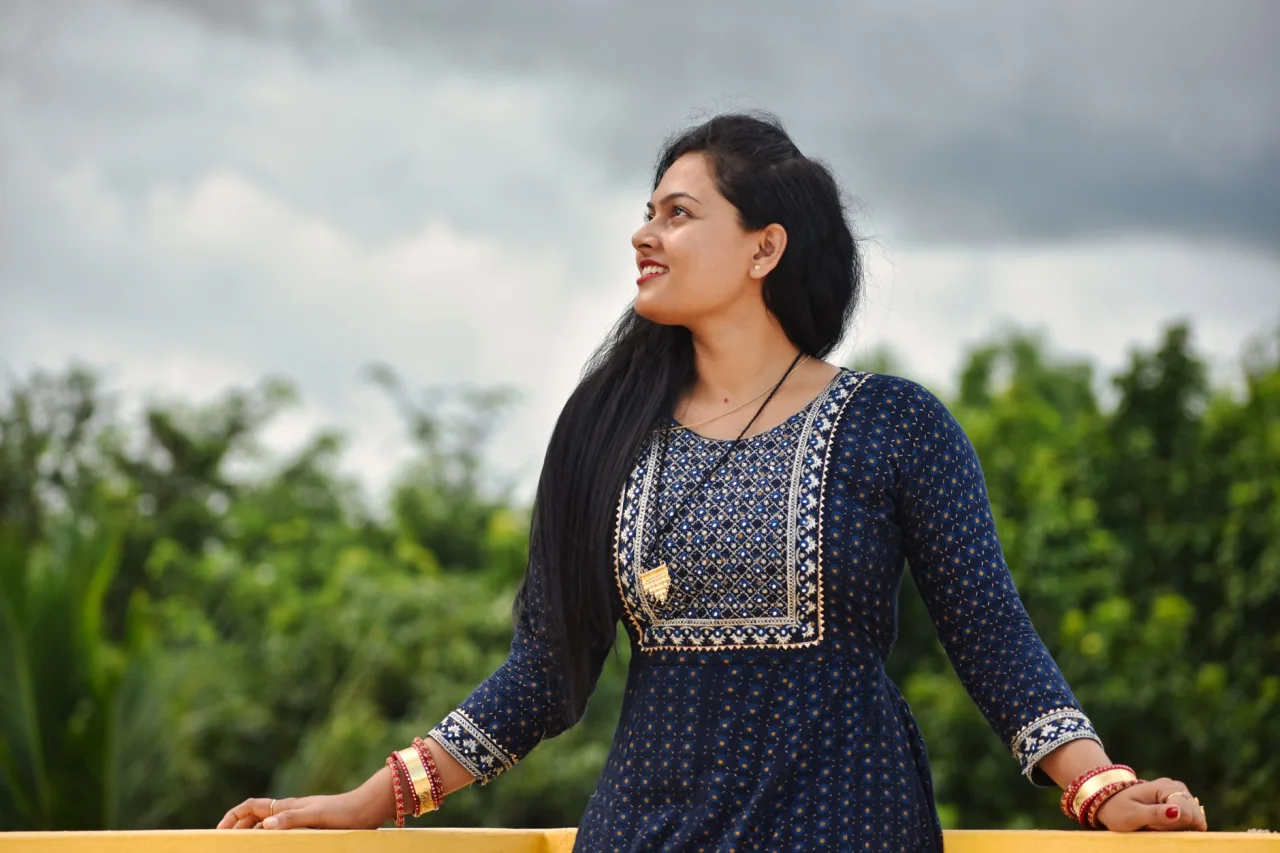
The kurti is one of the most versatile pieces you can own, but the styling makes or breaks the look. The same tunic can read casual with jeans, polished for the office or festive with the right dupatta and jewellery. This guide walks through complete outfits for every occasion, so you can build them from what you already have.
The short version
- Match the bottom to the mood: jeans for casual, slim trousers for office, palazzos and churidars for festive.
- Let one element lead. A busy kurti wants quiet accessories, and a plain one welcomes a statement piece.
- Footwear sets the register, from flats and sneakers to juttis and heels.
- A dupatta is the fastest way to turn a simple kurti into a festive three-piece look.
The building blocks of a kurti outfit
Every kurti look is made of four layers of decision: the bottom, the drape, the footwear and the jewellery. Get these working together and the outfit feels intentional. The kurti itself is the anchor, and its length, cut and surface work tell you how far to push each of the other three. If you are still getting to know the garment, our guide to what a kurti is covers the silhouettes referenced below.
A useful habit is to decide the occasion first, then the fabric, then the pairing. A cotton kurti pushed toward festive with heavy jewellery can look mismatched, while a georgette kurti dressed down with sneakers can feel off. Keep the fabric and the styling in the same register and you rarely go wrong.
Casual everyday looks
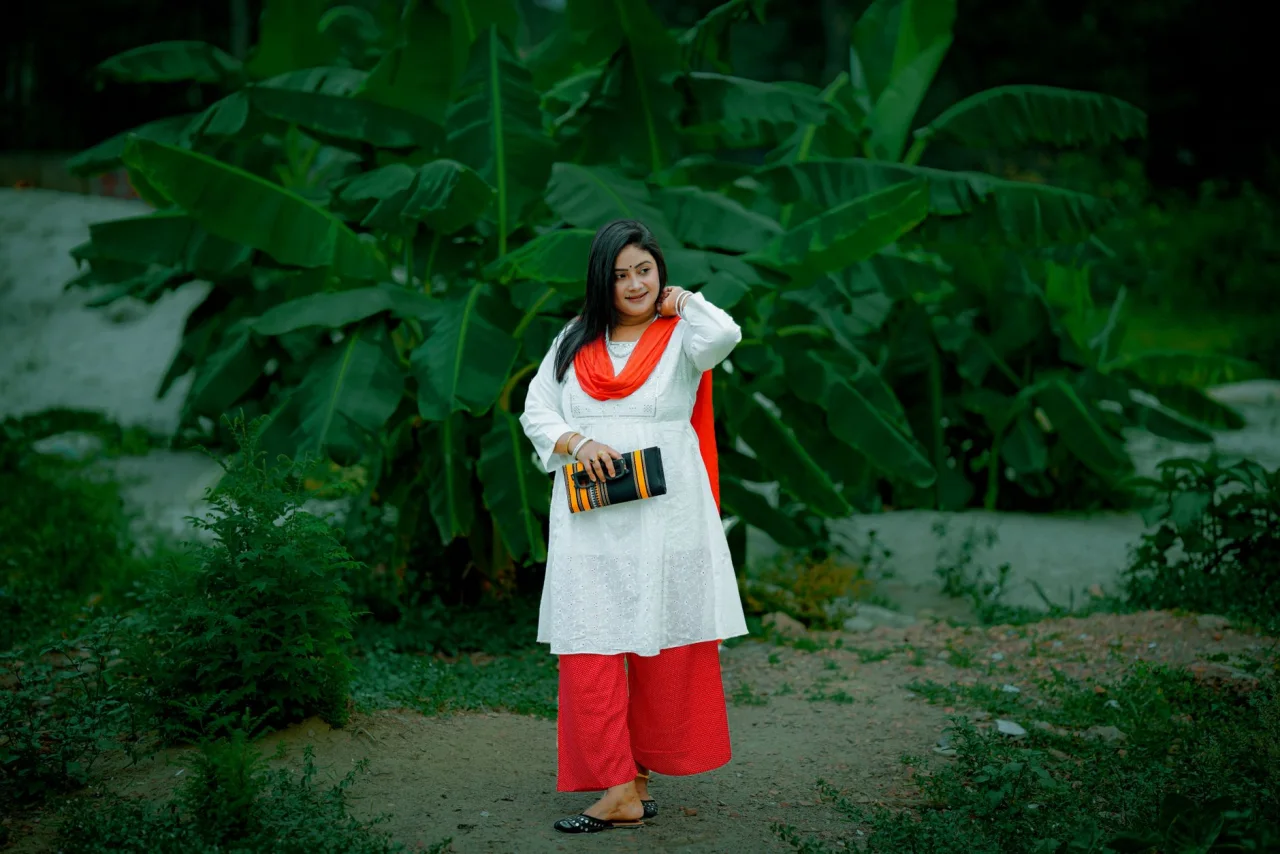
For daily wear, comfort leads. A short cotton or lawn kurti with jeans is the classic fusion outfit: relaxed, breathable and quick to put together. Leggings are the other everyday staple, keeping the focus on the kurti and working under almost any length.
- Kurti and jeans: a hip-length straight kurti with slim or straight-leg jeans, finished with flats or white sneakers.
- Kurti and leggings: an A-line kurti over solid leggings, with juttis or sandals for an easy desi-casual feel.
- Kurti and palazzos: a printed kurti with wide palazzos for a breezy, put-together daytime look.
Keep jewellery minimal for daytime: small studs, a slim bangle stack or a watch. The aim is effortless, not overdone.
Office and workwear looks
At work, the kurti reads professional when the lines are clean and the palette is restrained. A structured straight kurti in a solid colour with tailored trousers is the safest, most polished combination. Cotton and linen blends hold their shape and look crisp through the day.
- The tailored column: a straight kurti with cigarette or straight trousers, plus closed flats or block heels.
- The layered look: a plain kurti under a long or short jacket for cooler offices and a more formal register.
- The subtle print: a fine stripe or tonal thread-work kurti that adds interest without distraction.
Styling note: for work, choose a kurti length that sits well when seated and moving. Hip to mid-thigh usually works best, and avoid heavy embroidery or loud sequins that read after-hours rather than office.
Festive and celebration looks
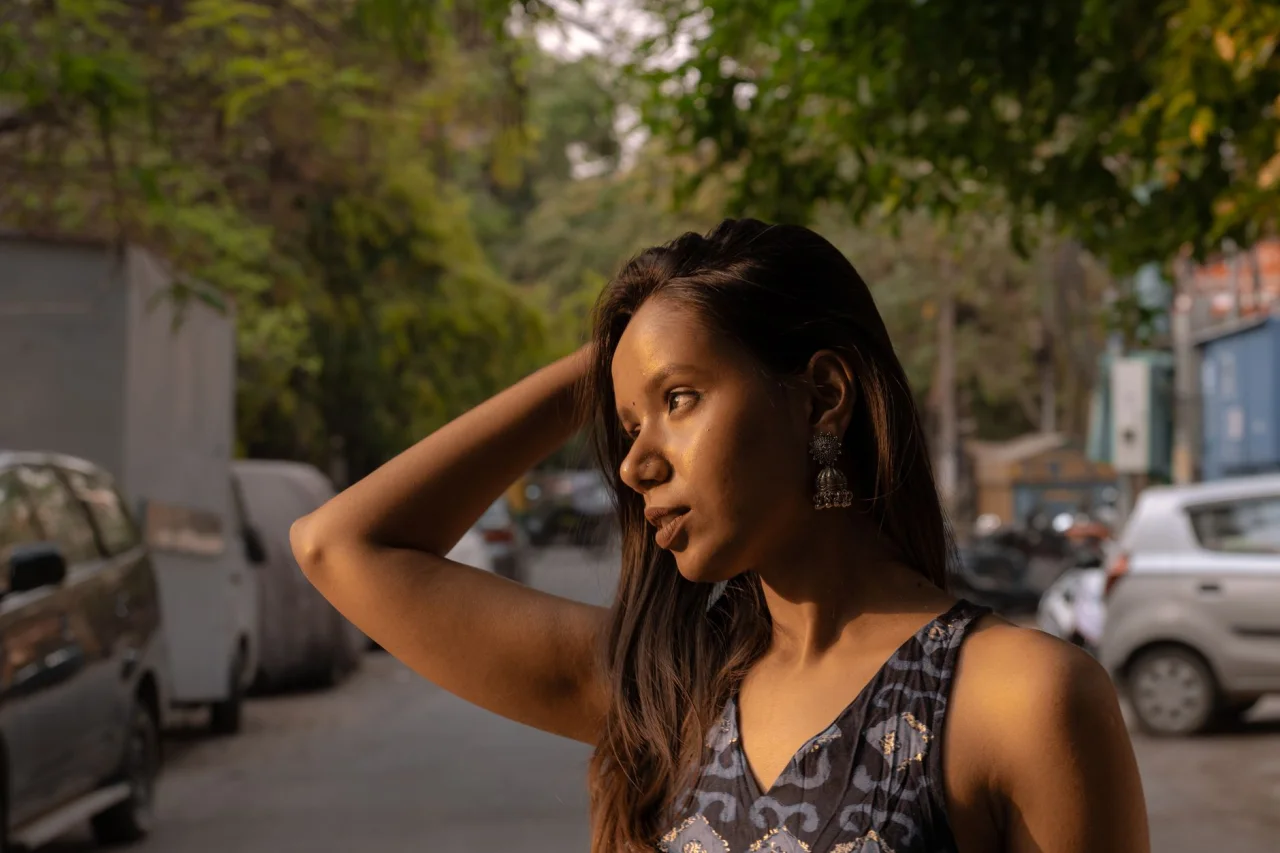
Festivals and parties are the moment to bring in richer fabric, colour and a dupatta. A georgette or chiffon flared kurti, or an Anarkali, immediately lifts the outfit. Pair it with a churidar or a slim legging so the kurti's shape and drape lead. This is also where a coordinated dupatta earns its place, adding volume and a sense of occasion.
- Anarkali kurti with churidar: full flare, fitted bottom, a light dupatta draped over one shoulder.
- Embroidered kurti with palazzos: mirror or thread work up top, a solid flowing bottom below.
- Silk kurti with statement earrings: a plain rich fabric that lets bold jhumkas or chandbalis do the talking.
Footwear can lift here too: juttis, kolhapuris, embellished sandals or heels all work depending on the formality. For fabric guidance on festive pieces, our kurti buying guide explains which cloths drape best for evening events.
Wedding and grand occasion looks
For weddings, the kurti can absolutely hold its own against heavier outfits, especially in the guest and mehndi context. Reach for a heavily embroidered Anarkali kurti, a velvet piece for winter functions, or an organza-layered silhouette. Complete the look with a richly worked dupatta and coordinated jewellery.
The styling logic stays the same: balance the elements. If the kurti carries dense zari or gota work, keep the dupatta lighter and let the jewellery complement rather than compete. Because the kameez and kurti families overlap, you can also draw from full-suit styling. Wikipedia's overview of the shalwar kameez explains how the tunic top pairs with coordinated trousers and dupatta, a template you can borrow for a dressier kurti set.
Accessories that change the whole look
Accessories are the quickest, cheapest way to restyle a kurti you already own. The right additions can move one tunic across three occasions.
- Dupatta: the single biggest lever for formality. A plain kurti plus an embellished dupatta becomes festive instantly.
- Jewellery: studs and a watch for day, jhumkas and bangles for festive, a statement necklace for parties.
- Belt: a slim belt over a longer kurti or an Anarkali defines the waist and adds a modern edge.
- Bag and footwear: a structured bag and heels dress up, while a tote and flats dress down.
For where these silhouettes come from, our guide to the Anarkali suit is a helpful companion, and for pure design inspiration see our roundup of kurti designs.
Styling for body shape and confidence
Good styling flatters the person, not just the trend. A-line and Anarkali cuts add balance for fuller hips, straight cuts create a lean line, and a defined waist with a belt suits those who want more shape. Shorter kurtis with slim bottoms elongate the legs, while longer kurtis offer relaxed coverage. The best outfit is the one you can move and sit in comfortably, because confidence is the real finishing touch.
Tip: build a small capsule. Two plain kurtis, one printed and one embroidered, plus leggings, jeans, palazzos and a couple of dupattas, will cover casual, office and festive with very little effort.
Frequently asked questions
What can I wear with a kurti besides leggings?
Beyond leggings, a kurti pairs well with jeans, palazzos, churidars, straight trousers, cigarette pants and even a skirt. The bottom you choose sets the mood, so jeans read casual, tailored trousers read office, and palazzos or churidars lean festive.
How do I make a plain kurti look festive?
The fastest way is to add an embellished dupatta, statement jewellery such as jhumkas or a bold necklace, and dressier footwear like juttis or heels. Choosing a richer bottom, such as a churidar, and a defined waist with a belt also lifts a plain kurti for celebrations.
Can I wear a kurti to a wedding?
Yes. A heavily embroidered Anarkali kurti, a velvet piece for winter, or an organza-layered silhouette, styled with a worked dupatta and coordinated jewellery, is well suited to wedding functions, especially as a guest or for a mehndi.
What footwear goes best with a kurti?
It depends on the occasion. Flats, sandals and sneakers suit casual daytime looks, block heels and closed flats work for the office, and juttis, kolhapuris, embellished sandals or heels suit festive and formal outfits.
Is a dupatta necessary with a kurti?
No, a dupatta is optional. A kurti works perfectly well on its own for casual and office wear. A dupatta is mainly added to create a fuller, more festive three-piece look for celebrations and formal occasions.
More on Styling Guides
Have a question or a topic to suggest?
We read every message. Tell us what you would like to see next in the journal.
Get in touch