What Is a Kurti? The Complete Guide
The short South Asian tunic explained: origin, silhouettes, fabrics and how it differs from the kurta.
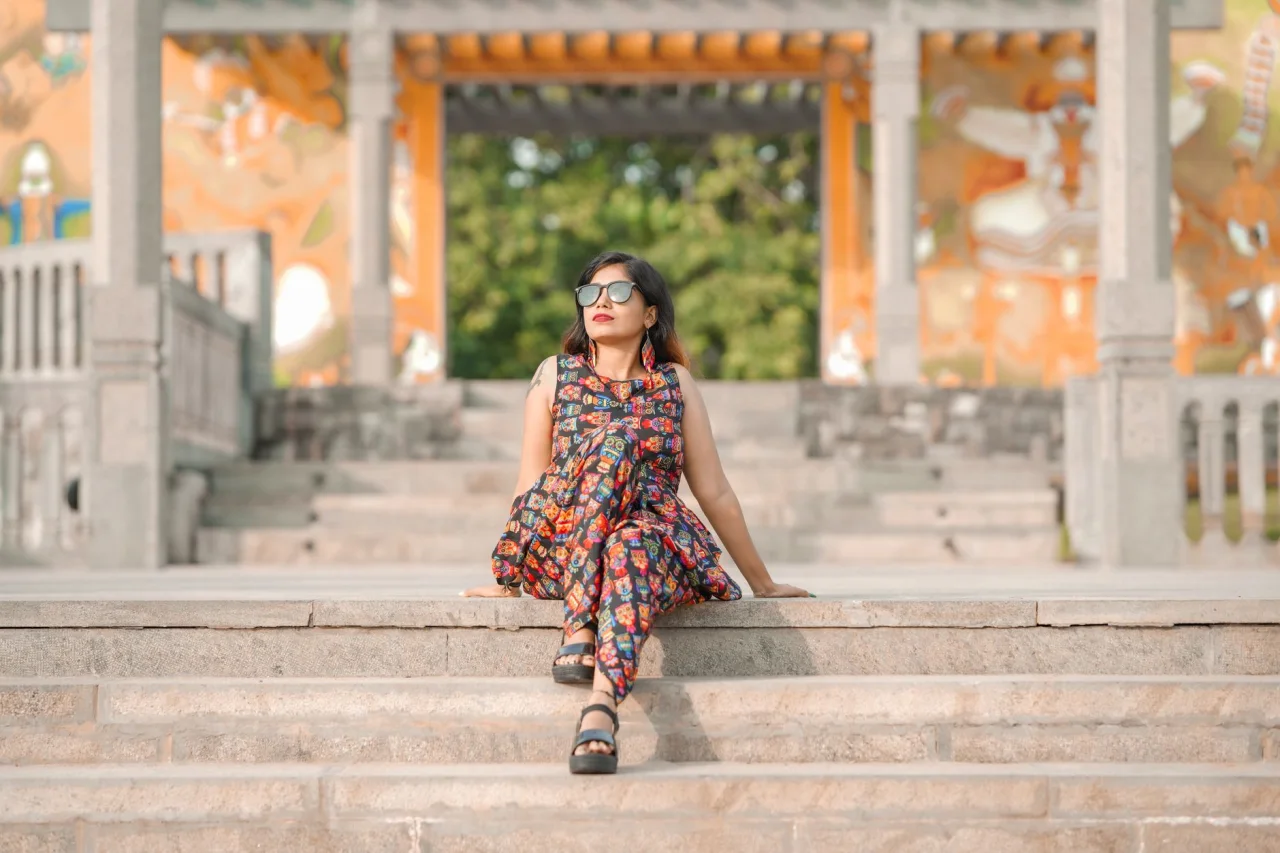
The kurti is the most-worn piece in the modern South Asian wardrobe, yet ask ten people what it actually is and you will get ten slightly different answers. In short, a kurti is a shorter, lighter tunic, usually reaching the hip or mid-thigh, worn by women over trousers, jeans or leggings. This guide explains where it comes from, how it differs from the garments it is often confused with, and who it suits.
The short version
- A kurti is a short tunic, roughly hip to mid-thigh length, usually worn by women.
- It descends from the kurta, the longer collarless tunic worn across South Asia by men and women.
- Everyday kurtis are cotton or a cotton blend; festive ones use silk, chiffon, georgette or heavier embroidered fabric.
- It pairs with almost anything: leggings, palazzos, jeans, churidars or a straight trouser.
What a kurti actually is
A kurti is a tunic top with South Asian roots, cut to sit somewhere between the hip and the mid-thigh. It is the shorter cousin of the kurta, the loose collarless tunic worn for centuries across the region. Where a traditional kurta falls to the knee or below, the kurti stops higher, which is exactly what makes it so easy to pair with modern trousers. According to Wikipedia's entry on the kurta, the kurti is described as a shorter, hip-length version traditionally worn by women and increasingly styled with jeans or leggings in urban settings.
The defining features are simple: a relatively straight or slightly flared body, sleeves that can be anything from sleeveless to full length, and an open, breathable cut. Older uses of the word kurti referred to waistcoats and blouses, but in everyday language today it means a woman's short tunic. That flexibility is the whole appeal. A kurti can be a plain cotton piece for the office or a heavily embroidered showstopper for a wedding, and it still counts as the same garment family.
Kurti versus kurta: the real difference
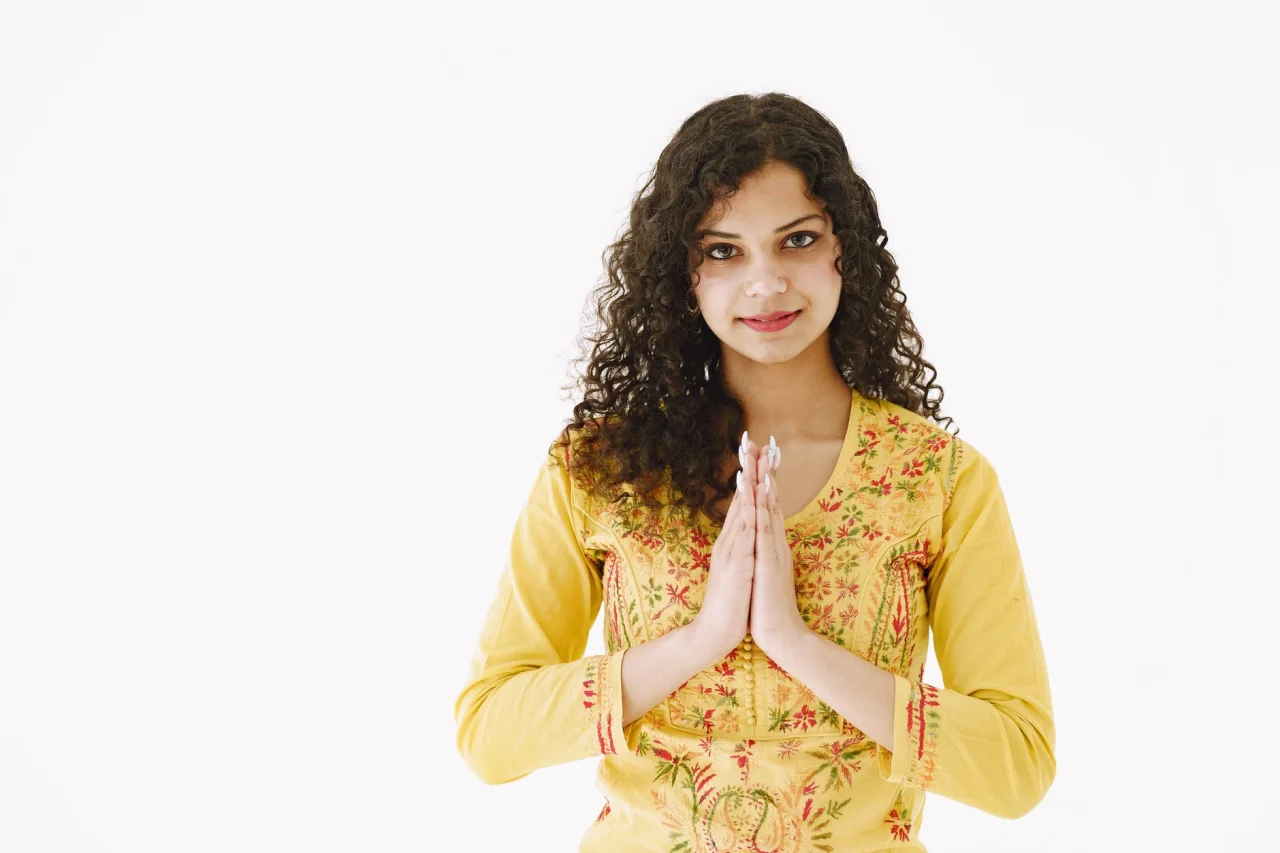
This is the question that trips people up most, so it is worth being precise. The kurta is the parent garment: a longer collarless tunic, traditionally with open side seams above the hem for movement, worn by both men and women. The kurti is essentially a shortened, more fitted interpretation aimed at women. Length is the clearest signal. If it reaches the knee or lower, most people call it a kurta. If it stops around the hip or mid-thigh, it is a kurti.
There is overlap, and retailers are not always consistent, so do not treat the line as absolute. If you want the fuller picture of the parent garment, read our companion guide, what is a kurta. The two pieces share a silhouette family, and understanding one makes the other much clearer.
Quick rule of thumb: hip to mid-thigh and cut for women equals kurti. Knee-length or longer, worn by anyone, equals kurta. When in doubt, judge by length first and fit second.
A short history of the tunic
The kurti sits within a very old tradition. The kurta family traces back to Central Asian nomadic tunics, and stitched garments of this kind spread through South Asia gradually over many centuries. The word itself comes from Persian and Urdu, referring to a tunic or shirt. Over time the region developed distinct regional versions with their own cuts and embroidery traditions, from Lucknow to Punjab to Hyderabad.
The modern kurti as most people know it, a shorter tunic worn with contemporary trousers, is a more recent, urban evolution. It answered a practical need: women wanted the comfort and cultural familiarity of the tunic without the full length, so it could work with jeans, leggings and office trousers. That blend of heritage and everyday practicality is why the kurti has become a wardrobe staple far beyond South Asia.
Common kurti silhouettes
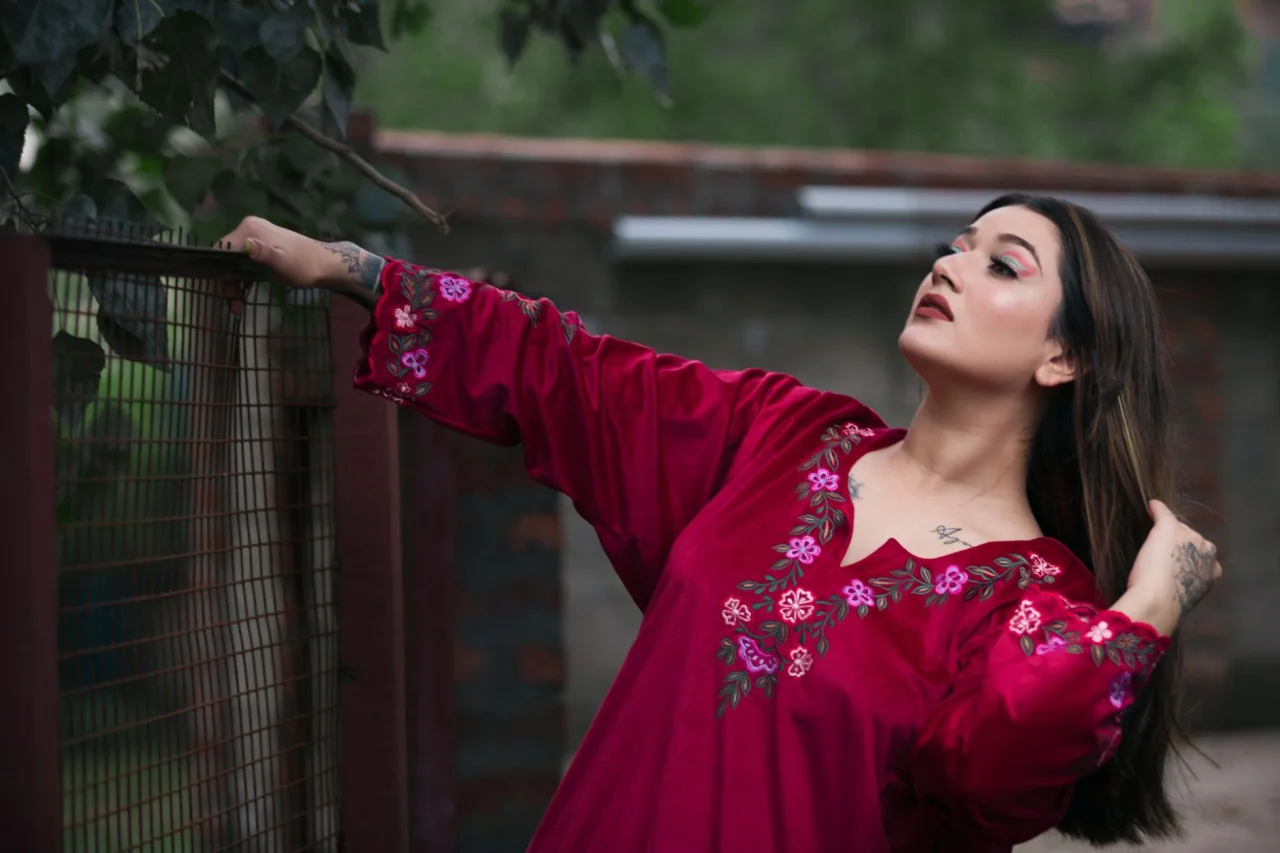
Once you know the basic shapes, shopping becomes much easier. These are the cuts you will meet most often.
- Straight kurti: a clean, column-like cut that skims the body. Versatile and office-friendly.
- A-line kurti: fitted at the shoulders and flaring gently to the hem, flattering on most body types. See our dedicated guide to the A-line kurta for the longer version of the same idea.
- Anarkali kurti: a fitted bodice opening into a full, flared skirt, best for festive and dressy occasions.
- Angrakha kurti: a wrap-style front that ties to one side, drawn from a historic silhouette.
- High-low or asymmetric kurti: a modern hemline that dips at the back or sides for a contemporary look.
Each silhouette changes how formal the piece reads and how it pairs with bottoms. A straight kurti loves a slim trouser, while an Anarkali suits a churidar or a plain legging that lets the flare do the talking.
Fabrics and when to wear them
Fabric decides comfort, drape and formality more than any other single factor. Cotton and cotton blends are the everyday workhorses, breathable and easy to care for, ideal for warm weather and daily wear. Lawn, a fine lightweight cotton, is a summer favourite across the region. For dressier occasions, fabrics such as silk, chiffon, georgette and organza bring drape and shine, while velvet and heavier woven cloth suit winter and formal events.
Embroidery and surface work also shift a kurti from casual to festive. Traditional hand techniques such as chikankari, the white-on-white embroidery associated with Lucknow, elevate even a simple cotton kurti into something special. If you want help matching cloth to season and occasion, our kurti fit, fabric and price guide goes deeper.
Who a kurti suits and how to wear it
One of the reasons the kurti has travelled so far is that there is a flattering version for almost everyone. The trick is matching silhouette to shape rather than chasing a single trend. A-line and Anarkali cuts flatter fuller hips and create balance. Straight cuts suit those who want a lean, elongated line. Shorter kurtis lengthen the legs when worn with slim bottoms, while longer kurtis offer more coverage and a relaxed drape.
For pairing, leggings and churidars keep the focus on the kurti, palazzos and wide trousers add drama, and jeans give a relaxed fusion look for daily wear. A dupatta is optional and turns a plain kurti into a fuller three-piece look for festive settings. For a full breakdown of outfits by occasion, see our guide on how to style a kurti, and for current design inspiration browse our roundup of kurti designs.
Styling note: let one element lead. If the kurti is heavily embroidered, keep the bottom and jewellery simple. If the kurti is plain, that is your cue to add a statement dupatta, bold earrings or a printed trouser.
Kurti, kameez and the wider suit family
The kurti also sits alongside the kameez, the tunic top of the salwar kameez. As Wikipedia's overview of the shalwar kameez notes, the term kameez is now loosely applied to collarless or mandarin-collared tunics, which is why the words can feel interchangeable. In practice, kameez usually implies part of a matched two or three piece suit with coordinating trousers and dupatta, while kurti implies a standalone top you mix and match. Knowing this helps you shop with confidence: buy a kurti when you want flexibility, and a full suit when you want a coordinated set.
Frequently asked questions
What is the difference between a kurti and a kurta?
A kurta is the longer, collarless tunic worn by both men and women, traditionally reaching the knee or below. A kurti is a shorter version, usually hip to mid-thigh length, cut mainly for women and commonly worn with leggings, jeans or trousers. Length is the clearest way to tell them apart.
Is a kurti only for women?
In modern usage the kurti is worn mainly by women as a short tunic. The longer kurta is worn by both men and women. So while men wear kurtas, the specific short, fitted piece called a kurti is generally a women's garment.
What do you wear under or with a kurti?
A kurti is typically worn over bottoms such as leggings, churidars, palazzos, straight trousers or jeans. A dupatta can be added for a more festive, layered look, but it is optional and depends on the occasion.
Can a kurti be worn to the office?
Yes. A straight or A-line cotton kurti in a plain colour or subtle print, paired with slim trousers and minimal jewellery, makes a comfortable and appropriate office outfit. Choosing breathable cotton or a cotton blend keeps it practical for long working days.
What fabric is best for an everyday kurti?
Cotton and cotton blends are best for everyday wear because they are breathable, comfortable and easy to care for. Lightweight cotton such as lawn is especially good for warm weather, while dressier fabrics like silk, chiffon and georgette suit festive occasions.
More on Clothing Types
Have a question or a topic to suggest?
We read every message. Tell us what you would like to see next in the journal.
Get in touch