What Is a Salwar Kameez?
The three-piece South Asian classic explained: parts, history, types and who it suits.
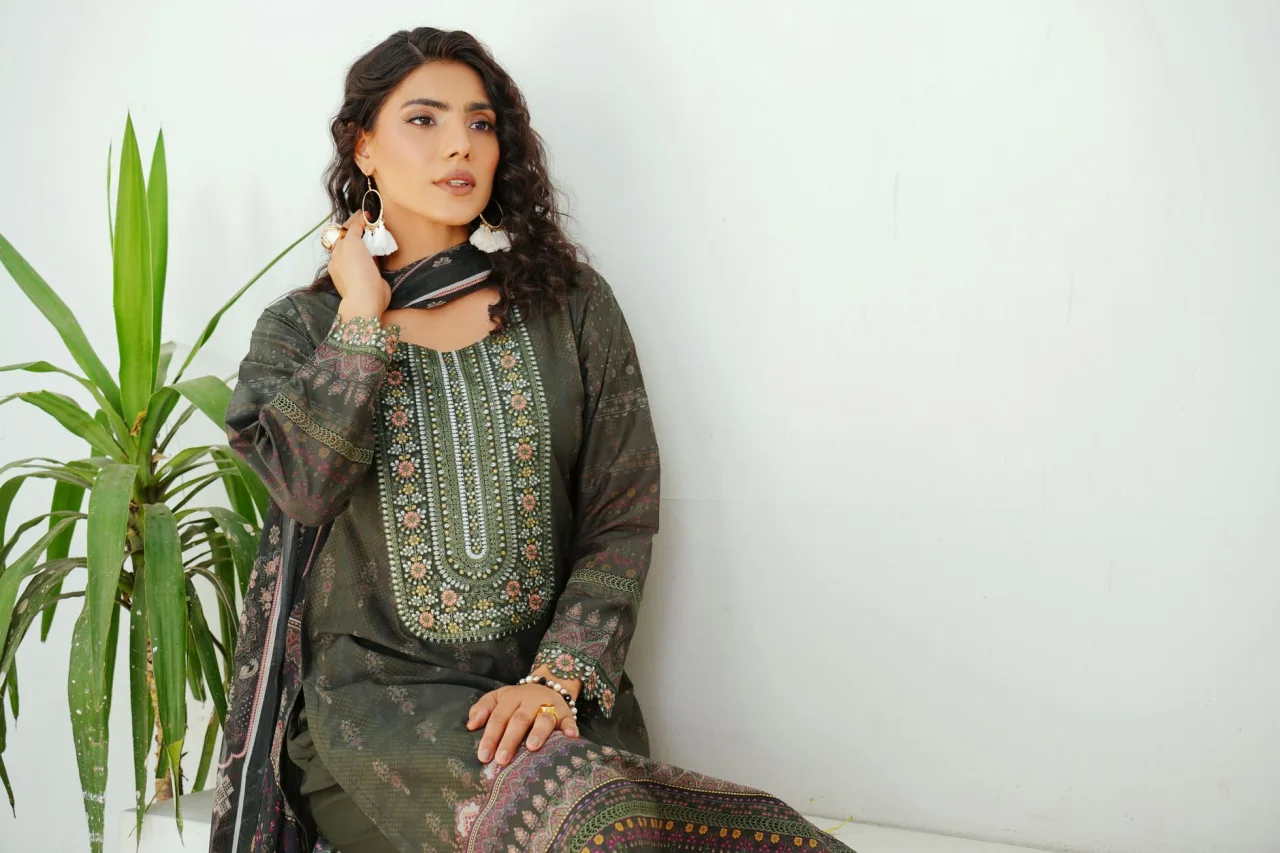
The salwar kameez is one of the most recognisable outfits in South Asian wardrobes: a long tunic worn over soft trousers, finished with a flowing scarf. It is comfortable enough for a weekday at home and grand enough, in the right fabric, for a wedding. This guide explains exactly what the garment is, where it comes from, the main variations, and how it differs from the outfits people often confuse it with.
The short version
- A salwar kameez is a three-part outfit: the kameez (tunic), the salwar (trousers), and usually a dupatta (scarf).
- It is worn by women and men across South Asia and is the national dress of Pakistan.
- The look changes completely with the trouser cut: Patiala, churidar, straight, palazzo and more.
- Fabric decides the occasion: cotton and lawn for daytime, silk, chiffon and net for events.
What a salwar kameez actually is
At its simplest, a salwar kameez is a matched set of a tunic and trousers designed to be worn together. The tunic covers the hips and often falls to the knee or lower, while the trousers sit at the waist and taper toward the ankle. Most sets are completed with a long rectangular scarf. The outfit is prized because it is modest, breathable and forgiving across body types, yet endlessly adaptable through fabric, cut and embellishment.
You will see the same garment spelled in more than one way. "Salwar kameez" is the more common spelling in India, while "shalwar kameez" is standard in Pakistan. They refer to the same core outfit, with regional cuts and dressing traditions differing from place to place. If you want the Pakistani-focused view of the same garment, see our companion guide to what a shalwar kameez is.
The three parts, explained
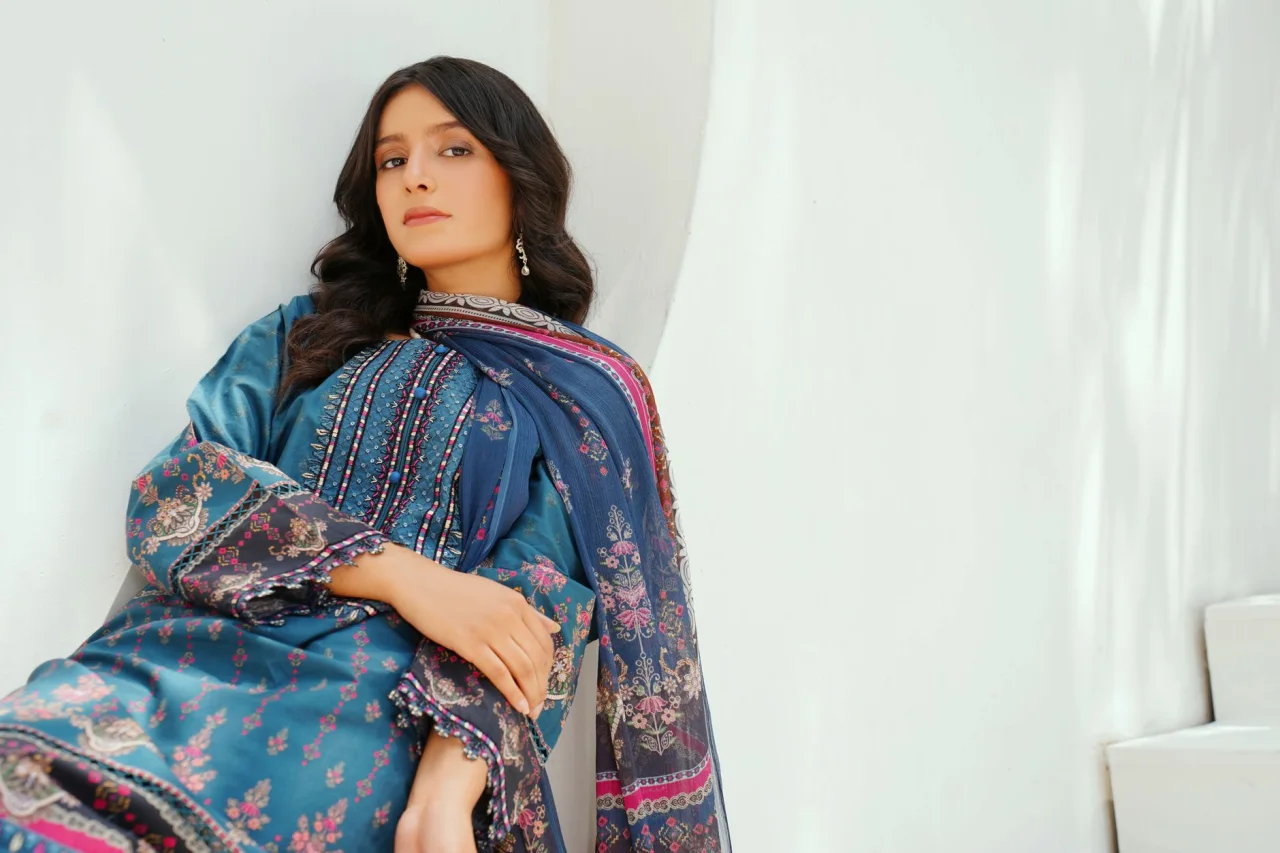
Understanding the outfit is easiest when you look at its components separately.
- Kameez: the tunic or long shirt. It can be fitted or loose, short or floor length, plain or heavily embroidered. Side seams are often left open below the waist so the wearer can move freely.
- Salwar: the trousers. Traditionally these are loose and gathered at the waist with a drawstring or elastic, then narrowed toward the ankle. The exact silhouette is what gives each style its name.
- Dupatta: a long scarf, often the most decorative piece. It can be draped over one shoulder, across the chest, or over the head for coverage, and it ties the colour story of the outfit together.
Not every set includes all three. Many casual and office sets are worn as a two-piece, with the dupatta added only for formal or festive occasions.
A short history
The salwar kameez has deep roots in the northern subcontinent. According to historical accounts of the garment, tunic-and-trouser dressing spread through South Asia from the 13th century onward and became strongly associated with the historical Punjab region, which straddles present-day India and Pakistan. Over centuries it moved from a regional style to an everyday garment worn across cities and villages, adopted by women throughout the subcontinent and remaining the national dress of Pakistan.
Its staying power comes from practicality. In a warm climate, loose trousers and an open-sided tunic keep the wearer cool, while the layered dupatta adds coverage without heat. That same logic keeps it relevant in modern wardrobes.
Just as important is how easily the garment absorbs change. Because it is really a system of three adjustable pieces rather than a single fixed shape, each generation has reinterpreted it: shortening the kameez, widening or slimming the trouser, dropping or reviving the dupatta, and borrowing necklines and sleeves from wherever fashion happens to be. This flexibility is why the salwar kameez has never felt like a costume or a relic, but remains ordinary daily clothing for millions of people alongside its role as festive and formal wear.
The main types of salwar
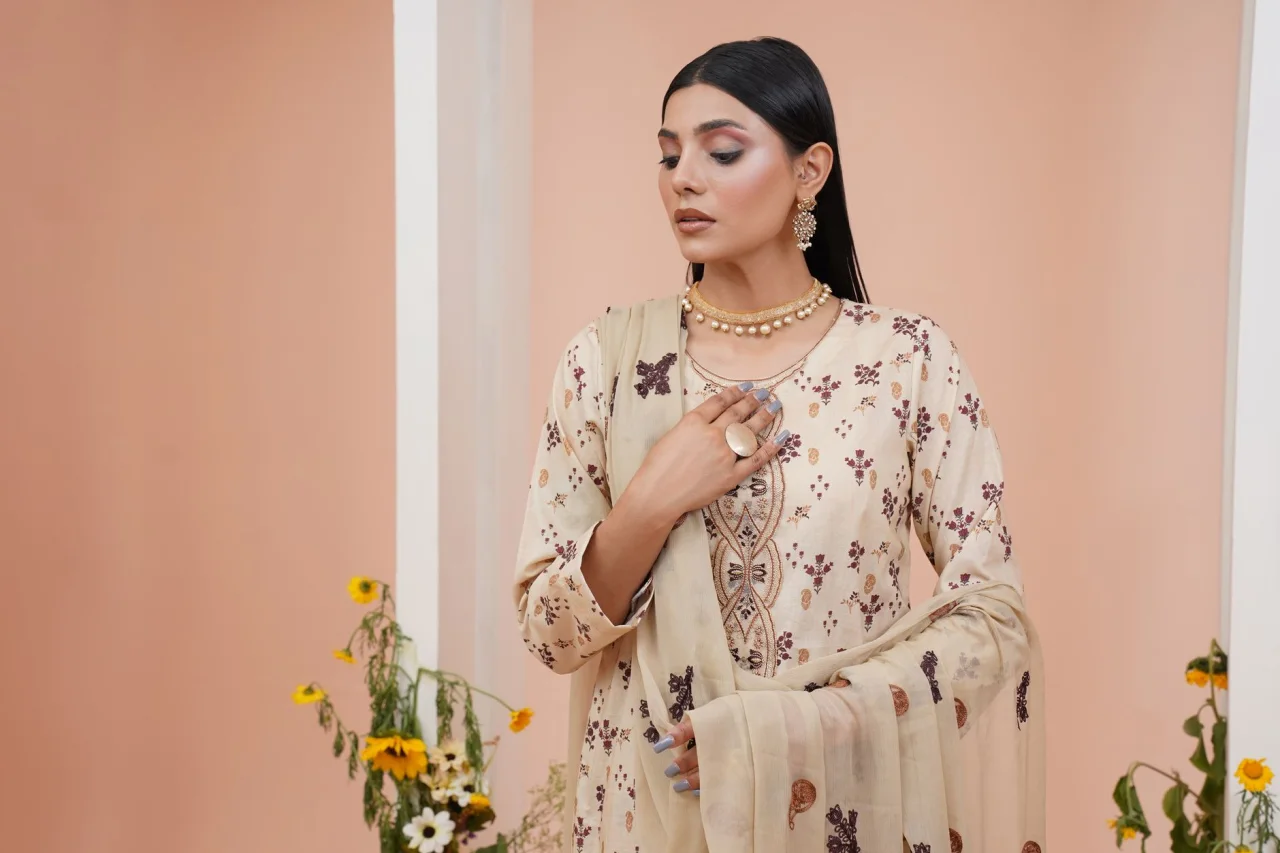
Because the trouser defines the silhouette, most named styles are really trouser variations paired with a kameez.
- Patiala salwar: heavily pleated trousers that originate from Patiala in Punjab, India. As documented histories note, they use roughly double the usual fabric so the pleats fall in a soft, draped cascade.
- Churidar: a tight-fitting trouser cut long so the extra fabric bunches at the ankle in ring-like folds that resemble bangles, or churi. It is usually cut on the bias for stretch.
- Straight or Punjabi salwar: a cleaner, narrower line with a straight-cut kameez and side slits, popular for office and everyday wear.
- Palazzo and cigarette pants: modern reinterpretations, one wide and flowing, the other slim and cropped, both worn under a matching kameez.
Styling note
A single kameez can look entirely different depending on the trouser. Pair it with a churidar for a lean, formal line, or a Patiala for a relaxed, voluminous silhouette. When in doubt, match the volume: a fitted kameez balances a fuller trouser, and a longer, flared kameez sits well over a slim churidar.
How it differs from similar garments
Several South Asian outfits share DNA with the salwar kameez, which is why they are easy to mix up.
- Anarkali suit: essentially a salwar kameez with a long, frock-style flared kameez that fits at the bust and flares dramatically to the floor. Learn more in our guide to the anarkali suit.
- Straight suit: a slimmer, column-shaped version of the same three pieces, covered in our straight suit guide.
- Lehenga choli: a separate category entirely, pairing a fitted blouse with a long flared skirt rather than trousers.
- Kurta set: a close cousin, often used interchangeably in casual contexts, explained in our kurta set guide.
Who it suits and when to wear it
One of the outfit's strengths is that it flatters almost everyone, because you can adjust the cut. A longer, flared kameez elongates the frame, a straight kameez creates a clean line, and the dupatta can be draped to draw the eye where you like. There is no single "right" body type for a salwar kameez.
Occasion is mostly a matter of fabric and embellishment. Cotton and lawn sets suit daily wear, college and the office. Chiffon, silk and net sets, especially with hand embroidery, move the same silhouette into party, festival and wedding territory. For a full breakdown of pairing for each event, read our guide on how to style a salwar kameez for every occasion.
This adaptability is also what makes the salwar kameez such a practical first investment in South Asian dressing. A couple of everyday cotton suits, one semi-formal chiffon set and a single embellished piece will already cover most of the year, from work and errands to Eid and weddings. You do not need a large wardrobe to be well dressed in this garment, only a considered one that spans the fabrics and formality levels you actually encounter.
Choosing fabric and caring for it
Fabric is the single biggest decision. Cotton and lawn breathe well and handle heat, making them ideal for summer and daytime. Silk, raw silk and velvet carry weight and shine for winter and formal wear, while chiffon, georgette and net drape softly for evening looks. If you are buying rather than browsing, our buying guide walks through fit, fabric and realistic price brackets.
Care depends on the cloth. Everyday cottons machine wash easily, but embellished and delicate fabrics should be dry cleaned or hand washed cold and dried flat away from direct sun. Always store heavily embroidered pieces folded with tissue to protect the threadwork.
Frequently asked questions
Is a salwar kameez the same as a shalwar kameez?
Yes. They are the same garment. "Salwar kameez" is the more common spelling in India, while "shalwar kameez" is standard in Pakistan. Regional cuts, fabrics and dressing customs vary, but the core three-piece outfit is the same.
Can men wear a salwar kameez?
Yes. The salwar kameez, often called a kurta with a shalwar, is widely worn by men across South Asia, especially in Pakistan and Afghanistan. Men's versions are typically plainer, in solid cottons and muted tones, without a dupatta.
What is the difference between a salwar and a churidar?
A salwar is a loose trouser gathered at the waist and tapered at the ankle, while a churidar is a tight-fitting trouser cut extra long so the surplus fabric folds into bangle-like rings at the ankle. The churidar gives a slimmer, more formal line.
Is a salwar kameez suitable for formal occasions?
Absolutely. In rich fabrics such as silk, chiffon or net with hand embroidery, the salwar kameez is a common choice for weddings, Eid and parties. The same silhouette in cotton reads as everyday wear, so fabric and embellishment set the tone.
Do I have to wear a dupatta with it?
No. Many casual and office sets are worn as a two-piece without a dupatta. The scarf is usually added for coverage, modesty or to complete a festive look, and it is optional for day-to-day wear.
How many metres of fabric does a salwar kameez need?
It varies by style and height, but an unstitched set generally comes in around five to six metres split between kameez, trousers and dupatta. Voluminous cuts like the Patiala salwar use noticeably more fabric for the pleats.
More on Clothing Types
Have a question or a topic to suggest?
We read every message. Tell us what you would like to see next in the journal.
Get in touch