How to Choose the Perfect Kurti
Fit by body shape, fabric by season, stitched versus unstitched, price tiers and the quality red flags to watch.
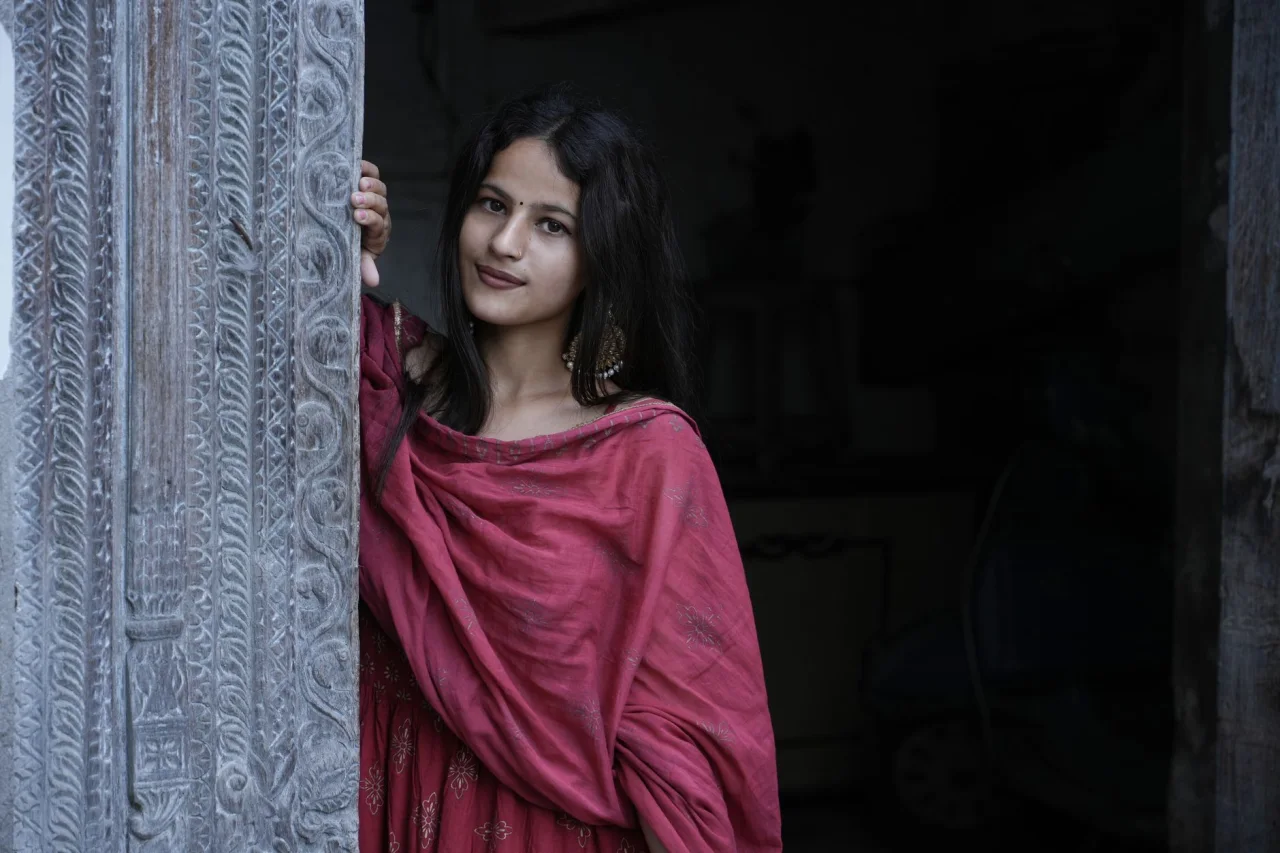
Buying a kurti sounds simple until you are faced with dozens of cuts, fabrics and price tags that seem to make no sense. The trick is to judge three things in order: fit, fabric and value. This buying guide walks through each, with body-shape advice, fabric choices by season, the stitched versus unstitched question, and the red flags that signal a kurti is not worth the money.
The short version
- Fit first: shoulders and length matter most, and both are hard to fix after buying.
- Match fabric to season: light cotton and lawn for heat, silk and velvet for cool weather and events.
- Stitched is convenient, unstitched gives control over fit; choose by your tailoring access.
- Prices vary hugely by fabric, embroidery and retailer, so judge value by construction, not the label.
Start with fit, not the print
Most people fall for a colour or print and worry about fit later, which is backwards. Fit is what makes a kurti look good or cheap, and the two hardest things to alter are the shoulders and the overall length. Check that the shoulder seam sits at the edge of your shoulder, not halfway down your arm. Then check the length: hip to mid-thigh is the everyday sweet spot, but longer or shorter can flatter depending on your proportions.
Armhole depth, sleeve length and how the body skims rather than clings are the next things to assess. A kurti should let you move and sit comfortably. If you are unsure which silhouette suits you, our guide to what a kurti is explains the main cuts and who they flatter.
Choosing a cut for your body shape

There is a flattering kurti for every body, and it is about balance rather than rules. Use these as starting points, then trust the mirror.
- Fuller hips: A-line and Anarkali cuts flare from the bodice and create balance.
- Straighter frame: straight and pencil cuts keep a clean, lean line, and a belt can add shape.
- Fuller midsection: a gently flared A-line that skims the waist is more comfortable than a clingy straight cut.
- Petite frame: shorter kurtis with slim bottoms elongate the legs; avoid overwhelming volume.
- Tall frame: longer kurtis and bold prints work beautifully without cutting the line.
Fit tip: when shopping online, always check the brand's measurement chart against a kurti you already own and love, rather than trusting the size label alone. Sizing varies a lot between retailers.
Fabric by season and occasion
Fabric decides comfort as much as looks, and the right choice changes with the weather and the event. In hot weather, breathable natural fibres win. Lawn, a fine lightweight cotton, and regular cotton keep you cool and are easy to wash. For cooler weather and formal events, richer fabrics come into play.
- Summer and daily wear: cotton, lawn and cotton blends for breathability.
- Transitional and dressy day: linen blends and light silks that hold shape.
- Festive and evening: chiffon, georgette and organza for drape and shine.
- Winter and grand occasions: velvet and heavier woven fabrics for warmth and richness.
Surface work matters too. Hand embroidery such as chikankari, the Lucknow craft that carries a Geographical Indication, adds value and beauty but needs gentler care. For a deeper occasion-by-occasion styling plan, see our guide on how to style a kurti.
Stitched versus unstitched

Across South Asia, kurtis and suit fabric are sold both ready-stitched and as unstitched cloth, and the right choice depends on you. Stitched (ready-to-wear) kurtis are convenient and quick, but the fit is fixed to standard sizing. Unstitched fabric, often sold as a suit piece, lets a tailor cut the kurti to your exact measurements, which is ideal if standard sizes never quite fit you.
Choose stitched if you want speed and your size is well catered for. Choose unstitched if you have a trusted tailor and value a precise fit, or if you want a specific cut that is hard to find ready-made. Many people keep a mix of both.
Understanding kurti prices
Kurti prices swing dramatically, and the number on the tag reflects fabric, the amount and type of embroidery, brand positioning and where you shop. Rather than memorising figures, think in tiers, and always confirm current pricing before buying.
- Budget tier: plain and printed cotton or lawn from high-street and online mass retailers, built for everyday rotation.
- Mid tier: better fabric, some hand or machine embroidery and coordinated sets. Craft-led retailers such as Fabindia, the handloom and handcraft chain founded in 1960, sit around this level for many pieces.
- Premium and designer tier: fine fabric, dense hand embroidery, limited runs and named designers, reserved for special occasions.
Value is about construction relative to price, not the label. A well-finished mid-tier kurti can outshine a poorly made premium one. For design ideas across these tiers, browse our roundup of kurti designs.
Red flags and quality checks
A few quick checks separate a good buy from a regret. Turn the kurti inside out and inspect the seams: they should be even, secure and not fraying. Pull gently at the embroidery to confirm it is anchored and not likely to snag. Hold lightweight fabric to the light to judge how sheer it is, since very cheap cotton can be thin and see-through.
- Loose or uneven seams: a sign of rushed construction that will not last.
- Embroidery that snags or puckers: poor anchoring or the wrong backing fabric.
- Colour that rubs off: test a hidden area; poor dye fastness means fading and bleeding.
- Misaligned prints at seams: a small detail that reveals corner-cutting.
- No fabric or care label: makes it hard to know what you are buying or how to wash it.
Value tip: buy fewer, better kurtis. Two well-made pieces in versatile colours will serve you longer and style more easily than a pile of thin, poorly finished trend buys.
Care so your kurti lasts
Even a great kurti fails early if it is washed carelessly. Cotton and lawn generally handle a gentle machine wash, but turn prints inside out and avoid harsh sun drying that fades colour. Embroidered and delicate fabrics such as chiffon, georgette and silk often need hand washing or dry cleaning. Always read the care label first. Storing heavier embroidered pieces folded with tissue, rather than crammed on a hanger, keeps the work intact for years.
Frequently asked questions
How do I know if a kurti fits well?
Check the shoulders first: the seam should sit at the edge of your shoulder, not down your arm. Then check that the length flatters your proportions, the armholes are comfortable, and the body skims rather than clings. Shoulders and length are the hardest things to alter later, so prioritise them.
Which kurti fabric is best for summer?
For summer, breathable natural fabrics are best. Lightweight cotton and lawn keep you cool, are comfortable in heat and are easy to wash. Cotton blends also work well, while heavier fabrics like velvet are better saved for cooler weather.
Should I buy a stitched or unstitched kurti?
Choose stitched if you want convenience and your size is well catered for by the brand. Choose unstitched if you have a trusted tailor and want a precise, custom fit, or a specific cut that is hard to find ready-made. Many people keep a mix of both.
How can I tell if a kurti is good quality?
Turn it inside out and check for even, secure seams that are not fraying. Make sure embroidery is well anchored and does not snag, the fabric is not too sheer, and prints align at the seams. A missing fabric or care label and colour that rubs off are warning signs.
Why do kurti prices vary so much?
Kurti prices reflect the fabric, the amount and type of embroidery, brand positioning and the retailer. Plain cotton pieces are cheapest, embroidered and better-fabric kurtis cost more, and designer or heavily hand-worked pieces sit at the top. Judge value by construction relative to price, and confirm current pricing before buying.
More on Buying Guides
Have a question or a topic to suggest?
We read every message. Tell us what you would like to see next in the journal.
Get in touch