Buy Pakistani Dresses in the UAE
Brand stores, Bur Dubai markets, and how UAE customs duty and VAT apply.
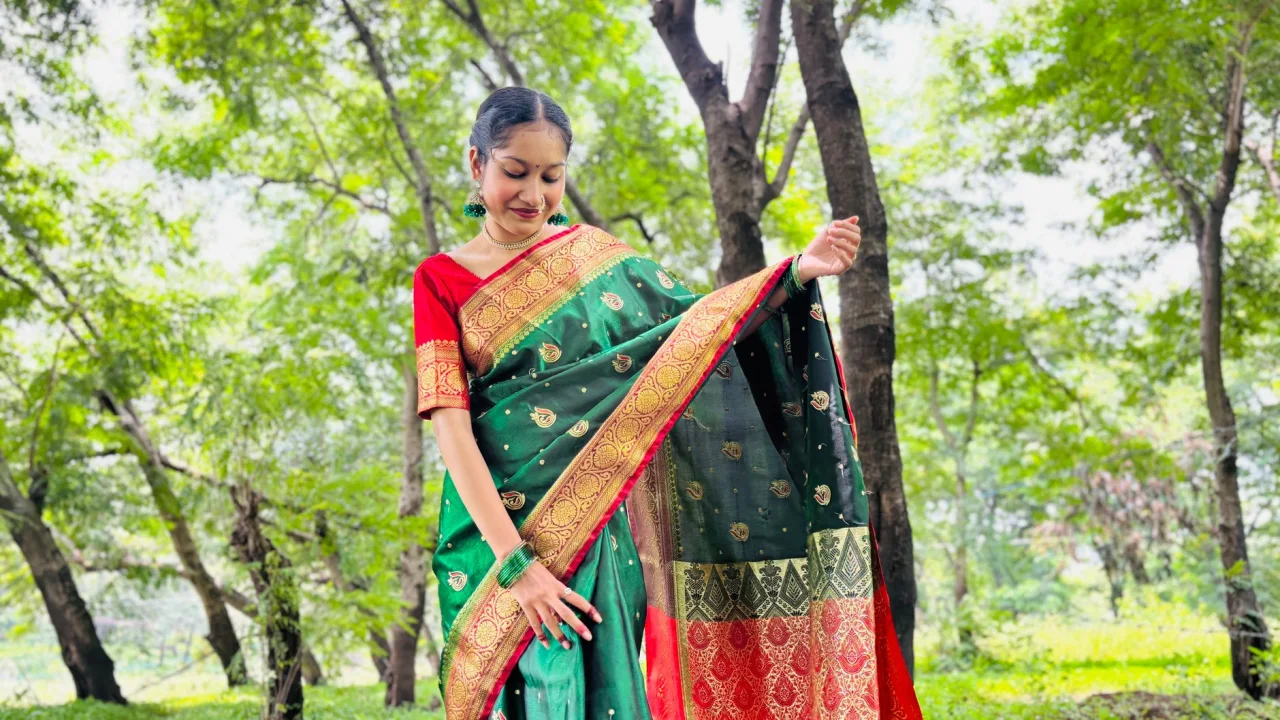
The UAE is a natural home for Pakistani fashion. A huge South Asian population, a mall culture that welcomes regional brands, and traditional textile markets mean you can often buy the same labels sold in Karachi and Lahore without waiting for a shipment. This 2026 guide covers brand stores, the famous fabric bazaars, online options, and how UAE customs and VAT work on anything you do import.
The short version
- Many major Pakistani brands have physical stores in UAE malls, so buying in person is easy.
- Traditional markets like Bur Dubai's Meena Bazaar are known for South Asian fabric and tailoring.
- The UAE applies a 5% VAT and a general 5% customs duty on imports, with a low-value courier threshold.
- Buy from official stores or trusted boutiques, and use local tailoring for a made-to-measure fit.
Pakistani brand stores in UAE malls
Because of strong regional demand, several large Pakistani labels operate stores in the UAE. Khaadi, founded in 1998, opened in the UAE relatively early, with stores in Dubai and Abu Dhabi, and it remains one of the most visible Pakistani brands in the country's malls. Other big names have followed, and international online stores from labels such as Sapphire also ship within the region. Buying at a brand store means genuine stock, current collections and an easy returns process, with no customs step to worry about.
To choose between labels, our ranked guide to Pakistani clothing brands and the Khaadi and Sapphire brand guides explain what each is known for. Prices vary by fabric, work and retailer, so confirm current pricing in store.
Traditional textile markets and tailoring
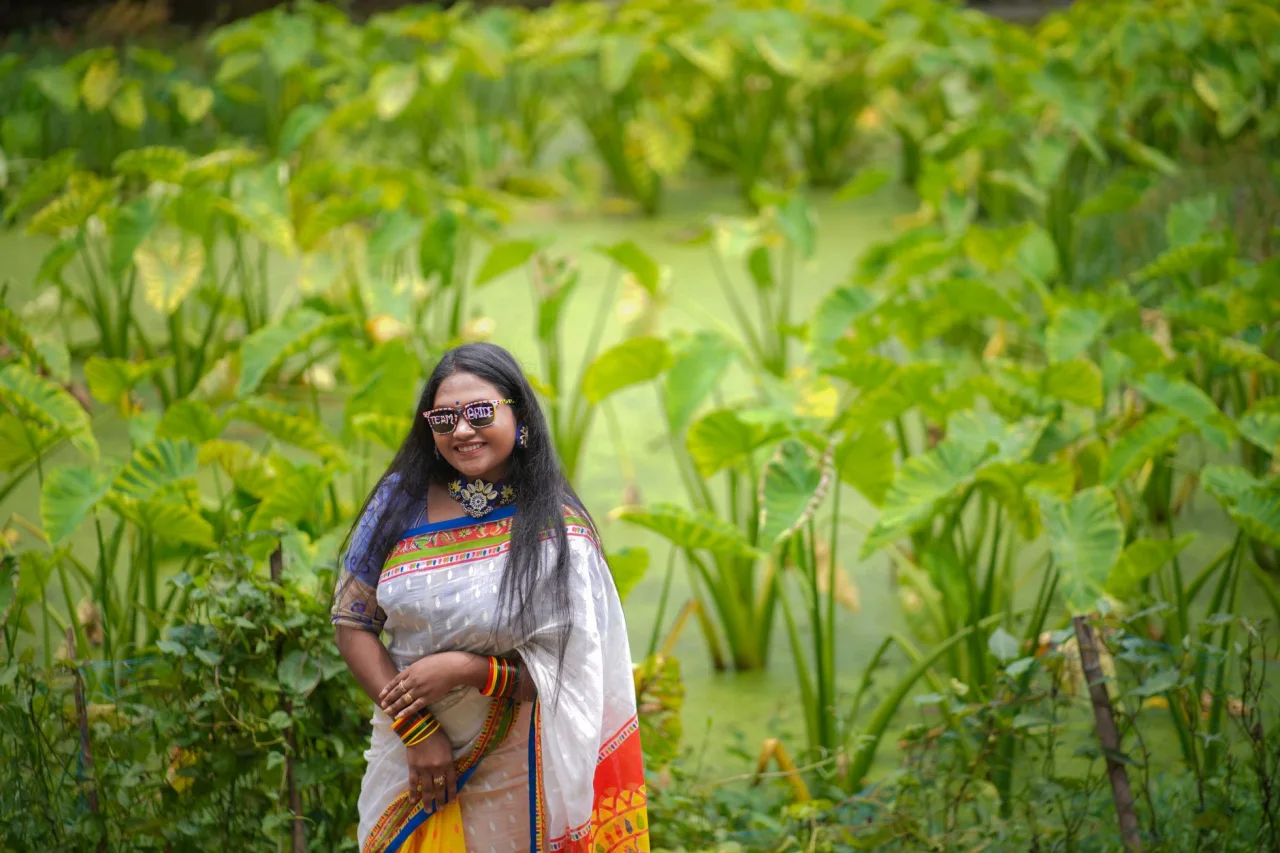
Beyond the malls, the UAE's traditional markets are a treasure for anyone who loves fabric. Meena Bazaar in Bur Dubai is the best-known South Asian shopping quarter, packed with shops selling unstitched cloth, dupattas, embroidery and formal fabrics, with tailors close at hand. These markets are ideal when you want to buy fabric by the metre, commission a made-to-measure outfit, or find heavily worked bridal and occasion cloth.
Shopping in person lets you judge fabric weight, drape and embroidery directly, the checks covered in our guide to choosing the perfect Pakistani dress. A good local tailor can also copy a fit you already love, which is invaluable for formal and bridal wear.
Local tip
For wedding and formal outfits, start early. Bur Dubai's tailors get busy in wedding and festival seasons, and heavily embellished pieces need time for fittings and finishing. Bring a reference outfit whose fit you like so the tailor can match it.
Buying online within the region
If you cannot get to a store, most major Pakistani brands ship within the UAE through their websites, and regional online boutiques stock imported ranges for quick local delivery. Buying from a seller that already holds stock in the UAE avoids any international customs step and usually means faster delivery. Ordering direct from Pakistan can widen the selection, but you then account for shipping and any import charges. Our guide to shopping Pakistani dresses online without regrets covers sizing, fabric and returns.
How UAE customs and VAT work
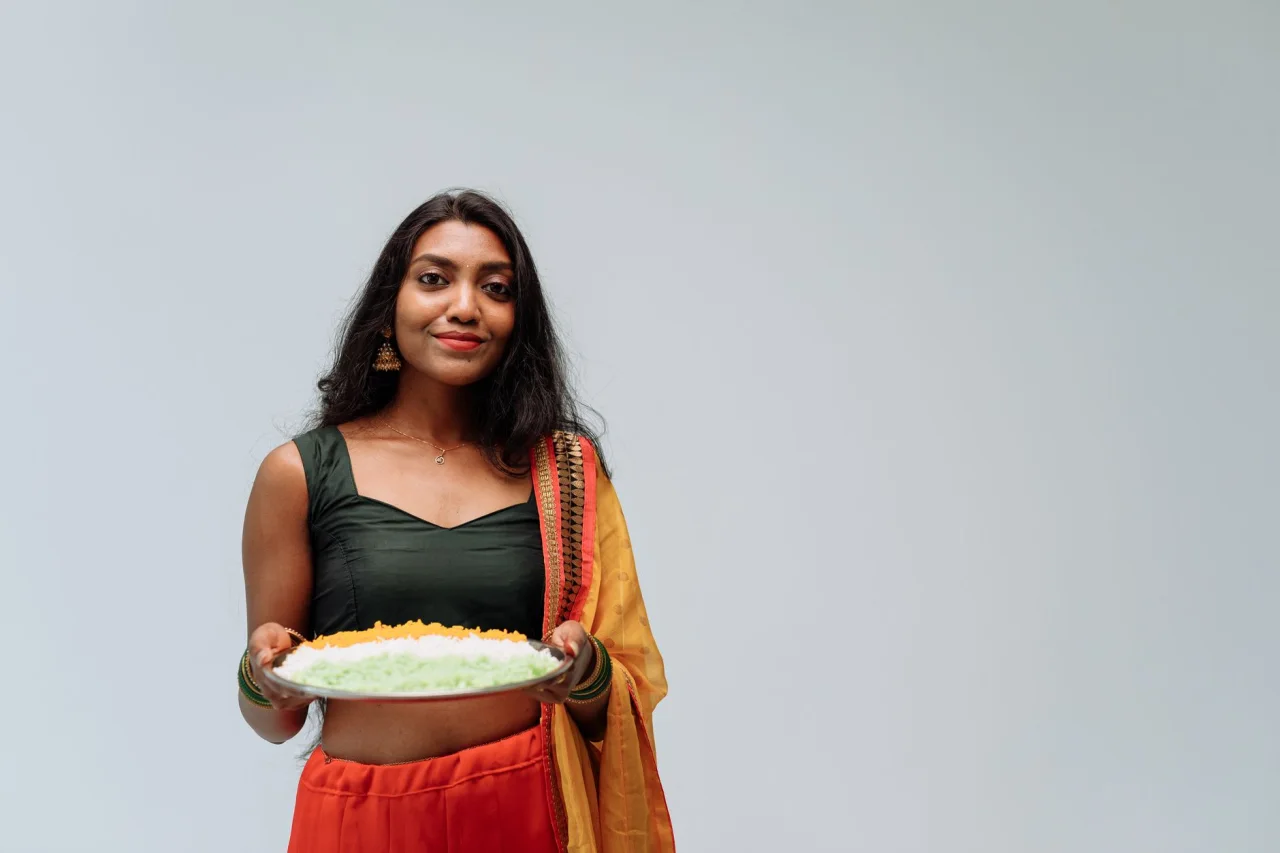
If you do import a package, two charges can apply. According to PwC's summary of UAE taxes on imports, a general customs duty rate of 5% is imposed on the cost, insurance and freight value of most imports, and a standard 5% VAT applies to most goods and services. On top of this, low-value courier shipments benefit from a de minimis threshold: since the start of 2023, Dubai Customs has generally exempted courier consignments below a set value from duty collection, so very small shipments may pass without a duty charge.
In practice, buying locally sidesteps these charges entirely, which is one reason so many shoppers use UAE brand stores and markets rather than importing. When you do import, treat a Pakistani website's price as a starting figure and budget for shipping, potential duty and VAT on top.
Getting the fit right
Fit is what makes a Pakistani outfit look expensive. Ready-to-wear brands use their own size charts, so measure yourself and compare rather than assuming a size. For unstitched fabric, factor in a tailor, which is easy in the UAE given the density of skilled desi tailors around markets like Bur Dubai. A tailor can also alter ready-made pieces or restyle a neckline or sleeve. The same fit principles apply wherever you are, as our companion guides for the UK and USA explain.
Working out the true cost
The real cost of an outfit includes fabric, stitching, any alterations, and, if you import, shipping plus duty and VAT. Because so many brands sell locally, UAE shoppers can often skip the import charges entirely and still get current collections. When you do order from abroad, add everything up before you commit. For strategies that keep costs down wherever you buy, see our guide to affordable Pakistani dresses.
Frequently asked questions
Can I buy Pakistani brands in person in the UAE?
Yes, easily. Several large Pakistani labels have stores in UAE malls. Khaadi opened in the UAE early, with stores in Dubai and Abu Dhabi, and other major brands and regional boutiques stock Pakistani suits and formal wear. Traditional markets such as Meena Bazaar in Bur Dubai also sell fabric and offer tailoring nearby.
Do I pay customs duty and VAT on Pakistani clothes in the UAE?
If you import, yes, potentially. A general customs duty of 5% applies to the CIF value of most imports and a standard 5% VAT applies to most goods. However, low-value courier shipments below Dubai Customs' de minimis threshold, in place since the start of 2023, may be exempt from duty collection. Buying locally avoids these charges altogether.
Where is the best place for Pakistani fabric in Dubai?
Meena Bazaar in Bur Dubai is the best-known South Asian shopping quarter, with many shops selling unstitched cloth, dupattas, embroidery and formal fabrics, and tailors close by. It is ideal for buying fabric by the metre and commissioning made-to-measure outfits, especially for weddings and formal occasions.
Should I buy locally or import from Pakistan?
Buying locally is usually simpler in the UAE because so many brands sell here, which avoids shipping and any import charges. Importing direct from Pakistan can offer a wider selection, but you then budget for shipping, and potentially the 5% duty and 5% VAT. Compare the full landed cost before deciding.
How do I get the right fit in the UAE?
Measure yourself and compare against the brand's size chart for ready-to-wear, checking garment length and chest measurement. For unstitched fabric, use one of the many skilled tailors around markets like Bur Dubai. Bringing a reference outfit whose fit you like helps the tailor match it, and they can also alter ready-made pieces.
More on Buying Guides
Have a question or a topic to suggest?
We read every message. Tell us what you would like to see next in the journal.
Get in touch