Choosing Pakistani Dresses: Buying Guide
Get the fit, fabric and price right so you avoid the two most common Pakistani-dress regrets.
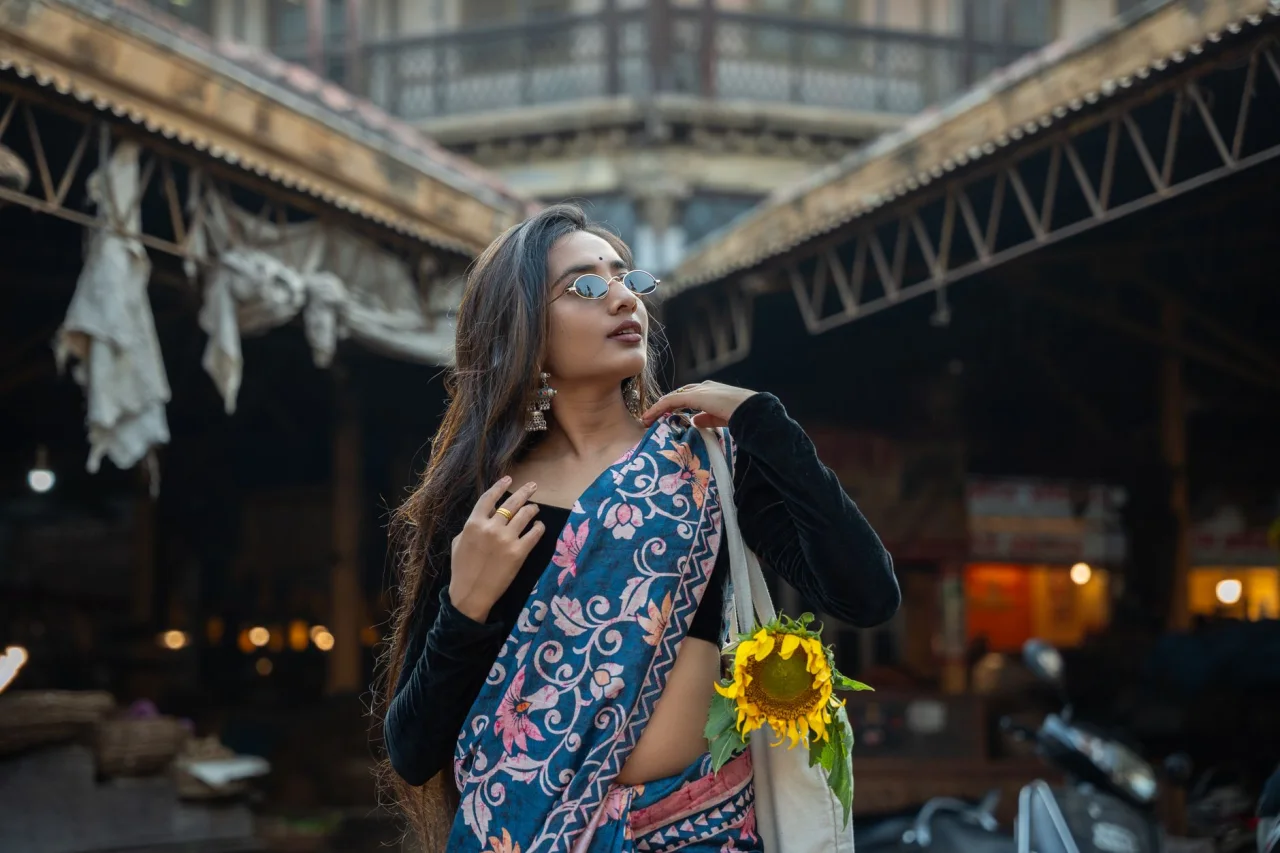
Buying a Pakistani dress well comes down to three decisions: the fit for your body, the fabric for your season and occasion, and the price you can justify for the work involved. Get those three right and you avoid the two most common regrets, an outfit that does not hang correctly and one that cost far more than its make deserved.
The short version
- Choose the silhouette for your body first: A-line and straight cuts flatter most shapes.
- Match fabric to season. Lawn and cambric for summer, khaddar and velvet for winter.
- Decide between stitched convenience and unstitched fit before you shop.
- Judge price by fabric and embroidery type, not the label. Learn the red flags that signal poor value.
Step 1: Choose the silhouette for your body
Fit matters more than any trend. The right cut skims where you want ease and defines where you want shape. General starting points, to adapt to your own proportions:
- A-line and frock cuts flare gently from the bust and flatter most body types, giving shape without clinging.
- Straight cuts suit tall and lean frames and read clean and modern.
- Anarkali gowns add drama and elongate, and the fitted bodice defines the waist.
- Gharara and sharara balance a fuller upper body with volume below.
- Peplum tops create a defined waist over a straight skirt or trouser.
If you are choosing between styles, our roundup of Pakistani dress designs shows each silhouette in context, and the anarkali guide helps if that shape appeals.
Step 2: Match the fabric to season and occasion
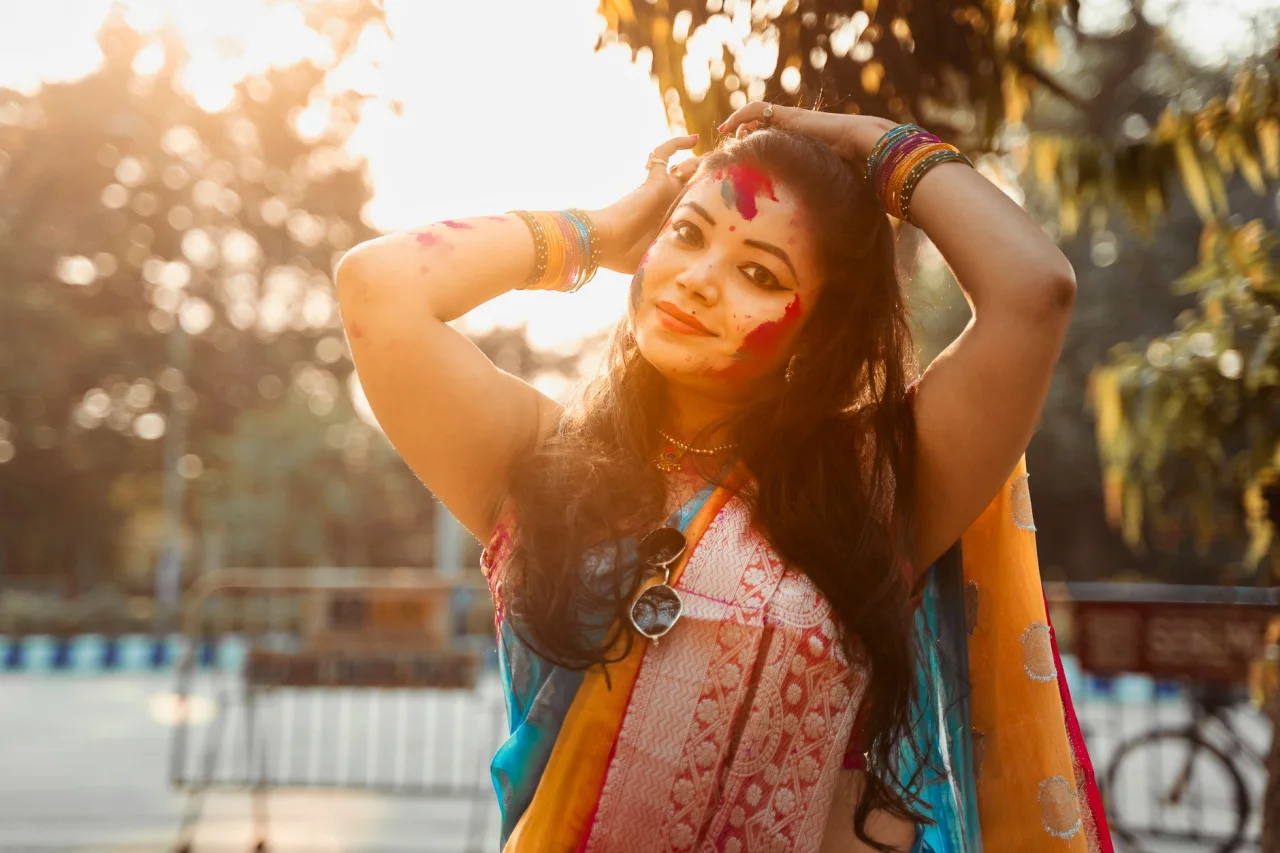
Fabric decides comfort and drape. Pakistan's summers reward lightweight, breathable cloth, which is why lawn is the country's signature warm-weather fabric, a fine combed-cotton weave prized for being light and cool. Winter and formal wear move to heavier, structured cloth.
- Summer: lawn, cambric and cotton lawn for daywear. See the best fabrics for Pakistani summers.
- Winter: khaddar, jacquard and velvet for warmth and body. See the best fabrics for winter dresses.
- Festive and bridal: chiffon and organza for float, raw silk and net for structured formals.
Buying tip: If a summer suit feels stiff or plasticky in hand, check the fibre content. A true lawn feels silky and cool, not synthetic. Blends can look similar on a rack but wear far hotter.
Step 3: Stitched or unstitched?
This choice shapes both fit and effort.
- Unstitched sets are fabric lengths (shirt, trouser and dupatta pieces) you take to a tailor. You gain full control over fit, sleeve length, neckline and finishing, which is ideal if ready-to-wear rarely fits you well. It requires time and a good tailor.
- Stitched, or ready-to-wear, is quick and convenient with predictable sizing, but you trade away custom fit and may need alterations anyway.
If you value a precise fit and have the lead time, unstitched usually wins. If you need something for next week, stitched is the practical call.
Step 4: Understand what you are paying for
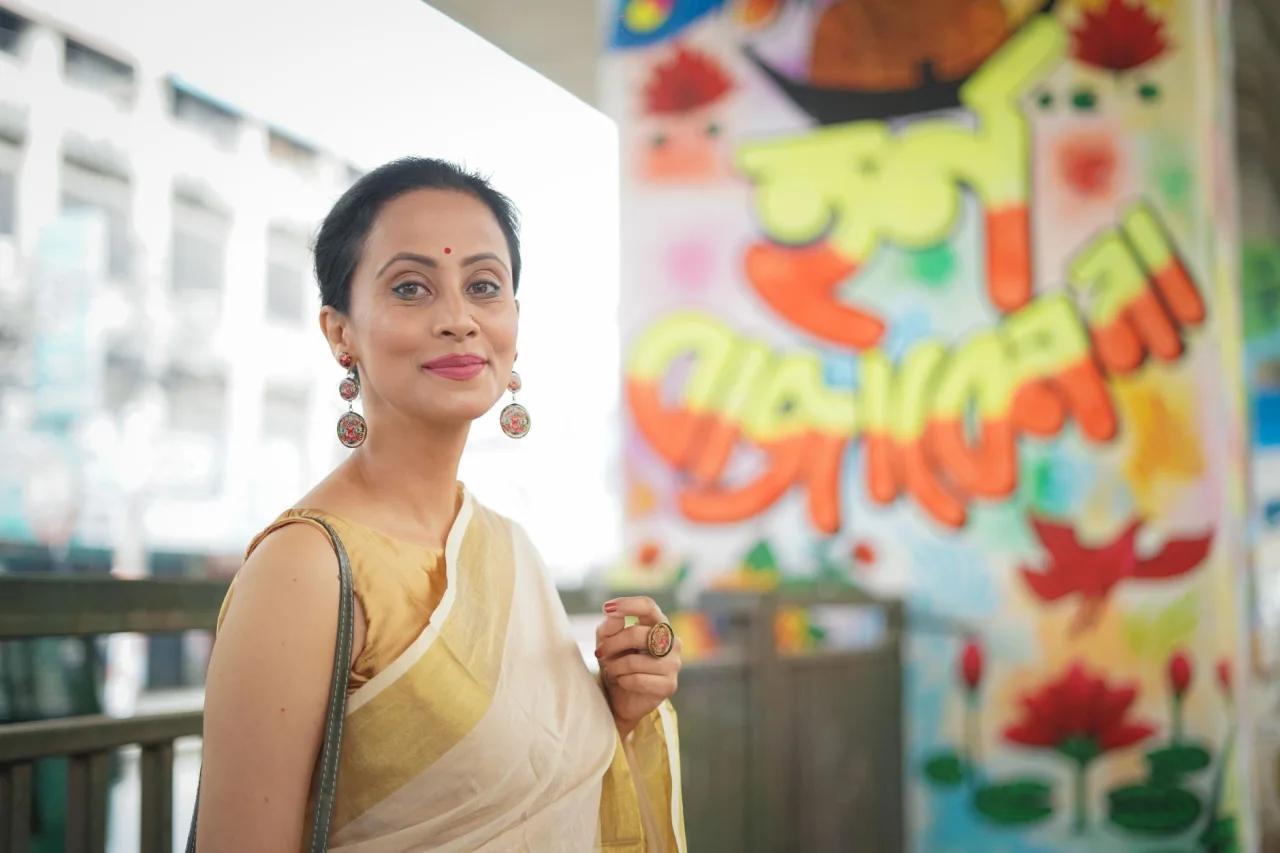
Price in Pakistani fashion tracks three things: the base fabric, the embroidery type and density, and the brand or retailer margin. Understanding these lets you judge whether a price is fair.
- Fabric: pure lawn, raw silk and organza cost more than blends. Heavier, denser cloth generally costs more.
- Embroidery: hand work such as dabka, tilla and zardozi is far more labour-intensive, and therefore pricier, than machine embroidery. Our guide on telling hand from machine embroidery helps you check.
- Brand: a designer label adds margin for design, finishing and name.
As a rough map, high-street lawn suits are the most accessible, mid-range embroidered pieces cost more, and couture bridal can reach into the hundreds of thousands of rupees. These bands vary widely by fabric, work, brand and retailer, so treat any figure as indicative and confirm current pricing before you buy.
Red flags that signal poor value
A high price does not guarantee quality, and a low price is not always a bargain. Watch for:
- Loose or trailing threads on the reverse of embroidery, which suggests rushed finishing.
- Machine embroidery priced as hand work. Machine runs are uniform and identical; hand work has slight, characterful variation.
- Synthetic fabric sold as pure lawn or silk. Check the burn or hand test, or ask directly.
- Uneven dupatta borders or mismatched prints at seams.
- Vague fibre labelling. Reputable sellers state fabric content.
Styling note: Buy the outfit to your calendar. A single well-fitted lawn suit you wear all summer is better value than a heavy formal you wear once. Match the spend to how often the piece will actually work for you.
Step 5: Check the finishing before you commit
Before paying, inspect the details that decide longevity:
- Seams sit flat and are evenly stitched.
- Embroidery is secure, with no pulling at the anchor points.
- The dupatta length and width suit your drape.
- Trouser and shirt lengths match your measurements or leave room for alteration.
- Colourfastness, especially on deep dyes that may bleed on first wash.
Where to buy: brands, boutiques or tailors
Where you shop shapes both price and fit control:
- High-street brands offer seasonal lawn and cambric collections at accessible prices, with predictable ready-to-wear sizing and easy returns.
- Boutiques and mid-range labels sit between high-street and couture, good for embroidered formals with some design distinction.
- Couture designers handle bridal and heavy occasion wear with bespoke fittings, at the top of the price range.
- Local tailors turn unstitched fabric into a custom fit, often the best value if you already own or can source good cloth.
If precise fit is your priority and you have lead time, buying unstitched fabric and working with a trusted tailor usually beats off-the-rack. If convenience matters more, a reputable ready-to-wear brand is the practical route.
Get your measurements right
Whether you buy stitched or unstitched, accurate measurements prevent the most common fit disappointments. Keep a current record of your bust, waist, hips, shoulder width, sleeve length, shirt length and trouser length. When ordering online, compare these against the brand's size chart rather than trusting a generic small, medium or large label, since sizing varies between makers. For unstitched, share the full set with your tailor and specify your preferred neckline depth and sleeve style so nothing is left to guesswork.
Buy for how often you will wear it
The smartest buying decision weighs cost against use. A versatile lawn or cambric suit you will wear across a whole summer earns its price many times over, so it is worth spending a little more on fabric quality and fit. A heavily worked bridal or formal outfit is usually worn once or twice, which makes renting, borrowing or choosing a slightly lighter make a reasonable option unless the occasion truly warrants the investment. Think in terms of cost per wear rather than the sticker price alone. A moderately priced piece in constant rotation is better value than an expensive one that stays in the wardrobe, and this simple lens prevents most buyer's regret. Before you commit, picture at least three separate occasions where you would genuinely wear the outfit; if you cannot, it is probably the wrong buy at that price.
Putting it together
Choose the silhouette that flatters you, the fabric that suits your season and event, and the make that justifies the price. When you are ready to wear it, our guide on styling Pakistani dresses for every occasion takes you from garment to finished look, and the broader Pakistani clothes guide sets the wider wardrobe context.
Frequently asked questions
How do I choose the right Pakistani dress for my body type?
Start with the silhouette. A-line and frock cuts flatter most body types, straight cuts suit tall and lean frames, anarkali gowns elongate and define the waist, and gharara or sharara balance a fuller upper body. Prioritise how the cut hangs on you over the current trend.
Which fabric is best for a Pakistani dress?
It depends on the season and occasion. Lawn, cambric and cotton lawn are best for summer daywear because they are light and breathable. Khaddar, jacquard and velvet suit winter. Chiffon, organza, raw silk and net carry festive and bridal outfits.
Is stitched or unstitched better?
Unstitched offers a custom fit and full control over neckline, sleeves and finishing if you have time and a good tailor. Stitched or ready-to-wear is convenient and quick with predictable sizing but less fit control. Choose based on your lead time and how well ready-made sizes fit you.
How much should a Pakistani dress cost?
High-street lawn suits are the most affordable, mid-range embroidered pieces cost more, and couture bridal can reach into the hundreds of thousands of rupees. Price depends on fabric, embroidery type and density, and brand, so confirm current pricing with the retailer before buying.
What are the warning signs of a poor-quality Pakistani dress?
Watch for loose or trailing threads behind embroidery, machine embroidery sold at hand-work prices, synthetic fabric passed off as pure lawn or silk, uneven borders or mismatched prints at seams, and vague fibre labelling. Reputable sellers state fabric content and finish embroidery neatly.
More on Buying Guides
Have a question or a topic to suggest?
We read every message. Tell us what you would like to see next in the journal.
Get in touch