What Are Pakistani Clothes? Full Guide
Not one garment but a whole wardrobe tradition, built around the shalwar kameez and its many variations.
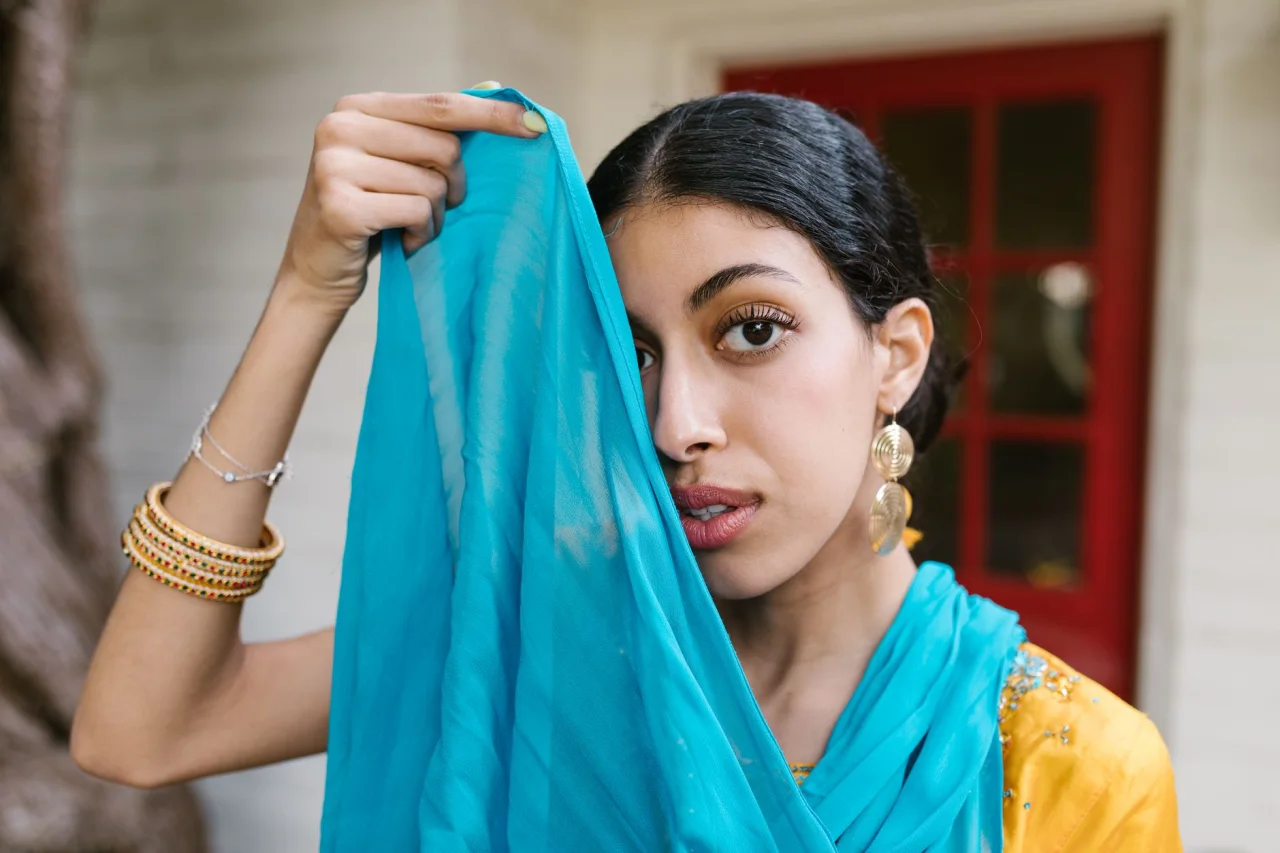
Pakistani clothes are not a single garment but a whole wardrobe tradition, built around the shalwar kameez and expanded through regional cuts, seasonal fabrics and intricate embroidery. This guide explains what the term covers, the core garments for women and men, the fabrics and hand skills behind them, and how the pieces come together for everyday life and big occasions.
The short version
- The shalwar kameez, a tunic worn with loose trousers and often a dupatta, is Pakistan's national dress and the wardrobe's foundation.
- Women's and men's clothing share the same base logic but branch into distinct formal and occasion styles.
- Fabric is seasonal: lightweight lawn and cambric in summer, khaddar and velvet in winter.
- Hand embroidery such as chikankari, gota, dabka and tilla defines festive and bridal pieces.
What "Pakistani clothes" means
The phrase refers to the traditional and contemporary dress worn across Pakistan, centred on the shalwar kameez and its many regional and occasion variants. According to Wikipedia, the shalwar kameez is a combination dress worn by men and women across South and Central Asia, and it is the national dress of Pakistan. Around that core sits a rich family of garments, from casual cotton suits to heavily worked bridal wear.
Unlike a single fixed outfit, Pakistani clothing is a system: a set of silhouettes, fabrics and embroidery traditions that people combine according to region, season, occasion and personal taste.
The core garment: shalwar kameez
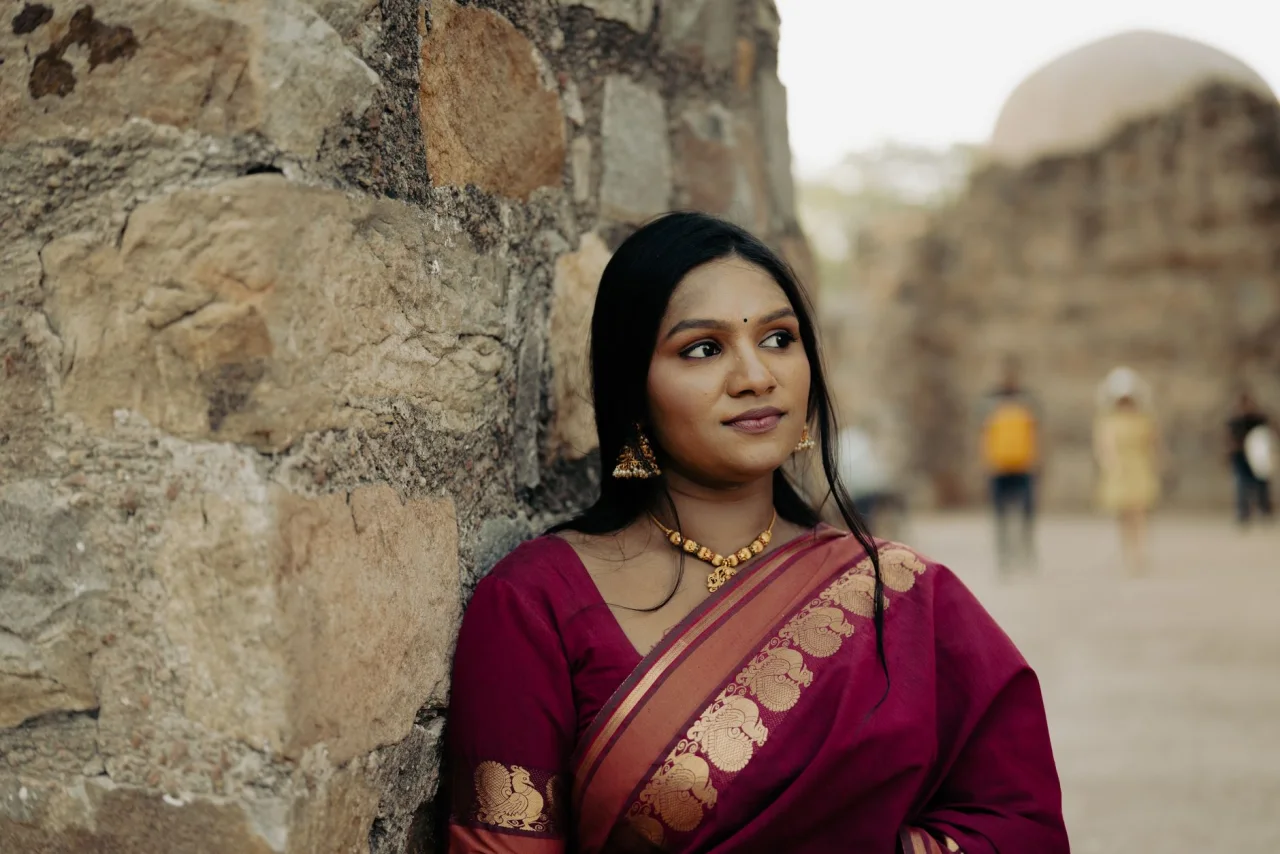
The shalwar kameez has three parts:
- Kameez: a long shirt or tunic, cut straight, A-line or flared.
- Shalwar: loose trousers, wide at the top and tapering toward the ankle, held by a drawstring or elastic.
- Dupatta: a long scarf worn over the shoulders, chest or head, especially by women.
Regional variations are extensive, including the fitted Punjabi suit, the very loose Peshawari shalwar and baggy Balochi styles. Our dedicated shalwar kameez guide goes deeper on these cuts, and the closely related salwar kameez guide covers the shared silhouette.
Women's Pakistani clothing
Women's wear spans everyday suits to elaborate formals. The main families:
- Everyday suits: printed lawn and cambric shirts with trousers, comfortable and breathable.
- Anarkali: a fitted bodice flowing into a long, full skirt.
- Gharara and sharara: wide, flared trousers paired with a short kurti, favourites for weddings.
- Farshi shalwar: a floor-pooling trouser with a regal, historic character.
- Lehenga choli: a skirt and blouse set for bridal and heavy formal wear.
- Lawn suits: the seasonal high-street staple, released in fresh prints each year. See our lawn suit guide.
For a visual survey of current women's silhouettes, see our Pakistani dress designs roundup.
Men's Pakistani clothing
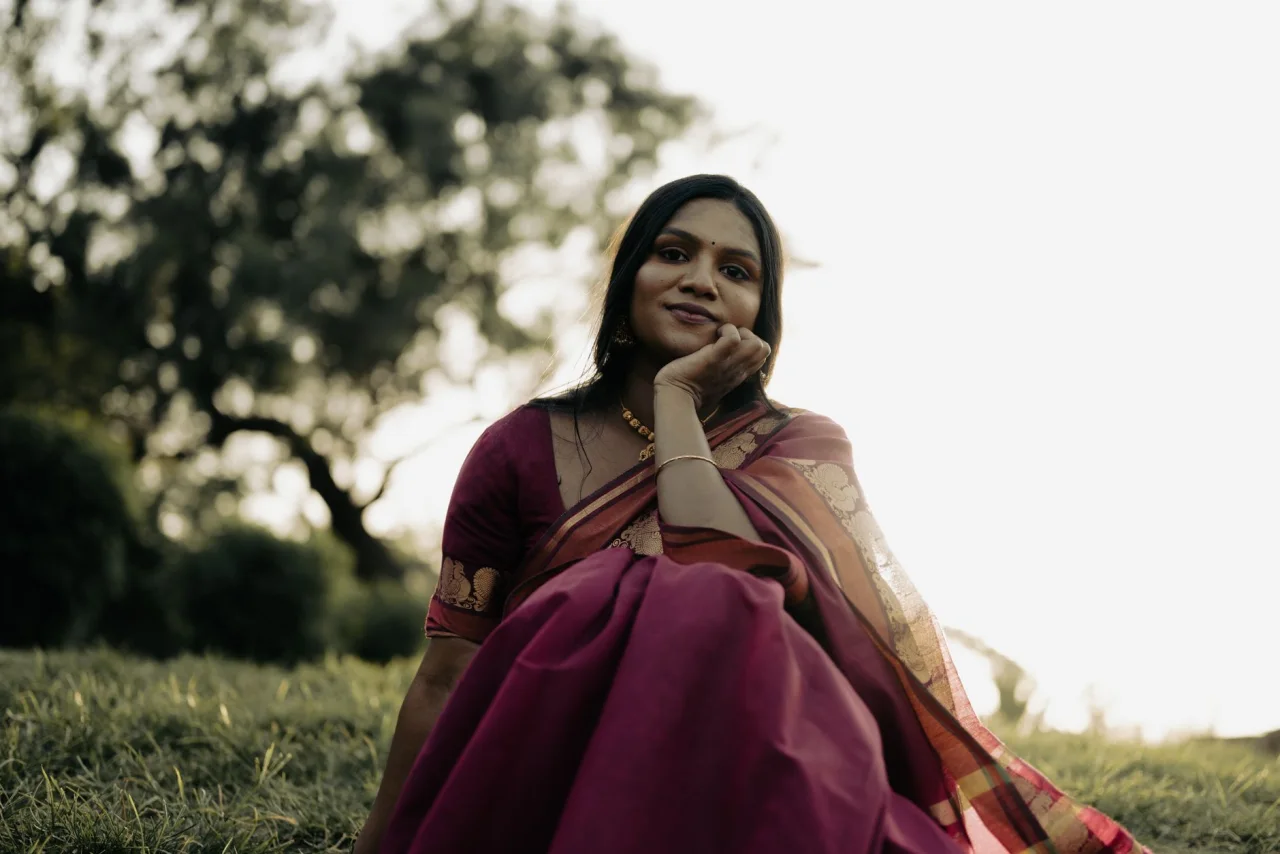
Men's wear shares the shalwar kameez base and adds formal layers:
- Shalwar kameez: the everyday standard, in cotton for daily wear and finer cloth for occasions.
- Kurta with pyjama or trousers: a lighter, versatile option.
- Waistcoat: layered over the kameez to smarten a look for events.
- Sherwani: a long, structured coat for grooms and formal occasions.
The same regional cuts that shape women's shalwar also shape men's, from the loose Peshawari to fitted Punjabi styles.
Fabrics through the seasons
Fabric choice is central to Pakistani dressing because the climate swings between hot summers and cool winters.
- Summer: lawn, a fine combed-cotton weave, is the signature warm-weather cloth, along with cambric and cotton lawn. These are light, breathable and cool.
- Winter: khaddar (a soft handwoven cotton), jacquard and velvet hold warmth and structure.
- Festive and bridal: chiffon and organza for float, raw silk and net for formal structure.
To choose well by season, see our roundups of the best fabrics for Pakistani summers and the best fabrics for winter dresses.
Embroidery and hand skills
Embroidery is what lifts a plain suit into festive or bridal territory, and Pakistani fashion draws on a deep pool of hand techniques:
- Chikankari: fine, traditionally white-on-white hand embroidery associated with Lucknow, using delicate needlework on light fabric.
- Gota: applied metallic ribbon work that adds sparkle at borders and seams.
- Dabka and tilla: raised metallic-thread work used on formals and bridals.
- Mirror work: small mirrors stitched into patterns for texture and shine.
Good to know: Hand embroidery carries slight, characterful variation, while machine embroidery is uniform and repeats exactly. Knowing the difference helps you judge both quality and price.
Occasion dressing
Pakistani clothes are organised as much by occasion as by garment. The same wardrobe stretches from prayer and daytime modesty to multi-day wedding celebrations:
- Everyday and office: lawn and cambric suits, kept simple.
- Eid and festivals: embroidered three-pieces and sharara sets. See our Eid outfit ideas.
- Weddings: gharara, lehenga, farshi shalwar and heavily worked formals across the mehndi, nikah and walima functions.
The dupatta and its many roles
The dupatta deserves its own mention because it does far more than complete an outfit. It provides modesty and can be drawn over the head for prayer or religious occasions, it adds a layer of colour and embroidery, and its drape changes the whole character of a look. In everyday wear a light cotton dupatta is practical and cool, while festive and bridal dupattas carry heavy borders in gota, dabka or net. For gharara and lehenga, a double-dupatta drape, one over the head and one at the waist or arm, is a traditional and photogenic choice.
Caring for Pakistani clothes
Good care keeps a wardrobe wearable for years, and the right method depends on the cloth:
- Lawn, cambric and khaddar handle gentle washing in cool water. Wash prints inside out and dry in shade to hold the colour.
- Chiffon, organza and net are delicate and best hand washed or dry cleaned, never wrung.
- Embroidered and bridal pieces should be dry cleaned and stored folded in muslin or cotton rather than plastic, so metallic work does not tarnish.
- Deep dyes can bleed on the first wash, so test colourfastness and wash them separately.
Iron embroidered garments inside out on low heat with a cloth barrier to protect the surface work.
How Pakistani clothes differ from neighbouring styles
Pakistani and Indian dress share deep roots and overlapping garments, since both draw on the shalwar kameez, lehenga and anarkali traditions. The differences are often in emphasis: Pakistan's strong lawn culture and its shalwar-kameez-first everyday wardrobe, alongside particular regional cuts. Rather than hard boundaries, think of a shared South Asian vocabulary expressed with local accents.
Unstitched and the culture of tailoring
One feature sets Pakistani dressing apart from much of Western fashion: the strong culture of unstitched fabric and custom tailoring. Rather than buying a finished garment off a rack, many people buy an unstitched set, three coordinated fabric lengths for the shirt, trouser and dupatta, and take it to a tailor who cuts it to their measurements and preferred style. This gives a personal fit and lets the wearer choose the neckline, sleeve and finishing. Seasonal lawn launches are built around this system, with brands releasing fresh printed designs each year that customers then have stitched. Ready-to-wear has grown quickly for convenience, but the tailor remains central to how Pakistani clothes are made and worn, and it is a large part of why fit and individuality run so deep in the tradition. It also means two people can buy the same printed fabric and end up with visibly different outfits, shaped by their own choice of cut, sleeve and finishing.
Where to go next
This guide is the hub of our Pakistani wardrobe cluster. From here you can explore the latest Pakistani clothes designs, learn to style Pakistani dresses for every occasion, or read our buying guide on fit, fabric and price.
Frequently asked questions
What are Pakistani clothes?
Pakistani clothes are the traditional and contemporary dress worn across Pakistan, centred on the shalwar kameez, which is a tunic worn with loose trousers and often a dupatta. The term covers a whole wardrobe of regional cuts, seasonal fabrics and occasion wear for both women and men.
What is the national dress of Pakistan?
The shalwar kameez is the national dress of Pakistan. It combines a long shirt or tunic called the kameez with loose, tapering trousers called the shalwar, and women often add a dupatta scarf. It is worn by both men and women in many regional variations.
What fabrics are Pakistani clothes made from?
Fabric is chosen by season. Lightweight lawn, cambric and cotton lawn are used for hot summers, while khaddar, jacquard and velvet suit winter. Festive and bridal pieces use chiffon, organza, raw silk and net. Lawn is Pakistan's signature summer fabric.
What is the difference between Pakistani and Indian clothes?
The two share deep roots and many garments, including the shalwar kameez, lehenga and anarkali. Differences are mostly in emphasis, such as Pakistan's strong lawn culture and shalwar-kameez-centred everyday wardrobe, along with particular regional cuts. They form a shared South Asian dress vocabulary with local accents.
What embroidery is used on Pakistani clothes?
Common hand techniques include chikankari, a fine white-on-white needlework associated with Lucknow, gota metallic ribbon work, raised dabka and tilla metallic-thread work, and mirror work. Hand embroidery shows slight natural variation, while machine embroidery repeats uniformly.
More on Clothing Types
Have a question or a topic to suggest?
We read every message. Tell us what you would like to see next in the journal.
Get in touch