Pakistani Dresses Designs: 20+ Ideas
More than twenty design directions worth saving for 2026, from breezy lawn suits to bridal gharara and lehenga.
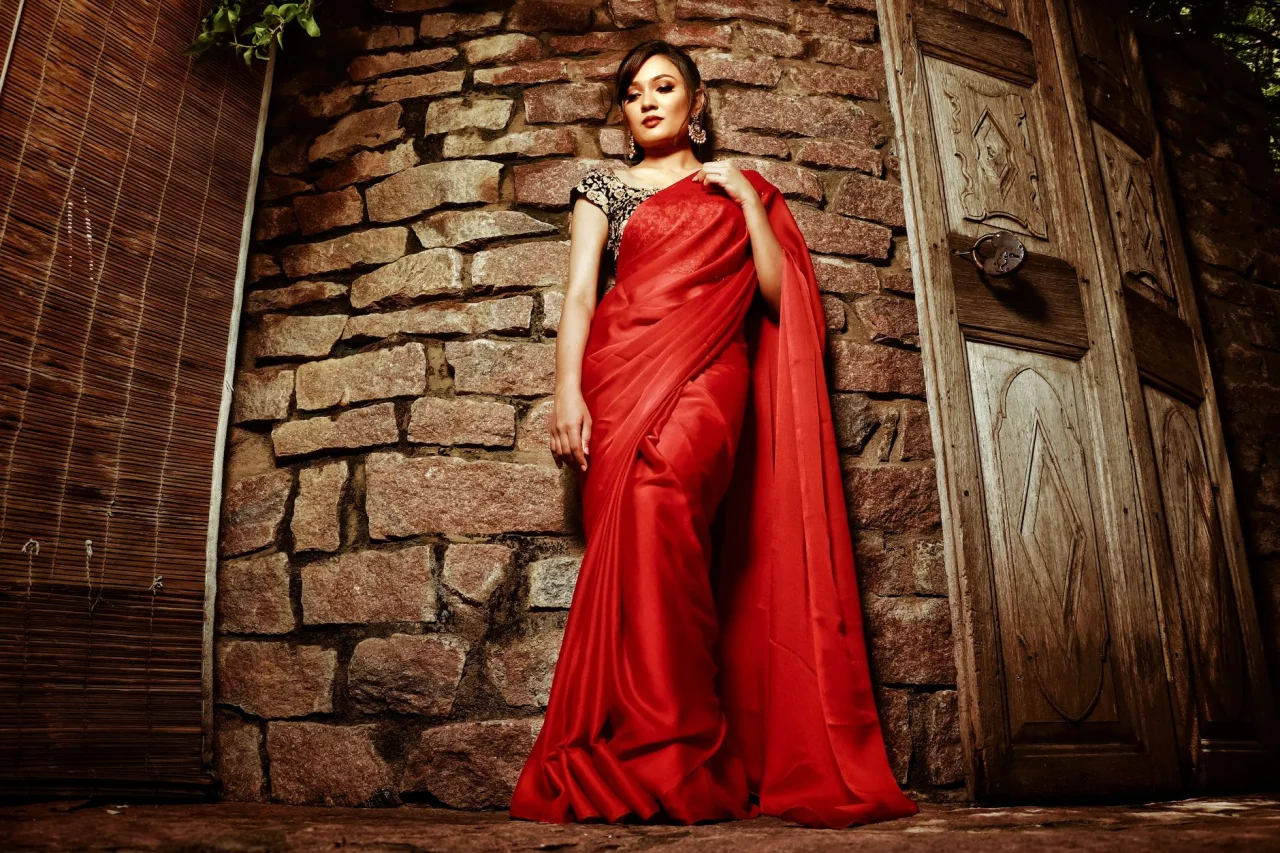
Pakistani dress design moves fast, but the shapes that actually get worn stay grounded in one idea: a beautifully cut kameez, a flattering trouser or skirt, and a dupatta that ties the look together. This roundup gathers more than twenty design directions worth saving for 2026, sorted by occasion and budget so you can find the one that fits your event and your wallet.
The short version
- Silhouettes for 2026 lean into ease: straight and A-line shirts, wide farshi and gharara trousers, and relaxed co-ord separates.
- Lawn and cambric rule the day looks, while organza, chiffon, raw silk and net carry the festive and bridal ideas.
- Embroidery is going lighter and more placed: neckline panels, scattered motifs and delicate borders instead of head-to-toe work.
- Buy to your occasion first, then your budget. The same silhouette exists at high-street, mid and couture price points.
How to read this list
Each idea below is a design direction rather than a single stitched product, because Pakistani fashion is built around adapting a shape to your fabric, colour and embroidery budget. Save the ones that suit your body and your calendar, then take them to a tailor or match them to a ready-to-wear brand. If you are new to the category, start with our explainer on what counts as a Pakistani dress, then come back here for the visual ideas.
We have grouped the ideas into everyday, festive, and wedding tiers. Within each tier you will see a spread of price levels, since a straight-cut lawn shirt and a hand-embroidered organza gown can share the same core silhouette.
Everyday and workwear designs
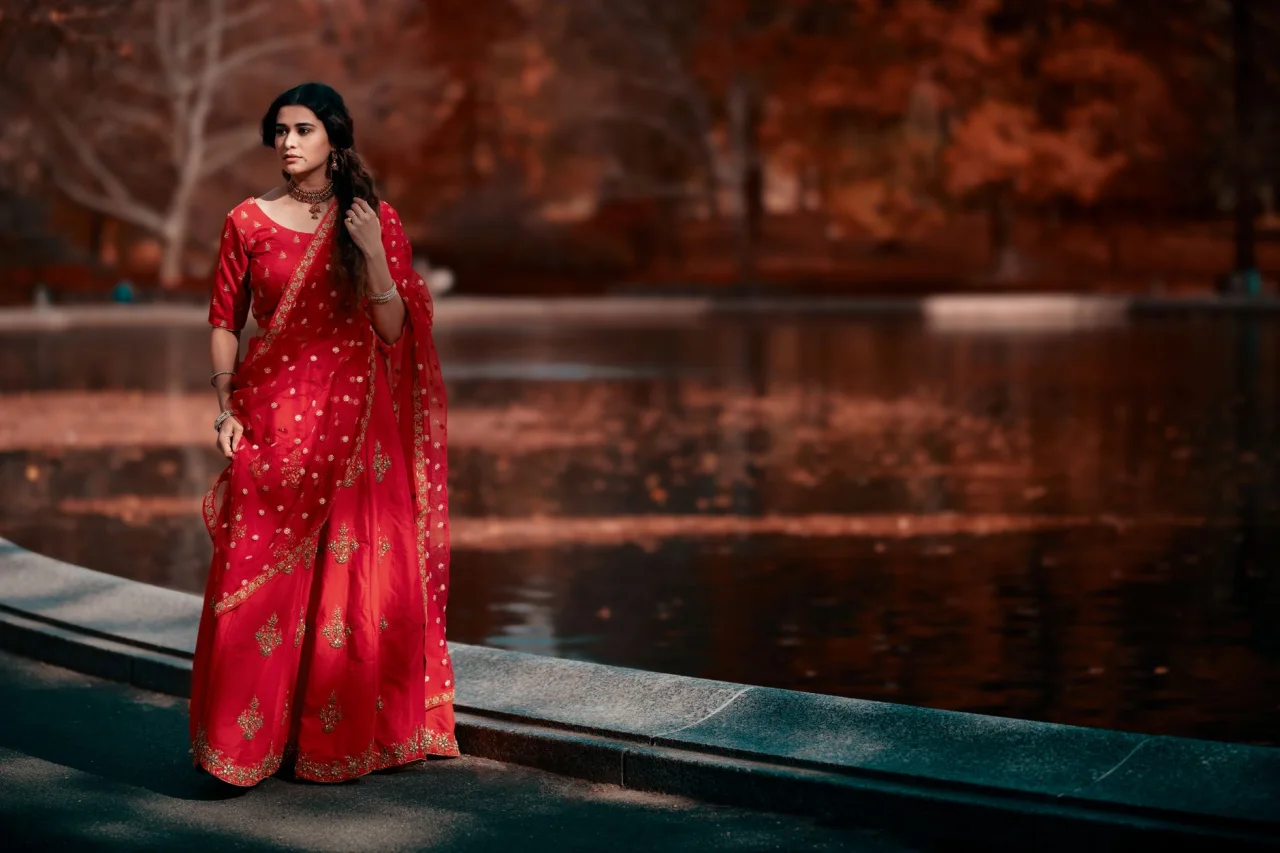
Daytime dressing in 2026 is about breathable fabric and clean lines that move from home to office to a casual visit without fuss. These ideas photograph well and sew easily.
- Straight-cut lawn shirt with trousers. The workhorse of a Pakistani wardrobe: a knee-length straight kameez in printed lawn over cigarette pants. Lightweight and forgiving in heat.
- Short chikankari kurti. White-on-white or pastel thread work on cotton, kept minimal for daily wear. See our note on how to spot quality chikankari before you buy.
- A-line cambric shirt. A gently flared cut that skims the hips, ideal if you want shape without a fitted waist.
- Two-piece khaddar suit for cooler months. Woven cotton with a soft handle, printed or lightly embroidered, warm enough for autumn mornings.
- Co-ord separates. A matching relaxed shirt and wide trouser you can also split across other outfits.
- Boxy tunic over straight pants. A modern, minimal line for the office in solid colours.
Styling note: For daywear, let the print do the talking and keep jewellery to studs and a watch. Save statement pieces for the evening ideas below.
Festive and party designs
Festive dressing is where colour, sheen and placed embroidery come in. These ideas suit Eid, dinners, mehndi functions and family celebrations without the full weight of bridal work.
- Embroidered organza shirt with raw-silk trousers. Crisp, translucent organza with a worked neckline and a solid contrasting trouser.
- Angarkha-style frock. A cross-over, tie-front bodice flowing into a soft flare, a romantic and historic silhouette.
- Anarkali gown. A fitted bodice into a long, full skirt: read our guide on the anarkali silhouette to pick your flare.
- Sharara set with a short kurti. Flared-from-the-hip trousers in jacquard or net, playful and easy to move in.
- Gharara with gota-trimmed kurti. The knee-ruched trouser is a heritage favourite from the Awadh region; our piece on gota work explains the sparkle at the seams.
- Chiffon three-piece with scattered sequins. Fluid and light, flattering across body types.
- Peplum top with a straight skirt or trouser. A structured, contemporary festive line.
- Net dupatta with dabka-worked borders. Let the dupatta be the hero over a plain shirt.
Bridal and formal designs
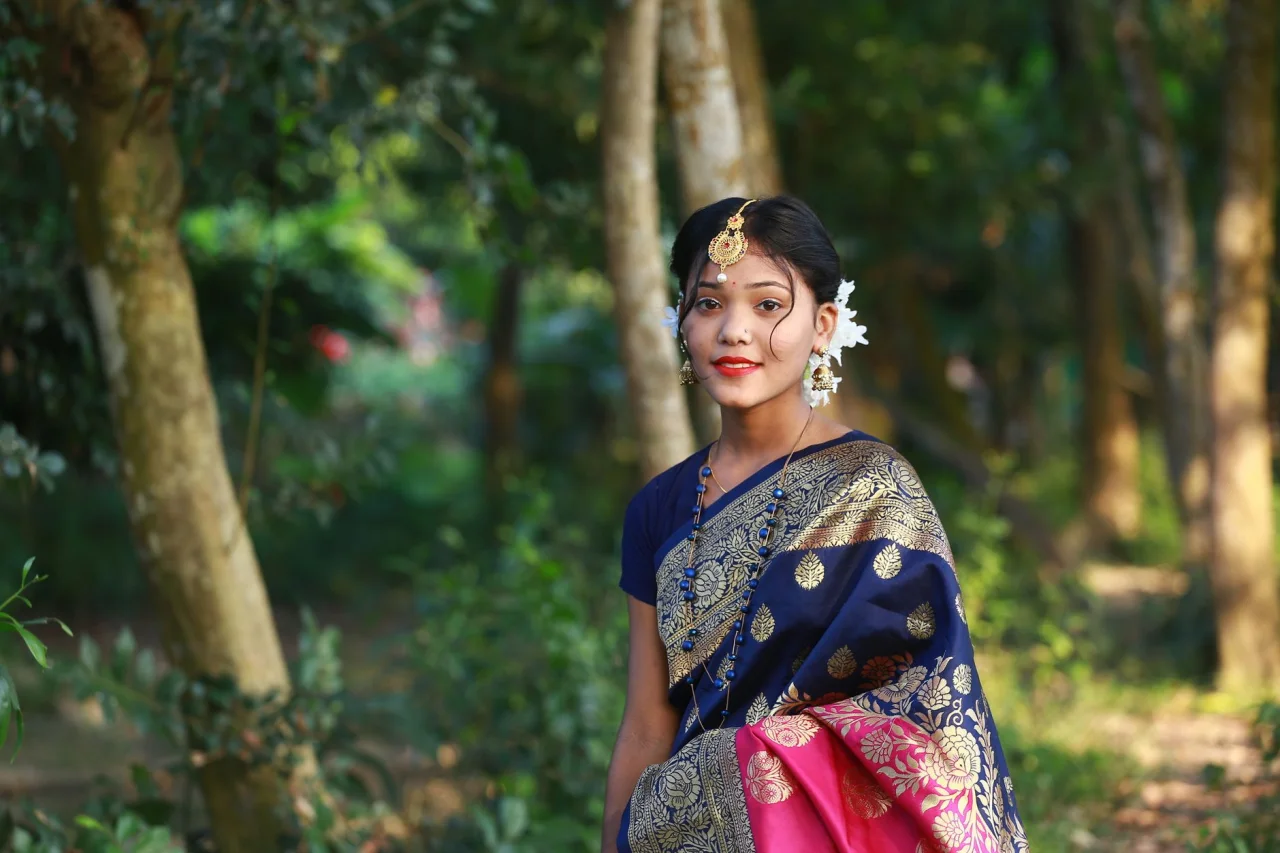
Wedding-scale designs use heavier fabric, layered embroidery and considered colour. These ideas carry zari, dabka, tilla and stone work, so plan lead time and fittings.
- Deep-hue lehenga choli with dabka and zari. A classic bridal statement in velvet or raw silk.
- Farshi shalwar with a long shirt. A regal, floor-pooling trouser revived for modern brides.
- Ivory nikah suit with tilla embroidery. Understated and elegant for the ceremony itself.
- Walima gown in pastel organza. Soft, luminous and lighter than a red bridal.
- Angarkha-cut bridal frock with a can-can flare. Volume and vintage romance together.
- Mehndi-yellow gharara. Bright, floral and festive for the henna function; see more mehndi outfit ideas.
- Contrast-dupatta sharara. A jewel-tone shirt with a differently coloured, heavily worked dupatta.
- Structured train gown. A fusion silhouette for reception glamour.
Budget reality check: The same silhouette spans high-street to couture. As a rough guide, everyday stitched suits often sit in the low hundreds of thousands of PKR only at couture level; high-street lawn is far more accessible. Prices vary widely by fabric, embroidery density, brand and retailer, so always confirm current pricing before you commit.
Colours and prints to save for 2026
Trend colour is best treated as a starting palette, not a rule. For 2026, expect warm neutrals such as ivory, sand and clay to anchor daywear, with jewel tones like emerald, ruby and sapphire leading festive and bridal ideas. Digital florals, geometric borders and self-tone tone-on-tone prints remain strong on lawn and cambric.
- Pastels for walima and daytime events.
- Deep, saturated hues for evening and winter.
- Metallic accents through gota, tilla and sequins rather than all-over shimmer.
Match the fabric to the season
Design ideas only work if the fabric suits the weather. Lawn and cambric keep summer looks cool and are the backbone of Pakistani warm-weather dressing, a point confirmed by lawn cloth's long association with the region. For winter, khaddar, jacquard and velvet hold their shape and warmth. Our roundups of the best fabrics for Pakistani summers and best fabrics for winter dresses go deeper on each.
Caring for your outfit so it lasts
A well-chosen design is only worth it if it survives more than one season. Care depends heavily on fabric and embroidery:
- Lawn and cambric tolerate gentle machine or hand washing in cool water. Wash prints inside out to protect the colour, and dry in shade to prevent fading.
- Chiffon, organza and net are delicate. Hand wash or dry clean, and never wring them, since the weave distorts easily.
- Embroidered and bridal pieces with dabka, tilla or zari should be dry cleaned only. Store them folded in muslin or cotton, not plastic, so the metallic work does not tarnish.
- Deep dyes such as reds and maroons can bleed on the first wash. Wash them separately and test colourfastness on a hidden seam first.
Turning embroidered garments inside out before ironing, and pressing on a low heat with a cloth barrier, keeps the surface work intact for years.
Where these designs are sold
The same silhouette appears across three tiers of the market. High-street brands release seasonal lawn and cambric collections that are affordable and widely available. Mid-range labels offer embroidered organza, chiffon and raw-silk formals. Couture ateliers handle bridal and heavy occasion wear with bespoke fittings and hand embroidery. Local tailors sit alongside all three, turning unstitched fabric into a custom fit. Knowing which tier your chosen design belongs to helps you set a realistic budget and lead time before you shop.
From saved idea to finished outfit
Once you have chosen a few directions, the next steps are styling and buying. For accessorising, footwear and dupatta drapes across events, see how to style Pakistani dresses for every occasion. When you are ready to purchase, our fit, fabric and price guide walks through stitched versus unstitched, body-type fit and the red flags that signal poor value.
Frequently asked questions
What Pakistani dress designs are trending for 2026?
Relaxed, breathable silhouettes lead the way: straight and A-line shirts, wide gharara and farshi trousers, and co-ord separates. Embroidery is lighter and placed at necklines and borders rather than covering the whole garment, and warm neutrals share the palette with classic jewel tones.
Which fabrics suit Pakistani dresses best?
Lawn and cambric are ideal for summer because they are lightweight and breathable, while khaddar, jacquard and velvet suit winter. Chiffon, organza, net and raw silk carry festive and bridal designs. Always match the fabric to your event and the season.
What is the difference between stitched and unstitched Pakistani dresses?
Unstitched sets are lengths of fabric you have tailored to your measurements, offering fit and customisation. Stitched or ready-to-wear pieces are convenient and quick but offer less control over fit. Your choice depends on time, budget and how personal you want the fit to be.
How much do Pakistani dresses cost?
Prices range enormously. High-street lawn suits are affordable, mid-range embroidered pieces cost more, and couture bridal outfits can reach into the hundreds of thousands of rupees. Cost depends on fabric, embroidery density, brand and retailer, so confirm current pricing before buying.
Are these designs suitable for weddings?
Yes. The bridal and formal ideas here, such as lehenga choli, farshi shalwar, gharara and structured gowns, are built for wedding events. Choose heavier fabrics and layered embroidery for the main functions and lighter organza or chiffon for daytime and walima events.
More on Clothing Types
Have a question or a topic to suggest?
We read every message. Tell us what you would like to see next in the journal.
Get in touch