What Are Pakistani Dresses?
From the shalwar kameez to lawn suits and formals: the silhouettes, fabrics and seasons behind Pakistani dressing.
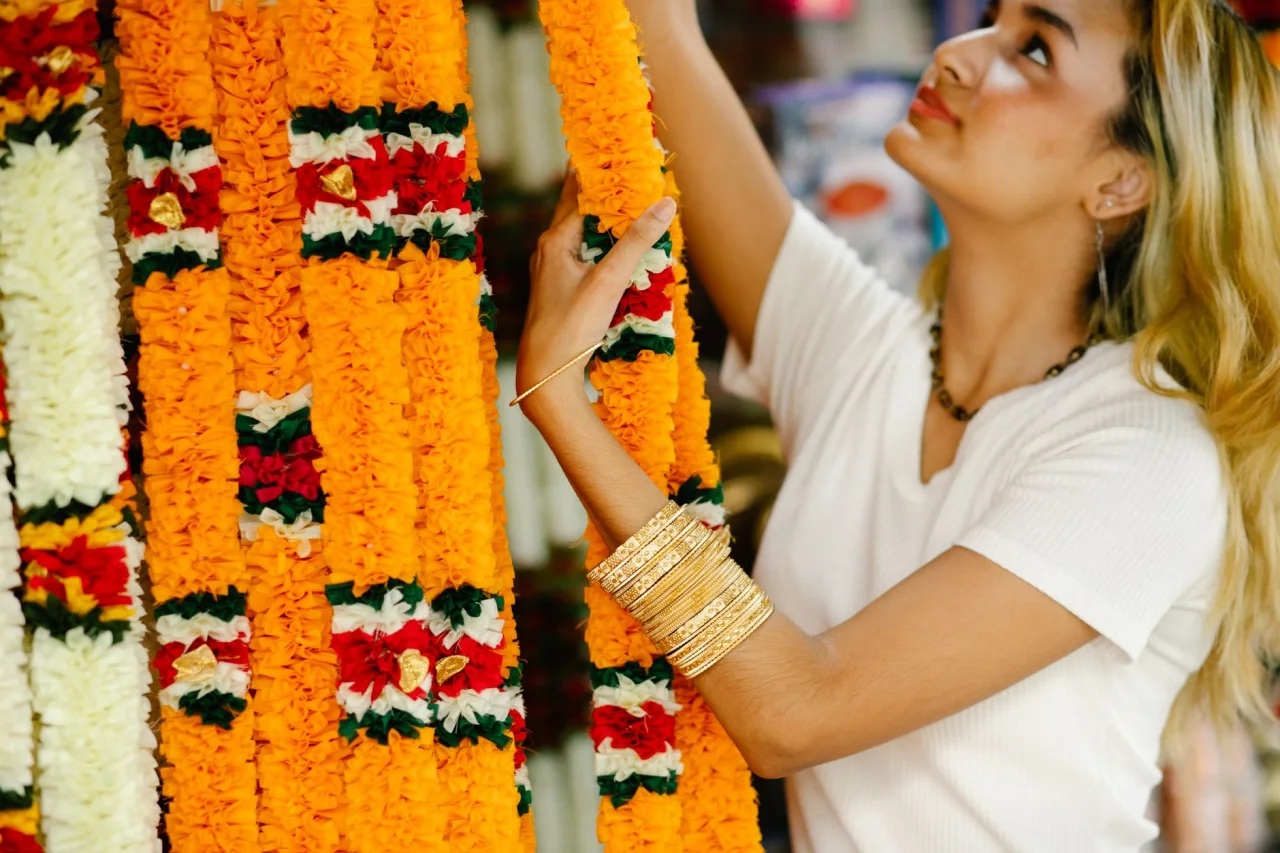
"Pakistani dresses" is the everyday shorthand for the clothing worn across Pakistan, built around the shalwar kameez but stretching to lawn suits, anarkalis, ghararas, lehengas and heavily embroidered formals. It is a living tradition that blends regional heritage with a fashion industry known worldwide for its prints and craft. This guide explains what Pakistani dresses are, the main silhouettes, the fabrics and embroidery that define them, and how to choose across seasons and occasions.
The short version
- The core of Pakistani dress is the shalwar kameez, the country's national dress.
- Women's wear spans lawn suits, kurtas, anarkalis, ghararas, shararas and formals.
- Fabric leads the calendar: light lawn and chiffon for summer, khaddar and velvet for winter.
- Embroidery, from chikankari to zardozi, sets the formality of each piece.
What "Pakistani dresses" means
The phrase is a category rather than a single garment. At its heart is the shalwar kameez, a two-piece outfit of loose trousers and a long tunic that Wikipedia describes as the national dress of Pakistan. Worn by both men and women, it is the base from which most Pakistani dressing grows. Around it sits a wide family of women's silhouettes and a strong ready-to-wear and designer industry, so "Pakistani dresses" can mean anything from a simple cotton suit for home to an intricately embroidered formal for a wedding.
Because the category is so broad, it helps to think in three layers: the everyday base (shalwar kameez and kurtas), the seasonal fabric story (what the cloth suits), and the occasion tier (casual, festive and formal). Get those three right and the rest follows. It is also worth remembering that Pakistani dress is closely related to, but not identical with, broader South Asian clothing: it shares the shalwar kameez base with neighbours while keeping its own distinctive fabric culture, print traditions and silhouettes.
The core silhouette: shalwar kameez
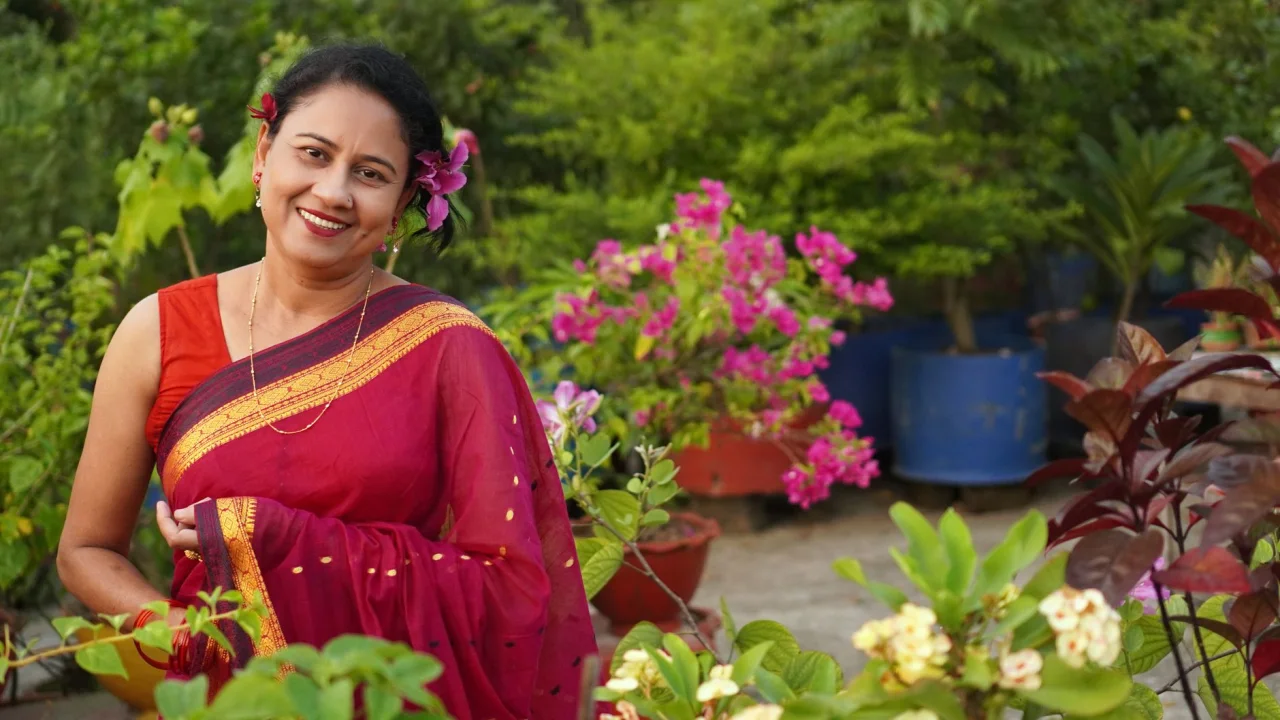
The shalwar kameez has two essential parts, often finished with a third. The kameez is a long shirt or tunic, sometimes with side slits called chaak for movement. The shalwar is loose trousers, wide at the waist and tapering to the ankle, gathered with a drawstring or elastic. Women usually add a dupatta, a long scarf worn over the shoulders or head. Wikipedia's overview of the shalwar kameez notes it is worn by both men and women across South and Central Asia, with the dupatta commonly used by women as a graceful finishing layer.
For a deeper look at cut and styling, see our guides to the shalwar kameez and the salwar kameez.
Women's Pakistani silhouettes
Beyond the base suit, women's Pakistani dressing includes a rich set of shapes for different occasions:
- Lawn suit: the summer staple, a printed or embroidered suit in fine cotton lawn.
- Straight and A-line kurta: versatile daily and semi-formal options.
- Anarkali: a long, flowing frock-style top over a fitted bottom. The Anarkali silhouette ranges from knee to floor length and often carries embroidery.
- Gharara and sharara: flared and pleated trouser sets with festive and bridal heritage.
- Lehenga and formals: the dressiest tier, worn for weddings and major functions.
To go deeper, our guides to the lawn suit and the gharara cover fit and styling in detail.
Fabric leads the calendar
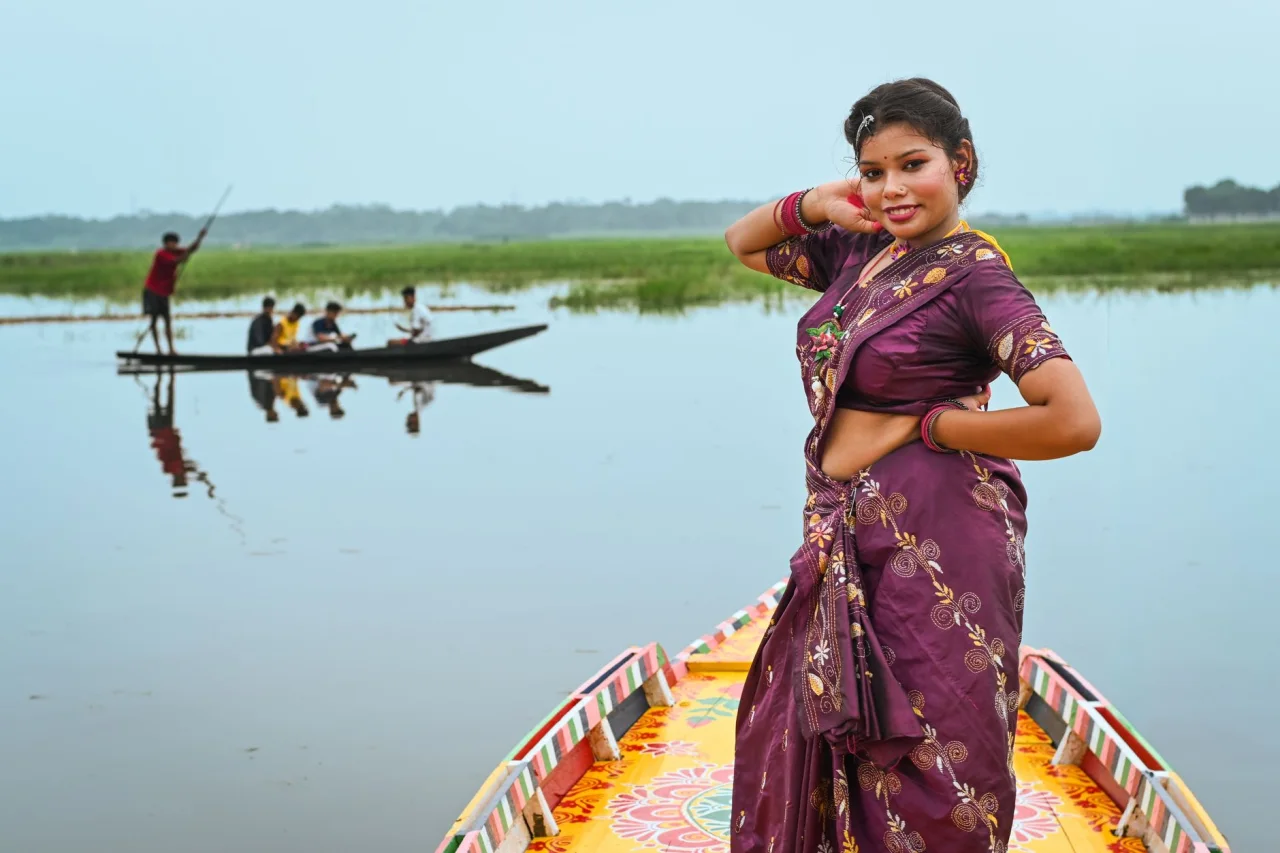
More than any other tradition, Pakistani dressing is organised around fabric and season. Summers, which are long and hot across much of the country, call for breathable cloth: lawn, cambric, cotton lawn and khaddar in lighter weights, along with airy chiffon for dressier looks. Winters bring khaddar in heavier weaves, velvet, jacquard and warm silks. This is why the lawn season is such a fixture of the Pakistani fashion calendar, with new print collections eagerly awaited each year.
To match cloth to climate, our roundups of the best fabrics for Pakistani summers and the best fabrics for winter dresses are practical companions to this guide.
Styling note
The dupatta is the fastest way to change the mood of a Pakistani suit. A crisp cotton dupatta reads casual, an embroidered net or organza one dresses the same kameez up for an evening. Keep two or three in versatile colours and one outfit can serve many occasions.
Embroidery and craft
Surface work sets the formality of a Pakistani dress. Lighter pieces use delicate chikankari, thread and resham embroidery, while festive and bridal formals bring in metallic techniques. Gold and silver work in the zardozi tradition, which flourished under the Mughal courts, along with dabka, tilla, gota and mirror work, marks the most formal end of the wardrobe. Recognising the embroidery helps you judge both quality and how dressy a piece is meant to be. Our explainer on chikankari is a good place to start.
Regional and cultural context
Pakistan's dress is not uniform. According to the overview of Pakistani culture, regional and traditional forms of dress carry their own significance as symbols of native heritage, and the country's fashion industry blends traditional and modern styles. Provinces and communities have distinctive touches, from Sindhi and Balochi embroidery to Punjabi phulkari influences, layered over the shared shalwar kameez base. The dupatta also serves a cultural role, offering many women a form of modesty while remaining light and graceful. Treating Pakistani dress as one flat style misses this regional richness.
Occasion tiers: casual, festive and formal
Alongside season, occasion is the other axis that organises Pakistani dressing, and it splits cleanly into three tiers. Casual wear covers printed lawn, cotton and khaddar suits for home, work and daily errands, prioritising comfort and easy care. Festive or semi-formal wear steps up with embroidered lawn, chiffon and organza suits, anarkalis and light shararas for Eid, gatherings and dinners. Formal and bridal wear sits at the top, with heavy embroidery on silk, velvet and net for weddings and major functions. Recognising which tier an event calls for stops you from arriving underdressed to a wedding or overdressed to a lunch. Our occasion guides, including the complete Eid outfits guide, help you place each event on this scale.
Men's Pakistani dress
Pakistani dress is not only womenswear. Men also wear the shalwar kameez as everyday and formal clothing, often finished with a waistcoat for occasions or paired with a sherwani for weddings. The kurta, worn with a shalwar or trousers, is a lighter staple, while regional touches like the Sindhi cap and Balochi styles add local identity. As the overview of Pakistani culture notes, Western-style trousers, shirts and tailored suits are also common in professional settings, so a modern Pakistani wardrobe typically blends the traditional shalwar kameez with contemporary pieces.
How to choose Pakistani dresses
Choose by season first, then occasion, then embroidery. Match fabric to the weather, pick a silhouette that suits your comfort and the event, and let embroidery signal how formal you want to look. On price, Pakistani dressing is famously flexible: unstitched lawn and cotton suits are affordable and let you tailor to fit, ready-to-wear pieces cost more, and designer formals with heavy hand embroidery climb steeply. Because figures move constantly with fabric, work and retailer, treat any quote as indicative and confirm current pricing before buying.
- Unstitched suits: best value and a custom fit, but you pay separately for tailoring.
- Ready-to-wear: convenient and consistent, at a higher price.
- Designer formals: the premium tier, driven by hand embroidery and fabric.
Buying tip
If you buy unstitched, invest in a good tailor. The cloth and print get the attention, but fit is what makes a Pakistani suit look expensive. A precise stitch on affordable lawn beats a loose stitch on premium fabric every time.
Frequently asked questions
What are Pakistani dresses?
Pakistani dresses is a broad term for clothing worn across Pakistan, built around the shalwar kameez, the country's national dress. It includes lawn suits, kurtas, anarkalis, ghararas, shararas, lehengas and embroidered formals, spanning casual, festive and bridal wear for both everyday and special occasions.
What is the national dress of Pakistan?
The shalwar kameez is the national dress of Pakistan, worn by both men and women. It combines loose trousers (shalwar) with a long tunic (kameez), and women typically add a dupatta, a long scarf worn over the shoulders or head as a graceful and modest finishing layer.
What fabrics are used for Pakistani dresses?
Fabric follows the season. Summers favour breathable lawn, cambric, cotton lawn, khaddar and chiffon, while winters bring heavier khaddar, velvet, jacquard and warm silks. The annual lawn print season is a well-known fixture of the Pakistani fashion calendar.
What is the difference between stitched and unstitched Pakistani suits?
Unstitched suits are sold as fabric pieces that you have tailored to your measurements, offering better value and a custom fit but requiring a separate tailoring cost. Ready-to-wear suits come pre-stitched for convenience and consistency at a higher price.
How much do Pakistani dresses cost?
Prices range widely. Unstitched lawn and cotton suits are the most affordable, ready-to-wear pieces cost more, and designer formals with heavy hand embroidery climb steeply. Figures vary constantly by fabric, embroidery and retailer, so always confirm current pricing before buying.
More on Clothing Types
Have a question or a topic to suggest?
We read every message. Tell us what you would like to see next in the journal.
Get in touch