The Complete Eid Outfits Guide
Formality, colours, modesty and finishing: the decisions that get your Eid look exactly right.
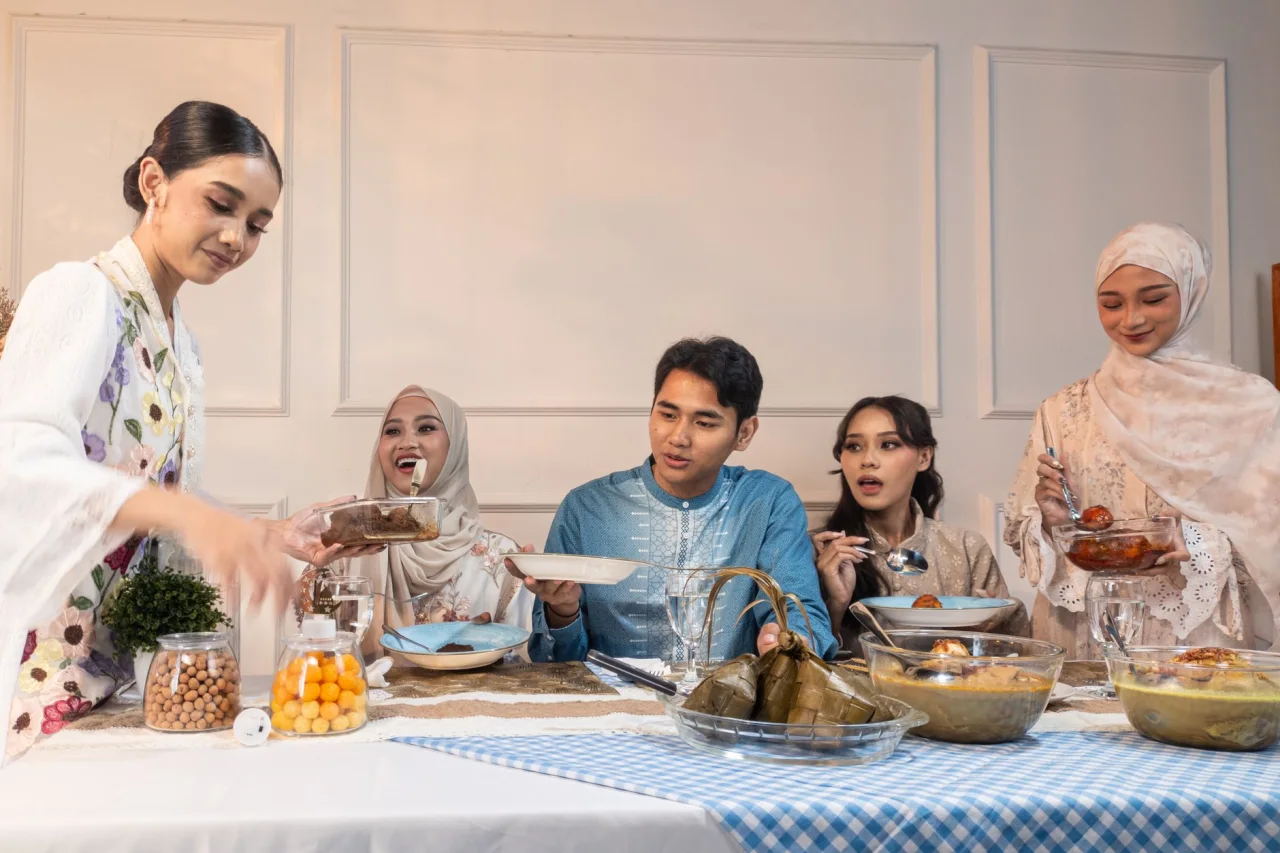
Choosing an Eid outfit is less about finding one perfect dress and more about making a few smart decisions: how formal to go, which colours suit the occasion, and how to finish the look. This complete guide walks you through those choices step by step, so whatever you already own or plan to buy, you show up dressed exactly right.
The short version
- Match your formality to the setting: modest and easy for prayers, festive and polished for the family meal, glamorous only if the evening calls for it.
- Colour is about occasion and confidence, not rigid rules. Festive brights and jewel tones suit Eid; pick shades that flatter you.
- Modesty comes first for Eid prayers, so plan sleeve length, coverage and a dupatta you can actually keep in place.
- Finish deliberately: one focal point, comfortable shoes, and jewellery scaled to how much your outfit is already doing.
Start with the occasion, not the outfit
Eid al-Fitr celebrates the end of Ramadan and begins on the first of Shawwal, and in many cultures wearing your best or newest clothes is part of marking the day. As Wikipedia's Eid al-Fitr entry notes, families across the Muslim world set aside special garments for the festival. So dressing up is expected, but how much depends on where you will be.
Before anything else, answer three questions. Where will you spend the day: the mosque, a relative's home, a restaurant, a big hosted gathering? How long will you be out? And what is the weather? A humid morning of floor-seated prayers and a cool evening dinner party ask for very different outfits, and knowing your day prevents an expensive mismatch.
Reading the formality level
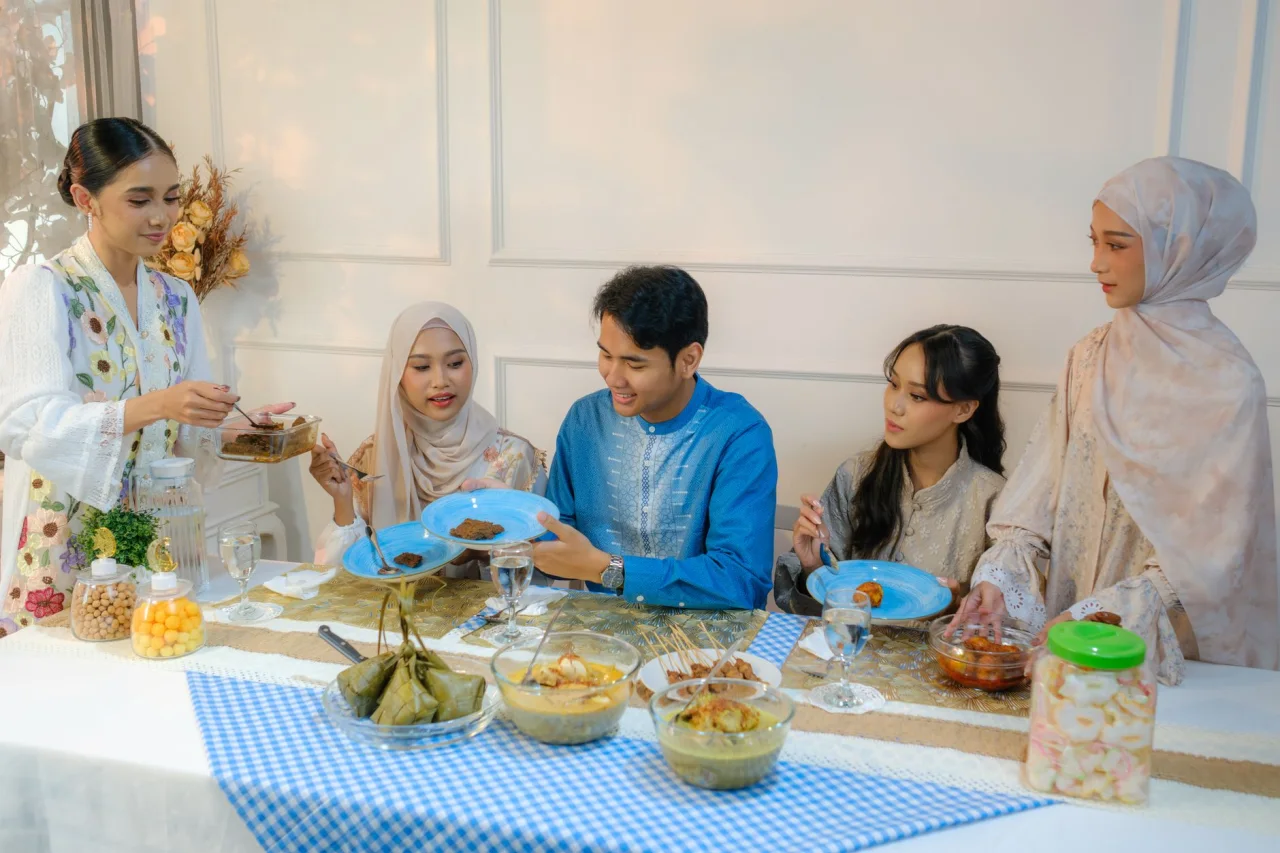
Think of Eid dressing on a simple scale from relaxed to formal, and place your day on it.
- Relaxed festive: Eid prayers and a casual family lunch. A pretty printed lawn or cotton suit, a light kurta set, or a simple embroidered piece. Comfortable, modest, cheerful.
- Smart festive: A hosted lunch or evening visits. Semi-formal chiffon, organza or raw silk with some embroidery, a coordinated dupatta and real jewellery.
- Full formal: An evening party or a family event that doubles as a reunion. A heavily worked anarkali, gharara, sharara or a festive lehenga, styled to the nines.
Most people only need the first two levels. Reserve full formal for when the setting genuinely warrants it, and you will always look considered rather than overdressed.
Choosing colours that work
There is no religious rule fixing Eid colours, so treat colour as a tool. Eid is celebratory, which is why festive brights and jewel tones dominate: emerald, teal, ruby, mustard, coral, blush and classic ivory and gold. A few practical guidelines help you decide.
- Match the time of day. Pastels and soft prints feel right in warm morning light. Deeper jewel tones and metallics come alive in the evening.
- Flatter your skin, not the trend. The best Eid colour is the one that makes your face look bright and rested. Hold fabric near your face in daylight before buying.
- Consider the family palette. If you are taking group photos, a loosely shared colour story looks intentional without being matchy.
Colours to think twice about
Nothing is forbidden, but heavy all-black can read sombre for a joyful day, and stark bridal-white with red can accidentally echo wedding dressing at a family Eid. If you love those shades, break them up with festive accents so the mood stays celebratory.
Modesty and mosque-appropriate dressing
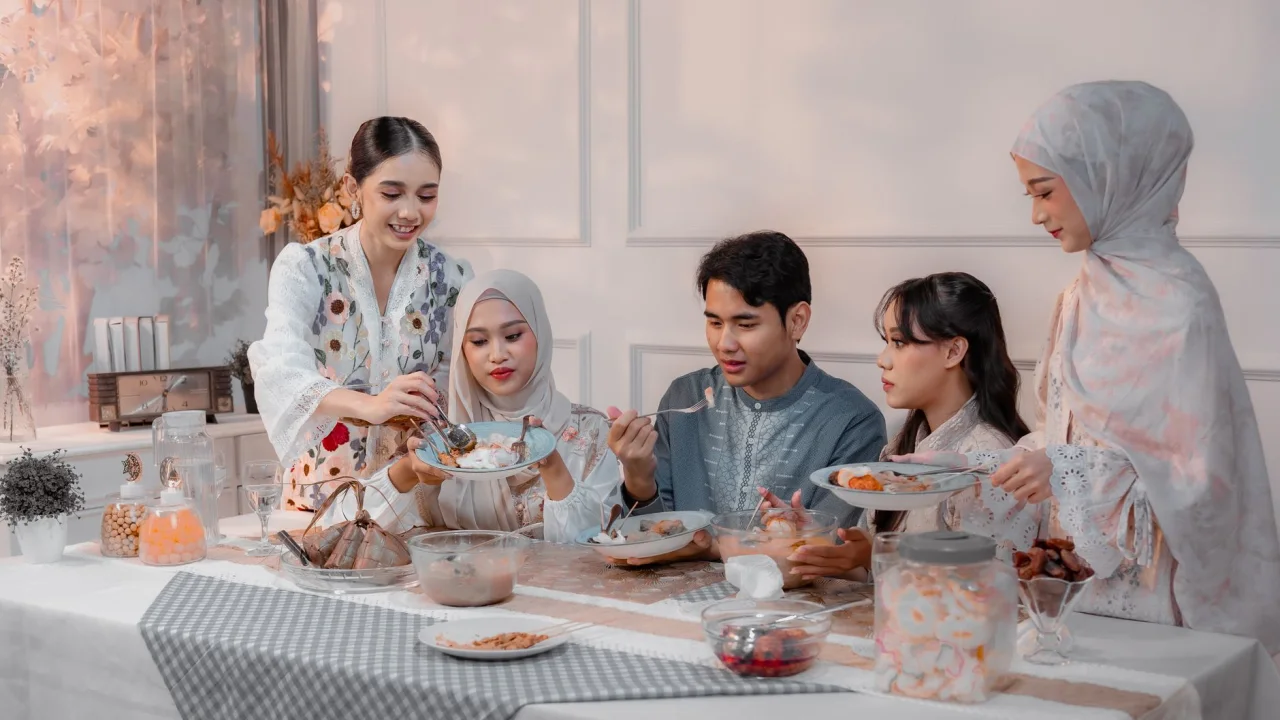
If your Eid includes congregational prayers, plan for modest coverage as a baseline: longer sleeves, a hemline that sits comfortably when seated, and a dupatta or scarf that stays put through movement. A slip or lining under sheer fabrics such as chiffon and organza saves you worrying all day. An abaya or a longer anarkali handles prayers and lunch gracefully in a single piece.
Practical trumps fussy here. Choose a dupatta weight you can actually manage, and avoid anything so delicate you spend prayers adjusting it. Modest, comfortable and calm always beats beautiful but stressful.
The garment decision: which silhouette
Once formality and colour are set, pick a shape. Each classic Eid silhouette has a personality.
- Anarkali: A long, flared frock-style top that flatters most figures and reads instantly festive. Our guide to the anarkali suit explains the lengths.
- Gharara or sharara: Wide, dramatic trousers with a short kurti for a celebratory, slightly retro mood. The gharara traces back to the Nawabs of Awadh and remains a festive favourite.
- Straight or A-line suit: The easy, versatile everyday-festive choice, dressed up with the right dupatta.
- Saree or lehenga: The most formal end, ideal for evening events. A lehenga pairs a flared skirt with a fitted choli and dupatta.
- For men: A shalwar kameez with waistcoat for the day, a kurta or bandhgala for the evening.
Jewellery, dupatta and finishing
Finishing is where an outfit becomes a look. The single most useful rule is balance: the more your clothes are doing, the less your accessories should.
- Heavy outfit: Keep jewellery minimal, perhaps just earrings and a ring, and let the embroidery lead.
- Plain outfit: Go bolder with statement jhumkas, bangles or a contrast dupatta to add the festivity.
- Dupatta styling: A neatly draped or pinned dupatta reads polished. Decide on drape before the day so you are not fighting it in photos.
- Shoes: Comfortable and clean beats new and painful on a day of standing and visiting.
Your quick Eid checklist
- Confirmed where the day will be spent and dressed to that formality level.
- Chosen a flattering, occasion-appropriate colour.
- Coverage and dupatta sorted for prayers, with lining under sheer fabric.
- One clear focal point, balanced jewellery, comfortable shoes.
- Full look tried on two days early, tailoring done, nothing left to chance.
Fabric for the forecast and the day length
Comfort is not the enemy of style; it is what lets you enjoy the day. In warm weather, breathable lawn, cotton and light chiffon keep you cool through long hours. For cooler evenings or winter Eids, raw silk, jacquard and velvet add warmth and richness. If you are unsure, our overview of the best fabrics for hot weather helps you match cloth to climate, and reading up on silk before an evening purchase pays off.
Putting the whole decision together
Work through it in order: pin down the occasion and formality, choose a flattering festive colour, sort modesty and coverage for prayers, pick a silhouette, then finish with balanced accessories. Do that and you cannot really go wrong. For a gallery of specific, ready-to-copy looks, see our Eid outfit ideas for 2026. To dress well through the fasting month that precedes it, read our complete Ramadan outfits guide, and if wedding invitations are stacking up, our wedding guest guide covers that etiquette in full.
Frequently asked questions
Is there a dress code for Eid?
There is no strict religious dress code, but the spirit of Eid is to look clean, neat and celebratory, and wearing your best or newest clothes is a widely loved tradition. For Eid prayers, modest coverage is expected: longer sleeves, comfortable length and a dupatta or scarf. Beyond that, formality is guided by where you spend the day rather than any fixed rule.
What colours should I avoid for Eid?
Nothing is off-limits, but a couple of choices are worth reconsidering. All-black can feel sombre for a joyful occasion, and a stark white-and-red combination can unintentionally look like bridal dressing at a family gathering. If you love these colours, simply add festive accents so the overall mood stays celebratory and bright.
How formal should my Eid outfit be?
Match it to your setting. Relaxed festive pieces such as a printed lawn or cotton suit suit prayers and casual lunches. Semi-formal chiffon or raw silk suits hosted meals and evening visits. Save full formal wear like a heavy anarkali, gharara or lehenga for an actual evening party. Most people only ever need the first two levels.
How much jewellery should I wear?
Let your outfit decide. If the clothing is heavily embroidered, keep jewellery minimal so nothing competes. If the outfit is plain, add statement pieces such as jhumkas or bangles to bring the festivity. The goal is one clear focal point rather than every element shouting at once.
Can I repeat an outfit for Eid?
Absolutely. New clothes are a tradition, not an obligation, and repeating an outfit is entirely respectful. A fresh dupatta, different jewellery or a restyled blouse can make a previously worn suit feel new, which is also a more sustainable and budget-friendly way to celebrate.
More on Wedding & Occasion Fashion
Have a question or a topic to suggest?
We read every message. Tell us what you would like to see next in the journal.
Get in touch