Casual Pakistani Dresses: Guide
Formality levels, colours, fabrics and finishing touches, plus a checklist for everyday desi dressing.
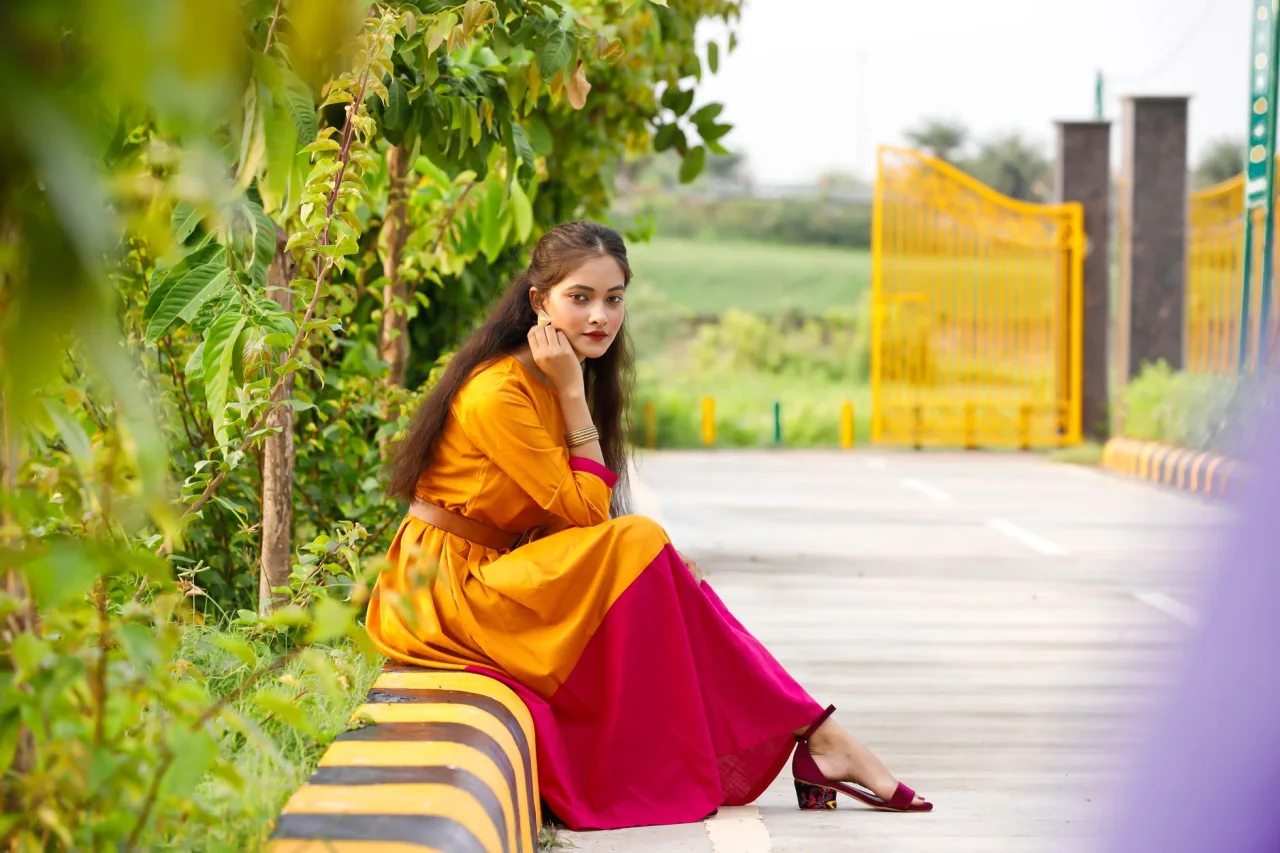
Knowing what to wear casually is less about owning more clothes and more about reading the situation: how formal is the day, what will the weather do, and how much finishing does the outfit need. This complete guide to casual Pakistani dresses walks through formality levels, colours, fabrics, and the dupatta and jewellery choices that turn a simple suit into a considered look, and ends with a quick checklist you can use before you leave the house.
The short version
- Match the fabric and finish to the occasion: crisp cotton and cambric for tidy daytime, softer lawn for relaxed wear.
- Lighter, softer colours read as everyday casual, while deep or jewel tones lift the same cut toward evening.
- The dupatta, footwear and jewellery decide how dressed up a plain suit looks, so choose them for the setting.
- Fit is the real luxury: a well-tailored simple suit always looks more polished than an expensive one that hangs badly.
Start with the occasion, not the outfit
Casual covers a wide range, from a supermarket run to a relaxed dinner, and each end wants a slightly different register. Before choosing a suit, place the day on a simple scale: purely functional (errands, home, commute), smart casual (office, casual meetings, lunch out), or elevated casual (dinner, a low-key gathering, day event). That single judgement decides almost everything that follows, from fabric to footwear. A printed lawn suit and flats is right for the first, a solid cotton kurta with tailored trousers for the second, and a raw silk kurta with a richer dupatta for the third.
Formality levels and what they ask for
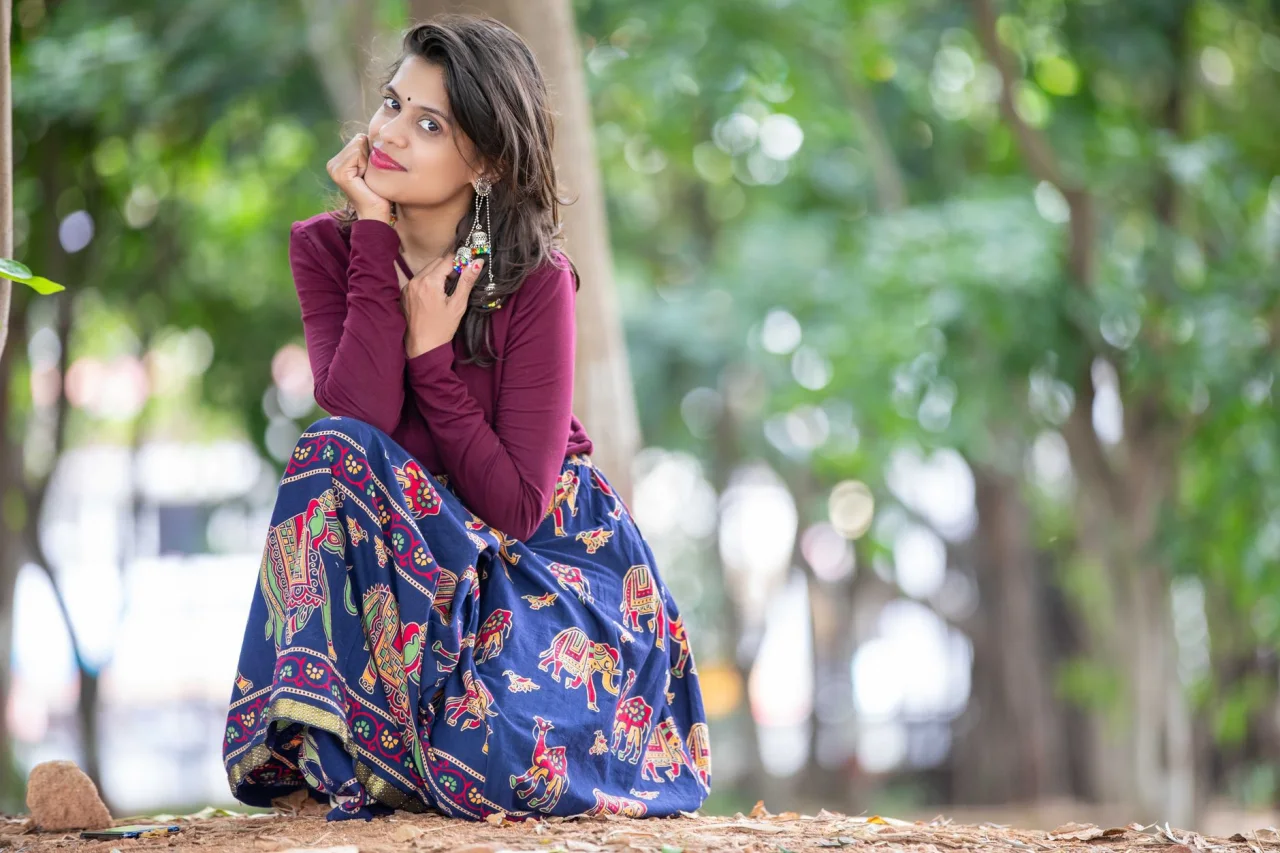
- Functional casual: comfort first. Soft lawn or cotton, relaxed cut, minimal jewellery, flats. Nothing you would worry about creasing.
- Smart casual: a cleaner line. Cambric or crisp cotton, restrained prints or solids, closed or structured footwear, a neat dupatta if you wear one. This is the register our office wear ideas focus on.
- Elevated casual: a touch of richness. A textured fabric like raw silk, a jewel-tone or a subtle sheen, a statement earring, heels or embellished flats. Still comfortable, but finished.
For a fuller occasion-by-occasion breakdown of a single garment, our guide on how to style a salwar kameez for every occasion is a useful companion.
Colours to wear and colours to hold back
There are no forbidden colours in casual desi dressing, but some read more relaxed than others. Soft neutrals, pastels, and muted prints feel effortless and daytime. Clean brights and crisp whites read fresh and modern. Deep jewel tones, rich maroons and inky blues lift the same cut toward evening and occasion, so save them when you want a plain suit to look dressier.
A few practical notes on colour:
- Light colours are cooler in heat and forgiving for daytime; very dark solids can feel warm and formal.
- A single contrast piece, a bright dupatta over a neutral suit, is an easy way to look intentional.
- Tonal or monochrome dressing, one colour head to toe, always looks considered with almost no effort.
If pairing colours makes you hesitate, our colour combinations style guide lays out reliable pairings.
Styling note
When in doubt, dress one notch tidier than the setting demands. It is easier to relax a crisp look, by rolling a sleeve or swapping to flats, than to rescue an outfit that is too casual for the room. A neat fabric and clean footwear do most of that lifting.
Fabric: the comfort and formality dial
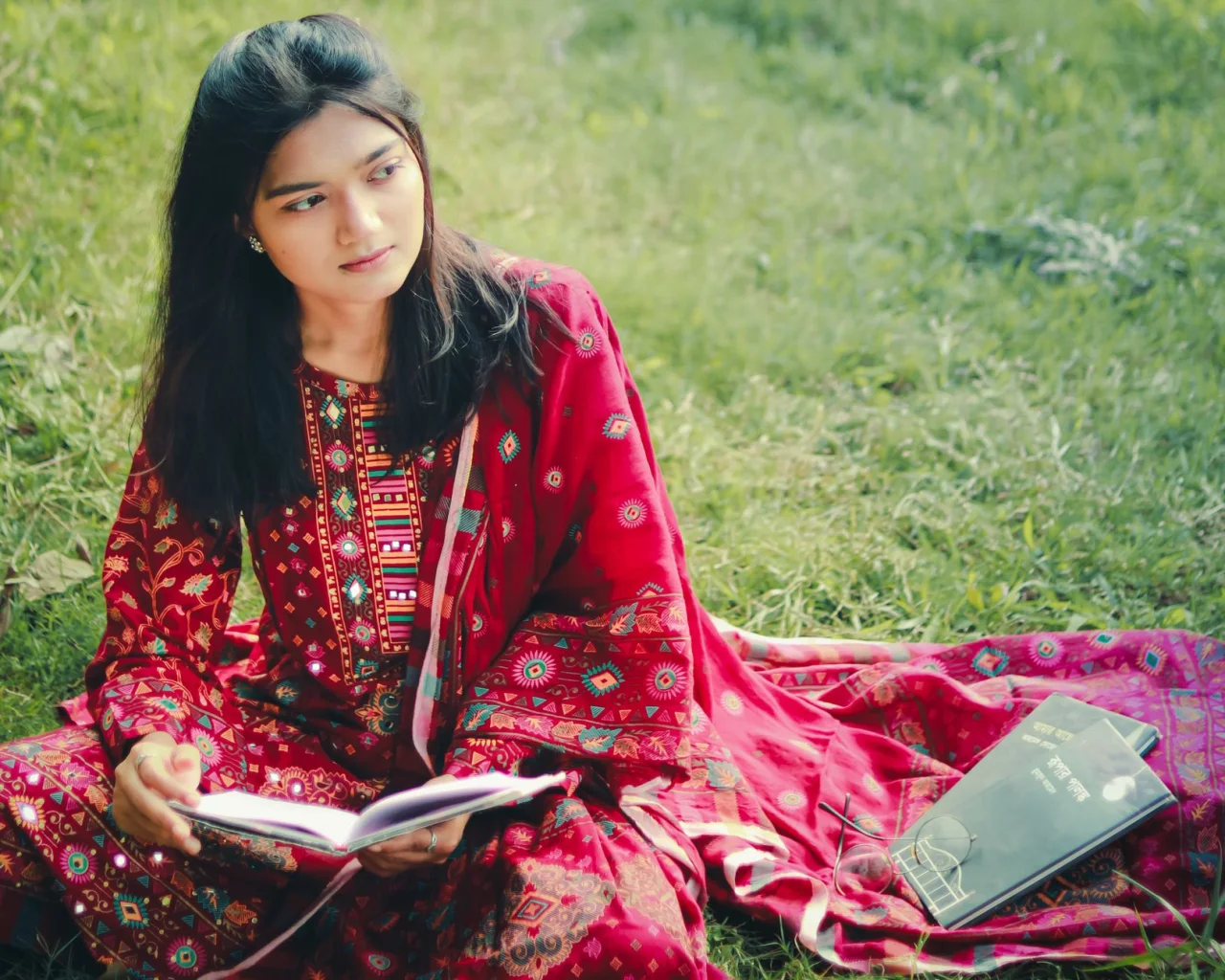
Fabric quietly sets both comfort and formality. In a warm climate, breathable natural fibres carry the everyday load. Lawn, a fine, lightweight plain weave cotton, is the relaxed default. Cotton and cambric hold a crisper line for smart casual. Linen and khaddar suit cooler weather. And textured fabrics like raw silk read a step dressier for elevated casual. Our roundup of the best fabrics for Pakistani summers and its winter companion, the best fabrics for winter dresses, cover seasonal choices in detail. If you want to understand one fabric fully, the complete lawn suit guide is a good place to start.
The dupatta: the biggest lever you have
The dupatta, a long shawl-like scarf worn across the shoulders or draped over the head, is the single most flexible piece in the outfit. A light cotton or lawn dupatta keeps a look casual and breathable; a chiffon or organza dupatta with a worked border reads dressier; skipping it entirely gives a cleaner, fusion feel. How you drape it changes the mood too, from a simple across-the-shoulder fall to a fuller front drape. Our step-by-step guide on how to wear a dupatta shows the main styles, and dupatta styles covers the fuller range.
Jewellery and footwear that match the register
Casual jewellery is about restraint. For daytime, a single pair of studs or small jhumkas and one bangle stack is enough. For elevated casual, one statement piece, bold earrings or a cuff, does more than a full set. Let the outfit or the jewellery lead, not both.
Footwear sets the tone from the ground up: kolhapuris, mules and clean sneakers keep things relaxed, while embellished flats or block heels dress a suit up. Match the formality of the shoe to the fabric. Our guides to matching jewellery and matching shoes go deeper.
A quick checklist before you leave
- Occasion read: functional, smart, or elevated casual? Set the register first.
- Fabric fit for weather: breathable for heat, warmer weave for cold, crisp for tidy days.
- Colour tone: soft for daytime, deeper for evening, one contrast piece if plain.
- Dupatta decision: light and casual, worked and dressier, or skipped for fusion.
- Footwear and jewellery: matched to the register, kept light unless one statement piece is the focus.
- Fit check: shoulders sit right, hem length flatters, nothing pulling. Fit is the finish.
Buying tip
Build a small, flexible casual wardrobe rather than a large trend-led one: a few well-fitting suits in versatile colours, a couple of dupattas that restyle them, and footwear at two formality levels. Prices vary by fabric, work and retailer, so treat any figure as a range and confirm current pricing. Our guide to shopping affordable Pakistani dresses smartly helps you spend well.
Putting it into practice
Once you can read the occasion and reach for the right fabric, colour and finish, casual dressing gets much faster. For concrete looks to copy, see our roundup of casual Pakistani dress outfit ideas, and for seasonal versions, the summer outfits and winter outfits guides adapt the same principles to the weather.
Frequently asked questions
What should I wear for casual Pakistani events?
Read the formality first. For relaxed daytime, a soft lawn or cotton suit with light jewellery and flats is right. For smart casual, choose crisper cotton or cambric, restrained colours and neater footwear. For an elevated casual gathering, add a richer fabric like raw silk, a jewel tone, and one statement piece. Matching the fabric and finish to the setting matters more than the amount of embellishment.
What colours work best for casual desi outfits?
Soft neutrals, pastels and muted prints read as effortless daytime wear, while clean brights and white feel fresh and modern. Deep jewel tones and rich darks lift the same cut toward evening, so save them when you want a plain suit to look dressier. A single contrast piece, such as a bright dupatta over a neutral suit, is an easy way to look intentional.
Do I have to wear a dupatta with a casual suit?
No, it is a style choice. A light cotton or lawn dupatta keeps a look traditional and breathable, a worked chiffon or organza dupatta dresses it up, and skipping it gives a cleaner fusion feel, especially with a kurti and trousers or jeans. Choose based on the occasion and the coverage you want.
How do I make a casual outfit look more put-together?
Focus on fit and finishing. A suit tailored to your proportions reads as polished on its own. Then let the dupatta, footwear and one jewellery choice match the register of the day. Dressing one notch tidier than the setting demands, and keeping colours and prints coherent, does most of the work.
Which fabrics are best for casual wear in hot weather?
Breathable natural fibres are best. Lawn is the everyday default because it is light and washable, cotton and cambric add a crisper line for tidy days, and linen keeps you cool in dry heat although it creases. Reserve heavier or synthetic fabrics for cooler weather or air-conditioned evenings.
More on Wedding & Occasion Fashion
Have a question or a topic to suggest?
We read every message. Tell us what you would like to see next in the journal.
Get in touch